
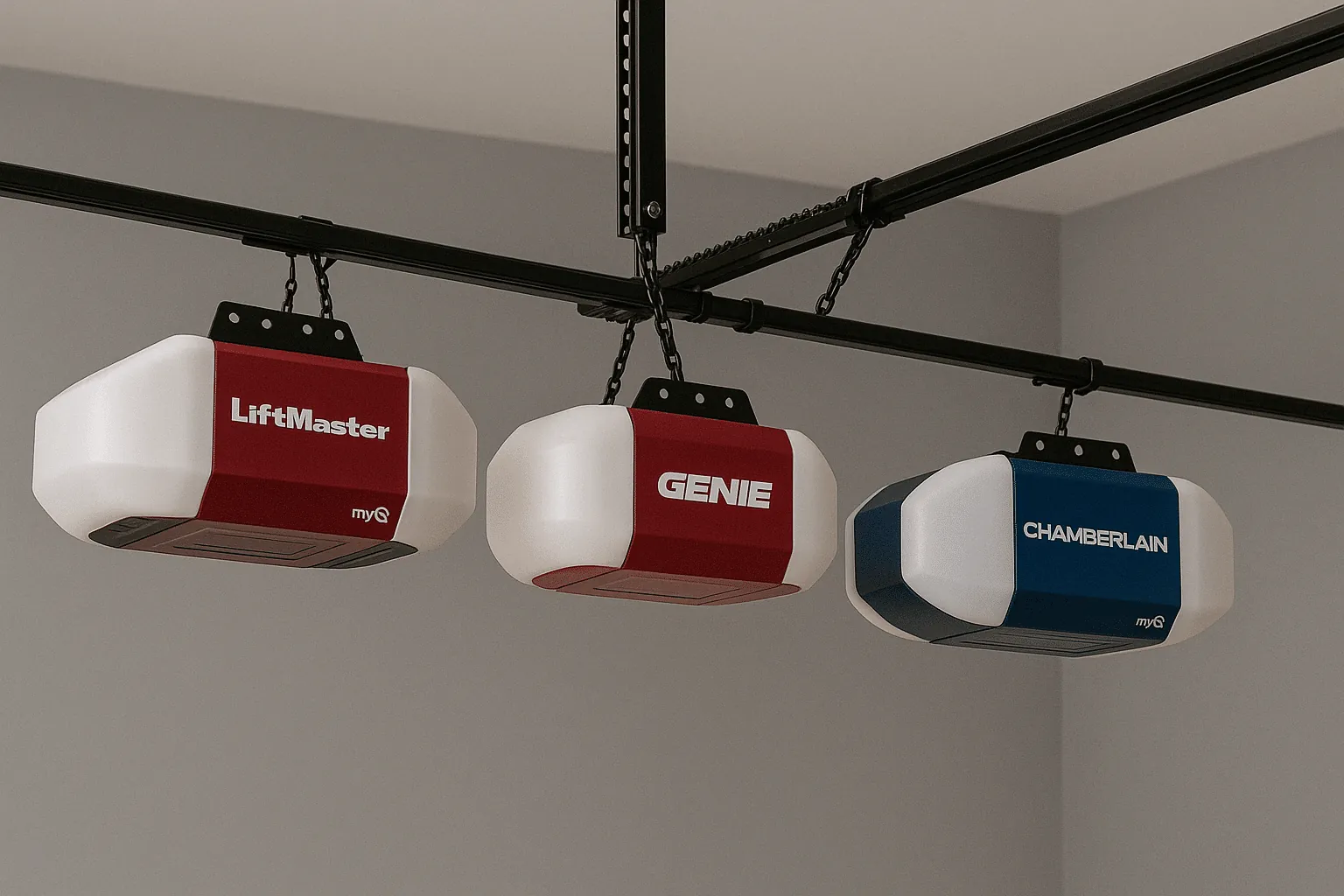
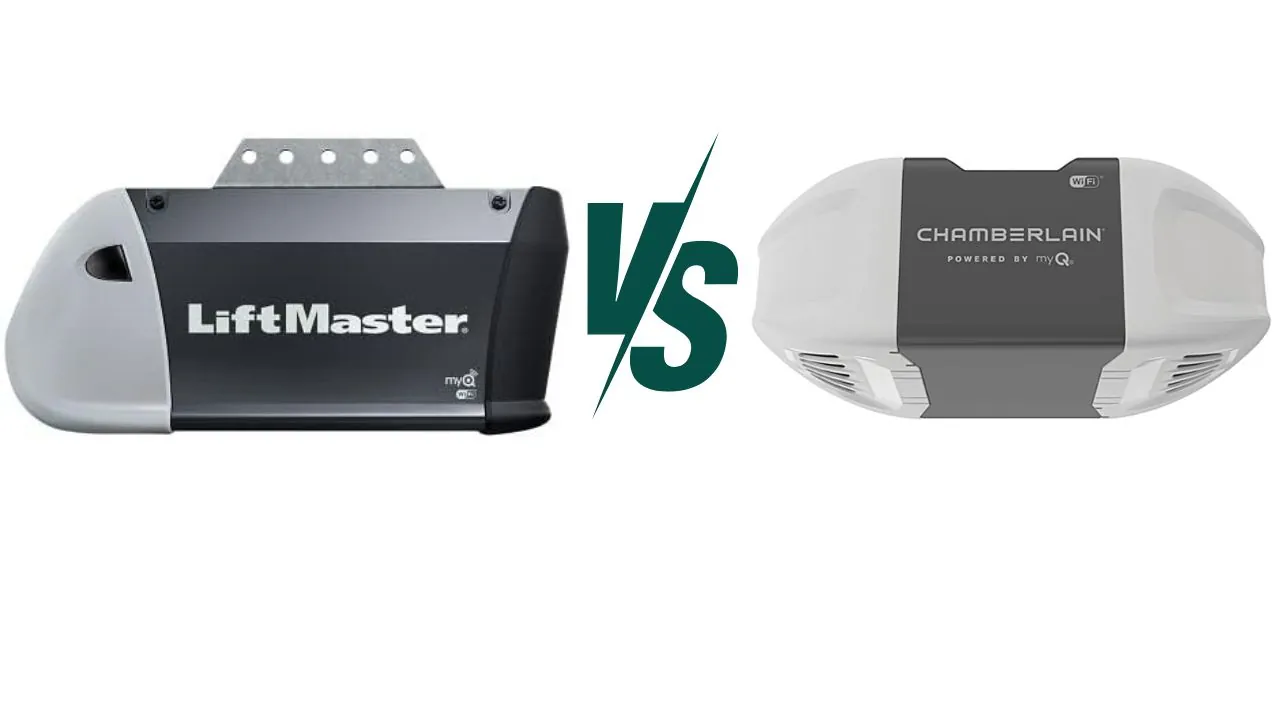
When you’re shopping for a new garage door opener, you’ll inevitably encounter the decision between a liftmaster garage door opener vs chamberlain as you narrow down your options. While these two brands are manufactured by the same parent company, the Chamberlain Group, they’re marketed through different channels and tailored to distinct user needs. Most homeowners will find that a new unit costs between $150 and $600, depending on the drive type, horsepower, and smart connectivity features included in the package. Understanding the subtle differences in distribution, professional installation requirements, and warranty coverage will help you decide which brand fits your home improvement project.
Key Takeaways
- LiftMaster models are sold exclusively through professional dealers and installers.
- Chamberlain units are designed for DIY installation and are available at major retail stores.
- Both brands share the same underlying technology, including myQ smart home integration.
- Professional installation for LiftMaster often includes a labor warranty, while DIY options rely on manufacturer support.
- Always verify the drive type, such as belt or chain, to ensure it matches your garage environment.
Comparing Chamberlain and LiftMaster Garage Door Openers
The primary distinction between these two brands is the sales channel. LiftMaster is positioned as a professional-grade brand. You generally can’t walk into a big-box hardware store and buy a LiftMaster unit off the shelf. Instead, you must purchase these through an authorized dealer who also provides installation services. This ensures that the unit is installed by a technician familiar with the specific nuances of the hardware and safety sensors.
Chamberlain, by contrast, is the consumer-facing brand. It’s designed for the homeowner who prefers to handle installation personally. These units are packaged with extensive instruction manuals and are available at home improvement retailers. Because they’re designed for the DIY market, the packaging is streamlined to fit in a standard vehicle, and the components are pre-assembled as much as possible to simplify the mounting process.
Is One Brand More Reliable?
Because both brands are produced by the same parent company, the internal motors, logic boards, and safety sensors are often identical or built to the same high-quality standards. The core engineering behind the two brands is largely shared. Reliability issues are rarely due to the brand name on the box, but rather the quality of the installation and the maintenance performed over the life of the unit.
If you choose a LiftMaster, you’re paying for the expertise of a professional who ensures the door is balanced, the tracks are aligned, and the safety eyes are properly calibrated. If you choose a Chamberlain, you’re responsible for these critical adjustments. A poorly installed Chamberlain unit will likely suffer from premature wear, just as a poorly installed LiftMaster would. The mechanical longevity of either brand is comparable when they’re installed correctly and maintained according to the Chamberlain Group product manuals.
Understanding the Drive Options
Both brands offer similar drive mechanisms to suit different garage types. Choosing the right one is essential for minimizing noise and ensuring smooth operation.
| Drive Type | Best For | Noise Level | Maintenance |
|---|---|---|---|
| Chain Drive | Heavy/Large Doors | High | Regular Lubrication |
| Belt Drive | Attached Garages | Low/Quiet | Minimal Maintenance |
| Direct Drive | Low Clearance | Very Low | Periodic Inspection |
Belt drives are the most popular choice for homeowners with bedrooms located above or adjacent to the garage. They use a steel-reinforced rubber belt, which eliminates the metal-on-metal noise associated with chain drives. If you’re looking for a budget-friendly option and noise isn’t a concern, a chain drive remains the industry standard for durability and value.
Why Choose Professional Installation?
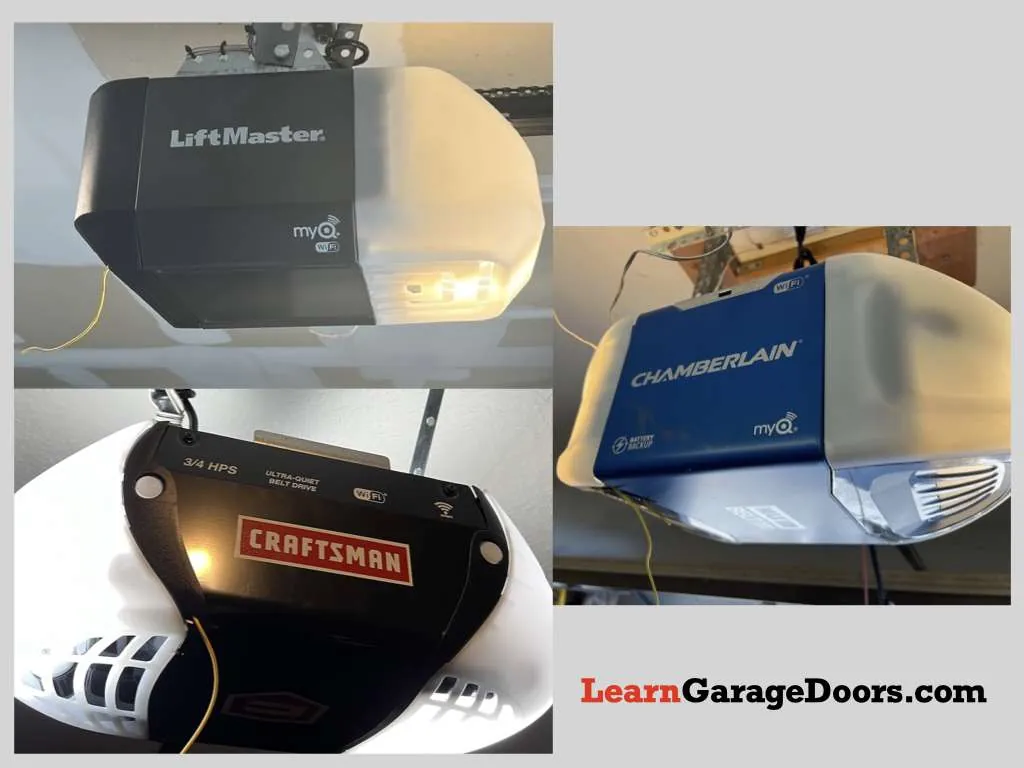
Opting for a LiftMaster unit usually means you’re hiring a professional. This brings several advantages that go beyond the hardware itself. A professional installer does more than just bolt the opener to the ceiling; they inspect the door’s tension springs, rollers, and hinges. If your door isn’t properly balanced, it puts unnecessary strain on the opener, which can lead to motor failure or safety sensor malfunctions.
Professional installers also handle the disposal of your old unit and ensure that all electrical connections meet local building codes. While this adds to the total cost, it provides peace of mind. If something goes wrong, you have a single point of contact to resolve the issue rather than spending time troubleshooting the problem yourself or dealing with separate warranty claims for parts and labor.
Are DIY Installations Worth the Savings?
Choosing a Chamberlain for a DIY project can save you significant money on labor costs. However, you must be comfortable working with power tools, ladders, and basic electrical wiring. Installing a garage door opener involves lifting heavy components and working with high-tension springs that can be dangerous if handled incorrectly.
Pro Tip: Always test your garage door’s balance by disconnecting the opener and lifting the door manually; if it doesn’t stay in place halfway up, don’t install a new opener until you have adjusted the springs.
If you’re confident in your mechanical skills, a DIY installation is a rewarding project that can be completed in a single afternoon. You’ll need a standard tool kit, a sturdy ladder, and a friend to help lift the rail assembly. Most Chamberlain kits include everything necessary for a standard installation, but you should check the contents list before you begin.
Factors Influencing Total Price
When budgeting for your project, consider the following variables that will impact the final cost.
- Horsepower: Higher horsepower motors are required for heavy carriage-house style doors or solid wood doors.
- Connectivity: Units with integrated cameras, battery backups, and Wi-Fi connectivity carry a higher price tag.
- Hardware: If your existing rails are incompatible, you may need to purchase extension kits or adapter brackets.
- Labor: If you hire a pro, labor rates vary by region and the complexity of the existing setup.
Essential Maintenance for Both Brands
Regardless of which brand you choose, regular maintenance is the key to preventing common failures. Every six months, you should perform a safety check. This includes testing the “reverse” feature by placing a solid object under the door to ensure it retracts upon contact. You should also lubricate the tracks and rollers with a silicone-based lubricant. Avoid using heavy grease, which can attract dirt and grit that wears down the track surface.
Warning: Never attempt to adjust the garage door tension springs yourself, as they’re under extreme tension and can cause severe injury if they snap during adjustment.
Comparing Smart Features
Both brands now heavily emphasize “smart” features. The myQ ecosystem allows you to control your door from a smartphone, receive alerts when the door is opened, and even grant temporary access to delivery drivers or guests. Because both brands share this technology, the app experience is identical. If smart integration is your primary goal, you’ll be equally happy with a high-end unit from either brand.
Troubleshooting Common Issues
If you encounter problems, the troubleshooting steps are generally the same for both brands. Most issues stem from the safety sensors located at the base of the door.
Sensor Misalignment
If your door refuses to close and the wall-mounted light blinks, the safety sensors are likely misaligned. Ensure the lenses are clean and that the green and amber lights are solid. If one is blinking or off, gently adjust the bracket until the connection is restored.
Remote Control Failure
If your remote stops working, check the batteries first. If the battery is fresh, you may need to clear the memory on the opener and reprogram the remote according to the specific model’s instructions. Keep a record of your model number, as this is required to find the correct programming sequence in the manual.
Related guides
- Mini Pebble vs Pebble Sheen: Key Differences and Best Picks in 2026
- Water Softener vs Water Conditioner: The Key Differences Explained in 2026
- Toilet Fill Valve vs Flush Valve: Key Differences Explained in 2026
Frequently Asked Questions
Is LiftMaster higher quality than Chamberlain?
LiftMaster and Chamberlain are manufactured by the same parent company, the Chamberlain Group. The internal components, such as motors and logic boards, are often identical. The difference lies in the distribution model: LiftMaster is sold through professional installers, while Chamberlain is sold in retail stores for DIY installation. Neither brand is inherently “better” in terms of build quality, as both share the same engineering standards.
Can I install a LiftMaster by myself?
While it’s physically possible to install a LiftMaster unit yourself, these products are specifically marketed and sold for professional installation. Some authorized dealers may refuse to sell you a unit if they aren’t also providing the labor. If you prefer to install the unit yourself, Chamberlain is the recommended choice, as it’s designed specifically for the consumer market and includes detailed DIY instructions.
Do I need a battery backup?
A battery backup is an essential feature if you live in an area prone to power outages. It allows you to open and close your garage door when the electricity is out, preventing you from being locked out or trapped inside. Many modern units include this as a standard feature, but if it isn’t included, it’s a highly recommended upgrade for convenience and security.
How often should I replace my opener?
A well-maintained garage door opener can last between ten and fifteen years. If your unit is older than fifteen years, it may lack modern safety features like rolling-code technology or infrared safety sensors. Replacing an aging unit is a proactive way to improve your home’s security and ensure that your garage door continues to operate safely and reliably for years to come.
Does the horsepower rating matter?
Yes, the horsepower rating is critical for the longevity of your motor. A standard 1/2 HP motor is sufficient for many residential doors, but if you have a heavy, insulated, or oversized door, you should opt for a 3/4 HP or 1.25 HP motor. Using an underpowered motor will cause the unit to work harder than intended, leading to premature failure and increased noise during operation.
Conclusion
To move forward with your choice, assess your level of comfort with DIY projects and evaluate the current state of your garage door hardware. If you’re looking for a turn-key solution with a professional warranty, contact a local garage door specialist to discuss a LiftMaster installation. If you’re an experienced homeowner, head to your local hardware store to compare the latest Chamberlain models and their specific features.
