
Choosing the right pool finish often feels like navigating a maze of marketing terms, especially when you’re weighing mini pebble vs pebble sheen. Both options offer exceptional durability and a natural aesthetic that standard plaster can’t match, but they serve slightly different design visions and budget ranges. On average, a mini pebble installation costs between $8 and $14 per square foot, while pebble sheen typically runs from $9 to $16 per square foot depending on your region and the specific aggregate blend selected. These figures represent the material and labor combined for a standard residential project, though complex shapes or difficult site access can push these numbers higher. Understanding the nuances between these two popular finishes is crucial because the decision impacts not just the initial investment, but also long-term maintenance routines, water chemistry stability, and the overall visual warmth of your swimming environment.
Key Takeaways
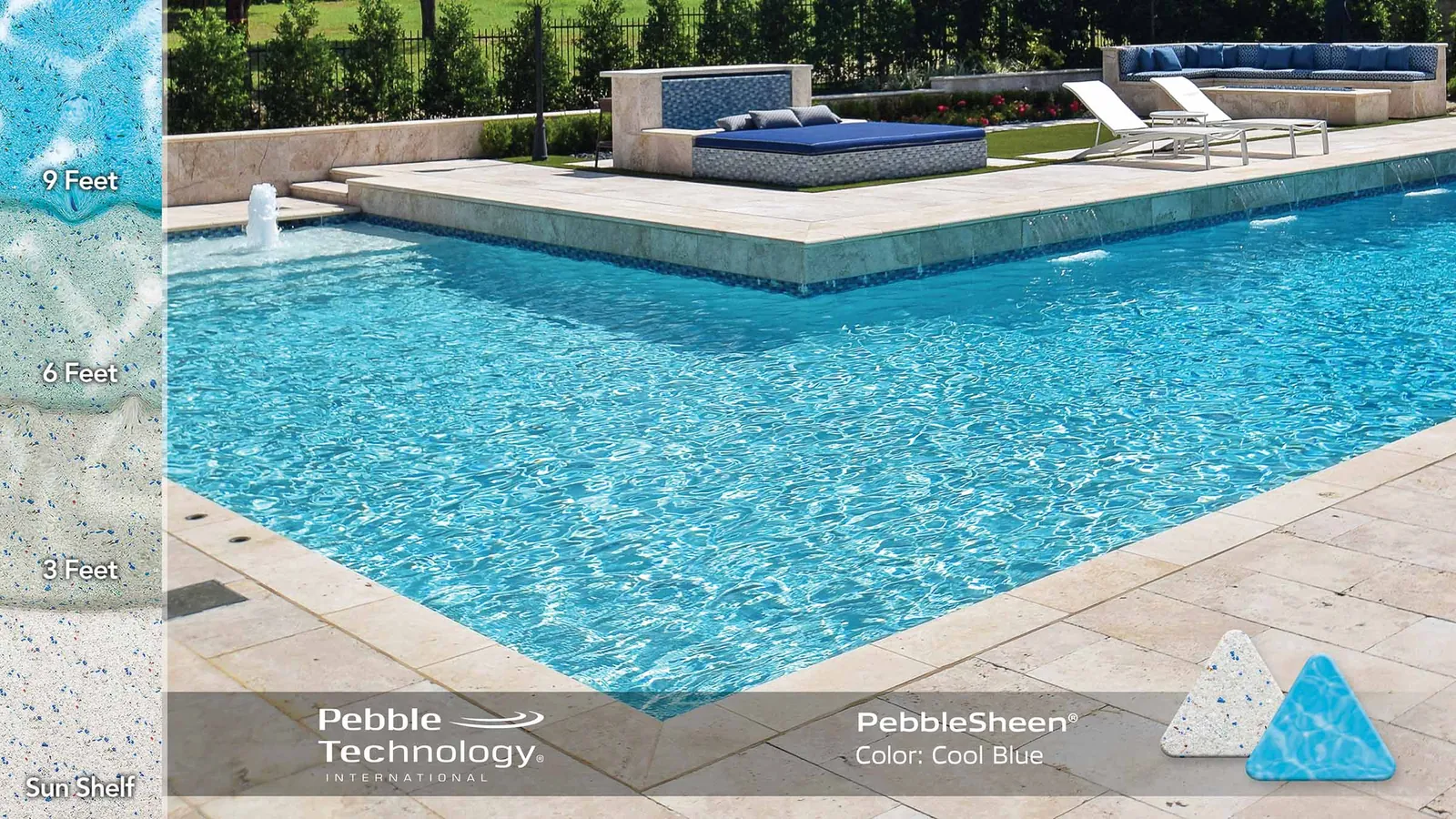
- Mini pebble offers a more textured, rugged surface with larger stones compared to the smoother, finer feel of pebble sheen.
- Pebble sheen generally commands a higher price point due to its specialized polishing process and finer aggregate mix.
- Both finishes provide superior longevity over traditional plaster, often lasting 15 to 25 years with proper care.
- Water clarity is often better with pebble sheen because its smoother surface resists algae attachment more effectively than rougher textures.
- Installation requires experienced contractors, as improper acid washing or troweling can permanently damage the delicate aggregate exposure.
- Regular brushing and balanced pH levels are non-negotiable for preventing calcium scaling on both finish types.
What Is The Core Difference?
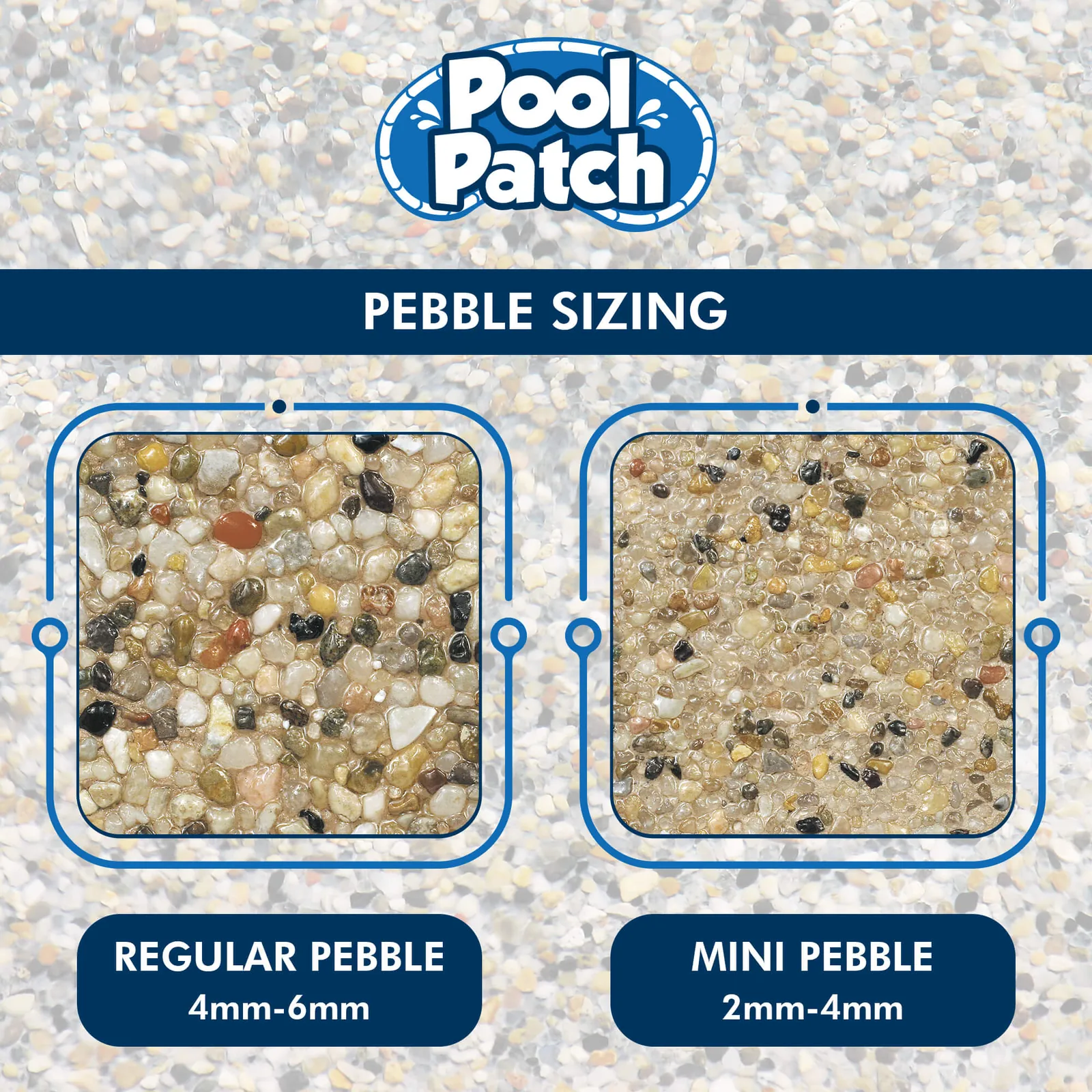
The primary distinction lies in the size of the exposed aggregate and the final texture you’ll feel underfoot. Mini pebble utilizes small river stones, usually ranging from one-quarter to three-eighths of an inch, creating a surface that’s noticeably tactile and rustic. In contrast, pebble sheen employs much finer aggregates, often mixed with glass beads or crushed quartz, which are then polished to a semi-smooth finish that reflects light differently.
This difference in particle size dictates the surface texture you experience daily; mini pebble feels like walking on a beach with distinct stones, while pebble sheen feels more like smooth, wet sand. The visual depth also varies, as the larger stones in mini pebble create deeper shadows, whereas the finer mix in pebble sheen allows for a more uniform, luminous appearance across the pool floor.
How Does Texture Affect Comfort?
When evaluating comfort, the tactile sensation becomes the deciding factor for many homeowners, particularly those with children or elderly family members. Mini pebble provides a firm grip that some swimmers prefer for safety against slipping, but it can be abrasive if you sit on the bottom for extended periods. The rougher nature means that bare feet might feel slight irritation during the first few weeks after installation until the surface naturally wears down slightly.
Conversely, pebble sheen is engineered specifically for comfort, offering a sleeker profile that glides smoothly against the skin. This makes it an ideal choice for pools where lounging on the steps or sitting on the deck edge is common. The comfort level of pebble sheen often translates to higher usage rates for families who prioritize relaxation over the rugged aesthetic of traditional pebble finishes.
Comparing Mini Pebble vs. Pebble Sheen Visuals
The way light interacts with these surfaces creates vastly different atmospheres in your backyard oasis. Mini pebble tends to absorb more light due to its deeper texture, resulting in a darker, more earthy tone that mimics a natural lagoon or mountain stream. This look is perfect for naturalistic designs where the goal is to blend the pool seamlessly into the surrounding landscape.
On the other hand, pebble sheen is designed to maximize light reflection, giving the water a sparkling, jewel-like quality that enhances blue hues significantly. The polished finish acts almost like a mirror, making the water appear clearer and brighter even at dusk. If your design plan relies on aesthetic brightness to make a smaller pool look larger or to create a resort-style vibe, pebble sheen is the superior optical choice.
Durability And Lifespan Expectations
Both finishes are renowned for outlasting standard white plaster by a significant margin, but their failure modes differ slightly. Mini pebble is incredibly robust because the larger stones are deeply embedded in the cement matrix, making them resistant to chipping and impact damage from dropped toys or heavy debris. The structural integrity of this finish often allows it to withstand harsh weather conditions and heavy foot traffic without showing wear patterns quickly.
Pebble sheen, while durable, has a thinner layer of exposed aggregate due to the polishing process, which can sometimes make it slightly more susceptible to etching if water chemistry is neglected for long periods. However, under normal conditions, both systems boast a service life of 20 years or more, far exceeding the 7-to-10-year lifespan of conventional plaster finishes.
Maintenance Requirements Compared
Caring for these finishes requires a shift in mindset from traditional plaster, focusing heavily on consistent water balance. For mini pebble, the rougher surface can trap debris more easily, necessitating more frequent vacuuming and manual brushing to prevent dirt accumulation in the crevices between stones. The cleaning frequency must be high during the initial cure period to ensure the stones remain securely bonded and free of loose particles.
Pebble sheen, with its smoother surface, allows water flow to carry away debris more efficiently, reducing the effort needed for routine cleaning. However, both finishes are highly prone to calcium scaling if the pH rises above 7.8, requiring vigilant monitoring. The maintenance burden for pebble sheen is generally perceived as lighter regarding physical scrubbing, but both demand strict chemical adherence to avoid permanent staining or dullness.
Cost Breakdown By Region
While national averages provide a baseline, local market conditions heavily influence the final bill for either option. In regions with high labor costs like California or New York, the premium for pebble sheen can widen, pushing the total cost toward the upper end of the range.
Material availability also plays a role; if your local supplier doesn’t stock specific blends of mini pebble, shipping fees can inflate the price unexpectedly. The following table outlines typical cost components you should expect to see in your contractor’s estimate:
| Cost Component | Mini Pebble Estimate | Pebble Sheen Estimate | Notes |
|---|---|---|---|
| Material Only | $4.50 – $7.00 / sq ft | $5.50 – $8.50 / sq ft | Includes aggregate and cement base |
| Labor & Install | $3.50 – $6.00 / sq ft | $4.00 – $7.00 / sq ft | Higher skill required for polishing |
| Acid Wash/Finish | Included | Included | Critical for exposing the aggregate |
| Total Per Sq Ft | $8.00 – $14.00 | $9.00 – $16.00 | Varies by pool shape and depth |
Installation Process Nuances
The application methods for these finishes diverge significantly during the critical finishing stages. Installing mini pebble involves troweling the mix onto the gunite shell and then washing away the cement paste to reveal the stones, a process that relies on timing and pressure control to expose the correct amount of stone. The exposure technique must be precise; too much washing can loosen the bond, while too little leaves a cloudy surface.
Pebble sheen requires an additional step where the surface is mechanically polished after the initial wash to achieve its signature smoothness. This extra labor increases the time the crew spends on-site and requires specialized equipment to buff the surface without damaging the underlying structure. The installation complexity of pebble sheen means you must hire a contractor with specific certification or proven experience in this niche, as general pool builders may lack the necessary tools or expertise.
Which Finish Resists Algae Better?
Algae growth is a universal enemy of all pool surfaces, but texture plays a massive role in how easily it takes hold. The microscopic pores and crevices in mini pebble provide ample hiding spots for algae spores, making it slightly harder to keep perfectly clean without aggressive brushing.
The algae resistance of this finish depends heavily on the owner’s commitment to weekly scrubbing to disrupt any biofilm formation before it establishes itself. Pebble sheen, being smoother, offers fewer anchor points for algae to attach, allowing sanitizers to work more effectively across the entire surface area. Studies on surface roughness indicate that smoother substrates reduce bacterial adhesion rates significantly.
Troubleshooting Common Issues
Even with professional installation, issues can arise if the curing process or water chemistry is mishandled. One frequent problem with mini pebble is “loose stones,” where individual rocks pop out due to improper washing or weak bonding during the initial set. This usually requires a patch repair using a matching aggregate mix to fill the voids.
With pebble sheen, the most common complaint is “cloudiness” or hazing, which occurs if the polishing stage is rushed or if the water is too acidic during the first month. The repair strategies for these defects differ; fixing loose stones is mechanical, while fixing cloudiness often involves rebalancing the water and waiting for the surface to naturally clear up. Ignoring these early signs can lead to permanent cosmetic damage that requires a full resurfacing sooner than expected.
Frequently Asked Questions
Is pebble sheen worth the extra cost?
Pebble sheen is often worth the premium if you prioritize a luxurious, smooth feel and maximum light reflection. The added cost covers the specialized polishing labor and finer materials, resulting in a finish that feels closer to glass than stone. For families who lounge in the pool frequently, the comfort upgrade alone justifies the higher price tag over standard mini pebble.
Can I install mini pebble myself?
No, installing mini pebble requires professional expertise and specialized equipment to properly expose the aggregate without damaging the bond. DIY attempts often result in uneven surfaces, loose stones, or premature failure of the finish. Always hire a certified installer with specific experience in pebble finishes to ensure longevity and warranty coverage.
How long does the curing process take?
The curing process for both finishes typically takes about 28 days before the pool reaches full chemical stability. During the first week, daily brushing is mandatory to remove loose particles and prevent staining. You should avoid adding heavy chemicals or running the heater aggressively until the manufacturer’s recommended timeline has passed.
Does mini pebble get hot in the sun?
Mini pebble can retain heat similarly to other dark-colored finishes, potentially feeling warm underfoot on very hot days. However, the texture allows for air circulation that can mitigate extreme heat retention compared to solid plaster. Choosing lighter colored aggregates within the mini pebble mix can help reduce surface temperature significantly.
Will these finishes fade over time?
High-quality pebble finishes are UV stable and designed not to fade significantly over decades of sun exposure. While the cement binder may lighten slightly, the natural stones and glass beads retain their color. Proper water balance prevents chemical bleaching, ensuring the aesthetic remains vibrant for the life of the pool.
What is the best cleaner for pebble sheen?
Use a mild, non-abrasive pool cleaner specifically formulated for pebble surfaces to avoid scratching the polish. Avoid harsh acids or wire brushes that can strip the finish or embed metal particles. Regular vacuuming with a soft-bristle brush head is sufficient to maintain the shine and clarity of the surface.
Conclusion
Your next step is to contact three local pool contractors who specialize in aggregate finishes and request detailed quotes for both mini pebble and pebble sheen based on your specific pool dimensions. Ask each provider to show you samples of their previous work to compare the actual texture and color consistency before making your final decision.