
Usually, it isn’t safe to keep gas cans in the garage because the risk of fire and toxic fumes is high, even when containers look sealed. Storing fuel inside an attached garage puts your home at risk, as gasoline vapors are heavier than air and can travel across the floor to reach a pilot light or spark. If you have no other choice, you must follow strict ventilation and separation rules to lower the chance of a disaster. Getting this wrong can lead to house fires or serious respiratory issues for everyone living inside.
Is it safe to keep cans in your garage
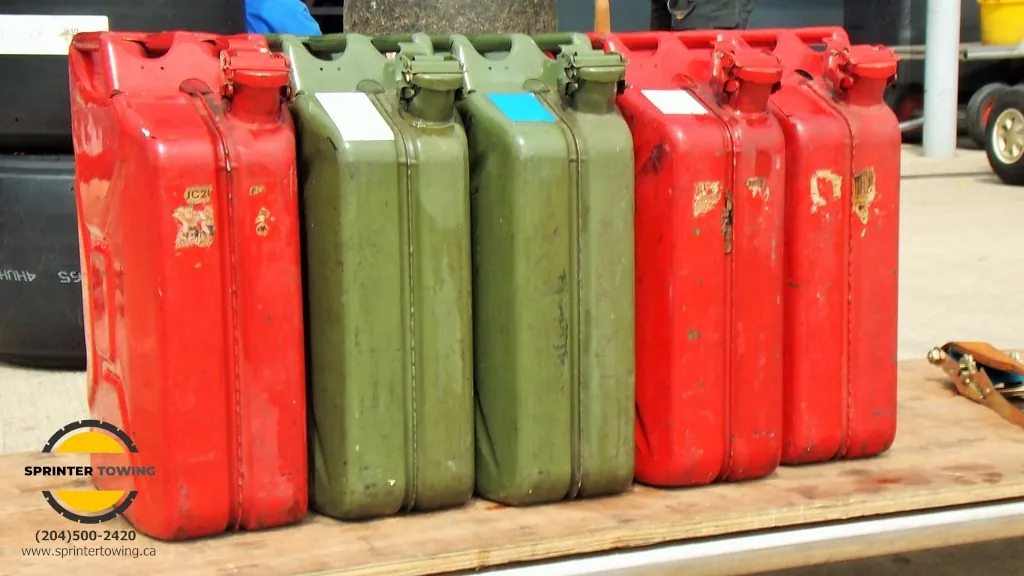
Storing fuel in an attached space creates a direct path for fire and fumes to enter your living area. Gasoline is highly volatile, and even small leaks or improper caps allow dangerous vapors to fill an enclosed space.
If your garage shares a wall with the house, treat any stored fuel as a structural threat. Vapors are heavier than air and will pool along the floor, seeking out ignition sources like water heater pilots or furnace sparks.
Never store fuel in a container not specifically rated for it. If the plastic shows signs of swelling or the cap seal is brittle, replace it immediately. People often make the mistake of topping off containers to the brim, but fuel needs room to expand as temperatures rise. Leave at least five percent of the container volume as empty headspace to prevent leaks.
If you smell gas, don’t flip a light switch or start a car engine. The tiny electrical arc from a switch is enough to ignite the accumulated fumes. Move the container outdoors and ventilate the space before returning.
Why gasoline storage causes harm
The primary danger of storing fuel in an attached garage is the ignition of vapor. Gasoline evaporates at temperatures as low as -45 degrees Fahrenheit, meaning it’s constantly turning into a gas that’s invisible to the human eye. Because these vapors are denser than air, they sink to the floor and flow like water.
If they reach a source of ignition, such as a water heater pilot light, a furnace burner, or even a spark from a light switch, the fire can flash back to the container instantly.
A common mistake is assuming that a concrete floor provides a safety barrier. In reality, the porous nature of concrete can absorb leaked fuel, turning your garage floor into a long-term fire hazard that releases fumes for weeks. If your garage floor smells like gas despite no visible spills, you have already reached a saturation point that requires professional remediation.
The National Fire Protection Association outlines specific codes for the storage of flammable liquids to prevent such accidents. When you store gas in a home, you’re dealing with a substance that isn’t just flammable but also toxic. Breathing these fumes can cause headaches, dizziness, and long-term health problems. If you store gas in a plastic container not designed for fuel, the plastic may degrade, leading to leaks that are difficult to detect until the floor is already soaked in fuel.
Most people underestimate how much vapor a “closed” can releases. Even a tightly shut cap allows for some pressure relief. If the ambient temperature in your garage rises, the liquid expands and forces more vapor out through the seal. This cycle continues every day as the sun hits your garage doors and walls. You must treat every container as if it’s actively leaking, which is why interior storage is widely discouraged by fire safety professionals.
Signals to stop immediately
Strong fuel smell: If you detect gasoline upon entering the garage, your containers are leaking or venting beyond their design limits. Don’t flip the light switch or start your car, as even a minor spark can ignite the concentrated vapors.
Bulging containers: If the plastic walls look stretched or rounded, internal pressure has reached a critical failure point. This often happens when fuel is stored in direct sunlight or a non-climate-controlled shed.
Cracked seals: If the rubber ring around the cap feels brittle or snaps when touched, the container is no longer airtight. Replace the gasket immediately, as leaking fumes are a precursor to a flash fire.
Dampness under the can: Any liquid visible on the floor indicates a slow seep or a hairline fracture in the base. If you see a stain, move the container to a concrete surface away from flammable debris.
Proximity to heat: If cans sit within 10 feet of a water heater, dryer, or furnace, the fire risk is extreme. Move them to a detached structure or a shaded, outdoor area.
Never attempt to patch a leaking fuel can. These vessels are engineered for specific safety standards; once the integrity is compromised, they must be discarded.
The safer way to store fuel
Use only certified, red-colored fuel containers that meet current safety standards for your region.
Fill the container no more than 95% full to allow for thermal expansion during the heat of the day. If you fill it to the brim, the expanding vapors will force fuel through the seal, creating a fire hazard.
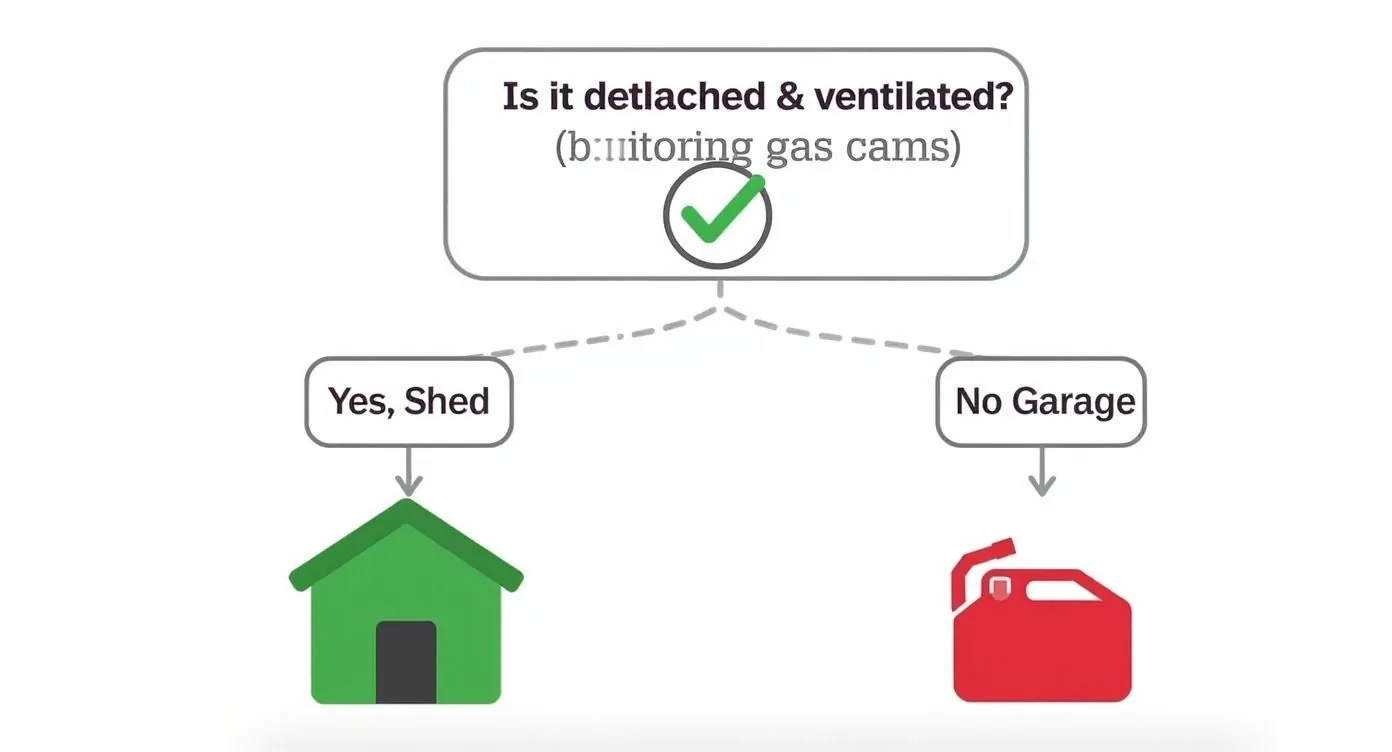
Store containers in a detached building or a dedicated outdoor storage locker that’s bolted to a concrete base. Never keep fuel in an attached garage or basement, as fumes can travel along floor joists to a water heater pilot light and ignite.
Keep the storage area in the shade to prevent the sun from heating the fuel directly. Label every container with the date of purchase to ensure you rotate the fuel based on usage, following the specific guidelines in your owner’s manual. Place a drip tray under the containers to catch any potential leaks before they spread.
If a spill or leak happens
If you discover a spill, your first priority is ventilation. Open all garage doors and windows immediately to clear the air, but don’t turn on any electrical fans or lights, as the switch spark could ignite the vapors.
If the spill is larger than a standard cup, don’t try to wash it into the drain, as this moves the fire hazard into the sewer system. Use an absorbent material like sand or cat litter to soak up the liquid, then place the saturated material into a metal container with a lid.
If the spill covers an area larger than a square foot, don’t attempt to clean it yourself. Evacuate the room and close the door behind you to contain the fumes. If you smell gasoline from outside the room, treat it as a gas leak and cut the power to the garage at the main breaker before entering.
Once the liquid is absorbed, contact your local waste management department to ask about hazardous waste drop-off days. Never put gasoline-soaked materials in your regular household trash, as this can cause fires in collection trucks.
If you feel dizzy or have trouble breathing, leave the area and seek fresh air immediately; if symptoms persist, call for medical help. If the spill is massive or you can’t manage the cleanup without creating a fire risk, contact your local fire department for assistance. Professionals have the right equipment to contain and neutralize flammable spills safely.
Related guides
Frequently Asked Questions
Is it safe to keep gas cans in the garage if I leave the door open?
It isn’t safe, because the open door doesn’t guarantee that vapors won’t pool in corners or reach ignition sources. Vapors are heavy and often stay low to the ground where they can travel to pilot lights located in other parts of the house. Even with the door open, the risk of a flash fire remains high if there’s any source of heat or a spark nearby.
How long can I keep gasoline in a container?
You can keep gasoline for 6 months before it begins to degrade and cause engine issues. After this period, the fuel may leave deposits in your equipment’s carburetor or fuel lines. Always check the manufacturer’s label on your engine to see if they recommend a shorter window or the use of a fuel stabilizer. If the gas smells “sour” or looks dark, dispose of it properly at a hazardous waste facility.
Can I store gas cans in a plastic storage bin?
You shouldn’t store gas cans inside a plastic bin, as this traps leaking vapors and creates an explosion hazard. The bin will contain the fumes, allowing them to reach a high concentration that can ignite from a single spark. If you must use a container for organization, ensure it’s made of non-combustible material like metal and is heavily ventilated to allow fumes to escape.
Why does my gas can leak when it’s hot?
Gasoline expands as the temperature rises, which forces air and fuel vapor out through the cap’s vent. This happens because the liquid inside the can needs more space as it warms up. To prevent this, always leave about 5% of the can empty, which provides an “ullage” or air gap that handles the pressure change without forcing fuel through the seals.
What is the best place to keep gas cans?
The best place to keep gas cans is in a detached, well-ventilated shed that’s located at least 20 feet away from your home. This distance ensures that if a fire occurs, it won’t spread to your living space. Always keep the cans in the shade and ensure they’re placed on a non-combustible surface like concrete or gravel, away from any potential ignition sources like lawnmowers or power tools.
Does it matter if the gas can is metal or plastic?
It matters because metal cans are more durable and resistant to heat, while plastic cans are prone to cracking or melting over time. If you use plastic, you must ensure it’s a high-density polyethylene container approved for fuel storage. Always check the container for a safety certification mark, such as those from the American National Standards Institute, which confirms the can was tested to withstand specific pressure and temperature limits.
Can I store gas cans in the attic?
Never store gas cans in the attic, as it’s a dangerous location. Attics trap heat, causing gasoline to expand and release hazardous vapors into your home. Always keep fuel at ground level in a detached area to minimize fire risks.
Conclusion
Keeping gasoline inside your home is a decision that requires strict adherence to safety guidelines, but moving fuel to a detached, outdoor location is the only way to eliminate the risk entirely. If you currently have cans in your garage, move them to a safer space today.
