
Metals change shape under force because their internal atoms slide past each other along specific planes, and this is why metals bend instead of shattering like glass. When you apply enough pressure, the layers of atoms move to new positions and stay there once the force stops. This process, known as plastic deformation, happens because the metallic bonds are non-directional, allowing atoms to shift while maintaining their structural connection.
How metals bend under stress
You can often identify the cause of a bend by looking at how the force was applied or if the material reached its limit. The table below outlines the stages where structural integrity changes and what you might see when these materials are pushed beyond their design capacity.
| Part or input | What it does | What you notice when it goes wrong |
|---|---|---|
| Elastic region | Returns to original shape | Object bounces back after release |
| Yield point | Marks onset of permanent change | Slight, permanent curve remains |
| Plastic range | Absorbs energy through movement | Material stays bent permanently |
| Ultimate strength | Resists further stretching | Material begins to thin or neck |
| Fracture point | Separates the material | Piece breaks into two parts |
If you’re unsure about the load capacity of a specific item, check the manufacturer’s documentation or the materials science engineering data provided by the National Institute of Standards and Technology for the specific alloy grade.
The process of atomic displacement
- You apply a force to the metal, which pulls or pushes the crystalline lattice structure. This initial phase is elastic, meaning the metal will return to its original shape if you stop.
- The force exceeds the yield strength, which is the limit of the metal’s ability to “spring back.” At this stage, the atomic layers begin to slide past one another permanently.
- As the atoms slide, they create new bonds in their new positions. This movement takes only a fraction of a second, depending on how quickly you apply the external force.
- If you continue to apply force, the metal enters the plastic deformation zone. It will continue to bend or stretch as long as the force remains above the yield point.
- You might notice the metal thinning out in the area where the bend is most severe. This is called necking, and it happens because the metal is reaching its limit.
- If the force exceeds the ultimate tensile strength of the metal, it will reach the fracture point. The material will snap or tear apart, ending the deformation process entirely.
Why structural damage follows specific patterns
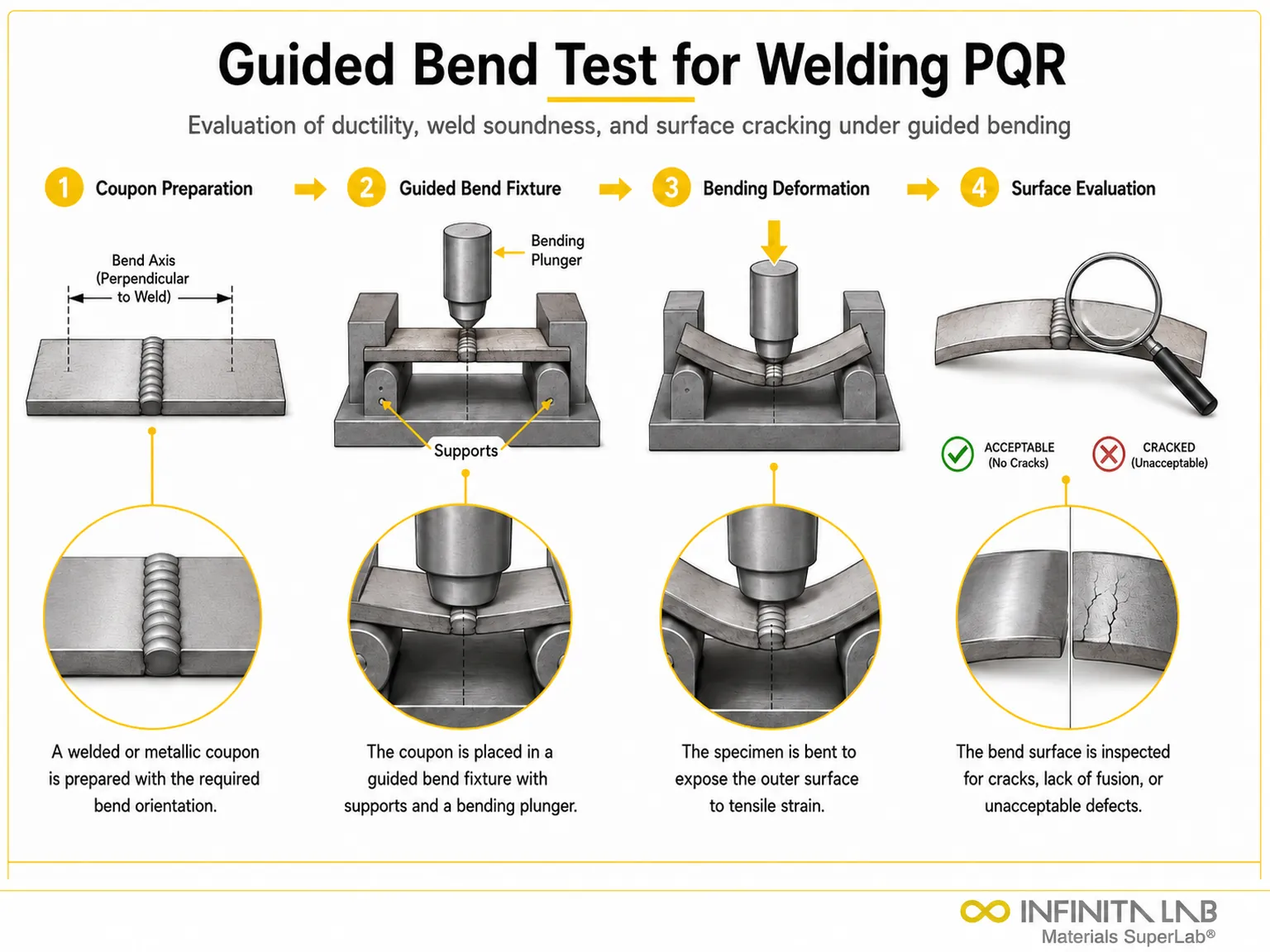
The reason a metal bends depends on the internal arrangement of its atoms, which are organized in a repeating pattern called a crystal lattice. When you push on a metal, you’re essentially forcing these rows of atoms to climb over each other.
If the force is low, the atoms just stretch their bonds and snap back, like a rubber band. However, once you pass the yield point, those rows of atoms shift to a new row, and the bonds reform in a new, permanent position.
This is why a bent piece of metal often feels weaker or harder to bend back. The act of bending creates “dislocations” within the crystal structure. These dislocations get tangled up, which actually makes the metal stiffer in the bent area, a process known as work hardening. If you try to bend it back, you’re forcing those tangled atoms to move again, which can cause the metal to become brittle and eventually crack.
This mechanism is why you can’t simply “unbend” a metal part to restore its original strength. Once the internal lattice has been permanently shifted and work-hardened, the material’s fatigue life is reduced. If you see visible cracks or deep white stress marks on a bend, the material is likely compromised and should be replaced rather than repaired.
Limits of structural recovery
What you can control
- The amount of force you apply to the object.
- The speed at which you apply the pressure.
- The temperature of the metal during the process.
- The point where you decide to stop applying force.
What is fixed by design
- The inherent yield strength of the specific alloy.
- The thickness and geometry of the metal piece.
- The internal grain structure created during manufacturing.
If a critical structural component shows signs of cracking, don’t attempt to straighten it, as professional testing is required to ensure it remains safe for use.
Habits for maintaining material integrity
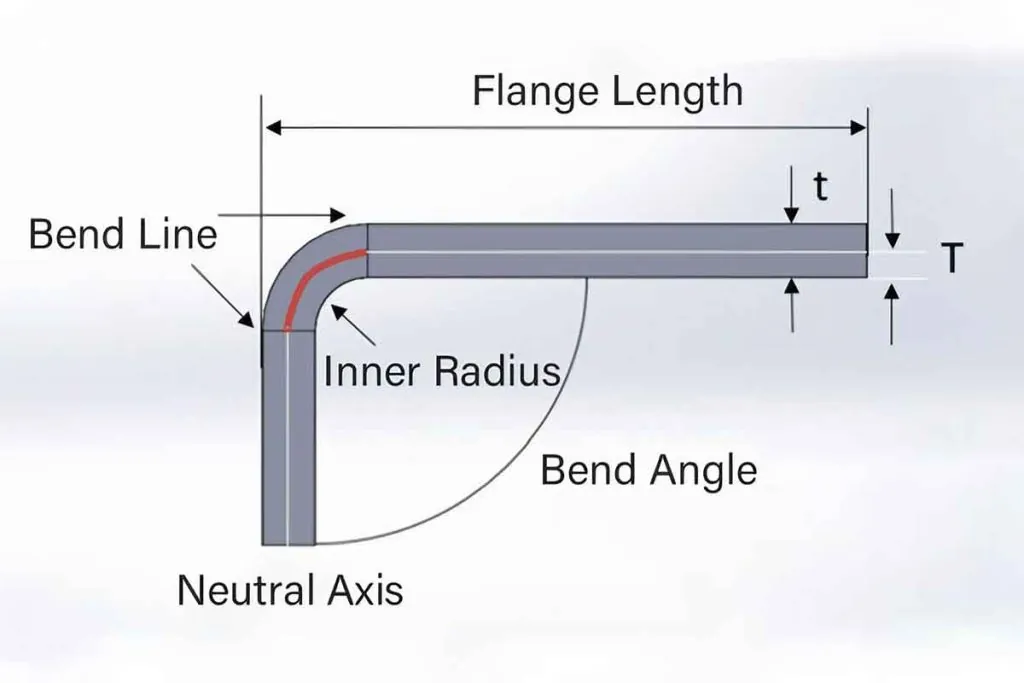
You can preserve the life of metal components by avoiding repetitive stress that pushes them toward the yield point. If you notice a metal object starting to bow or flex during normal use, it’s a sign that the load exceeds the design intent for that specific piece. Stop using the item immediately to prevent the work-hardening process from making the metal brittle.
Check for signs of “necking” or thinning on any metal support, which indicates that the material has already moved well into the plastic deformation range. If you find deep scratches or surface damage, monitor those areas closely, as they can act as starting points for cracks when the metal is under load.
Never use heat to try and “soften” a bent part unless you have the exact specifications for the alloy, as heating can permanently alter the metal’s temper and strength.
A common mistake is sanding down a corroded spot to make it look clean. This removes the remaining intact cross-section. Measure the thickness after cleaning with calipers instead. Compare it to an undamaged section of the same component.
If the cleaned area is more than ten percent thinner, replace the part entirely. Surface treatments like paint or oil can’t restore lost structural mass.
Store spare metal parts away from dissimilar metals in your workshop. Direct contact between aluminum and steel in a humid room causes galvanic corrosion. Keep them separated by an insulating barrier or non-conductive material.
Related guides
- How Hardeners Work: The Science of Curing Resin Explained
- The Science of Boiling Heat Transfer: How It Cools Surfaces
- Is Oxygen Flammable: The Science Behind Combustion Explained
Frequently asked questions
Can you safely unbend a piece of metal?
No, you can’t safely unbend metal because the internal crystal structure has been permanently altered and work-hardened. Once the yield point is crossed, the material loses its original structural integrity, and attempting to reverse the bend often introduces microscopic cracks that lead to sudden failure later.
How long does it take for metal to bend?
The bending process happens almost instantly, taking only milliseconds once the applied force exceeds the material’s yield strength. The speed is determined entirely by the rate at which you apply the external load, but the physical change in the atomic lattice occurs as soon as the threshold is crossed.
Is it safe to use bent metal parts?
No, it isn’t safe to use bent metal parts because the structural capacity of the material is compromised. A bent part is significantly more likely to fail under load than a straight one, and the risk of sudden fracture increases as the metal becomes more brittle during the deformation process.
What happens if I keep bending the same spot?
The metal will become increasingly brittle and eventually fracture because the dislocations within its crystal structure become too tangled to move further. This phenomenon, known as work hardening, makes the metal harder to move but much more prone to snapping or cracking under standard operating conditions.
Does the type of metal matter?
Yes, the specific alloy determines the yield strength and how much the metal can deform before it reaches the fracture point. You can find the specific limits for your material by checking the manufacturer’s technical data sheet or the material certification documentation that came with the product.
Why do some metals snap instead of bending?
Brittle metals snap because their internal atomic structure doesn’t allow for the movement of dislocations, which prevents the material from absorbing energy through plastic deformation. If the atoms can’t slide past each other, the stress accumulates until the bonds simply break apart, resulting in a clean snap rather than a bend.
Conclusion
Next time you see a bent paperclip, remember those sliding atoms at work. You’ll appreciate how this unique trait lets us shape metal into everything from cars to jewelry. So go ahead and try bending a soft wire yourself; it’s a simple way to feel science in your hands.
