
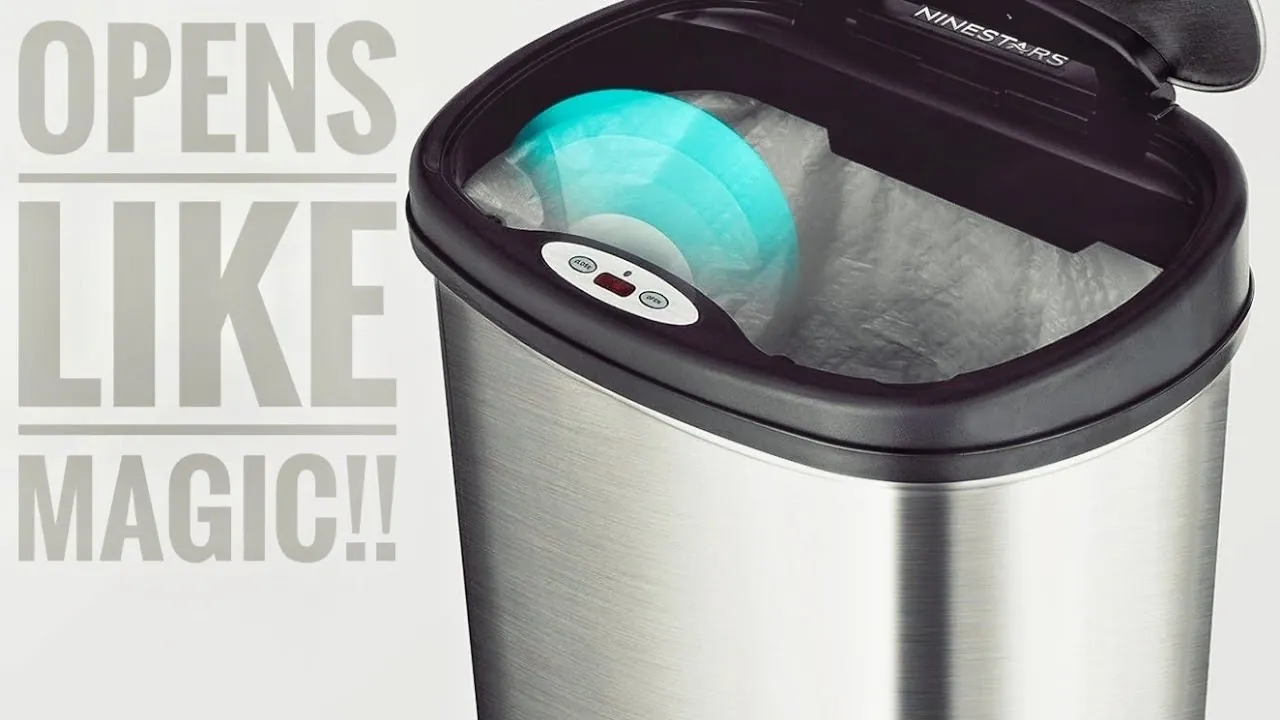
Low battery power is the most common reason for a nineStars trash can lid not working, accounting for the vast majority of cases where the sensor fails to react. You can fix this quickly by replacing the old batteries with a fresh set of high-quality alkaline cells. If the lid still doesn’t open after you swap the batteries, the issue may involve a dirty sensor or a mechanical jam. Always check the battery compartment for signs of corrosion or leakage before installing new power cells.
Why your NineStars trash can lid stops working
| Cause | How common | How to confirm it | Fix it yourself? |
|---|---|---|---|
| Dead batteries | Very common | Check battery indicator light | Yes |
| Dirty sensor | Common | Wipe with dry cloth | Yes |
| Misaligned lid | Occasional | Check hinge and rim | Yes |
| Internal obstruction | Occasional | Clear debris from hinge | Yes |
| Motor failure | Rare | Listen for motor sound | No |
| Board failure | Rare | No response to reset | No |
Battery failure often stems from oxidation on the contact points rather than a drained charge. If your indicator light flickers or remains dim despite fresh cells, use a pencil eraser to scrub the metal terminals until they shine. This simple step restores connectivity that prevents the lid from drawing power.
Sensors frequently fail when moisture or dust clouds the infrared lens. If the lid remains open or refuses to trigger, dampen a cotton swab with isopropyl alcohol to clear the eye. Don’t use water, as it can seep into the housing and trigger a short circuit.
Misalignment occurs most often after the bin is emptied forcefully. Check the hinge pins for gaps; if one side sits higher than the other, the lid will fail to register the closed position.
If you hear a high-pitched whine but the lid doesn’t move, the motor gear is likely stripped. Avoid forcing the lid manually, as this snaps the plastic teeth inside the drive assembly. If the unit remains dead after a hard reset, the control board has likely suffered a surge. Replace the entire lid unit in these cases.
Replacing the batteries to restore power
Weak or depleted batteries are the primary cause of a non-responsive lid. When the voltage drops below the level required to trigger the motor, the sensor light will often blink red or stop illuminating entirely.
You should remove the battery cover located on the underside of the lid or the back of the unit. Inspect the metal contacts for white or green powdery residue, which indicates that old batteries have leaked. If you see this corrosion, wipe it away with a dry cloth before inserting new ones. Leaving even a small amount of residue prevents the new batteries from making a clean electrical connection, which will cause the unit to fail.
Always use a full set of fresh, identical alkaline batteries to ensure the motor receives steady power. Mixing old and new batteries or using different brands causes uneven voltage, which leads the lid to open slowly or stop halfway through its cycle. If you’re using rechargeable batteries, note that they often have a lower starting voltage than standard alkaline cells and may trigger a false “low battery” warning even when fully charged.
Once you install the new batteries, turn the power switch to the “on” position and wave your hand over the sensor window. If the lid opens, the problem is resolved. If the unit remains silent or the motor makes a grinding noise, the issue isn’t the power supply. In these cases, the internal gear assembly is likely jammed or stripped, requiring a manual reset of the lid hinge.
Cleaning the sensor for better detection
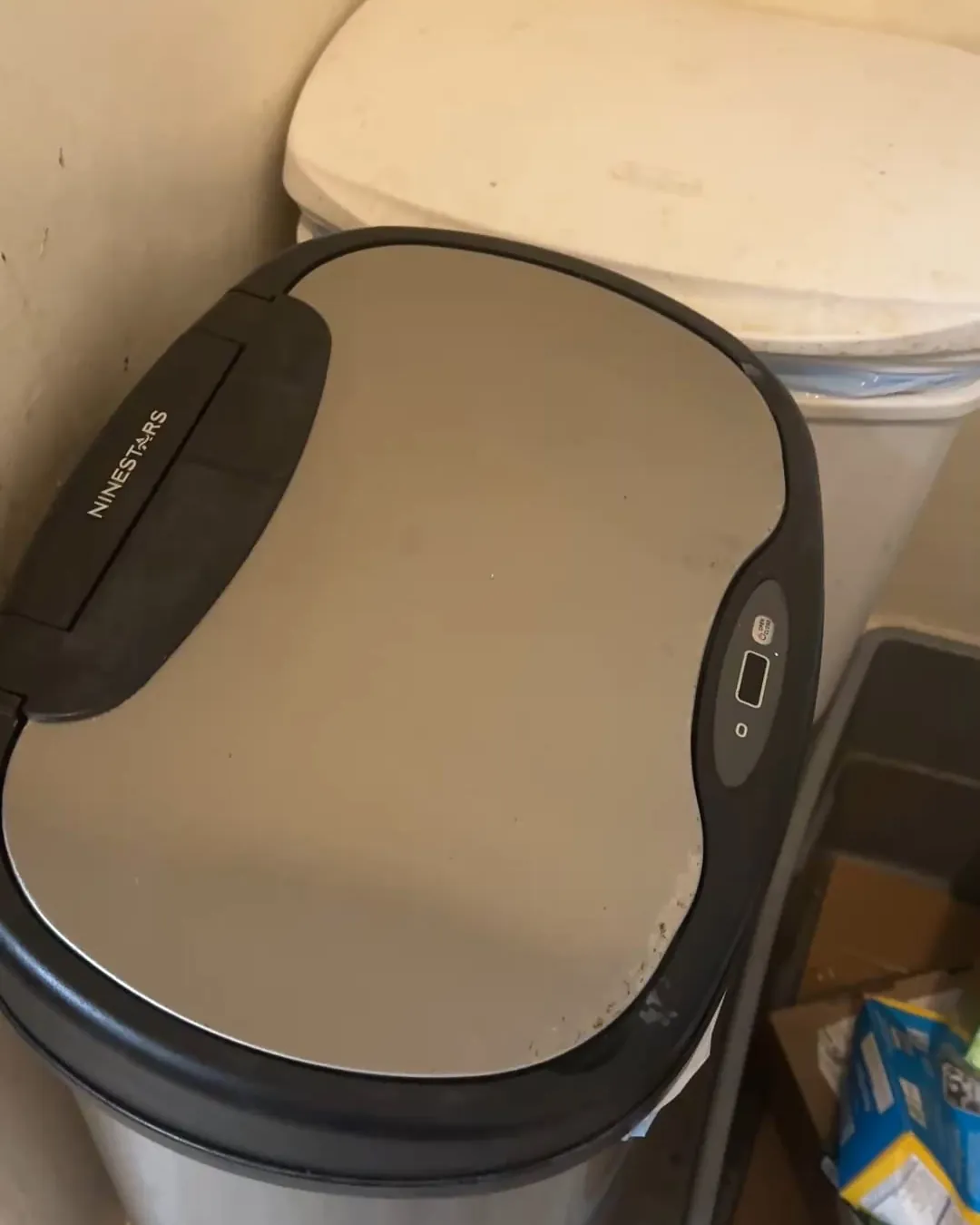
A dirty or blocked sensor window often prevents the infrared beam from bouncing back, causing the lid to stay closed. Dust, grease, or water spots accumulate on the lens during daily kitchen use. You can easily test this by taking a dry, lint-free microfiber cloth and gently wiping the sensor area on the front of the lid. Ensure the area is completely free of debris before trying to trigger the lid again.
If the sensor fails to respond after cleaning, check for a faint blinking red light. A steady red light indicates the sensor is active but blocked, while no light suggests a power issue. If you see a blinking light but the lid remains shut, the sensor is likely misaligned or damaged.
Avoid using harsh chemical sprays or abrasive cleaners on the sensor window. If liquid enters the housing, it can damage the internal electronics and cause permanent failure. Never spray cleaner directly onto the sensor; always apply it to the cloth first.
If you notice a stubborn film of grease, use a cloth dampened only with water, then dry it immediately. If the lid still fails to open after a thorough cleaning, the sensor itself may have a fault. In these cases, verify that the battery contacts are free of corrosion before assuming the sensor is broken. If the contacts are clean and the sensor remains unresponsive, the unit requires professional repair or a replacement lid assembly.
Checking for physical obstructions
Physical misalignment or debris can prevent the lid from moving even if the motor is receiving power. Look closely at the hinge mechanism at the back of the trash can to ensure no pieces of trash, food, or plastic bag material are stuck in the gears. If the bag is overfilled, the pressure against the lid can also prevent the motor from lifting the weight. Remove the trash bag and check if the lid operates freely without any load.
If the lid is physically bent or the hinge pins are loose, the motor will struggle to complete the opening sequence. You should check that the lid is snapped securely onto the rim of the can. If the lid feels loose or wobbles when you try to open it manually, the plastic housing may be damaged. In these cases, the motor is likely fine, but the physical structure of the lid prevents it from moving.
If the mechanism feels stiff or blocked despite no visible debris, don’t force the lid open, as this can strip the plastic gears inside the motor housing. Test for internal resistance by gently lifting the lid by hand. If you feel a gritty, grinding sensation, debris has likely migrated inside the sealed gear box.
If the lid moves smoothly but stops abruptly at a specific angle, look for a hairline crack in the hinge arm. A crack causes the arm to flex under pressure, forcing the gears out of alignment. Replace the lid assembly immediately if you spot this structural failure.
Rare issues and professional repair
Motor burnout often manifests as a faint, repetitive clicking sound while the lid remains frozen. If you hear this rhythmic ticking but see no movement, the internal motor has likely seized or stripped its gears.
A complete lack of reaction to fresh batteries usually points to a failure in the main control board. Before assuming the board is dead, have a technician verify that the battery contacts are delivering power. If the power is present at the terminals but the unit remains unresponsive, the logic gate has failed.
The infrared sensor unit may shift inside the casing due to impact or thermal expansion. If the lid opens randomly or refuses to close, check for a loose sensor housing.
If your unit is still under warranty, contact the company before touching a screwdriver. Opening the sealed housing breaks the factory security seal, which immediately voids your coverage. Many manufacturers track these seals to deny claims for simple motor replacements.
If you’re out of warranty, weigh the cost of professional labor against a replacement. Most local appliance repair shops charge a flat diagnostic fee that often exceeds 50% of the unit’s original retail price. If the repair quote nears that threshold, replace the device rather than attempting a complex board-level solder.
What a repair typically requires
Fixing a sensor trash can usually involves either simple maintenance or a full replacement of the lid assembly. Most common issues like battery replacement or cleaning take only a few minutes and require no tools at all. If the problem is a physical obstruction, you might need a small screwdriver to clear debris from the hinge area, but this is rare. The time investment for these tasks is minimal, often taking less time than changing a lightbulb.
When the motor or the electronic sensor board fails, the cost of a professional repair often exceeds the price of buying a new lid assembly. You can check the manufacturer’s website to see if they sell replacement lids separately for your specific model number.
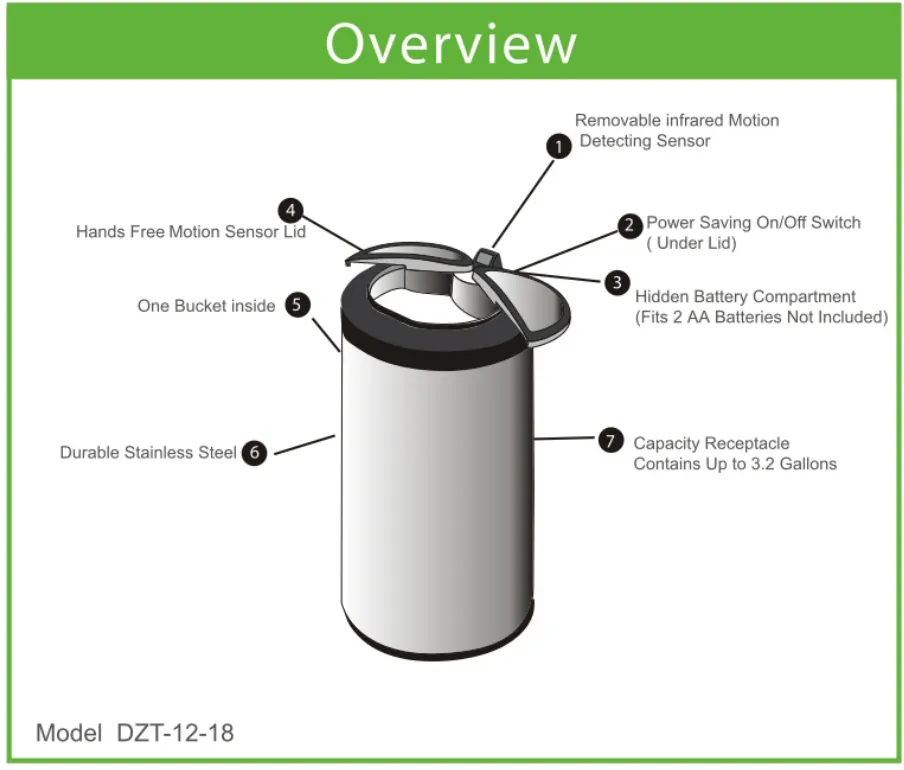
This is often more cost-effective than hiring a technician to perform internal work. Before ordering parts, verify your model number, which is typically printed on a sticker inside the battery compartment or on the underside of the lid.
Related guides
Frequently Asked Questions
Why is my lid opening and closing randomly?
The sensor is likely detecting an object nearby or is affected by bright light. Move the trash can away from direct sunlight or reflective surfaces, as these can trigger the infrared beam and cause the lid to act erratically.
How long should the batteries last?
A standard set of alkaline batteries typically lasts 6 to 12 months, depending on the frequency of use and the quality of the batteries. If you use the trash can in a high-traffic area, expect to replace them toward the shorter end of that range.
Is it safe to use a wet cloth to clean the lid?
It’s safe to use a slightly damp cloth, but you must avoid getting water inside the sensor window or the battery compartment. Always dry the area immediately after wiping to prevent moisture from seeping into the electronic components.
What happens if I put the batteries in backward?
The lid will simply not function because the circuit won’t be complete. Remove the batteries, check the polarity markings inside the compartment, and reinsert them in the correct direction.
Does the type of trash bag matter?
The bag shouldn’t hang over the sensor area or obstruct the hinge. Ensure the bag is tucked neatly inside the rim, as excess plastic can interfere with the sensor or the lid’s ability to close fully.
Can I repair the motor myself?
You shouldn’t attempt to repair the motor or the circuit board yourself. These components are sealed to protect the electronics, and opening the housing can lead to injury or cause permanent damage that isn’t covered by the manufacturer’s warranty.
Conclusion
If these simple adjustments don’t get the lid moving again, you shouldn’t hesitate to reach out to the manufacturer’s support team. They’ll help you determine if your unit is still covered under warranty. It’s better to ask for a replacement part than to keep struggling with a broken sensor every day.
