
Oxygen isn’t flammable itself, but it acts as a powerful oxidizer that dramatically accelerates the combustion of other materials. While many people mistakenly believe that oxygen catches fire, it’s actually a chemical catalyst that allows fuel to burn much more intensely and rapidly than it would in normal atmospheric conditions. Understanding this distinction is vital for safety, especially when handling compressed gas cylinders or working in industrial environments where oxygen enrichment can turn everyday objects into severe fire hazards.
Key Takeaways

- Oxygen doesn’t burn on its own; it supports and intensifies the combustion of other substances.
- Materials that are normally difficult to ignite, such as steel or heavy grease, can become highly flammable in oxygen-enriched air.
- Never use oil, grease, or lubricants on oxygen valves or regulators, as these can spontaneously ignite.
- Maintain a safe distance from oxygen sources when using open flames or heating equipment.
- Proper ventilation is essential to prevent the buildup of oxygen in enclosed spaces.
The Science Behind Combustion
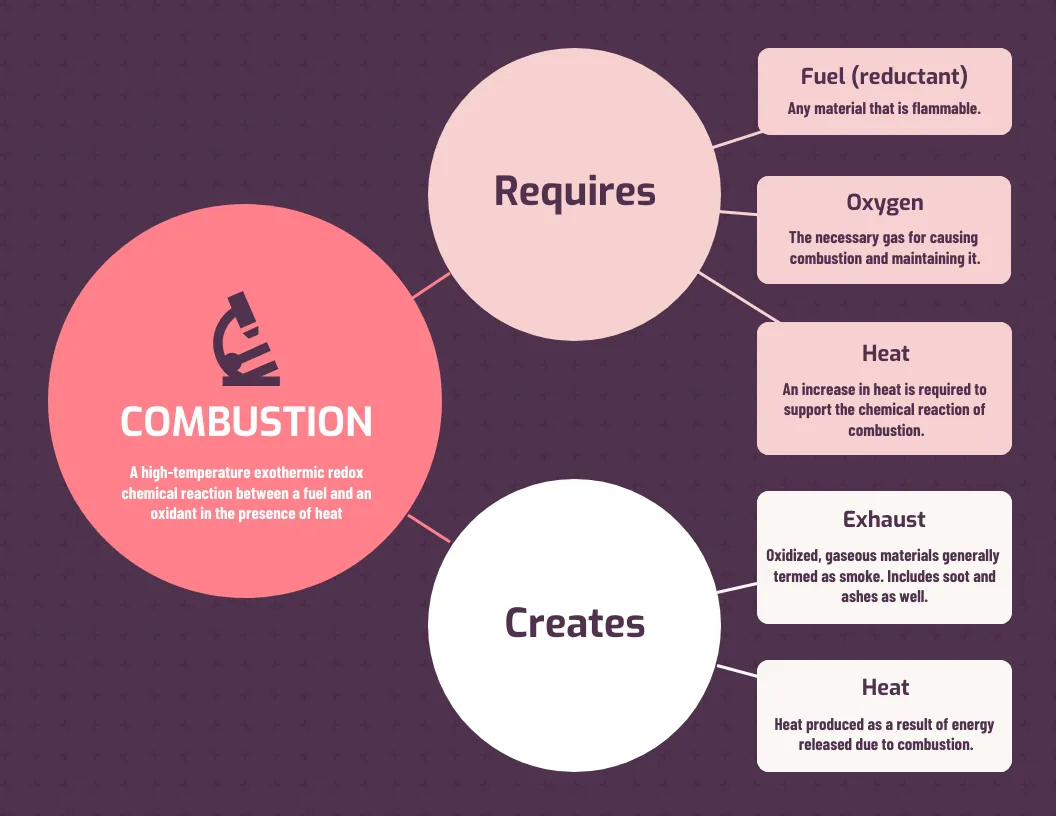
Combustion is a chemical reaction—specifically an oxidation process—that releases energy in the form of heat and light. For a fire to occur, you need three components: fuel, heat, and an oxidizing agent. In our daily lives, the oxygen in the air acts as that oxidizer. When you add more oxygen to a system, you’re essentially providing more “fuel” for the chemical reaction, which causes the flame to burn hotter and faster.
The Role of Oxidizers
An oxidizer is a substance that gains electrons during a chemical reaction. In the context of fire, oxygen pulls electrons from the fuel source, breaking down the chemical bonds of the fuel and releasing the energy stored within them. Because oxygen is chemically eager to accept these electrons, it makes the process of combustion much easier to initiate and maintain. This is why a simple candle flame grows significantly brighter and larger when exposed to a pure stream of oxygen.
Is Oxygen Flammable or Combustible?
The technical answer is that oxygen is neither flammable nor combustible. Flammability refers to the ability of a substance to burn in air, while combustibility refers to the ability to burn in general. Since oxygen is the agent that facilitates the burning of other things, it can’t be classified as fuel itself. If you were to hold a match to pure oxygen, the match would burn much faster, but the oxygen wouldn’t ignite.
| Property | Description |
|---|---|
| Flammable | Substances that ignite easily (e.g., gasoline, propane) |
| Combustible | Substances that can burn under specific conditions |
| Oxidizer | Substance that enables combustion (e.g., oxygen, chlorine) |
The Danger of Oxygen Enrichment
The real danger occurs when oxygen concentrations exceed the standard atmospheric level of approximately 21 percent. In an oxygen-enriched environment, the ignition temperature of common materials drops significantly. This means that items that are normally fire-resistant or slow-burning can suddenly become extremely dangerous. Clothing, hair, and even certain metals can ignite with very little provocation in these environments.
Why Enrichment Is Hazardous
When the concentration of oxygen increases, the rate at which fuel molecules collide with oxygen molecules increases, leading to a much faster reaction rate. This can cause a small smoldering fire to erupt into a massive blaze in seconds. This makes it critical to ensure that oxygen equipment is kept in well-ventilated areas where gas can’t accumulate.
Materials That Become Highly Flammable
It’s a common misconception that only wood or paper burns. In the presence of pure oxygen, almost anything can become a fuel source. This includes materials typically thought of as fireproof, such as certain types of plastics, specialized rubbers, and even metal piping if the oxygen pressure is high enough.
- Petroleum-based lubricants: These are notorious for reacting violently with oxygen and must never be used near oxygen systems.
- Synthetic fabrics: Many modern textiles burn extremely fast when saturated with oxygen.
- Oily rags: Even a small amount of oil on a cloth can lead to spontaneous combustion in an oxygen-rich environment.
- Rubber seals: Certain types of rubber can degrade and ignite when exposed to high-pressure oxygen streams.
Safe Handling of Oxygen Equipment
To maintain safety, you must treat oxygen equipment with extreme caution. This begins with the storage of cylinders and extends to the maintenance of regulators and delivery systems. Always ensure that your gear is rated for oxygen service and that it remains free from contaminants that could serve as fuel.
Best Practices for Storage
Always store oxygen cylinders upright and secured with chains or straps to prevent them from falling. Keep them away from heat sources, electrical panels, and areas where combustible materials are stored. If a cylinder is damaged or leaking, isolate the area immediately and contact your gas supplier.
| Action | Safety Rationale |
|---|---|
| Secure Cylinders | Prevents physical damage and valve breakage |
| Keep Area Clean | Eliminates potential fuel sources for oxidation |
| Use Rated Equipment | Ensures components won’t react with pure oxygen |
| Proper Ventilation | Prevents oxygen enrichment in the air |
Preventing Accidental Ignition
Warning: Never use oil or grease on any part of an oxygen system, including valves, gauges, or threads. Even a microscopic amount of oil can react with high-pressure oxygen to cause an explosion. Always use oxygen-compatible lubricants which are specifically formulated to be chemically inert when exposed to high concentrations of oxygen.
Maintenance Tips
Regularly inspect your hoses and connections for signs of wear or cracking. If you notice a hissing sound, take the equipment out of service immediately. Never attempt to repair an oxygen regulator yourself unless you’re a certified technician with the proper training and tools.
Oxygen in Industrial Applications
In industrial settings, oxygen is used for welding, cutting, and chemical synthesis. Because these processes involve high heat and high concentrations of oxygen, the risk of fire is inherently higher. Safety protocols in these environments usually require strict separation of oxygen tanks from fuel gases like acetylene.
Why Separation Matters
If oxygen and fuel gases mix accidentally, the resulting mixture is extremely unstable. A single spark can lead to a catastrophic explosion. This is why industrial facilities use flash arrestors—safety devices that prevent a flame from traveling back into the cylinder and causing a rupture.
Frequently Asked Questions
Can oxygen explode on its own?
No, pure oxygen can’t explode by itself. An explosion requires both a fuel source and an oxidizer. Oxygen acts as the oxidizer, but without a fuel to burn, it remains stable. However, if oxygen is mixed with a fuel gas in a confined space, the resulting mixture can be highly explosive and dangerous.
Is it safe to smoke near oxygen?
Absolutely not. Smoking near an oxygen source is one of the most common causes of preventable fires. The presence of a lit cigarette provides the heat source necessary to ignite clothing or other materials that may have become enriched with oxygen. Even if the oxygen is being used for medical purposes, you must maintain a strict distance from any open flame or heat source.
Does oxygen make fires burn faster?
Yes, oxygen significantly increases the rate of combustion. Because fire is an oxidation reaction, increasing the concentration of oxygen provides more “fuel” for the chemical process to occur. This leads to hotter flames, faster burning of materials, and a much higher difficulty in extinguishing the fire compared to a fire burning in normal atmospheric air.
Can I use WD-40 on an oxygen tank?
Never use WD-40 or any other standard lubricant on an oxygen tank or regulator. These products are petroleum-based and highly reactive when exposed to oxygen. They can cause spontaneous ignition or an explosion. Only use lubricants that are explicitly labeled as oxygen-compatible and approved by the manufacturer of your specific equipment.
How do I know if an area is oxygen-enriched?
You can’t smell or see oxygen, which makes it a deceptive hazard. In industrial settings, oxygen monitors are used to detect levels above 23.5 percent. If you’re using oxygen equipment at home, ensure the room is well-ventilated and never leave the system running unattended. If you feel the air is “heavy” or if materials near the equipment seem to ignite easily, evacuate the area immediately.
Conclusion
The most important step you can take is to treat every oxygen source as a significant fire hazard, even though the gas itself doesn’t burn. By keeping your workspace clean, avoiding all petroleum-based products near oxygen equipment, and ensuring proper ventilation, you can drastically reduce the risk of an accidental fire. Always consult your equipment manufacturer’s safety manual for specific handling instructions and storage requirements.
