
A caprolactone is a cyclic ester molecule known as epsilon-caprolactone that serves as a primary building block for creating biodegradable polymers. It’s used to manufacture specialized plastics, resins, and medical materials that break down naturally over time. Its performance depends on the molecular weight of the final polymer, which determines whether the material remains rigid or becomes flexible for specific industrial or medical tasks.
What caprolactone is and how it’s used
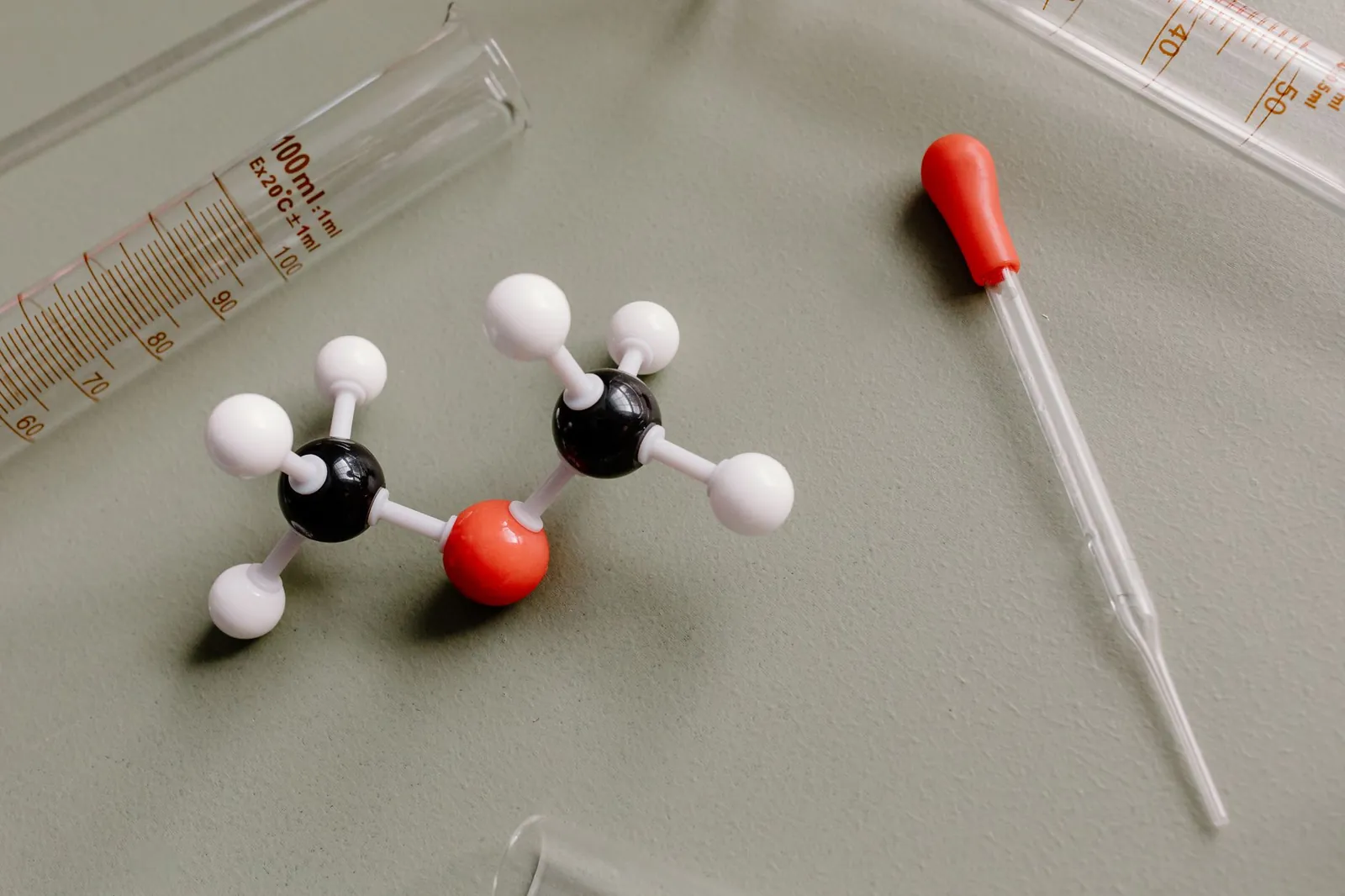
This chemical compound belongs to the lactone family and is synthesized through the oxidation of cyclohexanone. Because of its unique ring structure, it can be opened and linked to other molecules to form long chains known as polyesters. These materials are valued because they’re compatible with living tissue and degrade through hydrolysis.
Industries prioritize this material when they need a plastic that disappears after its job is finished. If you need a permanent material, you should choose a different polymer; if you need one that dissolves in the body or composts, this is the standard choice.
The degradation rate depends entirely on the molecular weight of the chain. Low-weight variants break down in weeks, while high-weight versions can persist for over a year. If your application requires structural integrity for more than six months, select a high-viscosity grade to avoid premature failure.
A common mistake is assuming that all lactone-based polymers react the same way to moisture. In high-humidity environments, the material begins to lose tensile strength long before it visibly erodes. If your storage facility lacks climate control, you risk compromising the batch before it even enters production. Always verify the glass transition temperature in the technical data sheets to ensure the material remains stable under your specific processing heat.
When the material properties change
The behavior of the polymer shifts depending on the environment and the additives used during manufacturing.
| Condition | Change in behavior | Alternative approach |
|---|---|---|
| High temperature | Becomes soft and sticky | Use cross-linked versions |
| Acidic environment | Faster degradation rate | Use stable synthetic resins |
| High moisture | Faster chemical breakdown | Use hydrophobic surface coatings |
| Low molecular weight | Becomes liquid or wax | Increase chain polymerization |
| High purity requirement | Used in medical implants | Use medical-grade sterilization |
If the material softens under heat, check the glass transition temperature. If your operating environment exceeds this threshold by even five degrees, the polymer will lose structural integrity and deform under load.
When dealing with acidic exposure, monitor the pH level closely. Polymers with ester linkages suffer rapid hydrolysis in environments below pH 4. If you see surface pitting or whitening, switch immediately to fluorinated resins to prevent catastrophic failure.
Most engineers mistake moisture absorption for simple surface dampness. In reality, water molecules act as plasticizers that expand the polymer matrix. If your part gains more than 2% in mass after 24 hours of submersion, the material is unsuitable for high-precision mechanical assemblies.
For medical applications, ensure the sterilization process doesn’t cross-link the chains prematurely. Gamma radiation often triggers unintended embrittlement, which causes micro-cracks during implantation. If you detect a shift in tensile strength exceeding 10% post-sterilization, switch to ethylene oxide gas methods.
How to use caprolactone safely
Wear nitrile gloves and safety goggles when handling the liquid monomer. Direct contact causes immediate chemical irritation, but the greater danger is absorption through the skin. If you spill even a small amount, flush the area with water for fifteen minutes and seek medical attention immediately.
Store the material in a cool, dry place away from sunlight. UV exposure triggers premature polymerization, which turns your liquid monomer into a useless, solidified mass within the storage bottle.
Use a controlled heating vessel to melt the monomer. Keep the temperature below 100 degrees Celsius. Exceeding this threshold releases volatile organic compounds that irritate the respiratory tract. If you smell a sharp, acrid odor, you have overheated the batch and must vent the room immediately.
Add a catalyst, such as stannous octoate, in concentrations of 0.1% by weight. Use a precision scale accurate to the milligram. Adding too much catalyst creates an exothermic reaction that can crack your mold, while too little results in a tacky, incomplete cure.
Monitor the viscosity continuously. If the mixture resists the stir rod, the reaction is approaching its target molecular weight. Cast the material into your mold while it remains molten. Allow it to cool slowly to ensure even density.
Verify the final hardness using a durometer gauge after 24 hours. If the reading is lower than your target, the mold was likely too cold during the pour. To fix this, preheat your mold to 40 degrees Celsius next time to prevent the outer layer from freezing prematurely.
Mistakes that ruin the outcome

Leaving the container lid open allows moisture to enter, which ruins the chemical balance needed for polymerization. If your ambient humidity exceeds 50 percent, you must work within a sealed glove box to prevent the material from turning tacky or failing to set entirely.
Using an uncalibrated heat source leads to uneven melting, resulting in brittle sections that crack under light pressure. Always verify your surface temperature with an infrared thermometer rather than relying on dial settings. A variance of even five degrees creates internal stress fractures that remain invisible until the piece is under load.
Skipping the filtration step leaves small impurities in the mix that create weak points in the finished plastic. Use a 200-micron mesh filter to catch microscopic debris before pouring. Failing to do this forces you to discard the entire batch once a single structural void appears.
Adding too much catalyst makes the reaction run too fast, trapping air bubbles that weaken the final structural integrity. If the mixture begins to steam, you have already compromised the bond. Stop immediately and adjust your ratio downward by a fraction of the original concentration.
Related guides
Frequently asked questions
Is caprolactone safe for human skin?
It’s generally considered a skin irritant, so you should avoid direct contact without protective gloves. If the material touches your skin, wash the area immediately with soap and water to prevent redness or localized irritation.
How long does it take to biodegrade?
The time varies from a few months to several years depending on the environmental conditions and the specific polymer structure. You can check the manufacturer’s technical specifications for the expected degradation rate in compostable or biological environments.
What happens if I overheat the monomer?
Overheating causes the material to darken and release fumes, which ruins the clarity and quality of the final product. You should always use a thermostatic heater to ensure the temperature stays within the range specified in the safety data sheet.
Can this material be recycled?
It’s technically recyclable through chemical processes that break it back down into its original monomers. However, most facilities don’t process it, so it’s usually treated as a compostable material rather than a standard recyclable plastic.
Does it matter if the storage area is humid?
High humidity matters because moisture triggers the premature degradation of the molecules before you’re ready to use them. Keep the storage container sealed tightly with a desiccant pack to ensure the material stays dry until the moment you need it.
How do I measure the viscosity?
You measure it using a standard viscometer at a set temperature, usually 25 degrees Celsius, to ensure the batch meets your consistency requirements. The correct viscosity reading depends on the specific grade of the polymer you’re currently using for your project.
Is it flammable?
It’s a combustible liquid, so you must keep it away from open flames and high-heat sources during storage and processing. Always ensure your workspace has proper ventilation to prevent the buildup of vapors that could ignite if a spark occurs.
Conclusion
The versatility of this compound makes it a pillar of modern material science, especially in fields requiring temporary structural support. By controlling the polymerization conditions, you can tailor the final material to suit everything from flexible packaging to internal medical devices. Always follow the safety guidelines provided by your specific supplier to ensure the best results and a safe working environment.
