
A mechanical workshop is a facility where technicians repair, maintain, and build machines using tools like lathes, presses, and welding gear. It handles everything from car engines to industrial pumps. If you’re bringing in a personal vehicle for an oil change, a local garage fits the bill; if you need a custom steel bracket machined for a factory line, you’ll need a dedicated fabrication shop instead.
The one thing that decides whether a visit goes well or badly is matching your specific job to the shop’s actual equipment. A place built for engine rebuilds doesn’t have the CNC milling machines needed to cut a precision metal part. Sending a task to the wrong type of bay wastes both your time and money.
People often walk into the first open bay they see without checking what tools are actually on the floor. That habit leads to paying for outsourced work at a markup, or getting a rushed fix done on the wrong machine. You can check a shop’s capabilities by looking at their equipment list before you book anything.
Selecting the best mechanical workshop
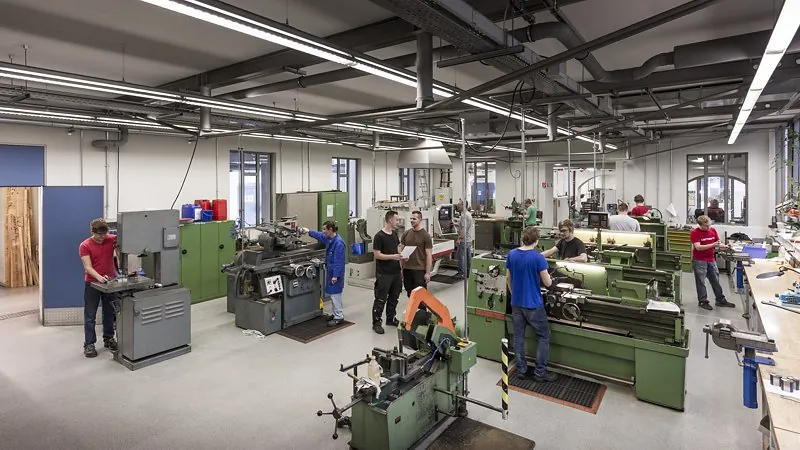
Finding the correct bay starts with knowing exactly what your machine needs. Different shops hold different tools, and a mismatch costs you extra days waiting for parts to be sent out. The process below keeps your project moving without unnecessary delays.
- Identify the exact task your machine requires, such as brake replacement, engine rebuilding, or custom metal cutting. Write down the make, model, and year of the equipment so the technician knows which parts fit.
- Match that task to the correct type of shop. Auto garages handle vehicles, while fabrication bays handle raw metal shaping. If your job involves high-voltage electrical systems or pressurized gas lines, stop here and contact a licensed specialist, as working on those without proper training risks severe injury.
- Check the shop’s equipment list before calling. A proper fabrication bay needs lathes, drill presses, and welders. An auto garage needs diagnostic scanners and hydraulic lifts. Don’t guess based on the sign outside.
- Ask about the lead time for your specific job when you call. A standard brake pad swap might take two hours, but machining a custom gear takes days. Always state your machine’s size, because a heavy-duty truck needs a bigger lift than a sedan.
- Get a written estimate that separates labor hours from material costs. This stops surprise charges later.
Tip: Skipping step 3 means you might drop off a complex job at a shop that has to send it elsewhere. That middleman fee comes straight out of your pocket.
- Confirm the warranty terms before leaving your equipment. A good shop covers its labor for a set period after the work is finished.
| Situation | How long | What changes it | What to watch for |
|---|---|---|---|
| Standard oil change (passenger car) | 30–45 minutes | Oil type, filter location | Shop uses the viscosity grade listed in your owner’s manual |
| Brake pad replacement (axle) | 1–2 hours | Rotor condition, rust level | Caliper slides must be cleaned, not just the pads swapped |
| Engine rebuild (V8) | 3–7 days | Parts availability, machine work | Block must be measured for warping before assembly |
| Custom metal bracket (CNC) | 2–5 days | Material hardness, design complexity | Tolerances must match your blueprint exactly |
| Welding a cracked frame | 2–4 hours | Metal thickness, weld type | Frame alignment must be checked after heating |
If the clock runs past these estimates by more than half again, call the shop and ask which specific step caused the delay. Waiting silently rarely speeds things up.
Signs your mechanical repair is finished
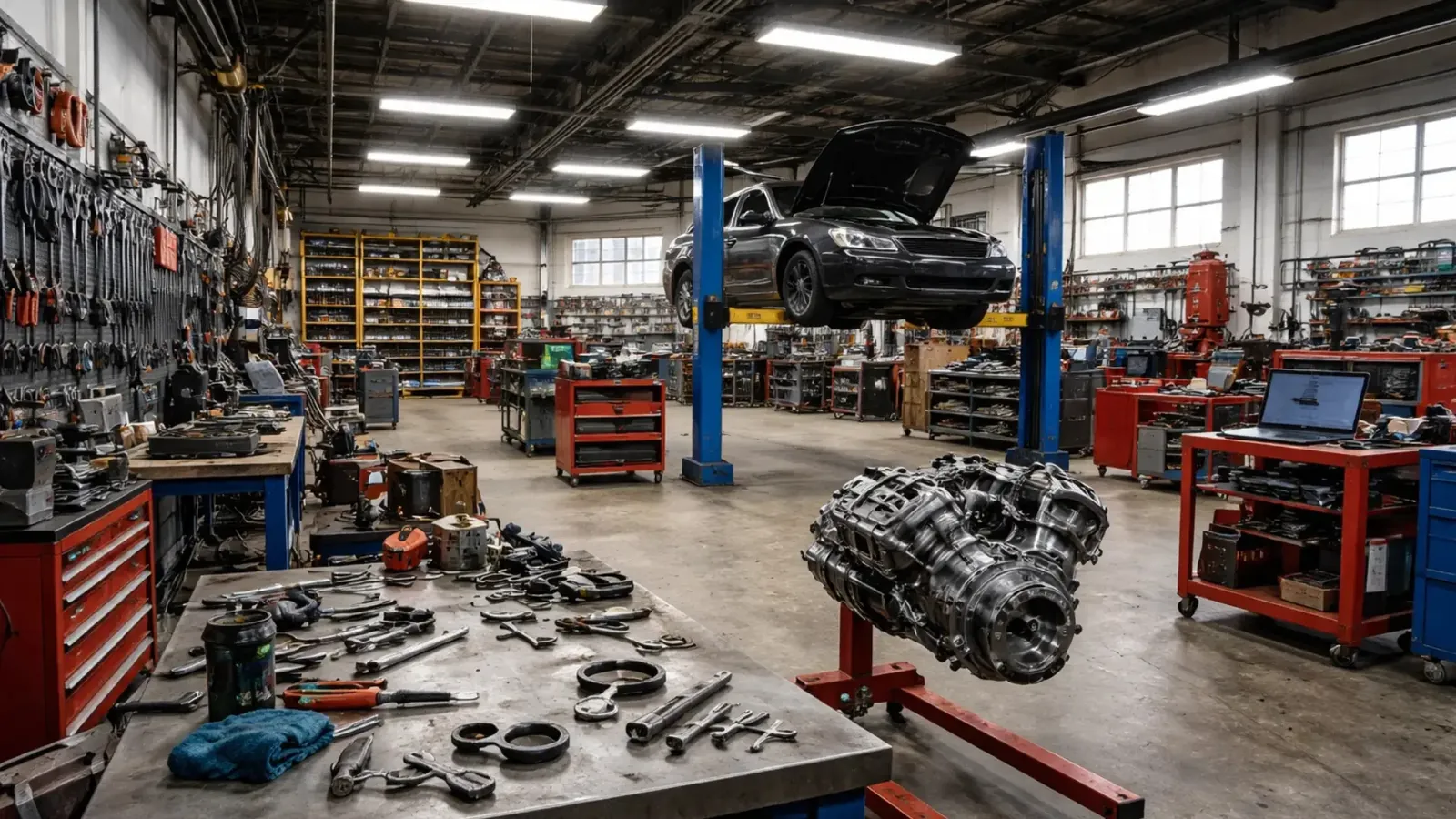
You don’t need to be a trained technician to verify the work was done correctly. The physical signs tell you if the job holds up. Listen to the machine first. A repaired engine should idle smoothly without knocking, ticking, or rattling sounds that weren’t there before. Look at the seams next. Fresh welds appear uniform and solid, without dark spots, gaps, or rough edges where the metal meets.
Smell matters too. Burning odors or strong chemical fumes mean something wasn’t sealed or cleaned properly. Feel the parts if it’s safe to touch them. Replaced belts shouldn’t feel loose, and newly fitted panels shouldn’t rattle when you tap them lightly.
When visual checks and sounds disagree, run a load test. Start the machine and let it reach normal operating temperature under light use. If it holds steady without leaking fluid or shaking, the repair is solid. For vehicle safety systems like brakes or steering, follow the testing procedures published by the National Highway Traffic Safety Administration, as guessing on those components isn’t safe.
The exact torque spec for your bolts varies by machine model, and you’ll find your exact figure on the manufacturer’s service manual.
Errors that ruin a workshop repair
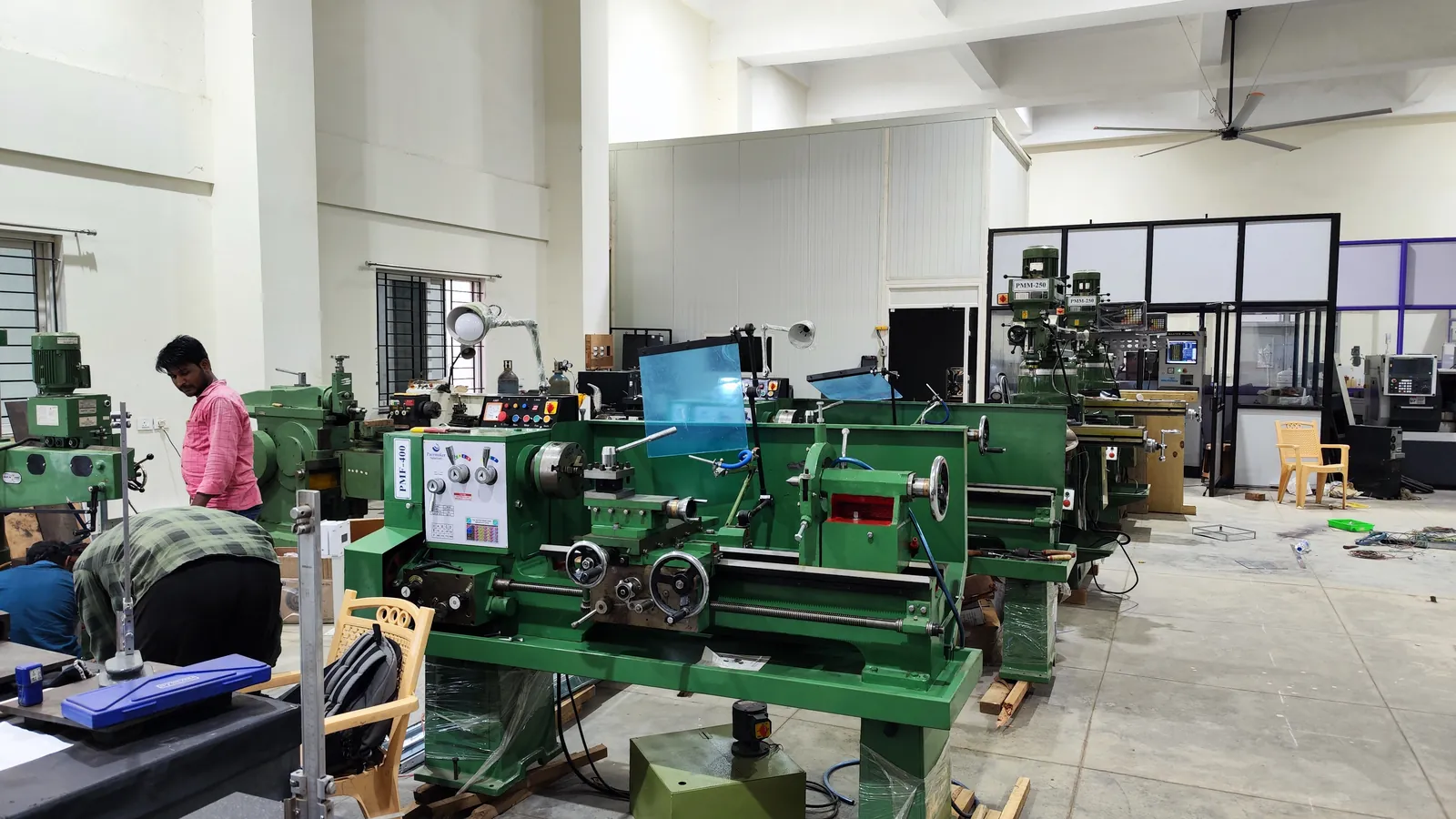
Rushing through a job without following the right steps ruins the final result. These errors cost money and sometimes damage the machine beyond fixing.
- Using the wrong lubricant. Putting standard motor oil in a gearbox designed for heavy gear oil destroys the internal bearings within weeks. Read the manufacturer’s manual and buy the exact fluid grade it specifies.
- Overtightening bolts. Cranking a bolt past its torque limit stretches the threads or cracks the housing around it. Use a calibrated torque wrench set to the number printed in the service guide, never just hand strength.
- Skipping the cleaning step. Welding over paint or bolting parts together with grit in between creates weak joints that snap under pressure. Strip the surface down to bare, clean metal before joining anything.
- Ignoring alignment marks. Putting a timing belt back on without lining up the factory marks causes engine valves to hit the pistons. Mark everything with paint before taking the old parts off.
- Mixing metal types. Bolting aluminum directly against steel in exposed or wet environments can lead to galvanic corrosion; use appropriate coatings or isolators where moisture exposure is expected. Use nylon washers or approved anti-seize compound between different metals.
Every single one of these mistakes forces a complete teardown. Doing the job twice doubles the labor cost and leaves you without your equipment for another week.
Related guides
- 10 Best Wood Workshop Heaters for Reliable Heating Solutions
- Are Mechanical Keyboards Worth the Extra Cost? The Verdict in 2026
- Chemical vs Mechanical Drain Cleaning: Which Method Is Better in 2026
Frequently asked questions
What tools are in a typical bay?
A standard setup includes hydraulic lifts, air compressors, drill presses, lathes, and welding machines. Hand tools range from socket sets to torque wrenches. The exact inventory depends on whether the space focuses on vehicle maintenance or custom metal fabrication.
Can I rent a bay for my own project?
Yes, some independent shops rent out space by the hour for DIY mechanics. Rates usually cover the lift and basic hand tools. You’ll need to bring your own replacement parts and sign a liability waiver before touching their equipment.
Why does labor cost more than parts?
Labor pays for the technician’s training, the shop’s insurance, and the upkeep of expensive machinery. A sensor that’s inexpensive relative to the alternative might take three hours to reach if it’s buried behind the engine block. You’re paying for the access time, not just the swap.
Is it safe to weld inside a closed bay?
Welding produces toxic fumes and intense UV light that require proper extraction fans and protective screens. Doing it in a closed room without ventilation risks respiratory damage. Shops must follow OSHA guidelines for indoor hot work to keep the air breathable.
How long does a full engine rebuild take?
A complete rebuild takes 3 to 7 days for a standard V8, assuming all parts are in stock. If the cylinder block needs machining or parts are backordered, it stretches longer. The timeline depends entirely on the engine size and the damage found during teardown.
What happens if a shop damages my equipment?
Licensed shops carry garage keeper’s liability insurance to cover accidental damage while your property is in their care. If something breaks during a repair, file a claim with their provider immediately. Never accept a verbal promise to “fix it later” without paperwork.
How often should I service my machine?
Service intervals depend on how hard the machine works. A daily commuter car follows the mileage schedule in its manual, while a factory press running three shifts needs weekly checks. Find your specific interval in the manufacturer’s maintenance chart rather than guessing.
Conclusion
Picking the right facility saves you from paying twice for the same job. Match your task to their tools, check their equipment list, and get the timeline in writing before handing over your keys. That simple routine keeps your project on track and your budget intact.
