
Battery electrolyte is a chemical medium that allows for the flow of ions between the cathode and anode, acting as the essential bridge that facilitates the conversion of chemical energy into electrical power. Without this substance, the internal circuit of a battery would remain broken, preventing the movement of charged particles necessary to power your devices or vehicles. By serving as a conductor of ions rather than electrons, the electrolyte ensures that the internal chemical reaction remains balanced while forcing electrical current to travel through your external device.
Key Takeaways
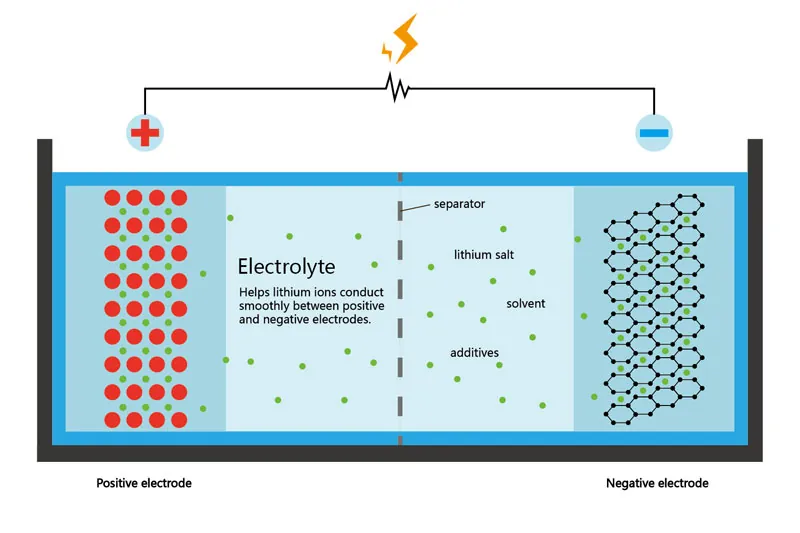
- Electrolytes are essential for ion transport, enabling the charging and discharging cycles of modern batteries.
- The type of electrolyte used—liquid, gel, or solid—defines the battery’s safety, energy density, and physical form factor.
- Improper handling of liquid electrolytes can lead to chemical burns or toxic vapor exposure, requiring strict adherence to safety protocols.
- Battery health is directly tied to electrolyte stability, as degradation leads to capacity loss or dangerous thermal runaway.
- Always inspect battery casings for leaks, as a compromised electrolyte seal renders the cell both ineffective and hazardous.
Understanding Battery Electrolyte Functionality
At its core, the electrolyte is the internal “highway” for ions within a battery. When a battery is discharging, a chemical reaction occurs at the anode, releasing electrons into the external circuit and ions into the electrolyte. The electrolyte must be conductive enough to allow these ions to migrate toward the cathode, completing the internal circuit. If the electrolyte fails to conduct these ions efficiently, the battery’s internal resistance rises, leading to a significant drop in power output.
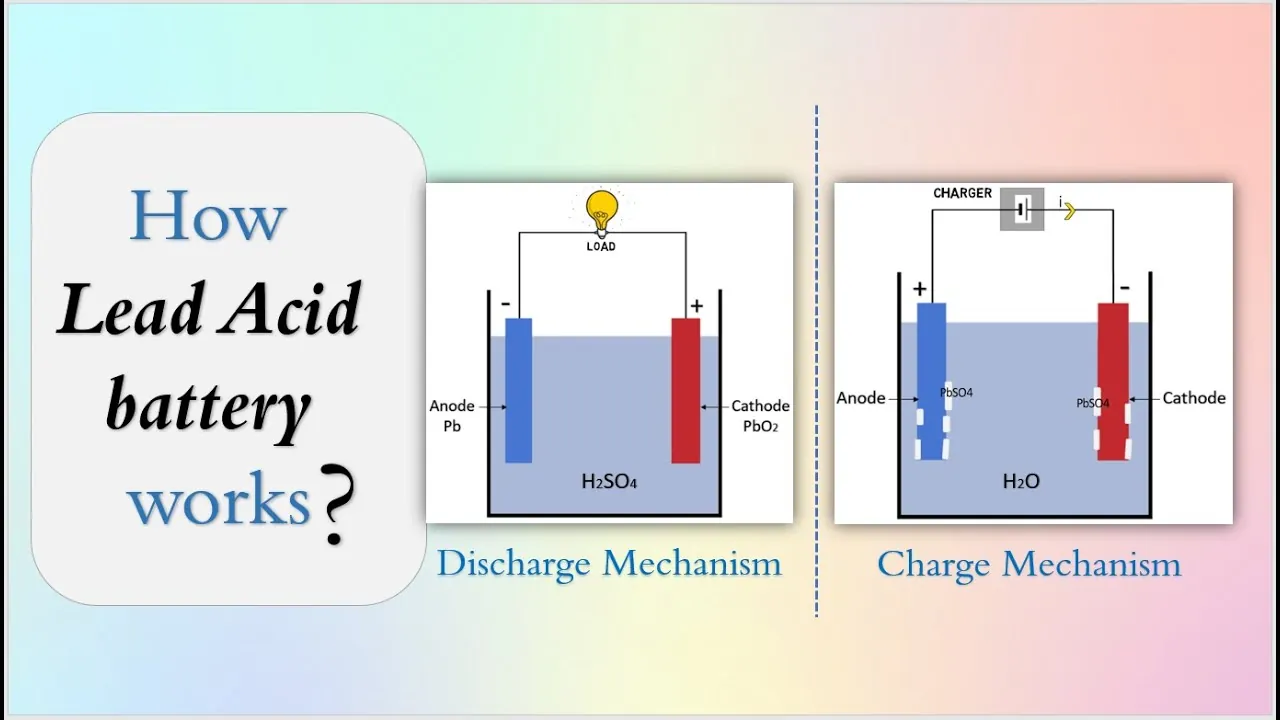
The composition of the electrolyte depends entirely on the battery chemistry. In a standard lead-acid car battery, the electrolyte is a mixture of sulfuric acid and water. In modern lithium-ion batteries found in smartphones, the electrolyte is typically a lithium salt dissolved in an organic solvent. This specific chemistry is chosen to optimize the mobility of lithium ions, which are the primary carriers of charge in these advanced energy storage systems.
What Is Battery Electrolyte Material?
The material composition varies significantly based on the intended use of the battery. Scientists select materials that exhibit high ionic conductivity while maintaining stability at the operating voltages of the cell. If an electrolyte is too reactive, it can decompose, leading to gas buildup or permanent damage to the battery electrodes.
| Battery Type | Typical Electrolyte Material | Physical State |
|---|---|---|
| Lead-Acid | Sulfuric Acid / Water | Liquid |
| Lithium-Ion | Lithium Salts in Organic Solvent | Liquid / Gel |
| Alkaline | Potassium Hydroxide | Aqueous Solution |
| Solid-State | Ceramic or Polymer Composite | Solid |
How Does It Facilitate Ion Movement?
The movement of ions is a process dictated by electrochemical potential. During charging, the external energy source forces ions to move from the cathode back to the anode. The electrolyte must be permeable enough to allow this migration while simultaneously acting as an insulator for electrons. If the electrolyte allowed electrons to pass through it directly, the battery would experience an internal short circuit, resulting in rapid heat generation and total failure.
Ionic conductivity is the primary metric for measuring how well an electrolyte performs its job. Engineers work to ensure that the solvent-salt combination maintains this conductivity across a wide range of temperatures. As noted by the U.S. Department of Energy Office of Scientific and Technical Information regarding battery safety, the stability of these chemical components is a critical factor in preventing high-temperature degradation. When the electrolyte remains stable, the battery can sustain thousands of cycles without significant loss in performance.
Safety Concerns and Handling Precautions
Warning: Electrolytes are often highly corrosive or flammable, meaning you should never attempt to open a battery casing or touch the internal contents. If you notice a sweet, chemical smell or see leaking liquid near a battery, evacuate the area and avoid contact with the substance.
- Sulfuric acid (Lead-acid batteries) causes severe skin burns.
- Organic solvents (Lithium-ion batteries) are highly flammable and can ignite if exposed to air.
- Potassium hydroxide (Alkaline batteries) can cause irritation to the eyes and respiratory system.
Maintenance and Battery Longevity
Proper maintenance is the best way to keep the electrolyte in a healthy state. For lead-acid batteries, this often involves checking the fluid levels and topping off with distilled water if the electrolyte has evaporated. However, for most sealed lithium-ion or alkaline batteries, there’s no maintenance required, as these systems are designed to be closed.
Electrolyte degradation usually occurs due to overcharging or exposure to extreme heat. When the electrolyte breaks down, it often produces gases, which can cause the battery to swell or “puff up.” If you notice a battery changing shape, it’s a sign that the electrolyte has failed, and the battery should be recycled immediately through an authorized collection center.
Comparing Liquid and Solid Electrolytes
The industry is currently shifting toward solid-state technology to improve safety and energy density. Traditional liquid electrolytes are prone to leakage and are susceptible to fire under stress. Solid electrolytes, by contrast, act as both the ion conductor and the physical separator between the electrodes, which drastically reduces the risk of thermal runaway.
| Feature | Liquid Electrolyte | Solid Electrolyte |
|---|---|---|
| Safety Profile | Lower (Flammable) | Higher (Non-flammable) |
| Energy Density | Moderate | High |
| Manufacturing Cost | Low | High |
| Design Flexibility | High | Low |
Can You Replace the Electrolyte?
In the vast majority of consumer electronics, it’s impossible to replace the electrolyte. Because batteries are sealed under vacuum or pressure during manufacturing, opening the casing destroys the cell’s structural integrity. Attempting to “refill” a lithium-ion battery or a modern alkaline cell is dangerous and won’t restore the battery’s capacity. The only scenario where electrolyte maintenance is common is in flooded lead-acid batteries used in industrial or automotive applications, where the manufacturer explicitly provides access ports.
Troubleshooting Common Battery Issues

If your battery is failing to hold a charge, it’s rarely just an electrolyte issue. Typically, the internal electrodes have become coated with chemical deposits, or the internal separator has been damaged.
- Voltage Sag: Often caused by electrolyte depletion or internal resistance increases.
- Physical Swelling: Indicates the electrolyte has decomposed into gas.
- Corrosion on Terminals: Usually caused by minor electrolyte leaks or external humidity.
Pro Tip: If you see white or blue crusty deposits on your battery terminals, you can clean them using a mixture of baking soda and water, but always wear gloves to protect your skin from the caustic residue.
Frequently Asked Questions
Is electrolyte liquid or solid?
Electrolytes can be liquid, gel, or solid. Most consumer batteries, such as those in phones and laptops, use liquid or gel electrolytes. Newer, high-performance battery designs are increasingly moving toward solid-state electrolytes, which offer better safety by eliminating the risk of leaks and reducing the likelihood of fire, though these are still largely in the research or early commercialization phase.
Why do batteries leak when old?
Batteries leak when the internal pressure caused by gas buildup or the degradation of the battery casing seal forces the electrolyte out. As a battery ages, chemical reactions can produce gases that have nowhere to go. Eventually, the pressure compromises the seal, allowing the corrosive liquid or gel to escape, which can damage the device and pose a risk to the user.
Is battery electrolyte toxic?
Yes, most battery electrolytes are toxic and corrosive. Sulfuric acid in lead-acid batteries is highly caustic and can cause severe chemical burns. The organic solvents and lithium salts in lithium-ion batteries are hazardous if ingested, inhaled, or brought into contact with skin. Always handle damaged batteries with protective gear and follow local hazardous waste disposal guidelines to prevent environmental contamination or personal injury.
Can I mix electrolytes from different batteries?
You should never mix electrolytes between batteries, even if they appear to be the same type. Every battery is manufactured with a specific chemical balance that’s carefully calibrated for its electrodes. Adding outside substances will cause an immediate chemical imbalance, likely leading to the destruction of the battery, the release of toxic fumes, or a fire. Always replace the entire battery unit rather than attempting repairs.
What happens if electrolyte dries out?
If the electrolyte dries out, the battery loses its ability to conduct ions between the cathode and the anode. This effectively kills the battery, as the internal circuit is broken. In liquid-based systems, this is often a slow process caused by high heat or overcharging. Once the electrolyte is gone, the battery will no longer hold a charge or deliver power, regardless of how long it’s plugged in.
Conclusion
By understanding that the electrolyte is the vital chemical bridge inside your power source, you can better appreciate the necessity of proper battery care and safety. Always treat batteries with respect, keep them away from extreme temperatures, and dispose of them through certified recycling programs when they reach the end of their functional life. If you suspect your battery is damaged, stop using it immediately and seek a safe replacement.
