
A flash tank is a pressure vessel that separates high-pressure steam from liquid condensate by letting the liquid “flash” into steam when the pressure suddenly drops. It’s common in industrial steam systems where it recovers energy from hot water that would otherwise be wasted. When you lower the pressure of hot condensate, part of it turns into low-pressure steam that you can use for heating or other processes.
Understanding Flash Tank Mechanics

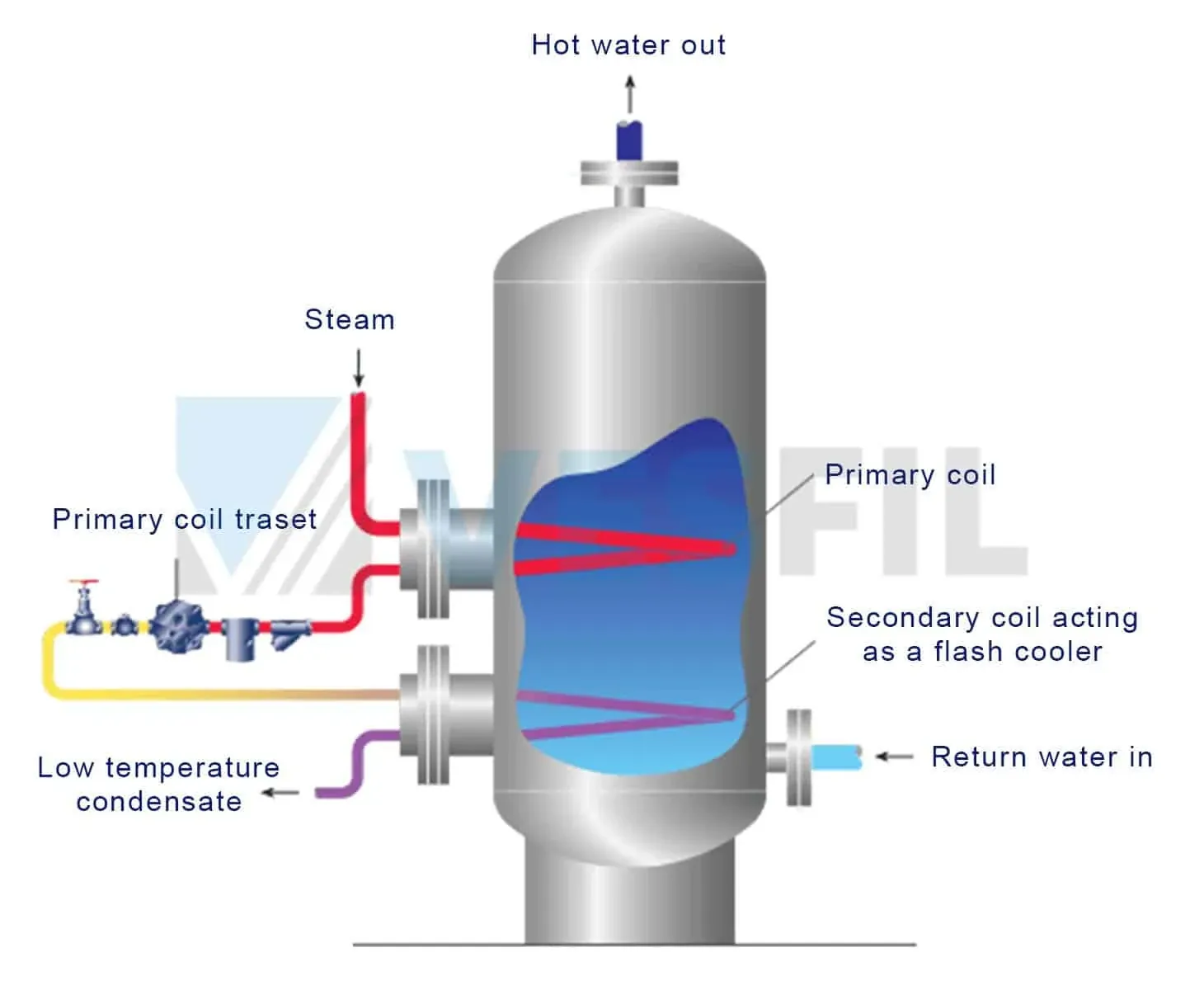
A flash tank works by using the principle of thermodynamics where a reduction in pressure causes a phase change in high-temperature liquids. As hot condensate moves from a high-pressure line into the larger volume of the tank, its pressure falls rapidly. This drop forces a portion of the water to evaporate instantly into steam, which is then separated from the remaining liquid.
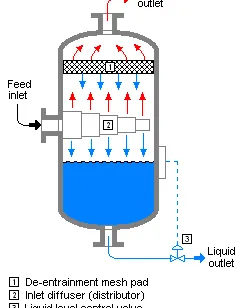
The design of these tanks typically includes a tangential inlet to create a spinning effect, which helps separate the heavy liquid droplets from the lighter steam. The steam travels out through the top vent for reuse, while the remaining condensate collects at the bottom to be drained away. If the tank is too small for the volume of fluid, the separation process will fail and carry over water into your steam lines.
Size your tank based on the flash steam volume, not just the liquid flow rate. You can identify an undersized tank by checking for water hammer in downstream piping; this is a clear sign that moisture is escaping the vessel.
If your condensate temperature is within 20 degrees of the saturation temperature, you’ll achieve high flash rates. If the temperature is lower, the energy recovery will be negligible. Recovering flash steam is a highly effective way to improve the overall thermal efficiency of a large-scale steam plant. By capturing this energy, you reduce the amount of fresh steam you need to generate, lowering fuel costs and boiler demand.
Systems That Change Performance
| Condition | Change | What to do instead |
|---|---|---|
| High flow rate | Smaller separation time | Use larger tank size |
| Low pressure drop | Less flash steam | Increase inlet pressure |
| High liquid level | Steam carries water | Adjust discharge valve |
| Cold feed water | Lower flash yield | Pre-heat the condensate |
| Small pipe size | High internal velocity | Install larger piping |
When flow rates exceed the design capacity, the fluid spends insufficient time in the separation zone. This leads to carryover, where liquid droplets contaminate the steam phase. If your discharge temperature spikes, you’re likely dealing with this velocity issue rather than a mechanical failure.
Pressure drops dictate the flash yield. If your gauge reads a drop of less than 5 psi, you’ll see a sharp decline in steam production. In these cases, increasing the inlet pressure is the only way to force the phase change. Don’t attempt to compensate by throttling the outlet, as this only creates backpressure that stalls the entire system.
Operators often mistake high liquid levels for a faulty sensor. If the discharge valve is fully open but the level remains high, the steam is likely entraining water. You must throttle the valve to stabilize the internal pressure, or the moisture will damage downstream equipment.
Proper Operation Procedures
Open the inlet valve slowly to prevent a pressure surge that could damage the tank seals.
Check the pressure gauge on the tank vent to ensure it stays within the design limits of your downstream equipment. If the needle vibrates into the red zone, throttle the inlet valve back immediately.
Monitor the water level using the sight glass; you want the level to remain stable in the middle of the glass. If the level oscillates by more than two inches, check the float linkage for debris.
Adjust the float-operated drain valve if the water level rises too high, as this prevents water from entering the steam vent. Failure to do this risks severe water hammer in your piping.
Inspect the steam trap on the inlet line every 3 months. If the discharge line feels hot to the touch, the trap is likely blowing through live steam, wasting significant energy.
Drain the tank completely during system shutdowns to prevent corrosion.
Common Operational Mistakes
Opening the inlet valve too fast triggers a pressure surge known as water hammer. This shockwave creates enough force to crack internal baffles or blow out gaskets. Always crack the valve open just enough to hear the line hiss, waiting at least sixty seconds before fully engaging the flow.
Ignoring the steam trap on the inlet forces the system to handle liquid condensate instead of dry vapor. This mistake results in immediate safety valve discharge and potential pipe erosion. If you hear a rhythmic banging or notice water spitting from the vent, shut down the line immediately to inspect the trap for debris.
If the exterior surface is too hot to touch for more than a second, you’re losing significant energy. Apply at least two inches of mineral wool or fiberglass cladding to stabilize internal steam quality.
Finally, calculate your peak condensate flow during the morning startup sequence. If your tank capacity falls short of this maximum volume, water will carry over into your steam lines. This moisture ruins downstream control valves and causes severe corrosion in your distribution piping.
Related guides
Frequently asked questions
How much steam can a flash tank recover?
A flash tank typically recovers between 5% and 20% of the condensate mass as flash steam, depending on the pressure difference between the high-pressure and low-pressure lines. You can calculate the exact percentage by using the enthalpy values of the water at both the starting and ending pressures. Always check the manufacturer’s data plate for the specific design rating of your unit.
Is it safe to install a flash tank myself?
It isn’t safe for an untrained person to install a flash tank because these vessels operate under high pressure and temperature, which pose significant risks of explosion or scalding. You must hire a certified steam system contractor to handle the piping, pressure relief valves, and structural mounting. Improper installation can violate local building codes and void your insurance coverage.
How long does a flash tank last?
A well-maintained flash tank typically provides a long service life when used in a clean, treated water system.
What happens if the tank overflows?
If the flash tank overflows, liquid water will enter the steam vent, which can damage downstream equipment like heat exchangers or process coils. You must ensure the discharge valve at the bottom of the tank is sized correctly to handle the maximum liquid load. If water starts venting through the steam line, shut down the inlet immediately to prevent damage.
Does the tank size affect steam quality?
Yes, the tank size directly affects steam quality because a larger volume allows for better separation of water droplets from the steam. If the tank is too small, the steam velocity will be too high, carrying moisture into your steam distribution piping. You should verify the volume requirements in your system manual before selecting a tank for your specific flow rate.
How often should I check the relief valve?
You should test the pressure relief valve at least once per year to ensure it opens at the rated pressure. A stuck relief valve is a major safety hazard in any pressurized steam system. If the valve fails to reset or leaks during normal operation, you must replace it with a new unit that meets the same pressure specifications.
Conclusion
Properly managing your flash steam recovery saves energy and extends the life of your entire steam infrastructure. Keep an eye on your pressure gauges and perform regular maintenance to ensure your system continues to operate safely and efficiently throughout the year.
