
Transitioning to a modern water heating system is a major home improvement project that requires careful planning regarding capacity, fuel type, and installation requirements. When researching the best tankless water heaters, you’re looking for units that provide a continuous flow of hot water while maximizing energy efficiency compared to traditional storage tanks. Depending on the unit capacity and your home’s infrastructure, the price for a new system typically ranges from $500 to $3,500, with professional installation labor adding an additional $600 to $2,000 to the total cost.
Key Takeaways
- Calculate your peak demand by adding up the flow rates of all fixtures you might use simultaneously.
- Gas-powered units generally provide higher flow rates than electric models, making them better for large households.
- Annual maintenance, such as flushing the system with vinegar, is essential to prevent mineral buildup and extend unit life.
- Verify your home’s electrical panel or gas line capacity before purchasing, as upgrades may be required.
- Look for the ENERGY STAR certification to ensure your chosen model meets high efficiency standards for lower utility bills.
Understanding How Tankless Systems Function
Unlike traditional heaters that keep 40 to 80 gallons of water hot 24/7, tankless models—often called on-demand heaters—only heat water when a faucet or appliance is turned on. When you open a hot water tap, cold water enters the unit, passing through a high-efficiency heat exchanger. This process is triggered by a flow sensor, which immediately activates the heating element or burner.
The water is heated to your set temperature in real-time, providing an endless supply as long as the unit’s capacity isn’t exceeded. Because they eliminate standby heat loss, these units are significantly more efficient than conventional storage tanks. However, the performance is heavily dependent on the “temperature rise”—the difference between the temperature of the incoming groundwater and your desired output temperature.
Which Fuel Source is Best?
Choosing the right fuel source is the most critical decision for your home’s infrastructure. Electric units are often easier to install in apartments or smaller homes, while gas units are the standard for high-demand, single-family dwellings.
| Feature | Electric Tankless | Gas Tankless |
|---|---|---|
| Installation Cost | Lower | Higher |
| Flow Rate Capacity | Moderate | High |
| Energy Source | 240V Dedicated Circuit | Natural Gas / Propane |
| Maintenance | Minimal | Requires Venting Check |
| Best For | Point-of-Use / Small Homes | Large Households |
Electric Tankless Options
Electric units are compact and don’t require ventilation, making them ideal for bathrooms or under-sink installations. However, they demand significant electrical amperage. Most whole-home electric models require multiple 40-amp or 50-amp breakers. If your home has an older 100-amp service, you’ll likely need to upgrade your electrical panel before installation.
Gas Tankless Options
Gas models use powerful burners to heat water rapidly, allowing for much higher flow rates. These units must be vented to the outside to exhaust combustion gases, which influences where you can install them. If you’re switching from a standard electric tank to a gas tankless unit, you must account for the cost of running new gas lines and installing proper ventilation piping.
Determining Your Required Flow Rate
The primary reason users are dissatisfied with their purchase is choosing a unit that can’t keep up with simultaneous demand. To avoid this, calculate your gallons per minute (GPM) requirements. If you intend to run a shower and a dishwasher at the same time, your unit must handle the combined flow of both appliances.
- Standard Showerhead: 1.5–2.5 GPM
- Kitchen Faucet: 1.0–1.5 GPM
- Dishwasher: 1.0–2.0 GPM
- Washing Machine: 1.5–2.0 GPM
Pro Tip: Always prioritize the GPM rating over the physical size of the unit. A small, high-output unit is far superior to a large unit that fails to provide hot water during peak morning hours.
Top Brands for Tankless Water Heaters
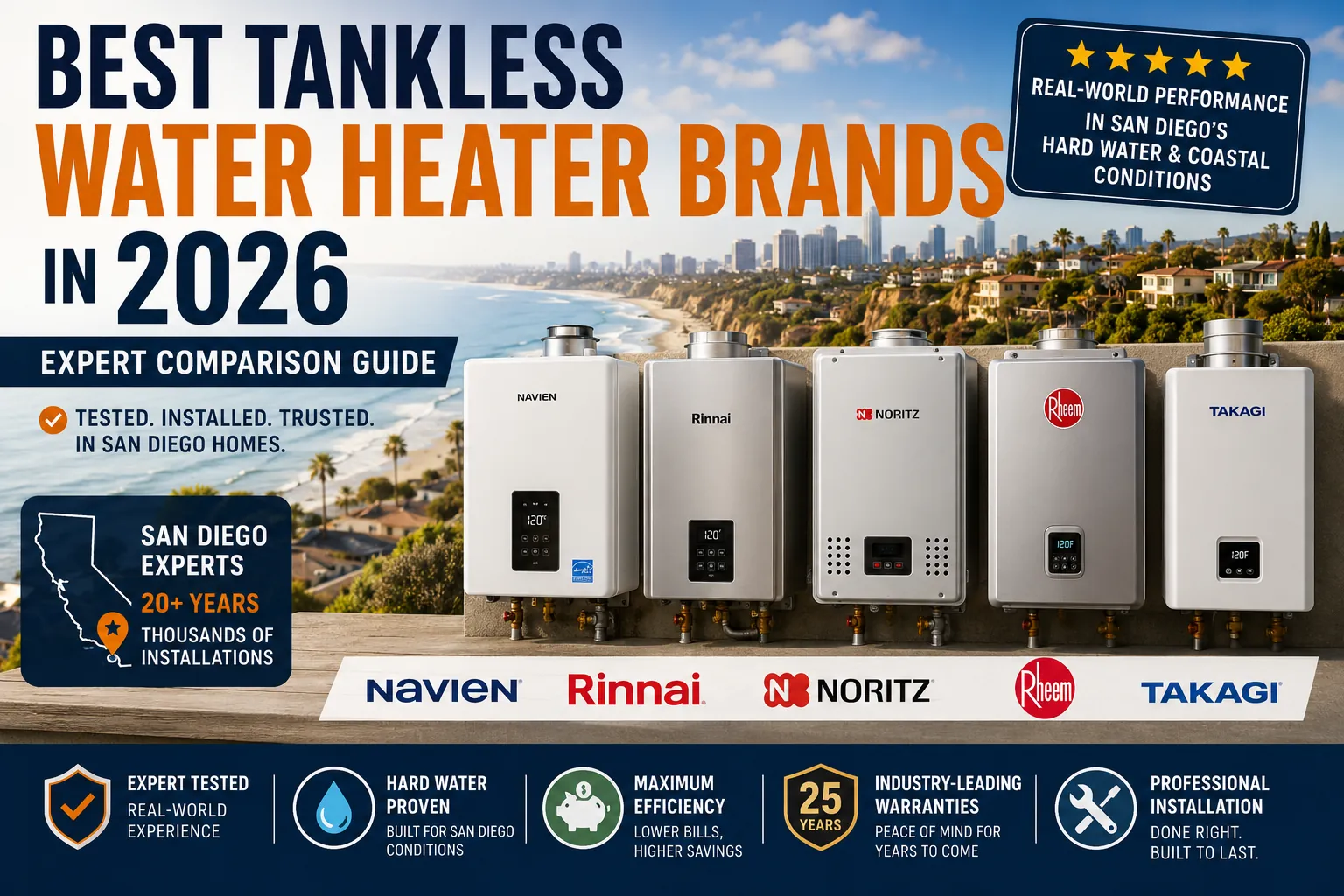
When browsing the market, focus on manufacturers with established service networks and readily available replacement parts. While there are many low-cost options online, sticking to industry-leading brands ensures that you can find technicians who know how to service your specific equipment.
- Rinnai: Known for their extensive line of indoor and outdoor gas models, often featuring Wi-Fi connectivity for temperature control.
- Noritz: Offers high-efficiency commercial and residential units with a reputation for extreme durability in hard water conditions.
- Navien: Popular for their “condensing” technology, which captures extra heat from exhaust gases to improve efficiency.
- Stiebel Eltron: A premier choice for electric tankless systems, offering precise electronic temperature control and compact designs.
- EcoSmart: A common consumer favorite for electric point-of-use units, providing a balance of affordability and performance for smaller setups.
Managing Hard Water and Scaling
One of the most significant threats to the longevity of a tankless system is mineral buildup. Because the heat exchanger uses narrow pipes to maximize efficiency, scale deposits from calcium and magnesium can quickly reduce flow and heat transfer. If you live in an area with “hard” water, your unit will require more frequent maintenance to remain operational.
Warning: Failing to perform annual flushing on your unit will almost certainly void the manufacturer’s warranty. Always consult your manual for the specific procedure.
To manage this, consider installing a water softener or a scale-prevention filter upstream of the tankless unit. These systems treat the water to prevent minerals from hardening inside the heat exchanger, effectively doubling the lifespan of your unit and keeping energy costs consistent over the years.
How Do You Install a Unit?
Installing a tankless heater is a complex task that typically involves plumbing, electrical, and sometimes gas-fitting expertise. Unless you have significant experience in all three fields, this project is best left to a licensed professional.
- Select the Location: Ensure there’s enough clearance for venting (if gas) and easy access to water lines.
- Mount the Unit: Use the provided template to secure the unit to a sturdy wall or framing.
- Connect Water Lines: Install isolation valves on both the cold inlet and hot outlet to facilitate future flushing.
- Connect Fuel Source: If gas, ensure the pipe diameter is sufficient to provide the necessary BTU output for the unit.
- Test and Flush: Before firing the unit, run water through the system to clear debris and check for leaks.
What Are the Hidden Costs?
Many homeowners underestimate the peripheral costs associated with the transition. Beyond the price of the heater itself, you must budget for the “hidden” expenses that are often required to bring your home up to code.
- Venting Upgrades: Stainless steel venting for gas units can cost several hundred dollars depending on the run length.
- Electrical Upgrades: Upgrading from 100-amp to 200-amp service is a common necessity for electric tankless heaters.
- Gas Line Upsizing: Many existing gas lines are too small for the high-demand burners found in modern tankless units.
- Permits: Most local building departments require a plumbing or mechanical permit for water heater replacement.
- Drainage: Installing a pressure relief valve and drain line is mandatory for safety and code compliance.
Maximizing Energy Efficiency Gains
Tankless heaters are inherently more efficient, but you can optimize that efficiency further. By placing your unit closer to the point of use, you reduce the time it takes for hot water to travel through the pipes. This saves both energy and water, as you aren’t waiting for the cold water in the lines to clear out before the hot water arrives.
For larger homes, consider a recirculation pump. This system keeps hot water moving through the pipes, ensuring that it’s available instantly at every tap. While this uses a small amount of electricity, the convenience and water savings often outweigh the minor cost of running the pump.
Troubleshooting Common Operational Issues
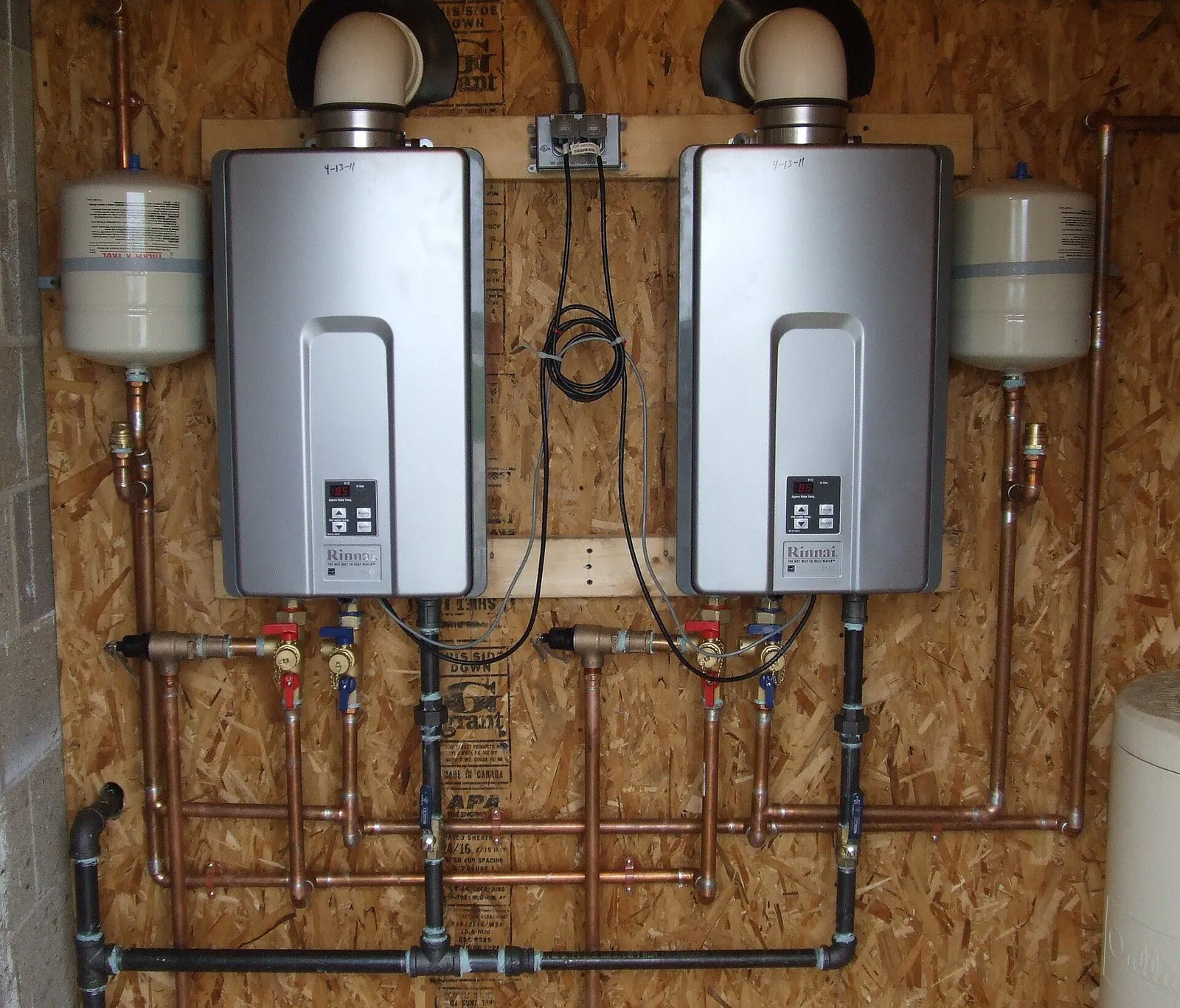
Even the best models can experience hiccups. Knowing the basics of what to look for can save you a service call fee.
| Symptom | Potential Cause | Action |
|---|---|---|
| Fluctuating Temps | Low flow rate | Check faucet aerators for clogs |
| No Hot Water | Tripped breaker / Gas off | Check electrical panel or gas supply |
| Error Codes | Sensor malfunction | Consult manual for code definition |
| Lukewarm Water | Over-capacity demand | Limit number of simultaneous taps |
If your unit displays an error code, don’t attempt to bypass safety sensors. Most modern heaters are equipped with advanced diagnostic software that shuts the system down to prevent damage or fire hazards. Always reset the unit as directed by the manual before attempting a professional repair.
Frequently Asked Questions
How long do tankless heaters last?
With proper annual maintenance, a high-quality tankless water heater typically lasts between 15 and 20 years. This is significantly longer than the 8- to 12-year lifespan of a traditional tank-style heater. However, the life expectancy depends heavily on your local water quality and how frequently you flush the unit to remove mineral scale buildup.
Can I install a tankless unit myself?
While a skilled DIY enthusiast can manage the plumbing connections, gas line and electrical work are often restricted by local building codes to licensed professionals. Improper installation of gas venting or electrical wiring can lead to carbon monoxide leaks or fire hazards. Always check with your local building department to determine if a permit and professional sign-off are required for your specific installation.
Do tankless units save money?
Yes, they reduce energy costs by eliminating standby heat loss, which accounts for significant waste in traditional tanks. While the initial investment is higher, you’ll save on monthly utility bills. The exact amount depends on your usage patterns, fuel costs, and the efficiency of your current system. Most users see a return on their investment within 5 to 10 years of operation.
Why does my water take time to get hot?
Even with a tankless unit, water must travel from the heater to the faucet, pushing the cold water sitting in the pipes out first. This “lag” is determined by the distance between the heater and the fixture, not the heating method itself. To get near-instant hot water, you must install a recirculation pump or a small point-of-use unit closer to the bathroom or kitchen.
Will a tankless unit work during a power outage?
Gas tankless units require electricity to power the ignition and digital control board. Unless you have a backup generator or a battery backup system, the unit won’t function during a power outage. Electric tankless models will also be non-operational, as they require high-voltage power to heat the water. Always verify if your specific model has a battery backup option for the display.
Conclusion
To begin your upgrade, contact a licensed local plumber to perform a site assessment of your current gas or electrical capacity. This step prevents the common mistake of buying a unit that your home can’t support. Once you have a professional opinion on your infrastructure limits, you can confidently select the model that best matches your family’s daily hot water demand.