
The most common buoyant materials are closed-cell foams, natural cork, and balsa wood because they trap air inside their internal structures. These materials stay afloat because their density is lower than the density of the fluid they displace. If the material is less dense than water, it floats; if it’s denser, it sinks.
Most common buoyant materials guide
-
Expanded polystyrene (EPS): This rigid foam excels in static buoyancy. Use it for permanent installations like dock floats, but avoid it in high-impact areas. It’s brittle and shatters under sharp pressure, which causes it to lose its structural integrity and shed microplastics into the water.
-
Natural cork: This bark is ideal for saltwater environments because it’s naturally rot-resistant. If you’re building a marine craft, choose high-grade, fine-grain cork to prevent water logging. Coarse-grain varieties absorb moisture over time and will eventually sink.
-
Balsa wood: Its cellular structure is 90% air. It remains the gold standard for model building and light marine surfacing. Always seal the wood with marine-grade epoxy. Without a protective coating, the wood will eventually saturate, adding significant dead weight to your project.
-
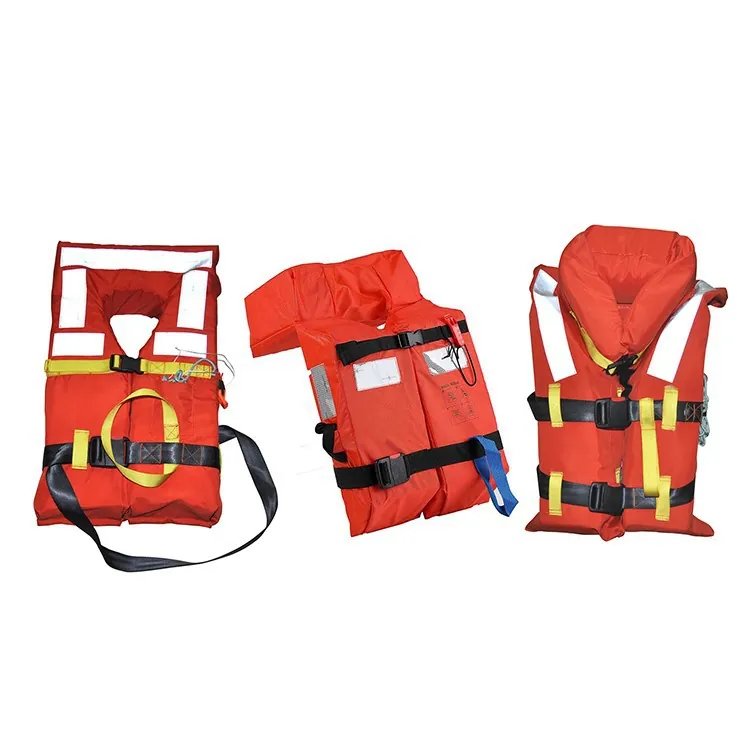
Polyethylene foam: This material is your best choice for high-flexibility needs. Unlike EPS, it resists cracking when bent. If you need a material that survives repeated compression, such as a seat cushion or a rescue aid, choose closed-cell polyethylene.
-
Air-filled bladders: These rely entirely on seal integrity. If you’re crossing jagged terrain, use heavy-duty, multi-layer vinyl. A single puncture turns a reliable flotation device into a dead weight. Always carry a field-repair kit designed for the specific polymer of your bladder.
Why some materials float better than others
The ability of an object to float depends on Archimedes’ principle, which states that any object submerged in a fluid is acted upon by an upward force equal to the weight of the fluid displaced. When the weight of the displaced water is greater than the weight of the object itself, the object stays at the surface. Materials that are considered buoyant are those that maintain a low overall density even when shaped into solid forms.
Closed-cell structures are the primary reason many synthetic foams perform well. Unlike open-cell sponges that absorb water and lose their buoyancy, a closed-cell foam contains tiny, sealed bubbles of gas. Because the water can’t enter these individual cells, the material retains its volume and its displacement capacity over long periods. If you’re testing a material for marine use, submerge it for 24 hours. If it gains more than 5% of its original weight, it’s absorbing water and will eventually fail.
The surface area and shape of the material also influence how it behaves in water. A flat, wide piece of wood will support more weight than a small, dense ball of the same material because the wider shape displaces more water.
If the material is porous, it must be coated or treated to prevent it from becoming waterlogged. Once water fills the internal spaces, the effective density of the object increases, which eventually causes it to sink. Avoid the common mistake of assuming a material’s initial buoyancy is permanent. If you see bubbles escaping from a submerged object, the material is failing. In that case, switch to a non-porous polymer or a sealed, hollow container to ensure long-term stability.
When these materials lose their buoyancy
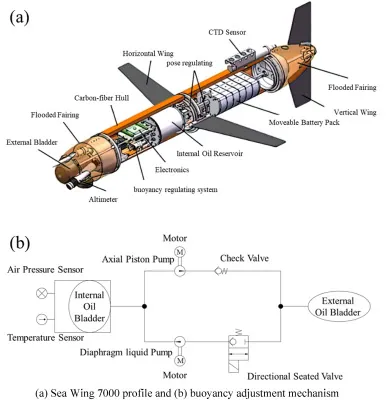
The simple rule of density changes when the material is damaged or exposed to extreme pressure. A material that floats at the surface may fail if it’s crushed or if its outer layer is torn.
| Situation | What changes | What to do instead |
|---|---|---|
| Deep water pressure | Air pockets compress | Use rigid, non-compressible materials |
| Physical damage | Water enters cells | Seal with waterproof coatings |
| High temperature | Foam softens or melts | Choose heat-resistant synthetic polymers |
| Heavy salt content | Water density increases | Adjust weight for higher lift |
| Prolonged submersion | Material absorbs moisture | Use closed-cell plastic foams |
How to use buoyant materials safely
Calculate the total weight you need to support, including the weight of the material itself.
Select a closed-cell foam for aquatic gear, as it won’t absorb water like natural wood. If you use open-cell foam, it will eventually saturate and sink, creating a dangerous weight imbalance.
Ensure the material is large enough to displace the required volume of water. Test the buoyancy in a shallow pool before heading into deep, open water.
Inspect the surface for cracks or tears that could allow water to penetrate the cells. Replace any material that shows signs of crumbling or significant weight gain after use. A single deep puncture can compromise the integrity of the entire structure.
Mistakes that ruin buoyancy
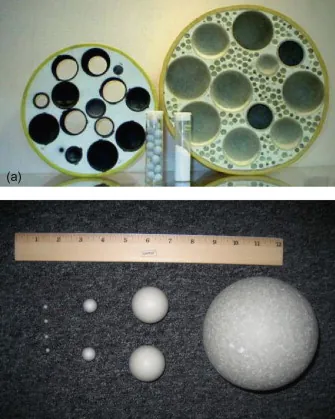
Using open-cell materials like standard sponges causes them to fill with water and sink. Always choose closed-cell foams, which feature sealed air pockets that repel moisture.
Failing to account for the weight of the object being supported causes the material to submerge. If your gear weighs more than the displacement value of your foam, it will fail.
Ignoring manufacturer weight ratings leads to inadequate lift. If you’re near the maximum limit, move up to the next size category.
Leaving buoyant materials in direct sunlight degrades plastic foams. UV exposure turns flexible foam brittle, causing it to crack and lose its internal air pressure. Store equipment in shaded, dry areas.
Related guides
Frequently asked questions
Can any wood float in water?
Most wood floats because it’s less dense than water, but specific types like balsa or cedar are much more buoyant than others. If the wood is very dense, such as ebony, it will sink immediately. You can check the specific gravity of any wood species in standard botanical references to see if it’s less than 1.0, which indicates it will float.
How long do foam flotation devices last?
Most high-quality closed-cell foam devices last for a significant period if stored out of direct sunlight and away from harsh chemicals.
Is it safe to use air-filled bags for buoyancy?
It’s safe to use air-filled bags provided the material is puncture-resistant and the valves are securely sealed. These rely on a large volume of trapped air to create lift, but they’re vulnerable to sharp objects. If the bag develops a small hole, it will lose its buoyancy instantly, so always carry a backup flotation method when relying on air-filled gear.
What happens if the material is punctured?
If a closed-cell foam is punctured, only the damaged cells lose their air, so the object usually stays afloat. However, if an air-filled bladder or an open-cell foam is punctured, the buoyancy is lost rapidly. You should inspect your equipment before every use to ensure the outer protective layer is intact and free from deep cuts or holes.
Does salt water change how materials float?
Salt water is denser than fresh water, so materials will float higher and support more weight in the ocean. This change occurs because the dissolved salt increases the mass of the water displaced by the object. If you’re designing a device for both environments, always test for the “worst-case” scenario, which is the less-dense fresh water.
How much weight can a piece of foam support?
The weight a piece of foam can support is equal to the weight of the water it displaces minus the weight of the foam itself. If you have a block of foam with a volume of 1 cubic foot, it will support roughly 60 pounds in fresh water. Always check the density of the specific foam type, as lighter foams displace more weight but may be less durable.
Conclusion
Choosing the right material depends on your specific project, whether you’re building a small model boat or a sturdy dock. You’ll find that testing a few scraps in a bucket of water is a great way to see how they perform. Don’t be afraid to experiment; you’ll learn a lot quickly.
