
Stainless steel, fireclay, cast iron, composite granite, and copper are the primary materials used for kitchen sinks. The best choice matches your cabinet size and cleaning habits while providing the durability needed for your workload. These materials differ significantly in heat resistance, scratch tolerance, and maintenance requirements. Prioritize material density and gauge thickness to ensure your basin handles heavy pots and hot pans without showing premature wear.
Kitchen sink material comparison
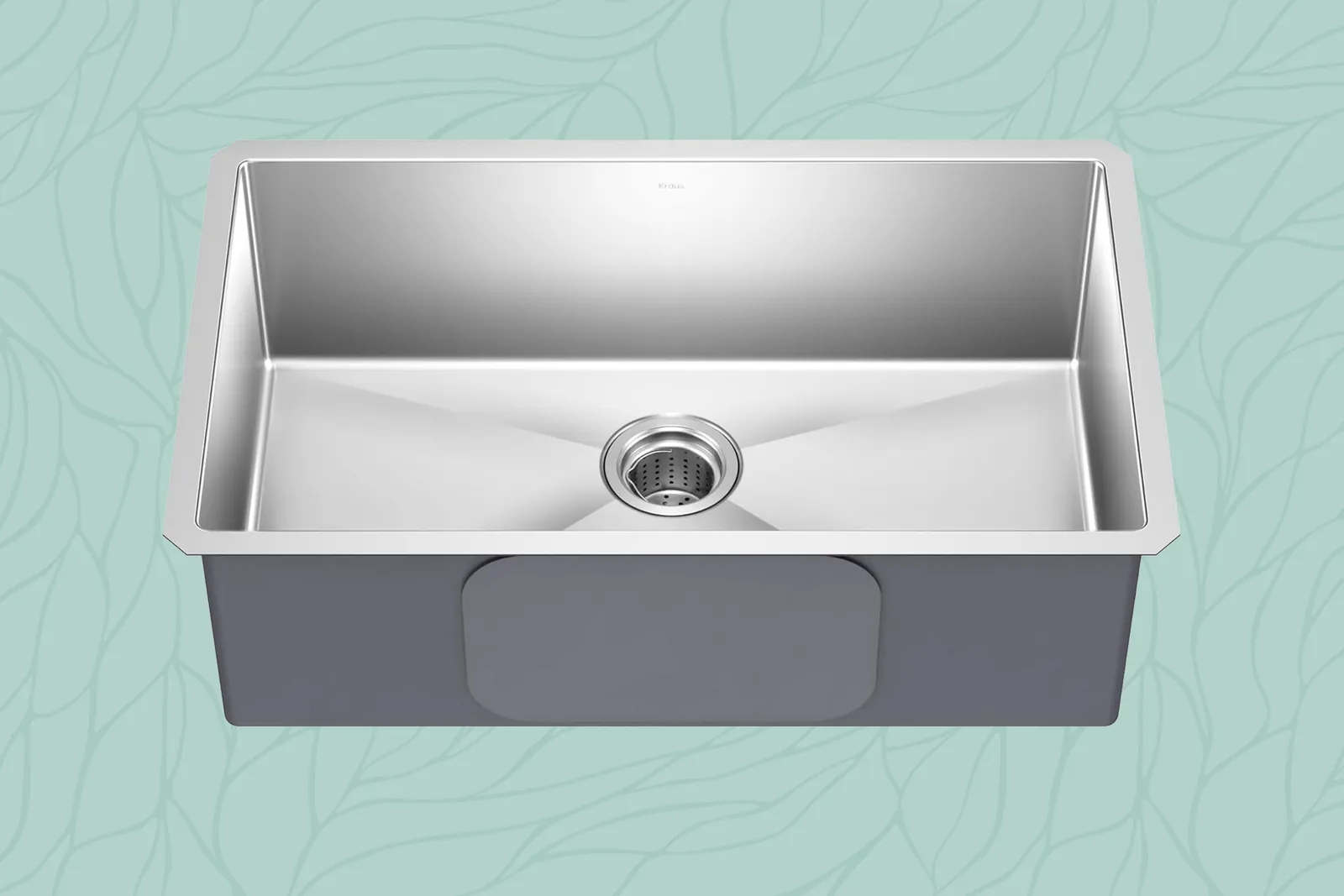
Choosing the right basin depends on your budget, style, and how much time you want to spend on maintenance. This table outlines the most common materials found in modern kitchens today.
| Material | Best For | Typical Example |
|---|---|---|
| Stainless Steel | Busy kitchens | 16-gauge undermount |
| Fireclay | Farmhouse style | White apron front |
| Cast Iron | Classic durability | Enameled drop-in |
| Composite Granite | Stain resistance | Black matte finish |
| Copper | Decorative appeal | Hammered surface |
Stainless steel is the industry standard for a reason, but gauge matters. If you choose 22-gauge steel, the basin will flex and vibrate under the weight of a heavy pot. Always opt for 16 or 18-gauge to ensure the sink remains quiet and dent-resistant.
Cast iron provides a timeless look, yet it demands care. If you drop a heavy cast-iron skillet into an enameled basin, the finish will likely chip. Once the enamel cracks, the iron underneath begins to rust. If your kitchen sees heavy daily use, stick to composite granite. It resists heat up to 530 degrees Fahrenheit and hides scratches better than any other material.
Fireclay offers incredible hardness, but it’s brittle. It doesn’t tolerate thermal shock well. If you pour boiling water into a freezing cold fireclay sink, it may develop hairline fractures.
Copper is a living finish. It changes color over time based on your water chemistry and cleaning habits. If you prefer a static, pristine look, avoid copper entirely. You should choose copper only if you enjoy the evolving patina of a natural metal. When in doubt, check your sink’s weight. A heavier sink usually indicates thicker, more durable construction, regardless of the material.
Stainless steel kitchen sinks
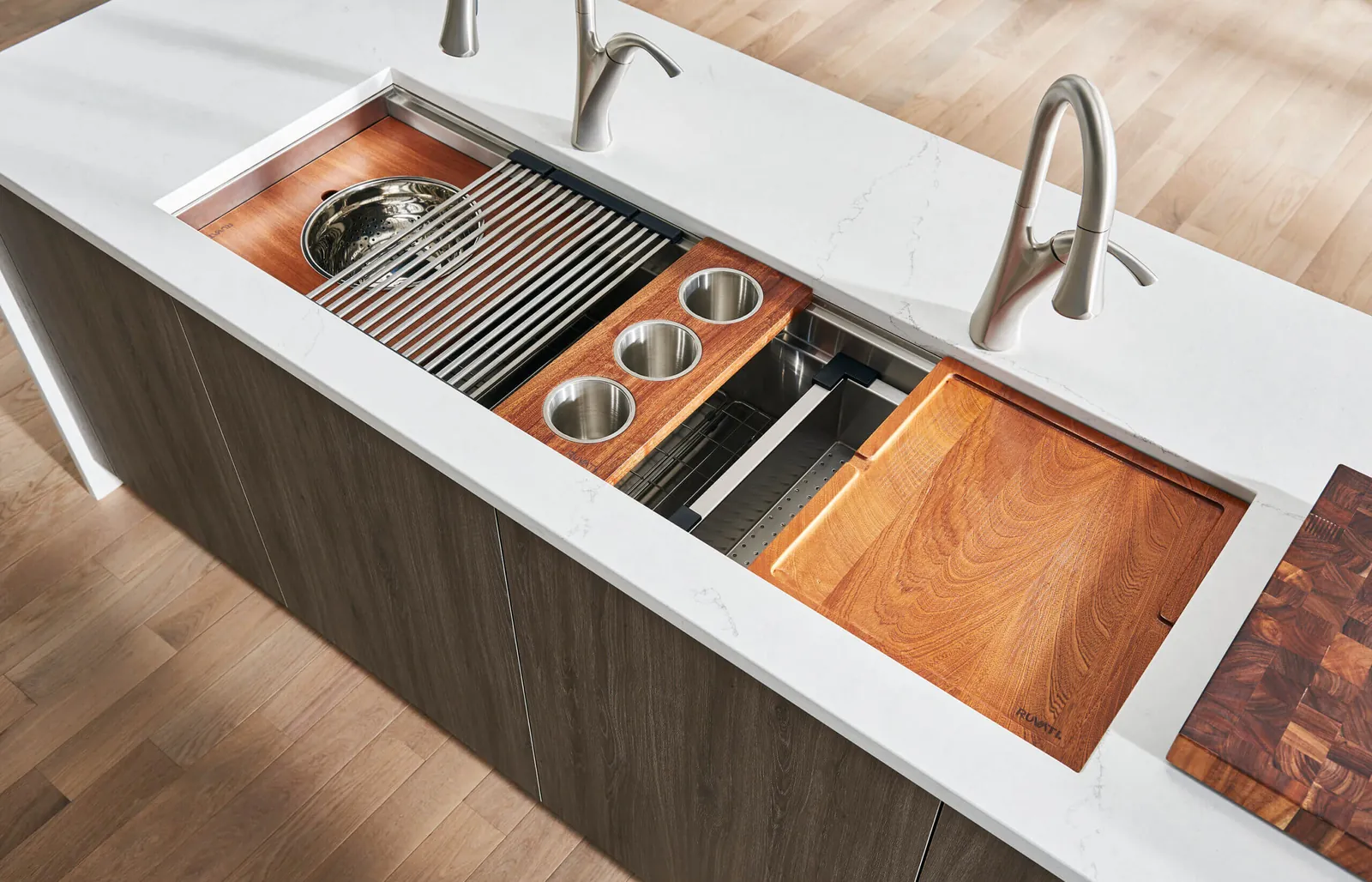
Stainless steel is the most common choice for residential homes because it’s lightweight, affordable, and highly resistant to rust and heat. It suits people who want a low-maintenance basin that handles heavy daily use without needing special cleaning agents.
The gauge of the steel dictates its structural integrity. 16-gauge steel is thicker and quieter than 18-gauge, which helps reduce the clatter of dishes. If you frequently wash heavy cast-iron cookware, prioritize 16-gauge to prevent the basin from denting or vibrating under the weight.
Brushed finishes hide water spots and minor scratches better than high-polish mirror finishes. If your kitchen receives direct sunlight, avoid polished surfaces, as they will reflect glare and highlight every mineral deposit from your tap water.
Sound-dampening pads on the underside significantly lower the noise of running water. When shopping, press firmly on the center of the basin; if it feels thin or flexes, the manufacturer likely skipped these pads. It’s non-porous, meaning it doesn’t harbor bacteria when cleaned with standard soap and water.
If you’re installing an undermount sink, ensure your countertop fabricator cuts the opening to match the specific dimensions of the basin. For a standard 30-inch cabinet base, a 27-inch sink is usually the maximum size that allows for proper mounting hardware clearance.
Check your cabinet’s interior width before purchasing. If your sink is wider than the cabinet box, the mounting clips will have no surface to grip. If you have a garbage disposal, verify the drain placement; a rear-offset drain provides more usable storage space in the cabinet below compared to a center-mounted drain.
Avoid harsh abrasive pads like steel wool, which can create micro-scratches that trap debris. Instead, use a soft microfiber cloth and a mild detergent. If you notice persistent rust spots, they’re likely caused by iron particles from your water supply or steel utensils rather than the sink itself. A simple paste of baking soda and water will lift these stains without damaging the finish.
Fireclay kitchen sinks
Fireclay is a ceramic material fired at extreme temperatures, resulting in a hard, glossy surface that resists acid and alkali cleaners. It suits homeowners who prefer a traditional or rustic aesthetic and don’t mind the occasional chip or crack if a heavy item is dropped.
- The non-porous glaze resists stains from coffee, wine, and acidic foods like tomato sauce.
- Its heavy weight requires a reinforced cabinet base or a dedicated support frame.
- The glossy finish is easy to wipe clean with a soft cloth and mild detergent.
- It maintains its color over decades, as the glaze is fused to the clay body.
Because these sinks are handmade, they often have slight variations in dimensions. Always wait until the physical sink arrives before finalizing your countertop template, as the NSF International food equipment standards help guide manufacturers in creating surfaces that are safe for food contact.
Cast iron kitchen sinks
Cast iron sinks feature a heavy metal core coated with a thick layer of porcelain enamel, providing a sturdy, timeless look. These are ideal for those who prioritize a solid, heavy-duty feel and enjoy the classic appearance of high-gloss white or colored enamel.
- The thick enamel coating is extremely resistant to heat, allowing you to place hot pans directly on the surface.
- Its weight provides a very stable feel that doesn’t vibrate or sound hollow during use.
- The smooth surface is easy to sanitize, provided you avoid abrasive scouring pads that dull the finish.
- It’s highly durable, but the enamel can chip if you drop heavy cast iron cookware into the basin.
If you choose this material, check the manufacturer’s weight rating for your countertop material. A large cast iron sink can weigh over 100 pounds, so your stone or wood counters must be reinforced to support the load without cracking or sagging.
Composite granite kitchen sinks
Composite granite is made from a mix of crushed stone and acrylic resin, creating a rock-hard surface that’s nearly impossible to scratch. It suits households that want a modern, matte look and high resistance to daily wear and tear.
The dark, matte colors don’t show water spots or mineral buildup as easily as polished metal. Because the material is naturally dense, it remains quiet under running water, requiring no extra sound-dampening pads. It’s heat-resistant up to approximately 535°F, and the color is consistent throughout the entire thickness of the material, meaning it resists fading even when exposed to direct sunlight in kitchens with large windows.
This material is unforgiving with dropped glassware. Unlike stainless steel, which might dent, composite granite is brittle. If you drop a heavy glass mug into the sink, the mug is likely to shatter upon impact with the hard basin floor.
To determine if this material fits your lifestyle, consider your dishwashing habits. If you frequently hand-wash delicate crystal or thin-walled glassware, you must use a rubber sink mat. These mats prevent direct contact between the glass and the stone, saving you from the cost of replacing broken dishes.
Avoid the common mistake of using abrasive scouring pads or harsh chemical cleaners. While the stone is durable, aggressive scrubbing can leave permanent white streaks on darker finishes. Instead, use a mild dish soap and a soft microfiber cloth for daily maintenance.
If you notice a white, chalky film forming, it’s likely calcium buildup from hard water rather than a defect. In this case, apply a mixture of equal parts white vinegar and water, let it sit for ten minutes, and rinse thoroughly.
If your kitchen design prioritizes a sleek, uniform aesthetic, choose a drop-in model to hide the sink’s edge. However, if you want a seamless look, opt for an undermount installation. Undermounting makes wiping crumbs directly from the counter into the basin effortless, though it requires a solid-surface countertop like granite or quartz to support the heavy weight of the composite material.
Other sink materials
Copper possesses natural antimicrobial properties and develops a unique patina over time. It suits those who want a living finish that evolves with use. To preserve its original luster, apply a high-quality beeswax paste once a month. Without this barrier, acidic foods like lemons or tomatoes will cause uneven, dark oxidation spots that are difficult to buff out.
Solid surface sinks integrate directly into acrylic countertops for a seamless, monolithic appearance. They’re the best choice for high-traffic kitchens where hygiene is the priority. Because there’s no rim or seam, you eliminate the narrow crevice where food particles and bacteria traditionally congregate. However, these basins scratch easily. If you frequently wash heavy cast iron pans, choose a matte finish, which hides minor abrasions far better than a high-gloss surface.
Enamel on steel offers a lightweight, budget-friendly alternative to traditional cast iron. Installation is simple, as these sinks rarely require the reinforced cabinetry needed for heavier materials. The primary trade-off is durability. The enamel coating is significantly thinner than that found on cast iron, making it highly susceptible to chips if heavy pots strike the basin walls.
If you see a small black dot appearing, treat it immediately with a porcelain repair kit. Ignoring a chip allows rust to form beneath the surface, which will eventually expand and cause the surrounding enamel to flake away.
Fireclay represents a denser, more durable alternative to standard enamel. It’s fired at temperatures exceeding 2,000 degrees Fahrenheit, resulting in a non-porous surface that resists stains and acid. While it’s heavier than steel, it remains susceptible to cracking under thermal shock. Use this material if you prefer a classic farmhouse aesthetic but worry about the maintenance requirements of copper or the fragility of thin steel coatings.
Choosing your kitchen sink
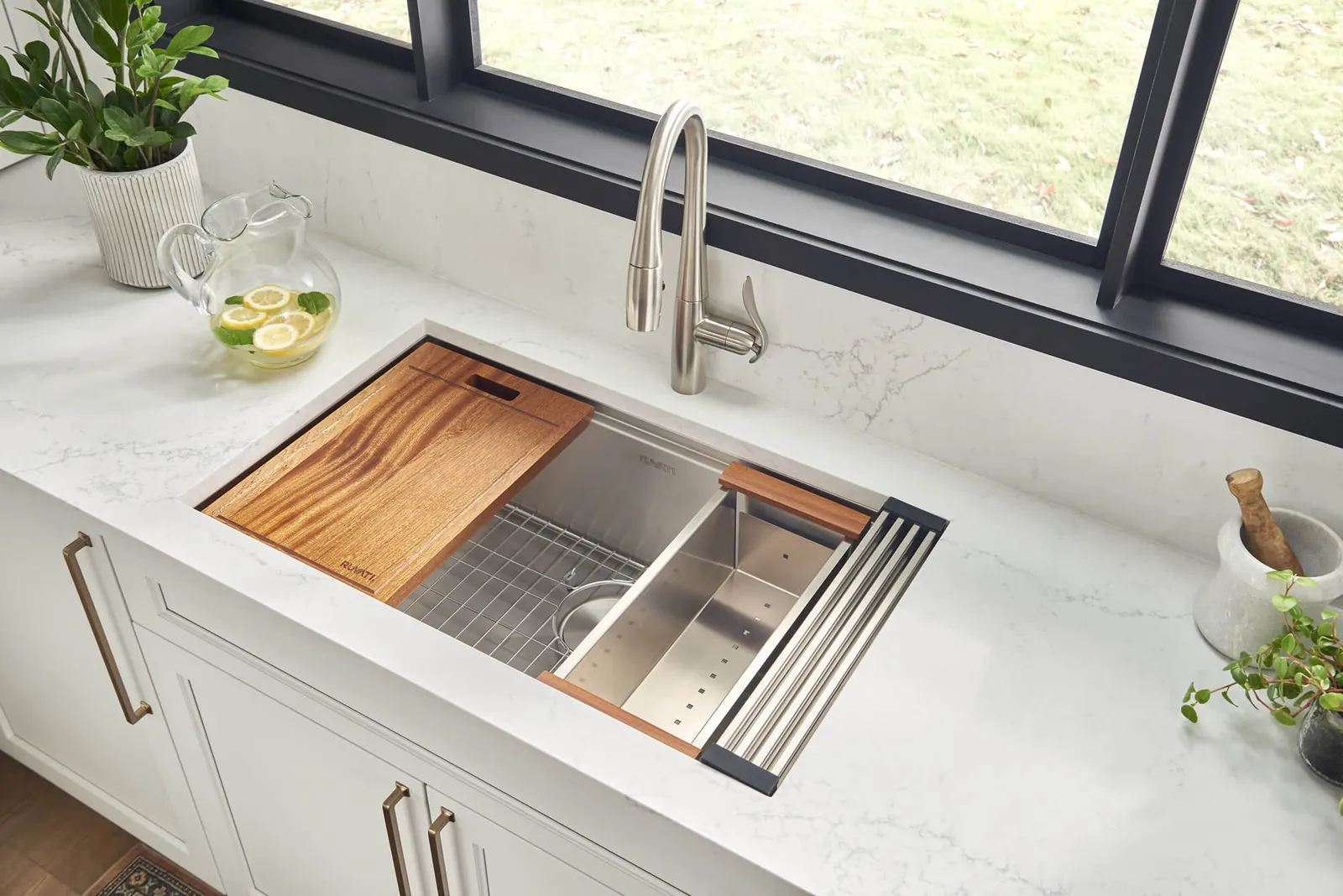
Your choice comes down to three factors: the size of your cabinet base, your preferred maintenance routine, and the weight your countertops can support. Measure the inside width of your cabinet base; a sink that’s wider than the base won’t fit. If you have a 33-inch cabinet, you should choose a sink with an external width of 30 inches or less to allow room for clips.
Many homeowners mistakenly choose a sink that matches the cabinet width exactly. This oversight prevents the installation of mounting hardware, forcing a costly return or a custom cabinet modification. If your cabinet features a decorative apron front, verify the apron height against your existing cabinet door clearance before purchasing.
Stainless steel is the standard for a low-maintenance, quiet, and durable basin. Look for a 16-gauge thickness if you want to prevent denting and dampen the metallic clatter of dishes. If you prefer a decorative look that serves as a centerpiece, fireclay or copper are better options. Fireclay is incredibly resistant to heat and acid, but it’s brittle; dropping a heavy cast-iron skillet can cause a permanent chip.
If you choose a heavy material like fireclay or cast iron, confirm your countertop can support the load. These materials often require reinforced cabinetry or specialized plywood supports to prevent the sink from sagging over time. If you’re installing an undermount sink with granite or quartz, ensure the countertop fabricator has the sink specifications before they cut the stone.
If you’re retrofitting an existing kitchen, stick to a drop-in sink to avoid replacing the entire countertop. If you’re performing a full renovation, an undermount sink offers a cleaner look and easier cleanup.
Frequently asked questions
How long do stainless steel sinks last?
Stainless steel sinks typically last 15 to 30 years with proper care. Longevity depends on the steel grade, such as 304 stainless, and regular cleaning to prevent mineral buildup. Avoid frequent exposure to harsh chemicals like bleach to prevent surface pitting.
Is it safe to put hot pans in a composite sink?
Most composite granite sinks withstand heat up to 535°F. While the material is heat-resistant, you should use a trivet when removing pans from high-heat burners to avoid thermal shock. Check your specific brand’s documentation, as resin-to-stone ratios vary by manufacturer.
What happens if I drop a heavy pot in a fireclay sink?
A heavy pot dropped into a fireclay sink may chip the enamel or crack the underlying clay. Because fireclay is a brittle ceramic, it lacks the flexibility of metal. Deep cracks often require full sink replacement to prevent water leaks.
How do I stop my stainless steel sink from being noisy?
You can reduce noise by ensuring your sink has sound-dampening pads or a spray-on coating on the underside. If the sink is already installed, you can apply aftermarket sound-deadening rubber sheets to the exterior. These sheets absorb vibrations from running water and dishes.
How often should I clean my copper sink?
Clean your copper sink with mild soap and water after every use to protect the natural patina. Apply a food-safe copper wax every 3 to 6 months to maintain a shiny appearance. Note that copper is a living finish that changes color over time.
Does the gauge of stainless steel matter?
A lower gauge number indicates a thicker, more durable steel sink. A 16-gauge sink is thicker and more dent-resistant than an 18-gauge model. Choose 16-gauge steel if you expect heavy use from large pots and cast iron pans.
Is an undermount sink harder to keep clean?
Undermount sinks are easier to clean because there’s no rim to catch crumbs or water. You can wipe debris directly from the countertop into the basin. Ensure the countertop edge is properly sealed to prevent water from seeping into the cabinet.
Conclusion
To start, measure your cabinet base width to determine the maximum sink size you can accommodate. Once you receive your new sink, place it in the opening to confirm it fits before you begin the final plumbing connections. If you encounter any gaps larger than a quarter-inch between the sink and the counter edge, stop the project and contact a professional installer to avoid potential water damage to your cabinetry.