
A sacrificial anode works by using a metal that’s more chemically active than the structure it protects, allowing the anode to corrode first so the main object stays intact. This process, known as galvanic corrosion, essentially forces the electricity to flow from the sacrificial metal toward the protected metal. By giving the corrosion a target, you ensure the hull or pipe remains structurally sound while the cheap, replaceable anode slowly disappears.
How sacrificial anodes work to protect metal
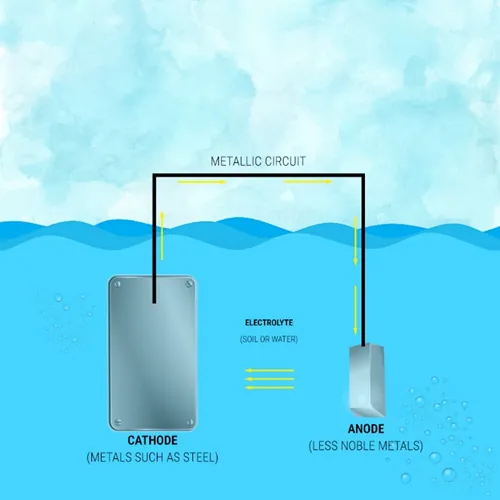
These parts work together to create an electrical circuit that shifts corrosion away from your valuable equipment. If you notice the anode isn’t wearing down, it may indicate a broken electrical bond or that the anode isn’t properly connected to the structure. The American Boat and Yacht Council provides specific standards for these systems to ensure they work safely in marine environments.
| Part or input | What it does | What you notice when it goes wrong |
|---|---|---|
| Sacrificial anode | Corrodes to protect metal | Anode stays shiny and new |
| Electrical bond | Connects anode to structure | Corrosion appears on the hull |
| Electrolyte | Conducts the electric current | Anode wears away too fast |
| Protected metal | Stays free of rust | Pitting or holes appear |
| Fasteners | Hold the anode firmly | Anode falls off the mount |
A critical mistake is painting over an anode. Even a thin layer of bottom paint acts as an insulator, breaking the electrical connection and rendering the metal useless. If your anode looks pristine after six months in the water, check the bonding wire for continuity using a multimeter. This is a task that should be performed by a qualified technician.
If you operate in brackish water, use zinc anodes. If you’re in freshwater, switch to magnesium, as zinc won’t provide enough potential to drive the current. When the anode has lost 50 percent of its original mass, replace it immediately to maintain full protection.
Steps for installing a new anode
You must ensure the anode has a clean, metal-to-metal connection to the surface it protects. If you paint over the connection point, the circuit won’t close and the anode won’t work. Check your owner’s manual for the specific alloy required for your water type, as this changes the effectiveness of the metal.
- Clean the mounting area on your hull or pipe using a wire brush to remove all old paint, rust, or marine growth.
- Check the contact surface with a multimeter to ensure there’s zero resistance between the mounting bolt and the metal structure you’re protecting.
- Bolt the new anode onto the structure firmly, making sure the metal surfaces are touching directly without any grease or sealants in between.
- Tighten the fasteners to the torque specification listed in your equipment manual to prevent the anode from vibrating loose while in the water.
- Inspect the anode for a solid, conductive path; if the connection is loose, the anode will stay intact while your structure starts to rust.
- Verify the anode type matches your environment; for example, use zinc for salt water and magnesium for fresh water to get the right reaction.
Why corrosion targets the anode
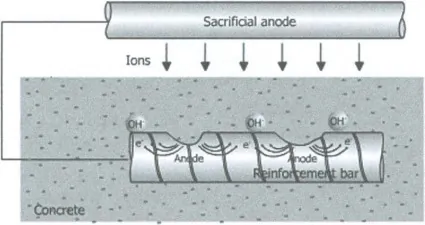
The science behind this protection relies on the electrochemical potential of different metals. When two different metals are connected in an electrolyte like water, the one that’s more “active” will lose electrons to the one that’s more “noble.” By adding a piece of magnesium or zinc, you create a new path for this electron flow.
If you don’t provide this sacrificial path, the surrounding metal—such as your propeller or engine block—becomes the source of the electrons. As it gives up these particles, the metal atoms themselves break away, which is what we see as deep pitting or rust.
This mechanism is a trade-off because the anode is designed to be destroyed. If the anode were made of a material that didn’t corrode, it would fail to stop the surrounding metal from rusting. You must accept that a healthy, working system involves an anode that slowly shrinks or crumbles over time.
If you see an anode that remains perfectly smooth and thick after months of use, verify the electrical continuity to ensure the system is functioning. The electrical circuit is broken, and the corrosion is currently eating into your expensive metal parts instead of the cheap block you installed.
Practical limits and control
Things you control
- Choosing the correct alloy for your water salinity.
- Keeping the electrical bond free of paint.
- Replacing the anode when it reaches 50% mass.
- Cleaning the mounting studs during every inspection.
Fixed design limits
- The surface area of the anode relative to the hull.
- The physical location of the anode on the structure.
- The natural voltage difference between the two metals.
If you find deep pitting on your hull despite having an anode, you may have a stray current issue from a faulty electrical system. This requires a professional marine electrician to test for leaks. Never attempt to rewire high-voltage boat systems yourself, as this carries a high risk of electrical shock or fire.
Maintaining your anode system
Effective protection depends on regular checks. If you keep the anode clean, it will continue to sacrifice itself for your equipment. A good habit is to check your anodes every 6 months, or whenever you haul your boat out of the water. If the anode has lost more than half of its original weight, replace it immediately to keep the protection levels high.
Never use a hammer to knock off barnacles on the anode, as this can damage the mounting bracket. Instead, use a plastic scraper to keep the surface conductive. A common mistake is painting over the anode to match the hull; this creates an insulating barrier that renders the metal useless. If the anode surface is covered in a thick, white crust, it may still be active, but you should ensure the electrical connection remains sound.
If you move your boat from salt water to fresh water, you must swap your zinc anodes for magnesium ones. Zinc doesn’t provide enough voltage in fresh water to stop corrosion, so the switch is required to keep your metal parts safe. If you see rapid, pitting corrosion on your propeller despite having an anode installed, you’re likely using the wrong alloy for your specific water salinity.
Frequently asked questions
How often should I replace my sacrificial anode?
Replace the anode when it has worn down to 50% of its original mass. This check should happen at least once every 6 months to ensure the metal has enough material left to maintain the necessary electrical current.
Can I paint over a sacrificial anode to make it look better?
No, you can’t paint an anode because it stops the metal from touching the water. If you cover the surface with paint, the anode becomes insulated and won’t be able to sacrifice its electrons to protect your equipment.
Is it safe to use zinc anodes in fresh water?
No, zinc anodes don’t work well in fresh water because the water isn’t conductive enough to allow the zinc to corrode. You should use magnesium anodes for fresh water to get the right level of protection for your metal parts.
What happens if I don’t use an anode at all?
Your metal parts will begin to corrode much faster because they will become the source of electrons for the galvanic process. This leads to deep pitting, structural weakness, and eventual failure of your underwater metal components or engine parts.
How long does a typical anode last?
Anodes usually last between 6 and 12 months, but the exact time depends on the water quality and your electrical system. You should check the mass of the anode every time you have the opportunity to see it, rather than relying on a set calendar date.
Does the size of the anode matter for my boat?
Yes, the total surface area of the anode must be large enough to cover the underwater metal of your boat. You should follow the size recommendations provided by the boat manufacturer to ensure the anode provides enough protection for your specific hull size.
Conclusion
You shouldn’t wait for your equipment to show signs of rust before taking action. Check your anodes every few months to see if they’ve worn down significantly. If they’re more than halfway gone, it’s time to swap them out. Replacing these small parts now will save you from expensive repairs later.

1 thought on “How Does a Sacrificial Anode Work to Prevent Metal Corrosion”