
Foosball table brands rene pierre defines a tier of professional-grade equipment that prioritizes durability and consistent ball roll over flashy aesthetics. These tables are built for serious leagues, not casual backyard games. The core difference lies in the materials: René Pierre uses solid hardwoods like beech and maple, avoiding the particle board found in cheaper models. This construction ensures the rods stay true and the playing surface remains flat for years.
Professional foosball tables at a glance
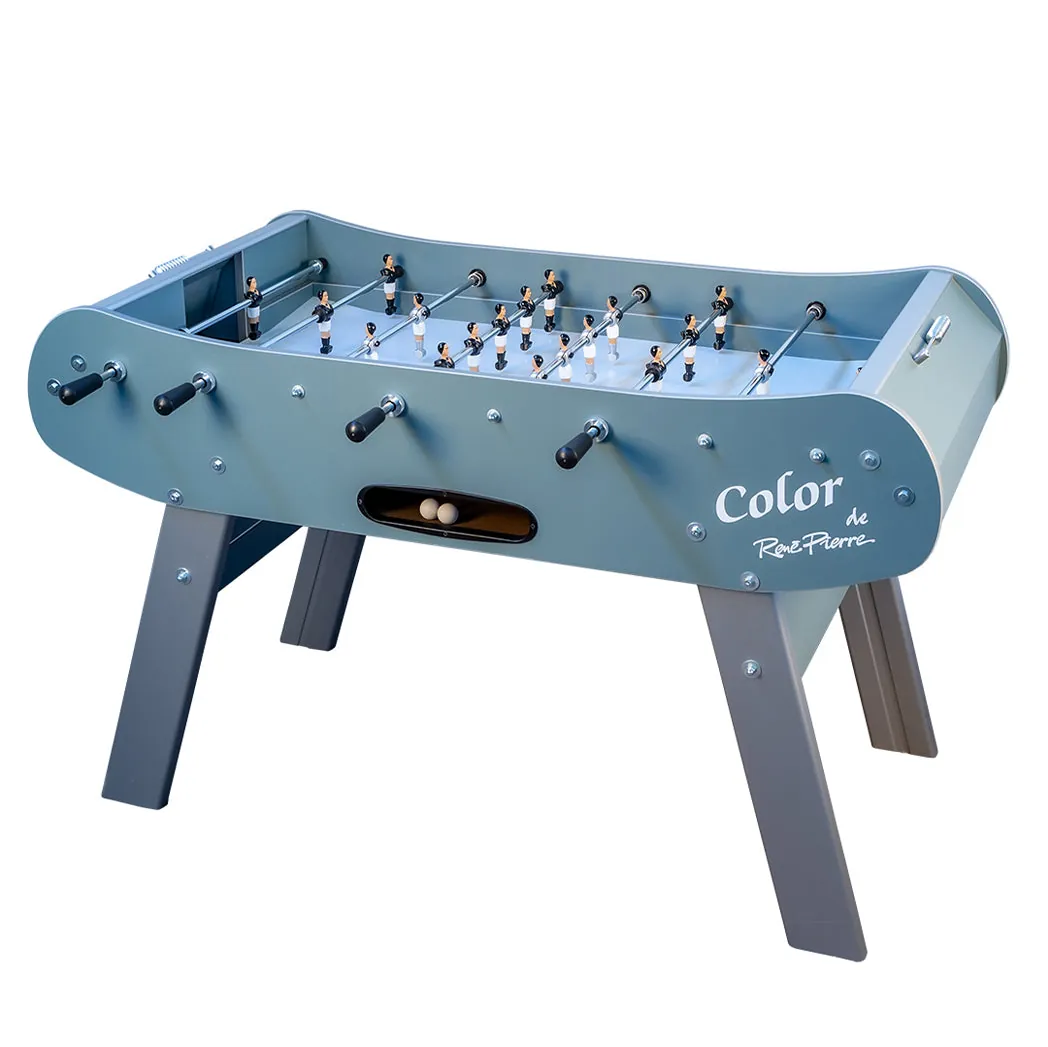
The market offers several distinct types of tables, each suited for different environments and skill levels. Here is how the main options compare in terms of build quality and intended use.
| Table Type | Best For | Concrete Example |
|---|---|---|
| Professional Tournament | High-stakes league play and serious practice | A 5-foot steel rod table with wooden players |
| Standard Home Game | Family fun and casual social gatherings | A 48-inch table with plastic figures and metal rods |
| Compact Bar Model | Spaces with limited floor area or height | A 36-inch tabletop unit designed for standard counters |
| Electronic Scoring | Tracking wins without manual tallying | A table with LED lights and digital scorekeepers |
| Recreational Wood | Beginners wanting a natural feel on a budget | A poplar wood table with basic spring-loaded rods |
The René Pierre Advantage
René Pierre stands out because it supplies the actual tables used in major world championships. Their focus is strictly on competitive integrity rather than decorative flair. You get a machine built to withstand thousands of hours of intense play without warping or breaking.
- Tournament-Approved Surfaces: The playing field meets strict size and friction standards set by international bodies.
- Solid Wood Construction: Frames are made from kiln-dried hardwoods that resist humidity changes better than softwoods.
- Precision Steel Rods: The rods are chrome-plated steel, ensuring smooth rotation even after years of rough handling.
- Replaceable Parts: Every component, from bearings to figures, can be swapped out if damage occurs during play.
A common sight in European bars is the René Pierre 5-foot model, featuring a green felt surface and brass-colored rods that have survived decades of heavy use.
The Standard Home Alternative
Most home tables offer a lower price point but sacrifice long-term durability for immediate affordability. They often use thinner metal rods and lighter wood composites that can bend under forceful kicking. These units are great for occasional Sunday afternoons but fail under daily league pressure.
- Lighter Weight: Easier to move around the house for storage or cleaning.
- Lower Cost Entry: Accessible for families who want to try the sport without a large investment.
- Plastic Figures: Often include colorful, lightweight player figures that reduce rod stress.
- Assembly Friendly: Designed for quick setup by non-professionals with basic tools.
You’ll find these tables frequently in suburban basements, where the goal is entertainment rather than mastering competitive technique.
The Compact Bar Option
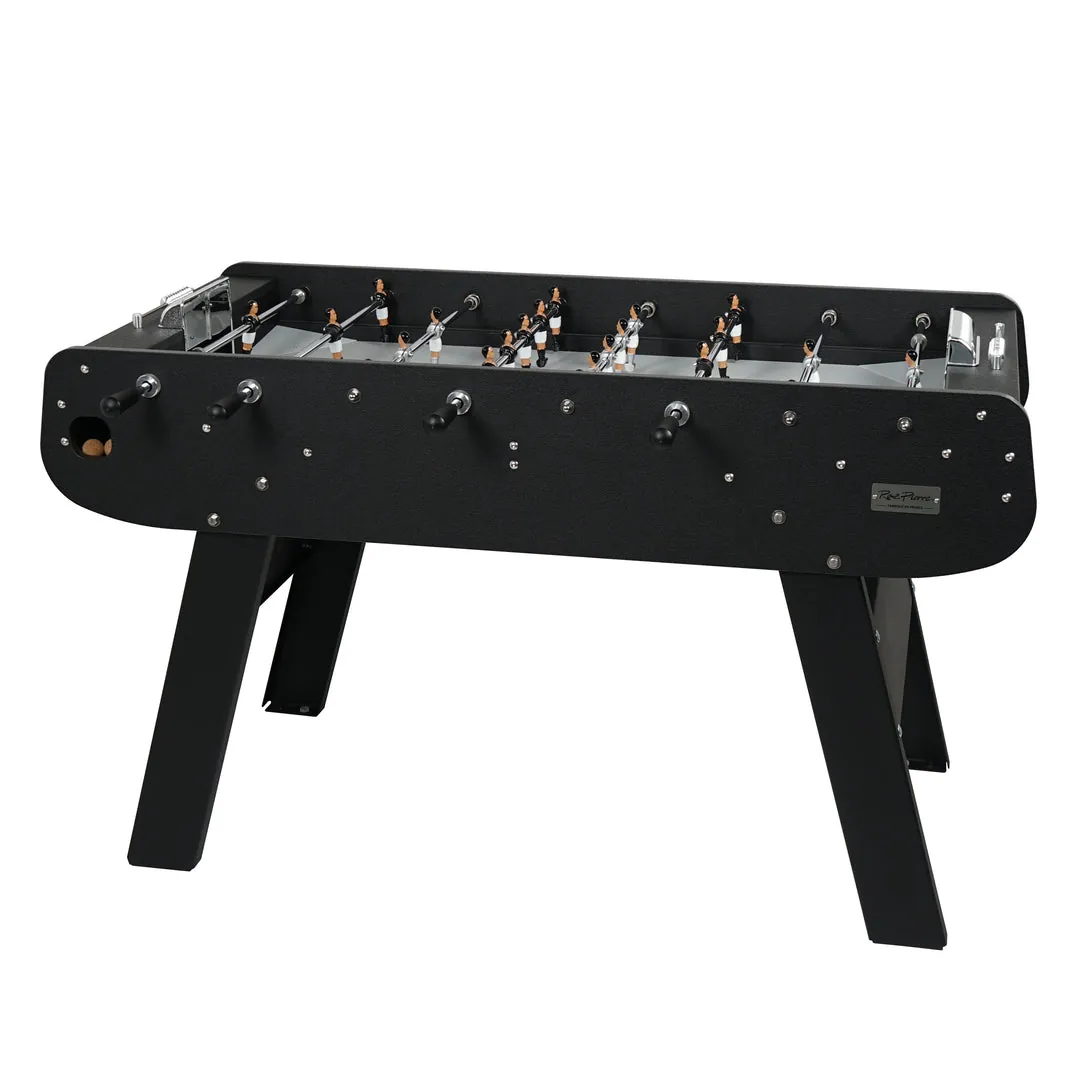
Space constraints dictate many purchasing decisions, making compact tables a necessary category. These smaller units fit on standard kitchen counters or in small apartments. While they lack the full regulation dimensions, they still provide the core mechanical experience of the game.
- Footprint Efficiency: Takes up less than four square feet of floor space.
- Counter Height Play: Designed to be played while standing at a bar or counter.
- Simplified Mechanics: Fewer moving parts mean fewer things can break in tight spaces.
- Portability: Easy to lift and store when not in use.
Many college dorm rooms rely on these 36-inch models for quick matches between classes, proving that size doesn’t always kill the fun.
The trade-off is rarely worth it if you plan to host serious tournaments. You’ll lose the tactile feedback of a full slate bed. The rails are often shorter, which changes the angle of approach for bank shots. This forces players to adjust their aim significantly compared to a professional table.
If you prioritize portability over precision, stick to the lighter composite materials. They survive moves through narrow hallways better than heavy wood frames. Check the weight limit of your building’s elevator before buying. A two-hundred-pound unit might get stuck on the third floor.
Always measure the room diagonally, not just the width. Corners eat into usable space faster than you expect. Leave at least three feet behind the player for a full swing. If your wall is closer, you’ll hit your elbow against the plaster every time.
The Common Misconception
The belief that an inexpensive table is a sufficient entry point ignores the physics of repeated impact. Inexpensive tables fail because their components can’t handle the torque generated during play. Bent rods and warped surfaces don’t just degrade performance; they ruin the game experience within weeks. A budget-friendly option may require replacement far sooner than a high-end professional model, making the higher initial investment more economical over time when you calculate cost per hour of actual play.
This subject requires focus on three distinct categories: the pro model, the home model, and the compact model. Each serves a different frequency of use and space constraint. Ignoring rod quality is the fourth common error. Thin rods bend instantly under power shots, leading to misaligned returns and frustration.
Always check the rod diameter before buying any table, regardless of brand reputation. Thicker rods resist bending and maintain alignment longer. If you plan to play more than twice a week, prioritize rod thickness over aesthetic features. The visual appeal of a sleek design means nothing if the core mechanics are fragile. Choose based on structural integrity first.
Other notable foosball table brands like René Pierre
Bachmann Games targets the casual player who prioritizes convenience over competitive precision. Their electronic tables handle scorekeeping automatically, which removes the friction of manual tallying during long sessions. This feature appeals to families or social groups where keeping accurate records is a chore rather than a pastime. The trade-off is that these machines often lack the heavy steel frames found in professional models, making them lighter and easier to move but less stable during intense play.
Garant serves as a reliable bridge for players transitioning from hobbyist setups to serious competition. Their German engineering focuses on consistent bounce and durable surfaces without the premium price tag of top-tier brands. This makes them ideal for clubs that need multiple tables for league play without breaking their budget. You get near-pro performance at a mid-range cost, provided you don’t expect the customizable features of high-end custom builds.
Sportcraft uses plastic-composite materials to create tables that withstand outdoor elements and rough handling. These are perfect for patios, garages, or community centers where weather or heavy use would ruin wooden tables. While they may not offer the same smooth roll as slate or high-grade MDF, they provide exceptional durability for environments where maintenance is difficult or impossible.
Stiga appeals to buyers who view game tables as furniture first. Their sleek, modern designs integrate seamlessly into living rooms or home offices, attracting those who want aesthetics alongside functionality. However, this focus on design can sometimes mean sacrificing some of the raw power and speed that competitive players demand.
How to choose between them
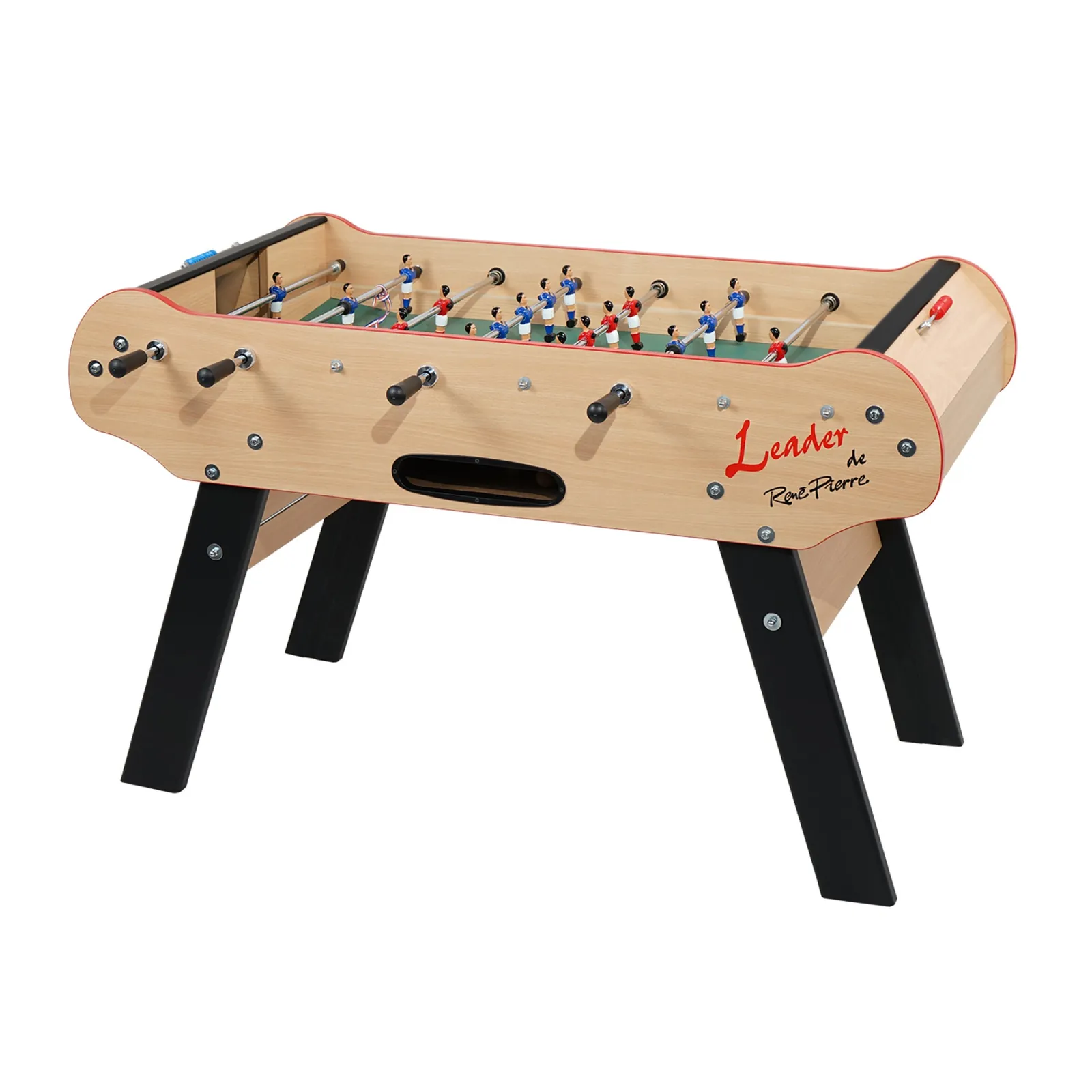
Your choice depends on three factors: your budget, your space, and your commitment level. If you have a dedicated room and plan to join a league, pick the René Pierre professional model. It’s an investment in consistency.
The table requires a 16×20 foot footprint for proper play. You must measure the room before buying. Most people forget to account for cue clearance. Leave four feet of open space around every rail. If your room is smaller, the game becomes cramped. Shots get blocked. Frustration rises. The experience suffers regardless of table quality.
If you just want family fun on weekends, a standard home table saves money. These models handle casual play well. They don’t require leveling kits or special tools. A simple screwdriver suffices for setup. This matters if you lack handyman skills.
For small apartments, the compact bar model fits where others cannot. It folds away when guests arrive. Storage becomes possible again. However, the playing surface shrinks significantly. Long shots become difficult. You sacrifice precision for convenience. Know this trade-off clearly.
You generally can’t combine these effectively; picking one means accepting its limits. Don’t buy two tables hoping to switch contexts. The cost adds up quickly. Maintenance doubles. Space requirements multiply. Choose the primary use case first. Secondary needs can wait.
Related guides
- Best Foosball Tables Under 500: Top 5 Picks in 2026
- 5 Best Massage Table Brands for Quality and Comfort in 2026
- How to Paint a Glass Table Top: A Step by Step Guide
Frequently asked questions
Can I use a non-René Pierre table for tournaments?
Yes, if it meets official size and material standards. Most leagues allow any table that has a regulation 4×2 foot surface and smooth steel rods. Check your local league rules for specific brand approvals before buying.
Why do my rods stick sometimes?
Sticking usually happens due to dust buildup or dried lubricant inside the bearing sleeves. Clean the rods with a dry cloth and apply a small amount of silicone spray to keep them moving freely.
How long does a good foosball table last?
A well-maintained professional table can endure for decades. Cheaper models typically wear out much sooner due to warped wood or bent rods. Proper care extends life significantly.
Is it safe for kids to play?
Yes, provided the table is stable. Ensure the table doesn’t tip easily during vigorous play. Supervise young children to prevent pinched fingers between the rods and the frame.
What happens if I spill liquid on the table?
Wipe it up immediately with a dry cloth. Liquid can warp the wood surface and rust the metal rods if left untreated. Avoid using harsh chemicals that might damage the finish.
Does the type of ball matter?
Yes. Use a regulation foam or cork ball. Hard plastic balls can damage the playing surface and the player figures over time. Soft balls protect the equipment better.
Where to buy professional tables
Start by visiting the manufacturer’s website to find authorized dealers near you. René Pierre Official Website lists certified retailers who can provide assembly and warranty support. Buying from an authorized dealer ensures you receive a genuine product with full coverage.
Third-party marketplaces often list identical tables at lower prices, but these sellers rarely hold the manufacturer’s warranty. If your table develops a structural crack or finish defect within five years, the original maker will refuse service for proof-of-purchase receipts from unauthorized sources. This distinction matters because repair costs for solid maple legs can be substantial. Always verify the seller’s status directly on the brand’s portal before completing any transaction.
Local furniture showrooms may stock display models that are heavily discounted. These units often have minor cosmetic flaws like small scratches or loose joints. Inspect every surface under bright light before signing the contract. Ask specifically if the included warranty applies to floor models, as some brands limit coverage to new inventory only.
Consider the delivery logistics carefully. Professional tables weigh significantly more than standard dining sets. A four-hundred-pound slab requires specialized equipment to move through narrow hallways or up staircases. Confirm whether the dealer offers white-glove delivery services that include unpacking and placement. Without this service, you risk damaging floors or injuring yourself during the move. The extra fee is usually worth avoiding potential hospital visits or property damage claims.