
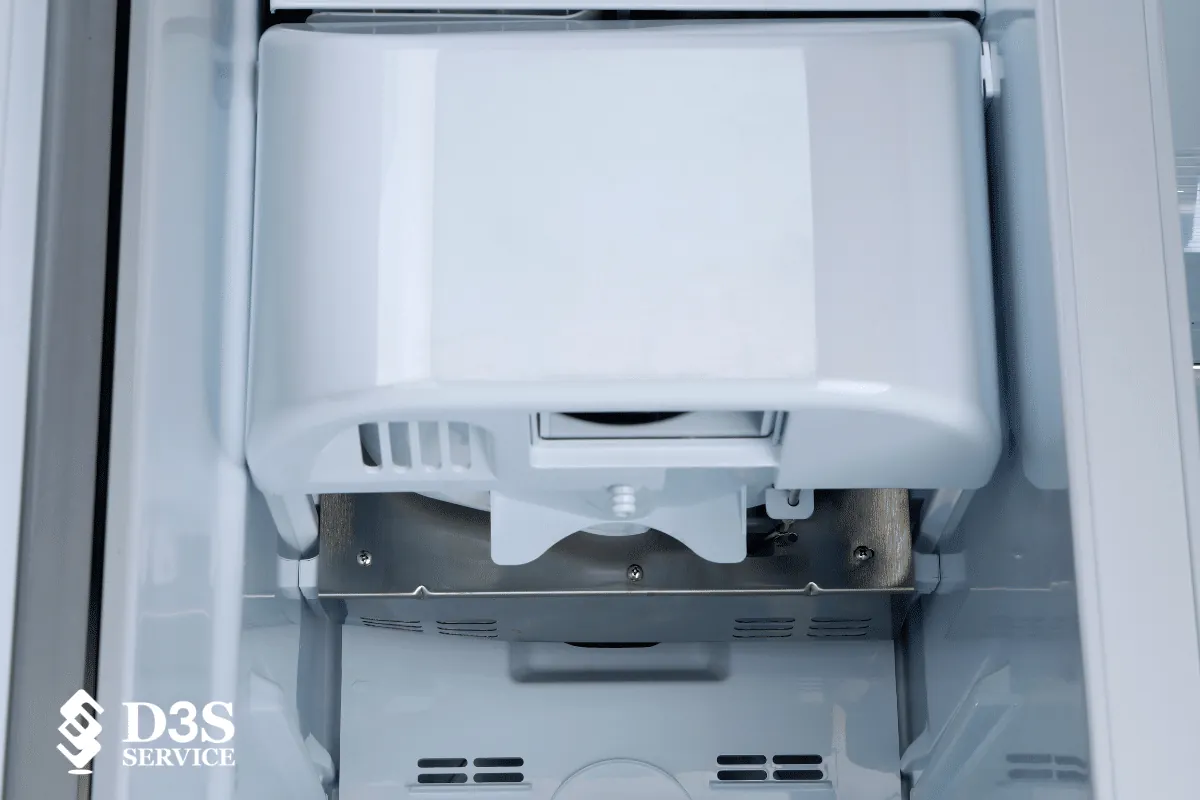
It’s incredibly frustrating to open your refrigerator door, press a glass against the dispenser, and hear nothing but silence. You know the appliance has power because the ice maker is working perfectly, yet the water simply refuses to flow. Dealing with a fridge making ice but not dispensing water is a common mechanical headache that usually stems from a specific blockage or a failed component in the internal plumbing system. Understanding why this happens allows you to narrow down the problem from a dozen possibilities to the one or two that actually affect your specific unit.
Key Takeaways
- Check the water supply line for kinks or bends that restrict flow to the unit.
- Inspect the water filter to see if it’s clogged or improperly installed, preventing flow.
- Verify the water inlet valve is functioning to ensure water can enter the system.
- Examine the door switch and dispenser lever for electrical or physical malfunctions.
- Clear ice blockages in the door dispenser tube using a hair dryer or warm cloth.
Is the Water Line Frozen?
The most common reason for this issue is a frozen water line. When the temperature inside the freezer is set too low, or the water line running through the door is exposed to cold air, the water inside the tube turns into ice. This creates a physical plug that prevents liquid from reaching the dispenser spout.
To test this, disconnect the water line at the bottom of the freezer door. If water flows from the supply side but not from the door side, you have a frozen tube. You can gently thaw this using a hair dryer on low heat or a warm, damp cloth wrapped around the area.
Avoid using excessive heat, as this can melt the plastic tubing or damage the door insulation. Once the blockage is cleared, you should hear the water begin to flow again when you engage the dispenser.
Check Your Water Filter Status
A clogged water filter is another frequent culprit. Filters are designed to trap sediment and chemicals, but over time, they become saturated and act as a physical wall against water flow. If the filter hasn’t been replaced in more than six months, it may be completely blocked, even if the ice maker is still receiving enough pressure to function.
- Remove the filter and try dispensing water without it to see if flow returns.
- Inspect the filter housing for debris or mineral buildup.
- Ensure the filter is seated correctly in the manifold to avoid air gaps.
Pro Tip: Always turn off the water supply before attempting to remove the filter to prevent accidental flooding inside your kitchen.
Examining the Water Inlet Valve
The water inlet valve acts as the gatekeeper for your refrigerator’s plumbing. It receives an electrical signal when you press the dispenser lever, opening a solenoid to allow water into the system. If the solenoid fails or the valve is blocked by sediment, the water won’t reach the dispenser.
| Component | Function | Common Failure Sign |
|---|---|---|
| Solenoid Valve | Opens water flow | Humming noise but no water |
| Water Filter | Cleans water | Slow or nonexistent flow |
| Door Switch | Signals dispenser | Dispenser light turns on, no water |
| Control Board | Sends electricity | Total lack of response |
If you hear a humming sound when you press the dispenser lever but no water comes out, it’s highly likely that the valve is getting power but is mechanically stuck or blocked by debris. You can check the valve with a multimeter to verify electrical continuity. If the valve shows no resistance, the solenoid coil is likely burnt out and requires a replacement part specific to your model.
Why Is the Dispenser Lever Failing?
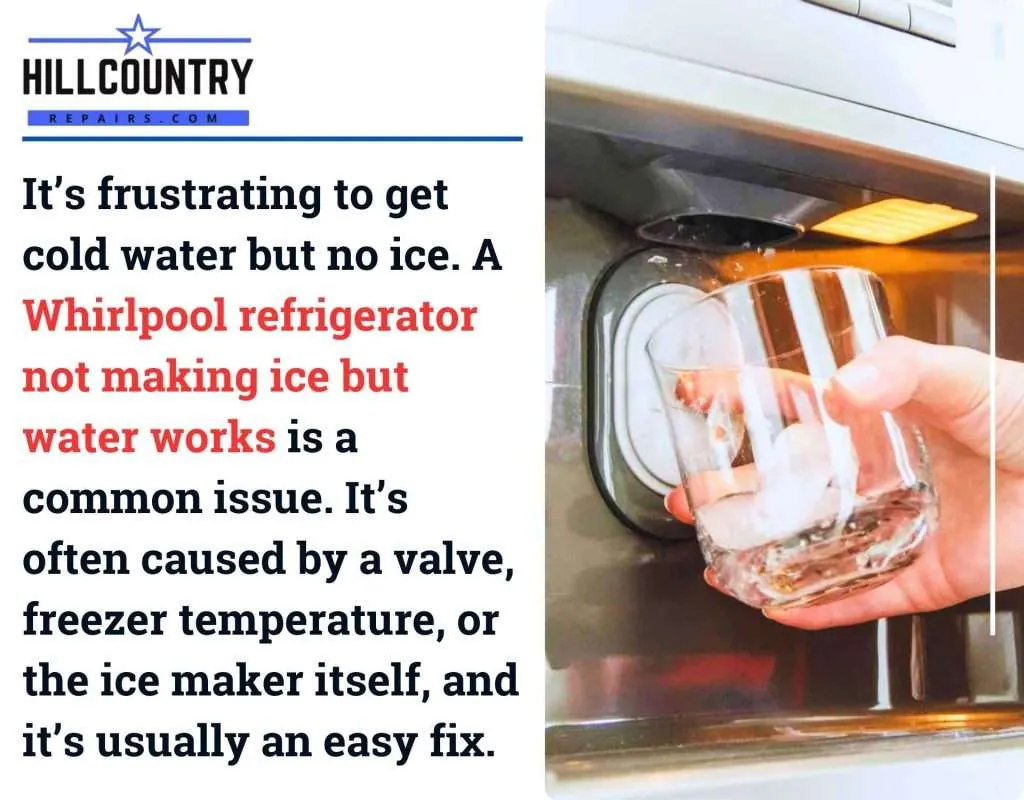
Sometimes the problem isn’t hydraulic, but electrical. The dispenser lever or push-pad must physically trigger a switch that sends a signal to the control board. If the switch is faulty, or if the plastic lever is broken, the circuit never completes.
- Listen for a “click” when you press the dispenser.
- Check the dispenser light; if it doesn’t turn on, the power might be disconnected.
- Inspect the microswitch behind the lever for corrosion.
If the dispenser light remains off while you press the lever, the issue is likely a loose wire or a broken switch assembly. You can access the internal components by removing the trim panel on the front of the dispenser housing. Use caution, as these plastic tabs are often brittle and can snap easily if pried too aggressively.
How Do I Test the Control Board?
The main control board is the brain of your refrigerator. It coordinates the signals between the ice maker, the dispenser, and the water valves. While less common than a frozen line, a failed relay on the control board can prevent the dispenser solenoid from receiving power.
If you have ruled out the valve, the filter, and the door switch, you may need to consult the technical manual for your specific refrigerator model to perform a voltage check on the control board pins. Be aware that working with high-voltage circuits requires extreme caution. Always unplug the appliance before testing internal wiring or board connections.
Common Obstructions in the Dispenser Tube
Even if the valve works, debris can get lodged in the dispenser tube itself. This is common in areas with hard water where calcium deposits accumulate over time, narrowing the diameter of the tube until it’s completely closed.
- Flush the line with a vinegar solution if you suspect mineral buildup.
- Use a thin, flexible wire to gently clear the nozzle of any ice crystals or debris.
- Ensure the door dispenser flap is closing fully, as air leaks can cause condensation that freezes the nozzle shut.
Troubleshooting the Door Switch
The door switch is a small sensor that tells the refrigerator whether the door is open or closed. If the fridge thinks the door is open, it will disable the dispenser as a safety feature to prevent water from spraying onto the floor. If the switch is stuck in the “open” position, the dispenser will remain inactive regardless of how hard you press the lever.
- Check the switch plunger for signs of being stuck.
- Clean the area around the switch to remove sticky residue.
- Replace the switch if it fails to “click” when depressed.
What Is the Repair Cost Range?
Repairing a water dispenser system varies significantly based on whether you perform the work yourself or hire a technician. Parts for these systems are generally affordable, but labor costs can inflate the final bill if a professional is required to disassemble the door or troubleshoot complex electrical boards.
| Repair Type | DIY Parts Cost | Professional Service Cost |
|---|---|---|
| Water Filter Replacement | $25 – $65 | $50 – $100 |
| Water Inlet Valve | $30 – $120 | $150 – $300 |
| Door Switch/Lever | $15 – $50 | $100 – $250 |
| Internal Tubing Repair | $10 – $40 | $120 – $280 |
Are There Any Safety Concerns?
Safety is paramount when working with an appliance that combines water and electricity. Always ensure your hands are dry before touching any internal wiring. If you’re uncomfortable working with electrical components, it’s always safer to call a qualified repair technician. A leaking water valve can also cause internal water damage to your flooring and sub-flooring if left unaddressed for too long.
Warning: Never attempt to bypass safety switches or wiring to force a dispenser to work, as this can lead to short circuits or permanent damage to the main control board.
Related guides
- Best Smart Water Bottles in 2026
- Are Salt Water Pools Warmer? The Truth Explained in 2026
- 5 Best Water Softeners for Well Water: Our Top Picks in 2026
Frequently Asked Questions
Why does my ice maker work but water does not?
This usually happens because the ice maker and water dispenser have different pathways. The ice maker is often fed by a separate line or is unaffected by a blockage in the door dispenser tube. If the dispenser line is frozen or the dispenser valve is faulty, the ice maker can continue to function normally while the water dispenser remains completely dry.
How do I know if my water filter is bad?
A bad filter often causes low water pressure or a complete lack of flow. If your water dispenser is slow or completely stopped, try removing the filter. If the water flows normally after the filter is removed, the filter was the source of the blockage. Always replace the filter every six months to prevent sediment buildup from damaging the internal valves.
Can a frozen water line cause a leak?
Yes, a frozen line can lead to cracks in the plastic tubing. As water inside the tube freezes and expands, it places extreme pressure on the plastic, leading to small splits. Once the ice thaws, these splits can allow water to leak inside the door or onto your floor. If you suspect your line was frozen, inspect it closely for any signs of wetness.
Is it worth fixing a non-dispensing fridge?
In most cases, yes. The parts required to fix a water dispenser, such as a new inlet valve or a replacement switch, typically cost under $150. Even with professional labor, this is usually much cheaper than purchasing a new refrigerator. Unless the unit is over 15 years old or has multiple failing systems, repairing the water dispenser is a cost-effective way to restore full functionality.
Should I turn off the water supply if the dispenser fails?
If you suspect the water valve is stuck open or leaking, you should turn off the water supply immediately to prevent flooding. However, if the dispenser is simply not working and there’s no evidence of a leak, you don’t strictly need to shut off the water. It’s still a good safety practice to turn it off before performing any repairs or inspections.
Conclusion
The most effective way to start your repair is to identify whether the issue is a physical blockage or an electrical failure. Begin by checking the water filter and the dispenser nozzle for ice or mineral deposits, as these are the most common and easiest fixes. If those areas are clear, proceed to testing the water inlet valve for power. If you remain unsure, consult your owner’s manual to find the exact part numbers for your unit before ordering replacements.
