
Paper is fundamentally an electrical insulator, meaning it doesn’t allow the free flow of electric current under normal, dry conditions. Because of its atomic structure and lack of free electrons, paper acts as a dielectric material, which helps it prevent the movement of charge. However, this property isn’t absolute and can be significantly altered by environmental factors, particularly moisture content and chemical additives. Understanding why paper resists electricity is essential for anyone working with circuits, electrical safety, or paper-based engineering.
Key Takeaways
- Keep paper completely dry to ensure it maintains its insulating properties in any electrical environment.
- Avoid using standard office paper as a structural barrier in high-voltage applications due to risk of dielectric breakdown.
- Be aware that humidity levels above 60% can cause paper to absorb enough water to become a weak conductor.
- Use specialized, resin-impregnated paper if you require a material that serves as a consistent electrical insulator.
- Always treat paper as a flammable material when exposed to high-current sparks or thermal energy.
Is Paper a Conductor or an Insulator?
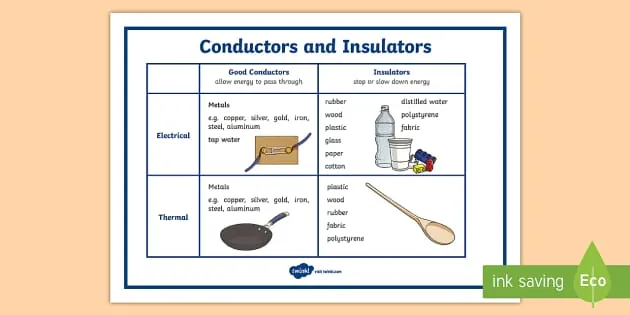
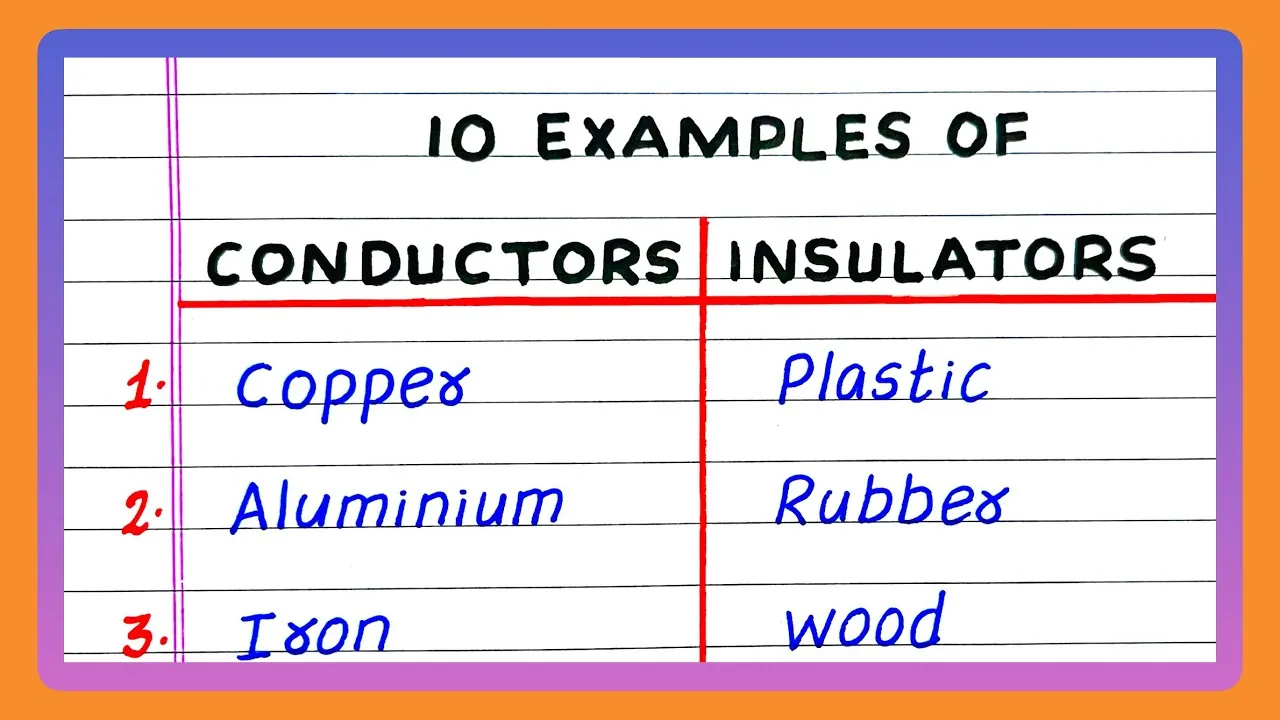
In the world of physics, substances are classified by how well they allow electrons to move through them. Conductors, such as copper or aluminum, have a sea of loosely bound electrons that flow easily.
Insulators, like paper, glass, and rubber, hold their electrons tightly to their atoms. Because paper consists primarily of cellulose, which is an organic polymer with strong covalent bonds, it effectively traps electrons in place. This makes it a standard choice for basic electrical isolation in low-voltage scenarios.
| Material Type | Electrical Property | Typical Application |
|---|---|---|
| Metal (Copper) | Conductor | Wiring and Circuitry |
| Rubber | Insulator | Cable Insulation |
| Dry Paper | Insulator | Capacitor Dielectrics |
| Wet Paper | Semi-conductor | Potential Hazard |
How Humidity Alters Electrical Properties
While dry paper is a reliable insulator, its performance changes drastically when it encounters water. Water, especially if it contains dissolved minerals or impurities, is a decent conductor of electricity.
When paper absorbs moisture from the air, the water fills the microscopic pores between the cellulose fibers, creating a path for electrons to travel. This turns the paper from a safe dielectric barrier into a potential hazard. If you’re working in a damp environment, you should never rely on paper to protect you from electrical shocks.
When Does Paper Conduct Electricity?
The transition from insulator to conductor usually happens when the paper becomes saturated or is treated with conductive substances. For instance, if paper is coated with metallic dust, carbon, or conductive inks, it will carry current.
Furthermore, if you subject paper to high enough voltage, you may experience a dielectric breakdown. This is the point where the electrical stress is so intense that it forces electrons to jump through the material, effectively punching a hole through the paper and creating a path for a spark.
Factors Affecting Insulation Efficiency
Several variables dictate how well paper holds back an electrical charge. Thickness is a primary factor; a thicker sheet provides more resistance. The density of the paper also matters, as compressed, high-density paper has fewer air gaps for moisture to collect.
Finally, chemical purity plays a role. Standard office paper contains bleaches, clays, and sizing agents, all of which can influence its insulation resistance. Industrial-grade paper, used in electrical transformers, is processed specifically to remove impurities that might lead to failure.
Comparison of Common Insulating Materials
When choosing a material for electrical safety, it’s helpful to see how paper stacks up against other common insulators. While paper is inexpensive and easy to shape, it lacks the durability and moisture resistance of synthetic polymers.
| Material | Relative Insulation Quality | Moisture Resistance |
|---|---|---|
| Glass | Excellent | Very High |
| Teflon | Excellent | High |
| Dry Paper | Moderate | Very Low |
| Wood | Moderate | Low |
Are There Conductive Paper Products?
Yes, there’s a specialized class of paper engineered to conduct electricity. This is often achieved by embedding carbon nanotubes, silver nanoparticles, or conductive polymers into the cellulose matrix. These materials are used in flexible electronics, sensors, and even smart packaging technologies. These products are manufactured to have a specific surface resistivity, allowing them to function as heating elements or antennas. Never mistake these high-tech materials for the standard printer paper you find in your home office.
Can Paper Cause Electrical Fires?
Paper is a highly combustible material. If an insulator fails and causes a short circuit, the resulting spark or arc can easily ignite the paper. Because paper has a low ignition temperature, it’s one of the most dangerous materials to have near exposed wiring.
Even if the paper itself isn’t the source of the electrical fault, it acts as a primary fuel source that can spread a small spark into a major fire. Always maintain a safe distance between paper products and any electrical component that generates heat.
Pro Tips for Electrical Safety
Warning: Never use paper to wrap or insulate exposed wires, even if you believe the circuit is low-voltage.
Pro Tip: If you need a temporary, safe insulator for a school project or hobbyist circuit, look for heat-shrink tubing or electrical tape instead of paper, as these are designed specifically to withstand voltage and prevent contact.
How to Test Material Conductivity
Testing whether a material is a conductor or an insulator usually involves a simple multimeter setup. You would set your device to measure resistance (Ohms). When you place the probes on a piece of standard, dry copy paper, the multimeter should display “OL” or “Infinity,” indicating that no current is flowing.
If you dampen the paper slightly, you’ll likely see the resistance drop, confirming that the paper has begun to conduct electricity. Never attempt to test high-voltage sources using this method, as it poses a significant risk of personal injury.
Safety Guidelines for Paper Use
- Keep all paper documents and loose sheets away from high-power appliances.
- Don’t use paper as a shim or support for electrical outlets or switches.
- Ensure that any paper used in electronics projects is completely dry and free of metallic glues.
- Avoid using paper near sources of static electricity, which can cause arcing.
- Regularly inspect electrical enclosures to ensure no paper debris has entered the housing.
Related guides
- Foosball Table Brands Rene Pierre: The Verdict in 2026
- 5 Best Wooden Foosball Tables: Picks & Verdict in 2026
- How to Load Paper in Printer: A Simple Step-by-Step Guide
Frequently Asked Questions
Why does wet paper conduct electricity better than dry paper?
Dry paper is made of cellulose, which is an excellent insulator with no free electrons to carry a charge. When paper gets wet, it absorbs water molecules that contain dissolved ions. These ions are free to move, allowing electricity to pass through the moisture-filled gaps in the paper fibers. The water effectively turns the non-conductive paper into a path for electrical current to travel.
Can I use paper to insulate a wire in an emergency?
No, you should never use paper to insulate a wire. Paper is porous, flammable, and its insulating properties are highly unstable, especially if humidity levels change. It provides no protection against physical wear or heat, and it can easily lead to a fire or a dangerous electrical shock. Always use industry-standard materials like electrical tape or heat-shrink tubing for any wiring repairs.
What is dielectric breakdown in paper?
Dielectric breakdown occurs when the electrical stress applied to paper exceeds its ability to resist current. At this limit, the material’s atomic structure is forced to release electrons, creating a conductive path. This often results in physical damage to the paper, such as charring or a small hole. Once the breakdown happens, the paper is permanently damaged and will no longer function as an effective insulator.
Is cardboard an insulator like paper?
Yes, cardboard is made from the same cellulose fibers as paper and functions as an insulator in dry conditions. However, because cardboard is thicker and often more porous, it can absorb even more moisture than thin paper. This makes it even more prone to becoming a conductor in humid environments. Like paper, it’s also highly flammable and should never be used as a primary electrical insulator.
Does the type of paper affect its insulation?
Yes, the manufacturing process significantly impacts insulation. Office paper contains fillers, bleaches, and sizing agents that can make it slightly more conductive than pure, high-density industrial paper. Paper that has been treated with flame retardants or conductive coatings will have vastly different electrical properties. For critical applications, engineers use specialized electrical-grade kraft paper that has been washed of impurities and dried to precise standards.
Conclusion
If you’re working on a project involving electricity, treat every component with the caution it deserves. Always prioritize safety by using materials specifically rated for the voltage and environment you’re working in. For your next step, visit a local hardware store or electronics supply shop to purchase certified electrical insulation tape, which is designed to keep you safe and your circuits functioning properly.
