
A blocked drain hose or a clogged pump filter is the primary reason for an lg washing machine oe error code appearing on your display. This alert means the machine can’t empty the water inside the drum within the expected time. To confirm this, check the drain hose behind the unit for any visible kinks or bends that might be stopping the water flow. If the hose looks clear, you must inspect the small filter at the bottom front of the machine to ensure it isn’t blocked by debris.
Identifying the LG washing machine OE error code
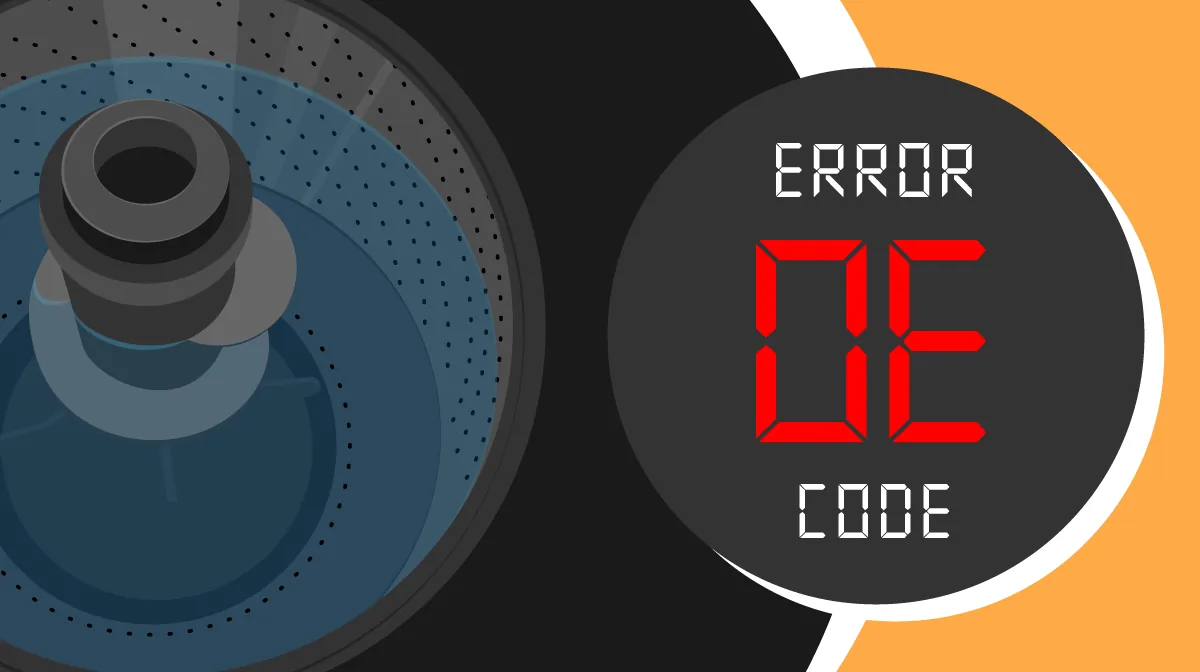
When you see this error, it’s vital to know that the machine is essentially telling you it’s stuck. The system is designed to stop the cycle to prevent flooding or damage to the pump motor.
| What you notice | What it usually means | What to do first |
|---|---|---|
| Water sits in drum | Blocked hose or filter | Check for bent hoses |
| Pump makes loud noise | Debris in pump area | Clean the drain filter |
| Error appears mid-cycle | Kinked drain pipe | Straighten the drain hose |
| Water drains very slowly | Partial clog in pipe | Check house wall drain |
| Machine stops at spin | Full drain filter | Empty the filter trap |
| Pump runs but no flow | Air lock in hose | Lower the drain hose |
If the water level remains above the door seal after a cycle, don’t force the door open. You risk spilling gallons of gray water across your floor. Instead, manually drain the unit using the small emergency tube located behind the lower access panel.
Most users mistakenly assume the pump has failed when they hear a rhythmic clicking. In reality, this sound often indicates a small object, like a coin or bra wire, is trapped in the impeller. If you hear this, stop immediately to prevent the motor from burning out.
If your hose runs uphill for more than 30 inches before reaching the wall drain, the pump will struggle to maintain flow. You must ensure the exit point is lower than the drum’s water line to allow gravity to assist the pump. If the machine drains fine when the hose is lying on the floor but fails when attached to the wall, your pump is likely losing its prime.
Clearing the drain hose obstruction
The most common cause is a physical blockage in the hose that carries water away from your appliance. If the hose is bent, crushed, or pushed too far into a standpipe, the pump can’t push water out. To fix this, pull the machine away from the wall and ensure the hose has a clear path with no sharp bends.
If the hose is pushed too far into the standpipe and creates an airtight seal, it can cause siphoning, which may lead to drainage issues. Don’t seal the hose into the standpipe with tape, as an air gap must be maintained at the top of the pipe to prevent siphoning. If you see tape, remove it immediately to allow the system to breathe.
Check the height of your drain hose as well. If the end of the hose is higher than 96 inches from the floor, the internal pump will struggle to move the water. Conversely, if the drain is lower than the minimum height specified by the manufacturer, the machine may siphon water out during the wash cycle.
If you find a kink, straighten it out and run a drain and spin cycle to see if the water clears. If the machine empties fully and the error light turns off, you have resolved the blockage. Should the water remain, detach the hose from the drain pipe and inspect the interior for small debris like coins or hairpins that often lodge near the pump connection.
Cleaning the pump filter trap
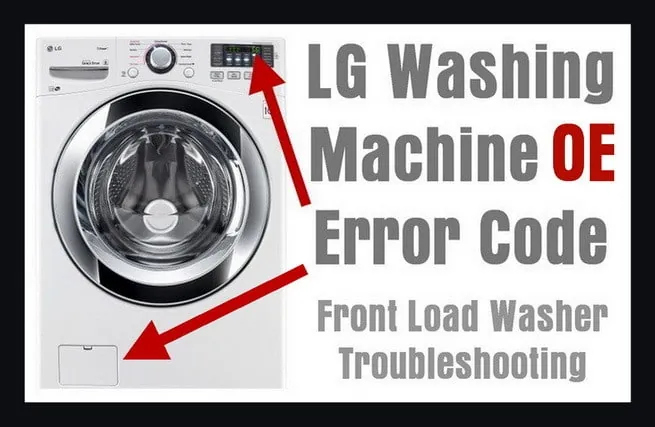
A second common cause is a dirty drain pump filter located at the bottom of the machine. Over time, small items like coins, hairpins, or heavy lint collect in this filter and stop the pump from spinning. If the pump can’t spin, it can’t force water out, and the machine will display the error. This is different from a hose issue because the problem is inside the machine, not in the pipe leading away from it.
To check this, open the small access door at the bottom front of your washer. Place a shallow pan underneath to catch the water that will spill out. Expect at least one quart of standing water to drain immediately once the seal breaks. Carefully unscrew the filter cap by turning it counter-clockwise.
Pull the filter out and remove any debris you find inside the housing. Rinse the filter under warm water to remove slime or lint. Before putting it back, look into the empty chamber to ensure the pump impeller can move freely with your finger. If it feels stuck, don’t force it; you likely have a lodged object deeper in the pump housing that requires a technician.
Screw the cap back on tightly, as a loose cap will cause a leak. Most people fail to align the threads perfectly, which leads to a slow drip during the next cycle. If you feel resistance before the cap is flush, back it out and try again. You can tell this fixed the issue if the pump runs quietly and the water drains away in under 2 minutes.
Checking the house drainage system
Sometimes the machine is fine, but the house plumbing where the hose connects is blocked. This happens if the standpipe or sink drain is partially clogged, causing water to back up into the washer hose instead of going down the drain.
You can tell this apart from machine issues by disconnecting the washer hose from the wall drain and placing it into a large bucket. Run a drain and spin cycle; if the water flows into the bucket quickly and without error, your machine is working perfectly, and the house drain is the culprit.
If the water fills the bucket quickly, the blockage is definitely in your wall pipes. If the water still flows slowly or the pump struggles even with the hose in a bucket, the issue is internal to the machine.
Most homeowners mistake a slow-draining standpipe for a failing pump, leading them to replace expensive components unnecessarily. A simple test is to pour a gallon of water directly into the standpipe. If it takes longer than ten seconds to disappear, your house drain is restricted.
Never use harsh chemical drain cleaners inside your washing machine, as these can damage the rubber gaskets and plastic pump housing. Use a plumber’s snake or call a professional to clear the wall drain. If you have a sink nearby, check if it drains slowly. If it does, the blockage is in the main line shared by both fixtures. In this case, clear the sink trap first, as it’s often the primary bottleneck for the entire shared system.
When to seek professional repair
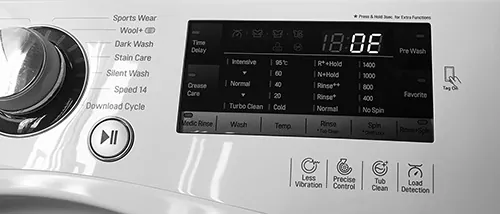
Stop your troubleshooting if you notice signs that the internal pump or electrical parts are failing. These aren’t tasks for the average user and require specialized tools or replacement parts.
- The pump makes a grinding or metallic noise, which suggests the internal bearings are broken.
- You smell burning plastic or electrical wires, indicating the pump motor is overheating.
- The water is leaking from the bottom of the machine, not from the filter cap, which implies a damaged internal seal.
- The error persists even after you have fully cleaned the filter and confirmed the hose is clear.
If you encounter these issues, turn off the power at the wall and close the water supply valves. A faulty pump or damaged electrical component can cause further damage if you keep using the machine. Contact an authorized service technician to inspect the pump and electrical connections.
If the machine is under warranty, don’t attempt any internal repairs, as opening the cabinet will void your coverage. Check your purchase receipt; if it’s less than one year old, the manufacturer will likely cover the cost of a technician.
Related guides
- Pipe Repair Clamp vs Tape vs Epoxy: Choosing the Right Fix in 2026
- Best Bathroom Sink Pop Up Drain Assemblies: The Reliable Choice in 2026
- Best Washing Machine Supply Line Kits: How to Choose and Install in 2026
Frequently Asked Questions
Why does my washer drain into the floor?
Your washer drains into the floor because the drain hose isn’t properly secured or the filter cap is loose. Ensure the hose is inserted into the standpipe and the filter cap is turned clockwise until it’s tight. If the leak continues, check the rubber seal on the filter cap for cracks or debris that prevent a waterproof seal.
Is it safe to keep using the machine with the error?
It isn’t safe to use the machine with this error because the pump will continue to struggle and could overheat. The error code is a safety feature intended to prevent the pump from burning out or leaking. Always clear the blockage before running another cycle to avoid permanent damage to the motor or the internal plumbing components.
How often should I clean the drain filter?
You should clean the drain filter every 3 to 6 months to prevent buildup. If you wash heavy items like pet blankets or rugs, check it more often to ensure no debris has collected. A clean filter allows the pump to work efficiently and prevents the water from backing up into the drum, which protects the machine’s internal parts from unnecessary strain.
How long does a drain cycle take?
A standard drain and spin cycle usually takes between 8 and 15 minutes to complete. If your machine takes significantly longer than this, or if it stops mid-cycle, it’s a sign that the drainage system is restricted. Check the hose for kinks and verify the filter is clear before attempting to run the cycle again to see if the timing improves.
Does the height of the drain hose matter?
The height of the drain hose matters because the pump is designed to push water up to a specific limit, usually 96 inches. If the hose end is higher than this, the pump can’t overcome gravity, and the water will stay in the drum. Always ensure the hose is positioned according to the manufacturer’s installation manual to maintain proper water flow and avoid errors.
What happens if I ignore the error code?
Ignoring this error code can lead to a burnt-out pump motor or severe water damage. The pump generates excess heat when forced to run against a blockage, which eventually melts internal seals or destroys motor windings. If the pump runs dry for over three minutes, the impeller may warp, necessitating a costly full assembly replacement.
Conclusion
If the water still won’t drain after you’ve cleared these blockages, there might be a deeper issue with the pump itself. Don’t hesitate to reach out to a professional technician if you’re unsure about the repair. They’ll get your machine running smoothly again so you don’t have to worry about laundry day.
