
Yes, you can use propane in a pizza oven if the manufacturer specifically designed it for gas fuel or provided a compatible conversion kit. Most modern backyard pizza ovens are built to burn either propane or natural gas, but you must verify that your specific model is certified for this fuel type before connecting it to a tank.
The answer changes based on whether your oven is a wood-only model or a dual-fuel unit. You’ll need to check your product manual to confirm if your specific unit supports propane, as using gas in an oven built only for wood creates a significant fire hazard.
Using propane for your pizza oven
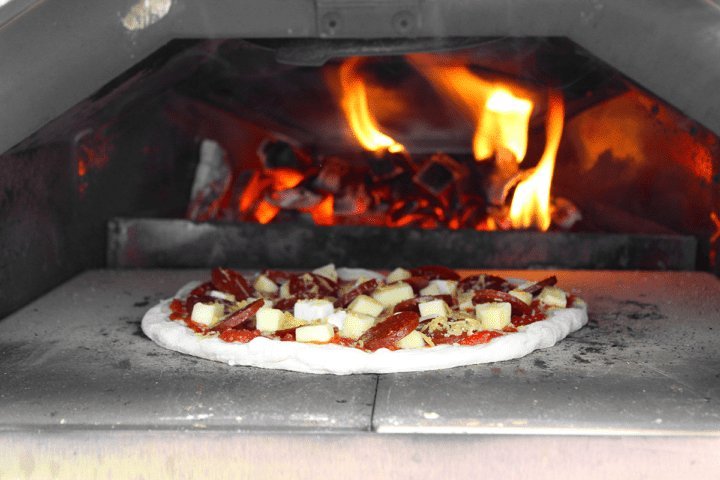
People often search for this information because they want the convenience of gas without sacrificing the performance of a high-heat oven. Some readers already own a wood-burning oven and hope to convert it, while others are shopping for their first unit and want to know which fuel is most practical for their setup.
This page serves those who need to verify safety requirements for gas-powered outdoor cooking. If you’re looking for instructions on how to build a custom masonry oven from scratch, this page won’t provide the structural or engineering data you need. We assume that you’re using a commercially manufactured, portable, or built-in pizza oven that lists fuel specifications on its rating plate.
Check your oven’s BTU rating before choosing a gas line. If your unit requires more than 50,000 BTUs, a standard residential propane tank will freeze over during long sessions. In that case, you must use a larger 100-pound cylinder or a professional-grade natural gas hookup. If you choose wood, ensure your oven floor is at least two inches thick to retain heat for back-to-back pizzas.
What decides the fuel compatibility
The primary factor is the design of the burner and the safety interlocks built into the unit. Gas ovens require specific orifices and valves to manage the flow of propane, which is a pressurized fuel. If you try to use propane in an oven meant for wood, you lack the burner assembly needed to manage the flame, and you can’t safely retrofit a wood-only oven for gas.
The second factor is the regulator and hose assembly. Propane requires a specific low-pressure regulator to ensure the flame stays consistent. If you use a high-pressure regulator on a unit designed for low pressure, you risk damaging the internal components or creating an uncontrollable flare-up. Always check the label on your gas hose to ensure it matches the pressure requirements listed in your user manual.
The third factor involves local building codes and fire safety regulations. Some areas restrict the use of propane tanks near residential structures or require specific clearance distances from walls and windows. You should check the CPSC’s outdoor grill safety guide to understand the general requirements for using pressurized fuel tanks in outdoor living spaces.
The fourth factor is the fuel source changeover. If you switch from natural gas to propane, you must use the manufacturer-approved conversion kit. This kit includes the correct nozzles for the different fuel density. Never attempt to drill out or modify these parts yourself, as even a minor error in sizing can cause incomplete combustion or gas leaks.
Setting up your gas connection
- Place your pizza oven on a level, non-combustible surface, ensuring it’s at least 10 feet away from any building or flammable structure.
- Inspect the propane hose for any cracks, leaks, or signs of wear; if you see any damage, don’t connect the tank and replace the hose immediately.
- Attach the low-pressure regulator to the propane tank valve by turning it clockwise until it’s hand-tight, ensuring you don’t cross-thread the connection.
- Connect the other end of the hose to the oven’s gas inlet port, using only the fittings provided by the manufacturer.
- Open the valve on the propane tank slowly, turning it no more than half a turn to allow pressure to stabilize.
- Use a soapy water solution to spray the connections; if you see bubbles forming, turn off the gas immediately and tighten the fittings before trying again.
- Turn the oven control knob to the “ignite” position, holding it down for three seconds to allow gas to reach the pilot or burner.
- Verify that the flame is blue and steady, which indicates correct air-to-fuel ratio; a yellow or flickering flame suggests an issue with the air intake.
The critical judgment call is the visual check of the burner flame. A blue, steady flame shows the oven is burning the fuel efficiently, while a yellow, lazy flame means you have a combustion problem that requires immediate adjustment of the air intake.
Fuel types and their requirements
This table outlines the typical requirements for using gas in modern pizza ovens.
| Fuel Type | Required Hardware | Typical Pressure | Safety Watch |
|---|---|---|---|
| Propane | Tank, Regulator, Hose | 11 Inches Water Column | Leak test connections |
| Natural Gas | Hard pipe, Shut-off valve | 7 Inches Water Column | Certified technician install |
| Wood | None | N/A | Ash management |
| Pellets | Hopper, Auger | N/A | Moisture levels |
Propane systems rely on portable tanks and adjustable regulators. If your flame sputters or turns yellow, check your regulator’s PSI rating immediately. Using a low-pressure regulator on a high-output burner creates a dangerous fuel starvation loop. Always perform a soap-bubble leak test on every threaded connection before the first ignition of the season.
Natural gas requires a permanent, hard-piped line connected to your home’s main supply. Don’t attempt this installation yourself; local building codes mandate a certified technician to verify flow rates and pipe diameter. A mistake here risks a gas buildup in your outdoor kitchen area.
Wood and pellet ovens operate outside these pressure constraints but demand strict fuel management. For wood, avoid resinous softwoods like pine, which coat your flue in creosote and ruin the flavor of your dough. If you use pellets, keep them in a moisture-proof container. Pellets exposed to humidity for more than 48 hours will swell, jam your auger, and cause an incomplete burn that produces bitter, acrid smoke. If the auger motor hums but doesn’t turn, the pellets have already absorbed too much moisture.
Performance and safety differences
Maintaining the burner
The burner is the heart of your gas pizza oven. Over time, grease and debris can clog the small ports where the gas exits, leading to uneven heat or a complete failure to ignite. Once a month, use a soft-bristled brush to gently clean the burner ports. Never use a sharp metal tool like a needle or wire to clear these holes, as it can enlarge the opening and change the flow rate, which ruins the factory-set balance. If you notice the flame is uneven across the burner, it’s usually a sign that debris is blocking the gas flow.
Managing the gas supply
Always store your propane tanks upright in a well-ventilated area outside, never inside a garage or shed. When not in use, ensure the tank valve is fully closed, even if the tank is near empty. People often make the mistake of leaving the tank valve slightly open during storage, which can lead to slow leaks that are difficult to detect. A tank that’s disconnected from the oven should always have a dust cap placed over the valve outlet to prevent dirt from entering the system. If you suspect a leak, the smell of rotten eggs is the primary warning sign; shut off the tank immediately and move away from the area.
Troubleshooting common gas issues
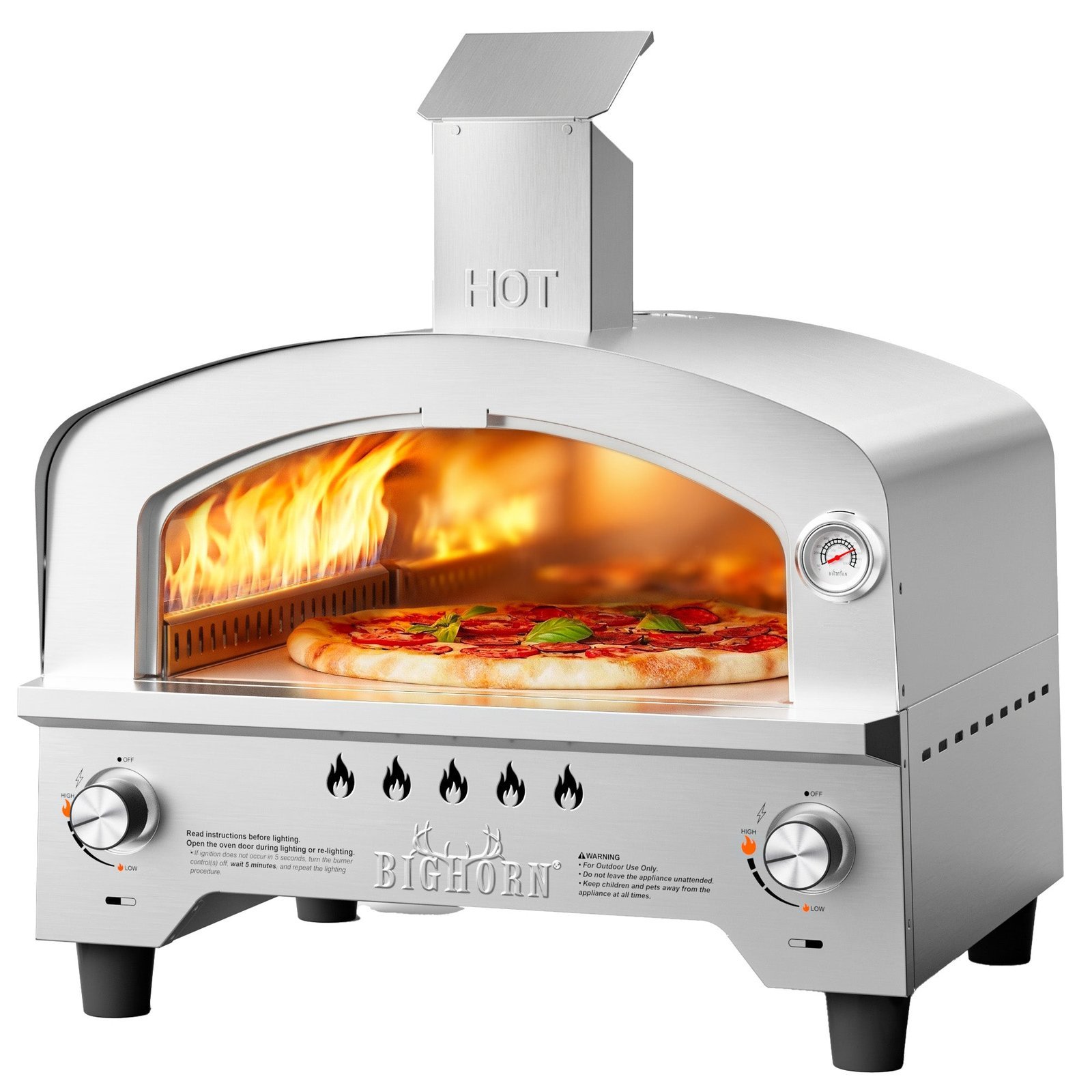
| What you notice | What it usually means | What to do first | How to stop it |
|---|---|---|---|
| Flame won’t stay lit | Thermocouple issue | Check sensor position | Keep sensors clean |
| Sooty black smoke | Air intake blocked | Clean air vents | Clear debris regularly |
| Weak, small flame | Low tank pressure | Check tank level | Refill or swap tank |
| Smell of gas | Loose connection | Tighten all fittings | Use soapy water test |
| Orange burner flame | Incorrect air mix | Adjust air shutter | Follow manual settings |
If the flame flickers and dies immediately after release, the thermocouple is likely not reaching the pilot light. Ensure the sensor tip sits directly in the flame path. If it remains cold, the safety valve will cut fuel flow.
Sooty smoke indicates incomplete combustion, often caused by spider webs or dust in the air intake. Use a soft brush to clear these vents monthly. If you ignore this, carbon buildup can permanently damage the burner surface.
A weak flame often results from the excess flow safety device inside the regulator. If you open the tank valve too quickly, the system detects a leak and restricts flow. Close the valve, wait thirty seconds, and open it slowly to reset the pressure.
When testing for leaks, never use an open flame. Mix dish soap and water in a spray bottle. Apply it to every connection point. If bubbles grow larger, you have a leak. Tighten the fitting with a wrench, but don’t overtighten, as this can crack the seals.
Finally, an orange flame signifies an oxygen-starved mix. Adjust the air shutter in small increments. If the flame turns blue, the ratio is correct. If it stays orange despite adjustments, the burner ports may be clogged with debris.
Regulatory standards and safety
Propane usage is governed by national standards to prevent fire and explosion risks. In the United States, the National Fire Protection Association (NFPA) sets the guidelines for the storage and use of liquefied petroleum gas. You can find the specific requirements for your area by visiting the NFPA website or checking your local municipal fire code. These rules dictate how close a tank can be to a building and how many pounds of fuel you’re permitted to store on a residential property.
If your oven requires a hard-piped natural gas connection, don’t attempt to install the line yourself. You must hire a licensed plumber or gas technician to ensure the pipe sizing and pressure are correct for your home’s gas main. A mistake in this area can lead to low gas pressure for other appliances or, more seriously, a gas leak within your home’s walls. Always have a professional provide a certificate of installation if your local code requires it for insurance purposes.
The true costs of gas cooking
The cost of using propane in a pizza oven depends on your usage frequency and the current price of fuel in your region. A standard 20-pound propane cylinder typically provides about 15 to 20 hours of high-heat cooking time, depending on your oven’s burner output. You can estimate your hourly cost by dividing the price of a propane exchange or refill by 15.
The hidden cost is the maintenance of the gas components. Regulators have a lifespan of several years, after which they should be replaced regardless of their condition to prevent pressure fluctuations. Additionally, if you use your oven in a coastal environment, the salt air can cause the gas valves to seize. Regularly wiping down the exterior and using a cover when the oven isn’t in use will significantly extend the life of your gas components, saving you the cost of premature repairs.
Maintaining your gas oven
To keep your oven performing well, always allow it to cool completely before covering it. Trapping heat under a cover can damage the electronic ignition components and the rubber seals on your gas hose. After each use, brush away any food debris from the stone, but don’t use water or chemical cleaners, as these can crack the ceramic floor.
Check the ignition battery regularly. If the oven fails to spark, the battery is the most likely cause. A simple test is to listen for the clicking sound; if you hear nothing, the battery is dead. If you hear a click but see no spark, check the electrode tip for carbon buildup. Gently wiping the tip with a dry cloth often restores the connection.
If a new battery doesn’t fix the issue, the igniter wire may have come loose or become damaged by heat. Don’t attempt to open the control housing to reach the wiring, as this is a job for a technician. If you notice a persistent issue with the burner failing to ignite, stop using the gas and contact the manufacturer’s support team for a replacement part.
When to avoid propane
If you live in a high-wind area, a gas oven may struggle to maintain the high temperatures needed for authentic pizza. Wind can blow the flame away from the burner, causing the safety system to shut off the gas supply repeatedly. In this case, an oven with a more protected, recessed burner design or a traditional wood-burning model is a better choice.
If your primary goal is the specific flavor profile of wood-fired smoke, propane won’t replicate it. While you can add wood chips to some gas ovens, the result is rarely the same as a dedicated wood fire. For those who prioritize flavor over speed, a wood-fired or dual-fuel oven is the better investment.
A common mistake is assuming that a gas oven’s convenience outweighs the thermal mass of a brick interior. If your guest list exceeds this number, choose a wood-burning model to ensure consistent crust quality.
Finally, check your local fire codes. Some apartment balconies strictly prohibit propane tanks due to storage risks. If your building manager restricts fuel storage, electric or wood-fired units are your only compliant options.
Frequently asked questions
Can I use a natural gas oven with propane?
No, you can’t use a natural gas oven with propane unless you have a specific conversion kit provided by the manufacturer. Natural gas and propane use different orifice sizes and pressures, so using the wrong fuel will cause an unsafe flame and potential damage to your oven.
How long does a propane tank last?
A standard 20-pound propane tank lasts between 15 and 20 hours of continuous high-heat cooking. This varies by model — check the label on your oven to see the BTU rating, as higher output ovens consume fuel faster than smaller, portable units.
Is it safe to leave a propane tank connected?
It’s safe to leave a propane tank connected while the oven is in use, but you must close the tank valve after every cooking session. Leaving the valve open creates a risk of gas leaks, so ensure it’s fully shut to prevent accidental discharge.
Why is my oven flame yellow?
A yellow flame indicates that the burner isn’t getting enough air to achieve complete combustion. Check the air intake vents for blockages like spider webs or debris, as clearing these will usually restore the proper blue flame and improve the heat output.
Can I use propane indoors?
No, you should never use a propane pizza oven indoors, even in a garage or shed. Propane combustion produces carbon monoxide, which is an odorless, colorless, and lethal gas that requires proper ventilation to avoid serious health risks.
What should I do if I smell gas?
If you smell gas, turn off the tank valve immediately and move away from the oven. Don’t attempt to light the oven or touch any electrical switches, as a spark could ignite the gas; wait for the area to clear before investigating the leak.
Propane pizza, in short
Start by checking the rating plate on your oven to confirm it’s propane-compatible, then perform a soapy water test on your hose connections before the first light. If you see a steady blue flame, you’re ready to cook; if you see a yellow flame or smell gas, shut off the tank immediately and contact the manufacturer for assistance.
Related guides