
You can use a pizza oven in winter as long as you account for the slower heat-up times and the increased risk of thermal shock to the masonry. Outdoor cooking in freezing temperatures requires more fuel to reach operating heat and careful management of internal temperatures to ensure the stone doesn’t crack. This page covers how to manage fuel, protect your equipment from the cold, and adjust your cooking process for success in low-temperature environments.
Can I use a pizza oven in winter? Tips for success
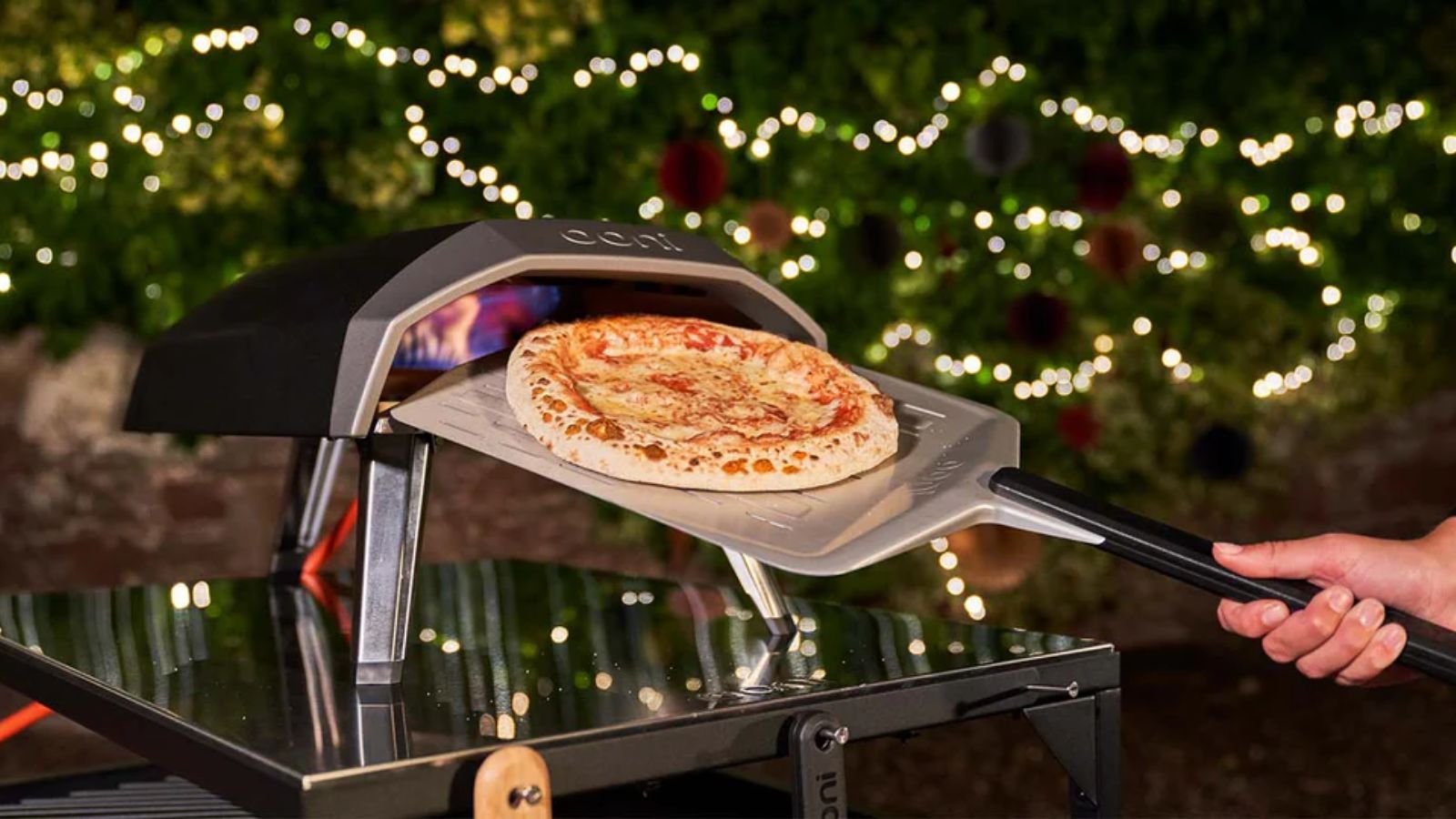
Homeowners with wood-fired or gas-powered outdoor ovens often wonder if the cold will damage their investment. If you have a ceramic or brick oven, the primary concern is the temperature gradient between the cold exterior and the hot interior. Metal ovens, while less prone to structural cracking, require significantly more fuel to maintain the high heat needed for a proper crust. This page assumes you have a standard residential outdoor oven and are looking for ways to extend its use into the colder months.
This guide is for owners who want to maintain their outdoor cooking routine when temperatures drop below 40°F. If you own a portable electric model, check your manual first, as many components are rated for indoor use only and may fail in freezing dampness. Owners of large, permanent masonry structures should pay close attention to the section on thermal shock, as these units take longer to warm and are more sensitive to rapid temperature changes.
Factors affecting winter performance
The most significant factor in winter operation is the ambient air temperature. Cold air absorbs heat rapidly from the oven walls, which means your fuel consumption will increase by about 30% to 50% compared to summer use. You should always use a high-quality infrared thermometer to track the floor temperature, as the air temperature will lead to false assumptions about the oven’s readiness.
Wind speed is the second major factor. A light breeze in July is harmless, but in January, it acts as a coolant that strips heat from the oven dome. You must place your oven in a location shielded from the wind, such as against a wall or behind a privacy screen. If you ignore this, you’ll struggle to reach the 700°F–900°F required for Neapolitan-style pizza.
Moisture is the third, often overlooked, factor. If your wood supply is stored outside, it likely contains frozen moisture or high humidity levels. Burning damp wood produces more smoke and less heat, which makes it impossible to reach the necessary temperatures. You should bring your fuel inside 24 hours before use to ensure it’s dry and at room temperature.
Finally, the thickness of your oven floor matters. A thicker stone retains heat better but takes longer to “soak” during a cold start. If your oven floor is cold to the touch, start your fire at least 60 minutes earlier than you would in the summer. This slow, steady heat-up prevents the stone from cracking due to sudden thermal expansion.
Preparing your oven for cold weather
- Clear the area around your oven of snow and ice to ensure you have a stable, non-slip workspace.
- Inspect the oven exterior for any hairline cracks that might have appeared since your last use; moisture entering these cracks can freeze and expand, widening them into structural damage.
- Light a small “starter” fire in the center of the oven, using only 2-3 kg of seasoned hardwood to begin warming the dome.
- Increase the fire size gradually every 15 minutes, adding more wood until the flames roll across the ceiling of the dome.
- Monitor the floor temperature with an infrared thermometer until it reaches at least 750°F for cooking, following the safe minimum internal temperatures for any toppings like chicken or ground meat.
- Push the embers to the back or side of the oven once the floor is saturated with heat, then clear the ash from the center with a brass wire brush.
- Wait 10 minutes for the heat to stabilize across the floor before sliding your first pizza onto the surface.
- Keep the oven door closed between pizzas to maintain the internal heat, as the cold air outside will draw energy out of the chamber much faster than in summer.
The most important judgement call is knowing when the oven is truly ready. A hot dome doesn’t always mean a hot floor. If you launch a pizza onto a floor that hasn’t fully soaked up the heat, the bottom will stay pale and soft even if the top is charred.
Seasonal performance comparison
| Situation | Action | Time/Cost | Watch for |
|---|---|---|---|
| Below freezing | Pre-heat longer | 60 mins extra | Thermal cracks |
| Windy day | Use windbreak | High effort | Uneven cooking |
| Damp wood | Dry indoors | 24 hours | Excessive smoke |
| Heavy snow | Clear area | Moderate effort | Slippery floors |
| Gas oven | Higher setting | More propane | Regulator freeze |
When temperatures drop below freezing, metal components become brittle. If you force a rapid temperature spike, you risk hairline thermal cracks. Always extend your pre-heat cycle by at least sixty minutes to allow the entire chassis to expand gradually.
Wind creates a massive heat sink effect, stripping BTUs away from your cooking surface. If your ambient thermometer fluctuates by more than 15 degrees during a cook, your windbreak is insufficient. Reposition the unit to shield the intake vents, as uneven heat distribution will ruin delicate proteins.
Damp wood is a common amateur mistake. If your fuel contains more than 20% moisture, the fire will spend its energy evaporating water rather than generating heat. You’ll end up with acrid, white smoke that taints the meat’s flavor profile. If the wood hisses when placed on the coals, stop immediately.
For gas users, the primary danger is regulator freeze. When propane expands rapidly in extreme cold, the valve can ice over, restricting flow. If your burner flame turns yellow or flickers, increase your propane supply pressure slightly. If the issue persists, move the tank into a warmer zone, but never place it directly inside the oven or near an open flame.
Maintaining heat and structural integrity
Managing the heat cycle
Experienced users know that the goal is a “heat soak,” not just a hot fire. In winter, the base of the oven loses heat to the ground underneath it, especially if the oven isn’t insulated. You should build your fire slowly to allow the insulation layers to warm up without stress. If you rush the process, you risk the exterior shell staying cold while the interior reaches high heat, which creates a dangerous temperature differential.
Protecting the structure
Never use water or snow to clean the oven or extinguish the fire in winter. The sudden steam and temperature drop will cause the ceramic or refractory bricks to shatter. After you finish cooking, close the oven door completely to let the unit cool down as slowly as possible. This prevents the rapid contraction that leads to long-term structural damage.
Common winter issues and fixes
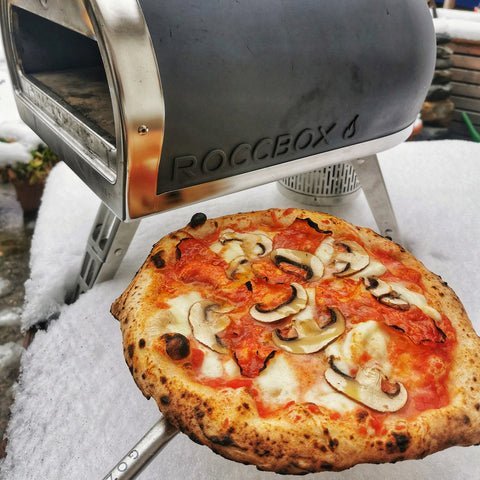
| What you notice | What it means | What to do first | How to stop it |
|---|---|---|---|
| Stone is cold | Insufficient soak | Add more fuel | Start earlier |
| Excessive smoke | Wet wood | Use dry fuel | Store wood inside |
| Dome cools fast | High wind | Add windbreak | Move to shelter |
| Crust is soggy | Floor too cool | Wait 10 mins | Check thermometer |
| Flame is weak | Low oxygen | Clear air intake | Clean ash out |
The most common mistake is failing to account for thermal mass. If your stone feels cold to the touch after an hour of firing, you haven’t reached the “saturation point.” You need the stone to hold enough heat to recover instantly after a pizza is launched.
If the stone temperature drops below 700°F during a bake, your crust will turn gummy. You can tell if you’re in this trap by checking your infrared thermometer. If the floor reads under 600°F, stop baking immediately and add more hardwood.
Moisture content is the silent killer of winter fires. If your wood has a moisture content above 20%, you’ll spend your energy evaporating water instead of heating the oven. Use a moisture meter to verify your supply. If the reading is high, bring your wood indoors 48 hours before use.
Finally, wind speed matters. If gusts exceed 10 mph, your dome will lose heat 30% faster than on a calm day. Use a portable welding screen or a simple plywood barrier to shield the oven mouth. This small change prevents the massive heat loss that ruins long cooking sessions.
Winter operation requirements
The primary rule for winter operation is the prevention of thermal shock. Most manufacturers of refractory ovens specify a maximum rate of temperature increase, often around 100°F per hour for the first few hours. Exceeding this rate in a cold environment is a common cause of warranty voiding. You should consult your specific oven’s manual for the manufacturer’s recommended warm-up schedule, as this varies by model — check the label or the documentation provided with your unit.
If you’re using a propane or natural gas oven, be aware that gas regulators can perform poorly in sub-zero temperatures. Low temperatures reduce the pressure in the tank, which may lead to a weaker flame. Keep your gas cylinders in a slightly warmer area before use if possible, and never attempt to heat a gas tank using an external heat source, as this is a fire hazard.
Realities of winter cooking costs
The cost of winter cooking is higher because of the extra fuel needed to overcome the cold. You’ll likely burn 50% more wood or gas to maintain the same temperatures you achieve in summer. If you use kiln-dried wood, which is more expensive than standard seasoned logs, these costs add up quickly over a long season.
A common mistake is failing to account for thermal mass. In freezing temperatures, your oven’s stone floor absorbs ambient cold, requiring an extra 45 minutes of firing time just to reach a stable equilibrium. If you ignore this, the bottom of your food will remain doughy while the top burns.
Time is your other major currency. You aren’t just paying for more fuel; you’re paying with your time spent pre-heating and clearing the area. If you value your time at a specific hourly rate, the cost of a single winter pizza session is significantly higher than a summer one.
Use this decision rule: if the air temperature is below 40 degrees Fahrenheit, increase your fuel budget by 60% and start your fire an hour earlier than usual. If you’re cooking in a sheltered, wind-blocked area, you can likely stick to your standard fuel usage. For many, the superior crust quality makes the extra effort worth it.
Seasonal maintenance and storage
After your last winter cook, ensure the oven is completely dry before covering it. Moisture trapped under a cover will freeze and turn into ice, which can damage the finish or the structure of the oven. If you live in an area with frequent freeze-thaw cycles, use a breathable, waterproof cover rather than plastic, which can trap condensation against the masonry.
Check the firebox for ash buildup once the unit is cold. Ash holds moisture, and if left sitting through the winter, it can turn into a corrosive paste that eats away at the oven floor. Clear this debris using a stiff-bristled brush, but avoid wire brushes that might scratch the refractory surface.
If the oven shows signs of deep cracks, don’t use it until you have spoken with the manufacturer about approved repair compounds. A crack wider than a nickel indicates a structural shift that requires professional assessment before firing. If you see hairline fractures, these are often cosmetic; monitor them for growth over two consecutive seasons. If they widen, treat them with high-heat mortar immediately. Ignoring these fissures allows water to seep into the insulation layer, which will cause the oven to crumble during the next heavy frost.
When to avoid winter use
If temperatures drop below 0°F, the metal components and masonry are at their most brittle. In these conditions, the risk of structural failure from thermal shock is at its peak, and it’s usually best to avoid using the oven entirely. Additionally, if your oven is located on a deck that becomes icy, you should stop use to prevent personal injury.
If you find that you can’t reach the required temperature after an hour of effort, stop the process. Continuing to pile on fuel is a fire hazard and won’t solve a lack of insulation or excessive heat loss. Instead, store the unit properly and wait for a day when the ambient temperature is higher.
The primary mistake users make is assuming the oven will eventually stabilize if they simply increase the fuel load. This is a fallacy. If the internal temperature gauge fails to climb past 300°F after sixty minutes, the thermal loss through the steel walls is outpacing your fire output. Forcing the unit further risks warping the internal baffle plates.
Use this decision rule: if the ambient air is below freezing, check for hairline cracks in the masonry before every ignition. If you see frost inside a crack, don’t light the fire. The expanding moisture will cause the stone to spall or shatter.
Frequently asked questions
Can I leave my pizza oven outside in winter?
Yes, you can leave it outside if you use a high-quality, breathable cover to protect it from snow and ice. Ensure the unit is clean and dry before covering it to prevent moisture from freezing inside the masonry or components. Check the manufacturer’s guidance for long-term storage requirements.
Does the cold air change the taste of the pizza?
No, the cold air doesn’t change the flavor of the pizza itself, provided the oven reaches the correct temperature. The only difference is that you might get a slightly different crust texture if you struggle to maintain the high heat needed for the characteristic leopard-spotting on the dough.
Why is my gas oven struggling to stay hot?
The cold temperature reduces the pressure in your propane tank, which limits the amount of fuel reaching the burner. Keep your propane tank in a garage or a warmer space before use, and ensure the regulator is free from ice or debris.
Is it safe to use a pizza oven during snow?
Yes, it’s safe as long as you keep the cooking surface and the area around the oven clear of snow. Never allow snow to come into direct contact with the hot oven dome or floor, as the sudden temperature change will cause the material to crack.
How much extra wood do I need?
You should plan for about 50% more wood than your typical summer session. The extra fuel is necessary to heat the cold stone floor and compensate for the heat lost to the surrounding freezing air. Always keep your wood supply dry indoors for 24 hours before you cook.
Can I use a hair dryer to help the fire?
No, you should never use a hair dryer or any other electrical device to force air into the fire. Stick to natural ventilation or the methods recommended in your oven’s manual to avoid damaging the internal components or creating an uncontrolled fire.
Does the oven need to be covered?
Yes, a cover is necessary to prevent moisture from entering the oven structure. If water gets into the bricks and then freezes, it will expand and cause cracks that can ruin the unit. Choose a cover that’s specifically designed for your oven model.
Pizza oven, in short
Operating an outdoor pizza oven in winter is entirely possible with the right precautions. Start by ensuring your wood is dry, shield the oven from the wind, and allow for a much longer pre-heat phase to avoid cracking your stone. If the temperature is extremely low or you notice structural issues, it’s safer to wait for a warmer day to enjoy your pizza.
Related guides