
Home gym owners, local fitness studios, and budget-conscious athletes purchase used workout equipment to save money on quality gear. These buyers prioritize reliable machines like treadmills and benches over the newest features. You’ll find success by targeting people setting up home gyms who value durability in pre-owned items.
Selling Your Pre-owned Gear Quickly
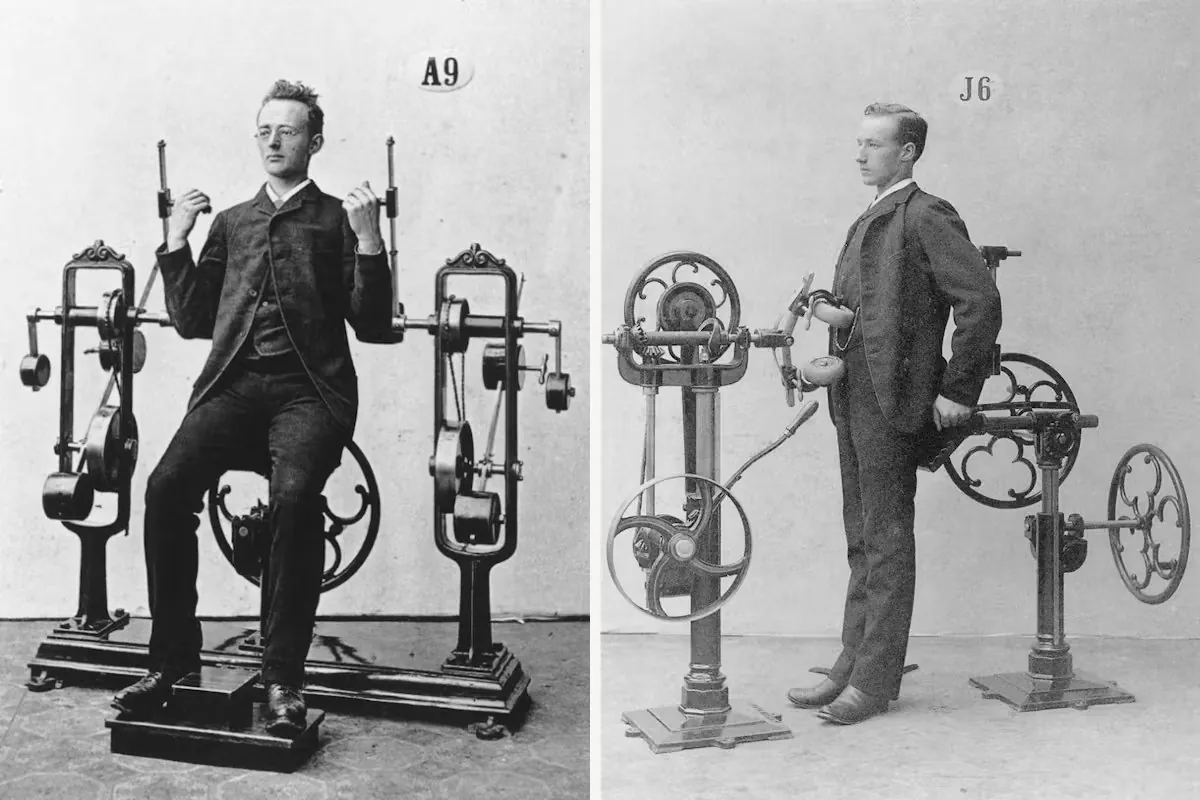
You can reach the right buyers by listing your items on platforms where local fitness enthusiasts gather. These buyers prioritize function and price, so providing clear photos and honest descriptions helps you close a sale faster.
List heavy items like squat racks on local community marketplaces to avoid high shipping costs. If the item weighs over fifty pounds, require the buyer to bring a second person for pickup. This prevents injury and ensures the transaction stays professional.
Price your gear at 40% to 60% of the original retail cost to attract serious buyers quickly. If you list above 70%, your post will likely sit for weeks while buyers wait for the price to drop.
Clean all rubber grips and metal surfaces with mild soap to increase the resale value. A thin layer of surface rust on a barbell can be scrubbed off with a wire brush, but deep pitting suggests structural neglect.
Include a short video of the machine in motion to prove it works as expected. Mention the brand name and exact model number in your title to help buyers search for it. State clearly if the buyer needs to provide their own transport or tools for disassembly.
Why Fitness Gear Retains Its Value
The primary reason for the active secondary market is the high cost of new, commercial-grade equipment. Professional-level machines built with heavy-gauge steel last for decades, meaning a treadmill or weight bench bought today remains functional for the next owner. Most buyers understand that a well-maintained piece of equipment performs just as well as a new one, even if it has cosmetic scratches or worn paint.
Buyers look for specific brands because they trust the engineering behind the build. When a piece of gear is made by a company with a reputation for durability, it becomes an investment rather than a disposable item. This is why you’ll often see older, heavy-duty machines hold their value better than modern, lightweight versions that rely on plastic parts.
If you’re buying, look for the serial number plate. If the plate is missing or the rivets are loose, the machine was likely pulled from a high-traffic gym where it endured thousands of hours of use. Avoid these units, as the internal fatigue often exceeds the remaining lifespan of the motor.
If you’re selling, you should know that mechanical components like belts, motors, and bearings are what vary for this subject. A buyer will always inspect these parts first; if the motor sounds strained or the belt slips, the value drops significantly. You can read your own equipment’s health by checking for grinding noises, checking the belt tension, and inspecting all bolts for rust.
If you hear a rhythmic “thump” while the belt is moving, the deck is likely cracked. This costs the buyer hundreds in parts and labor, so expect to lose 40% of your asking price if you can’t prove the deck is sound. If the gear shows signs of heavy rust on the frame, you must price it lower to account for the necessary restoration.
When the Buyer Profile Changes
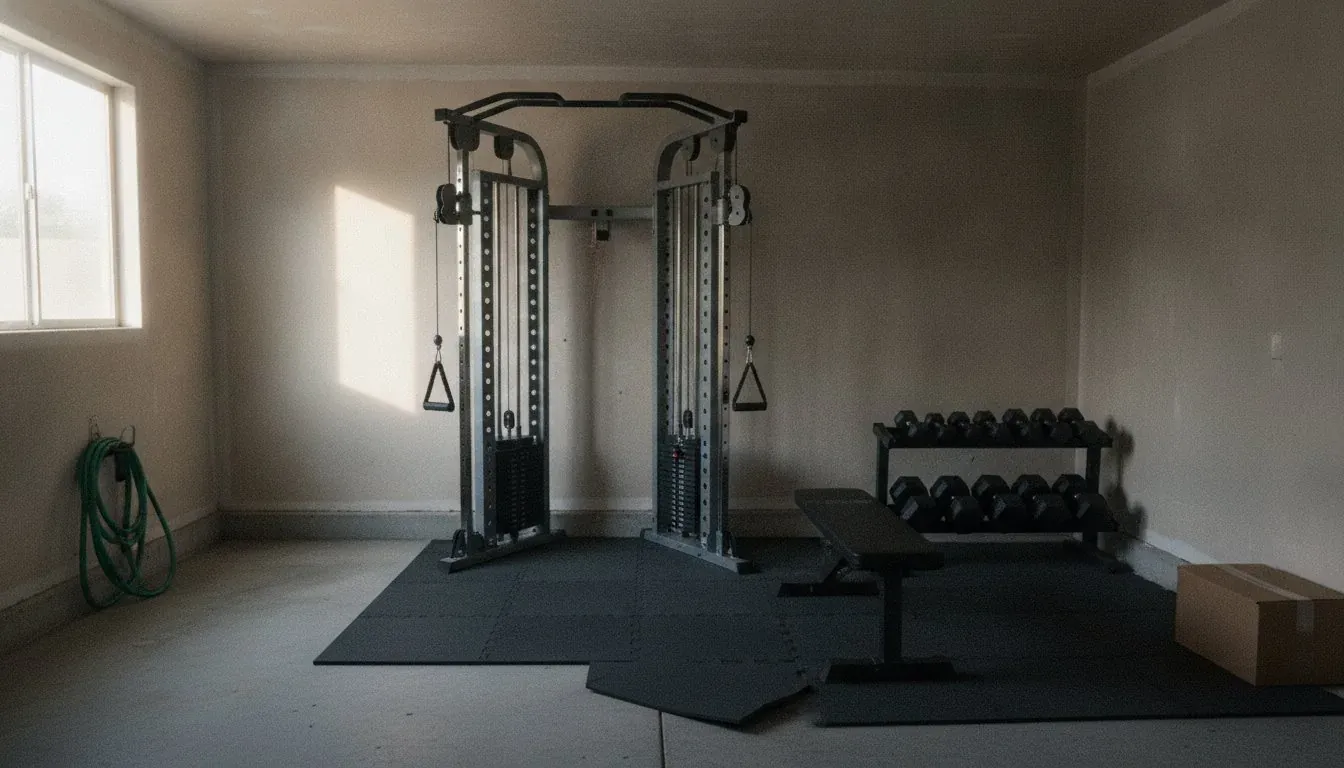
The type of buyer depends heavily on the condition and the specific niche of the equipment being sold.
| Situation | What changes | What to do instead |
|---|---|---|
| High-end power racks | Target powerlifters | List on niche lifting forums |
| Broken electronics | Target hobbyist repairers | Sell for parts only |
| Light dumbbells | Target beginners | List on community garage sale sites |
| Commercial treadmills | Target gym owners | Contact local fitness studios directly |
| Vintage cast iron | Target collectors | List on antique or specialty sites |
If your item shows signs of heavy wear, stop targeting retail consumers. They prioritize aesthetics and will demand a discount that kills your margin. Instead, pivot to professional resellers who value utility over finish. You can identify this group by their questions; if they ask about internal components or serial numbers rather than scratches, you have found a trade buyer.
Most sellers make the mistake of using a “one-size-fits-all” listing description. This costs them time and attracts low-ball offers. If the buyer is a hobbyist, lead with the repair history. If the buyer is a professional, lead with the maintenance logs. Use this rule: if the equipment is functional, sell the result it produces. If the equipment is non-functional, sell the parts it contains.
Steps to Prepare Equipment for Sale
Inspect the entire frame for structural cracks or deep rust, as these defects make the item unsafe for use. If you find a hairline fracture near a weld, disclose it immediately; selling compromised equipment creates a significant liability risk.
Test every electronic function, including incline motors and heart rate monitors, and note any errors that appear on the console. If the console remains blank, check the internal fuse before assuming the motherboard is fried.
Wipe down all surfaces with a cloth and mild cleaner to remove sweat, dust, and grime accumulated over years of use. Use a non-abrasive solution to avoid clouding plastic display covers.
Tighten all loose bolts and nuts using a standard wrench set to ensure the machine feels stable during a test run. A machine that wobbles during a demo will lose at least 30 percent of its potential resale value.
Take at least five high-resolution photos showing the machine from all angles, including close-ups of any visible wear or damage. Proper lighting is essential; avoid shadows that obscure the condition of the belt or deck.
Write a clear description that lists the brand, model, dimensions, and any specific maintenance you have performed during your ownership. Include the total hours of use if the console tracks them, as buyers prioritize longevity.
Mistakes That Ruin a Sale
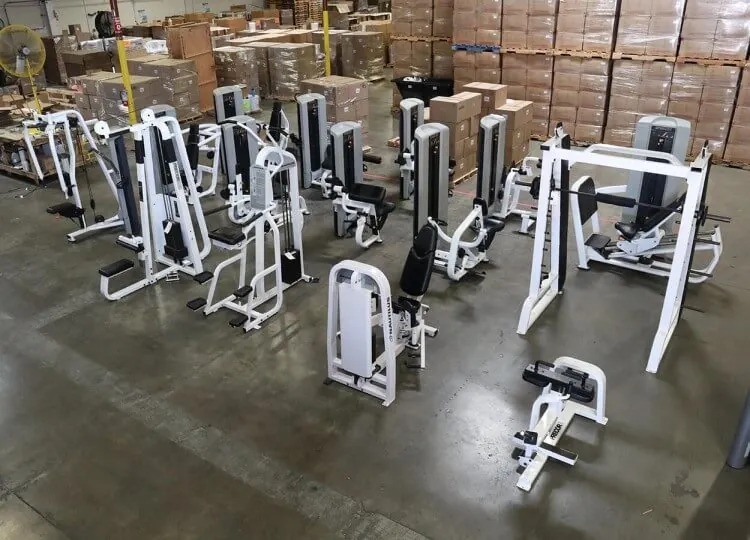
Failing to mention missing parts or non-working features often leads to wasted time and cancelled deals. If a component is damaged, disclose it in the first sentence of your description. Buyers will forgive a broken latch, but they will never forgive a seller who hides it until the meetup.
Pricing your item within 15% of the cost of a brand-new model discourages buyers. Why risk a private purchase without a warranty when a store offers a return policy for just a few dollars more? If your item is used, drop the price by at least 30% to justify the lack of consumer protection.
Using blurry or dark photos makes it impossible for a buyer to judge condition. Take at least five shots in natural light, including one close-up of the serial number.
Refusing to allow a test session makes buyers suspicious. If you can’t demonstrate that the item works, assume the deal is dead.
Frequently asked questions
Can I sell gym equipment with rust on the frame?
You can sell equipment with rust, but you must price it lower to reflect the condition. Surface rust is often treatable with sandpaper and paint, but deep, structural rust is a safety hazard that reduces the value. Always be honest in your listing about the extent of the rust before the buyer arrives.
How do I price my used treadmill?
Price your used treadmill at 40% to 50% of its current market value if it’s in good working order. You should lower the price further if the motor or belt requires replacement parts.
What happens if the buyer can’t transport the equipment?
If the buyer can’t transport the equipment, you should state in your listing that they’re responsible for all moving logistics. Large machines like smith machines or heavy treadmills often require a truck and multiple people to move safely. Don’t offer to deliver the item yourself unless you have the proper vehicle and equipment, as you risk damaging the machine or causing personal injury during the loading process.
Is it safe to buy used weight plates?
Yes, it’s safe to buy used weight plates, provided they aren’t cracked or severely corroded. Iron plates last indefinitely, so the age doesn’t matter as long as the weight is accurate. Use a scale to verify the weight of each plate if you’re unsure, as older cast-iron plates can sometimes lose material over many years of heavy use or if they were poorly stored in damp environments.
Does it matter if I don’t have the original manual?
No, it doesn’t matter if you lack the original manual, as most manufacturers provide digital copies on their official websites. You can print a copy or send the link to the buyer to help them with assembly or maintenance. If you have the manual, include it with the sale, as it adds value and shows the buyer that you took good care of the equipment during your time using it.
How long does it take to sell workout gear?
It usually takes 3 to 10 days to sell workout gear if it’s priced fairly for the local market. Popular items like dumbbells often sell within 48 hours, while large machines take longer. Lower your price by 10% if the item hasn’t sold after two weeks.
Who buys broken gym equipment?
Hobbyists and repair technicians buy broken gym equipment to salvage parts. They specifically look for machines with functional frames or rare components no longer in production. List your gear as for parts or repair and clearly describe the specific damage to help buyers assess the value.
Conclusion
If you’re ready to sell, take clear photos and set a fair price based on similar listings in your area. Honesty about the condition of your equipment will build trust and help you find the right buyer quickly.
