
ISO 68 oil equivalent means any hydraulic oil with an ISO VG 68 viscosity grade. The oil must measure about 68 centistokes at 40 degrees Celsius. The exact match depends on the equipment maker’s specification.
What ISO 68 oil equivalent means
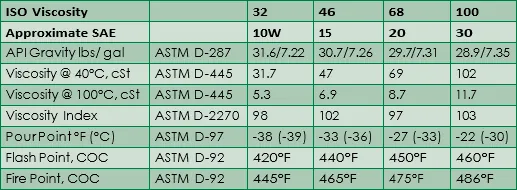
The ISO VG system grades hydraulic oils by their kinematic viscosity at 40 degrees Celsius. ISO VG 68 sits in the middle of the common range, thicker than ISO VG 32 or 46 but thinner than ISO VG 100.
An equivalent oil is any product that meets that same viscosity grade, regardless of brand. The number refers to viscosity only, not to detergent content, wear protection, or synthetic base stock. A machine built for ISO 68 needs an oil rated at that grade; using a different grade changes how the system performs.
The short version
- ISO VG 68 means about 68 centistokes of viscosity at 40 degrees Celsius.
- Match the oil grade your equipment manual names before choosing a brand.
- Synthetic and mineral oils can both carry the ISO VG 68 rating.
- Equivalent means same viscosity grade, not same additive package.
- Mixing different brands is safe only if both meet ISO VG 68.
- Check the viscosity on the product data sheet before buying.
Why ISO VG 68 is the middle grade
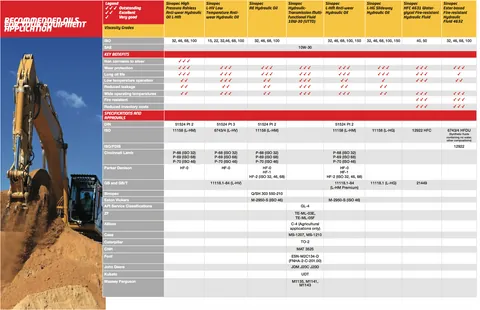
ISO VG 68 measures the oil’s resistance to flow at 40 degrees Celsius, using the centistoke unit. Hydraulic systems need oil thick enough to seal gaps and thin enough to move freely through valves and pumps. The ISO system spaces its grades so each step increases viscosity by approximately 50 percent, placing ISO VG 68 between ISO VG 46 and ISO VG 100. Equipment makers pick one grade based on operating temperature, pump type, and load.
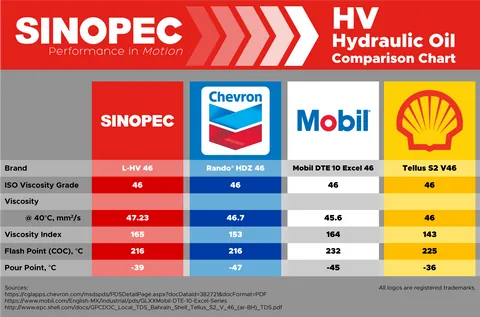
If you substitute a thinner oil, internal leakage rises and pressure drops; if you substitute a thicker oil, the pump works harder and the system runs hotter. The viscosity number alone doesn’t tell you everything. You must also match the additive package the manufacturer specifies, because that controls wear, oxidation, and water separation. The exact centistoke value for your oil is printed on its technical data sheet, which you can read before purchase.
When the equivalent is different
| Situation | What changes | What to do instead |
|---|---|---|
| Cold startup below 10 C | Oil flows slower | Use ISO VG 46 or check manual |
| High load or heat | Oil thins faster | Use ISO VG 100 or check manual |
| Mixing brands | Additives may clash | Confirm both are ISO VG 68 first |
| Wrong grade installed | Pressure drops or overheats | Drain and refill with correct grade |
How to find the right ISO 68 oil equivalent
- Open your equipment manual and find the viscosity grade it names.
- Look for ISO VG 68 on the oil product data sheet, not just the front label.
- Confirm the oil type, mineral or synthetic, matches what the maker wants.
- Check the viscosity index if your machine runs in wide temperature swings.
- Pour only the amount the reservoir holds, using the fill mark as your guide.
- Run the system and watch pressure, temperature, and noise for the first hour.
- Change the oil at the interval the manual sets, not when it looks dirty.
Mistakes that cost you
- Buying by brand name instead of by ISO VG grade, which can put the wrong thickness in the system.
- Mixing mineral and synthetic oils without checking compatibility, which can break down additives.
- Topping up with ISO VG 46 or 100 when the manual says 68, which changes pressure and heat.
- Skipping the data sheet and trusting marketing words like “heavy duty” or “all season.”
- Running the oil past its change interval, which lets wear particles build up and damage pumps.
Related guides
- How to Find IP Address for Camera: Quick Router Method
- Foosball Resources: Where to Find Tactics and Gear in 2026
- Brand New Hot Tub Leaking: Find and Fix the Leak Fast in 2026
Frequently asked questions
Can I use any brand of ISO VG 68 oil?
Yes, any brand that lists ISO VG 68 on its data sheet is an equivalent by viscosity. Check that the additive package also matches your equipment manual, because viscosity alone doesn’t cover wear protection or water separation.
How thick is ISO 68 oil at operating temperature?
It measures about 68 centistokes at 40 degrees Celsius, which is the standard test temperature. At higher running temperatures the oil thins, so check your equipment’s normal operating range before assuming the grade still fits.
Is synthetic ISO 68 oil better than mineral?
Not automatically. Synthetic handles wider temperature swings and lasts longer in severe service, but mineral oil works fine where the maker specifies it. Follow the manual rather than assuming synthetic is always the upgrade.
What happens if I mix ISO VG 68 with ISO VG 46?
The blend lands between the two grades, so your system gets oil thinner than designed. Pressure can drop and internal leakage can rise, which costs performance and can wear the pump faster.
Does ISO VG 68 work in winter?
It depends on your cold-start temperature. Below about 10 degrees Celsius the oil flows more slowly, so check whether your manual allows ISO VG 46 for cold conditions or specifies a viscosity index improver.
How often should I change ISO 68 hydraulic oil?
Change your hydraulic oil at the interval specified in your equipment manual, as requirements vary by machine and duty. ISO 68 oil equivalent refers to any hydraulic oil with an ISO VG 68 viscosity grade. Always consult your specific maintenance schedule to determine the correct timing for your particular model.
- ISO VG 68 means about 68 centistokes of viscosity at 40 degrees Celsius.
- Match the oil grade your equipment manual names before choosing a brand.
- Synthetic and mineral oils can both carry the ISO VG 68 rating.
- Equivalent means same viscosity grade, not same additive package.
- Mixing different brands is safe only if both meet ISO VG 68.
- Check the viscosity on the product data sheet before buying.
| Situation | What changes | What to do instead |
|---|---|---|
| Cold startup below 10 C | Oil flows slower | Use ISO VG 46 or check manual |
| High load or heat | Oil thins faster | Use ISO VG 100 or check manual |
| Mixing brands | Additives may clash | Confirm both are ISO VG 68 first |
| Wrong grade installed | Pressure drops or overheats | Drain and refill with correct grade |
- Open your equipment manual and find the viscosity grade it names.
- Look for ISO VG 68 on the oil product data sheet, not just the front label.
- Confirm the oil type, mineral or synthetic, matches what the maker wants.
- Check the viscosity index if your machine runs in wide temperature swings.
- Pour only the amount the reservoir holds, using the fill mark as your guide.
- Run the system and watch pressure, temperature, and noise for the first hour.
- Change the oil at the interval the manual sets, not when it looks dirty.
- Buying by brand name instead of by ISO VG grade, which can put the wrong thickness in the system.
- Mixing mineral and synthetic oils without checking compatibility, which can break down additives.
- Topping up with ISO VG 46 or 100 when the manual says 68, which changes pressure and heat.
- Skipping the data sheet and trusting marketing words like “heavy duty” or “all season.”
- Running the oil past its change interval, which lets wear particles build up and damage pumps.
Conclusion
Before you pour anything into your machine, grab the owner’s manual and double-check what the builder recommends. You don’t want to guess with something this important. If you’re still unsure, call your local supplier—they’ll point you to the right bottle fast.
