
The Ooni Karu 12 is the best pizza oven for home use for people who want a balance of high-heat performance, portability, and fuel flexibility. It reaches temperatures up to 950°F, allowing you to cook a Neapolitan-style pizza in under 90 seconds.
This choice depends on your available space, your preferred fuel source, and how often you plan to cook outdoors. If you have a large backyard, a permanent wood-fired oven might serve you better, but for those with limited patio space, a compact multi-fuel model offers the most versatility.
Choosing the right outdoor pizza oven
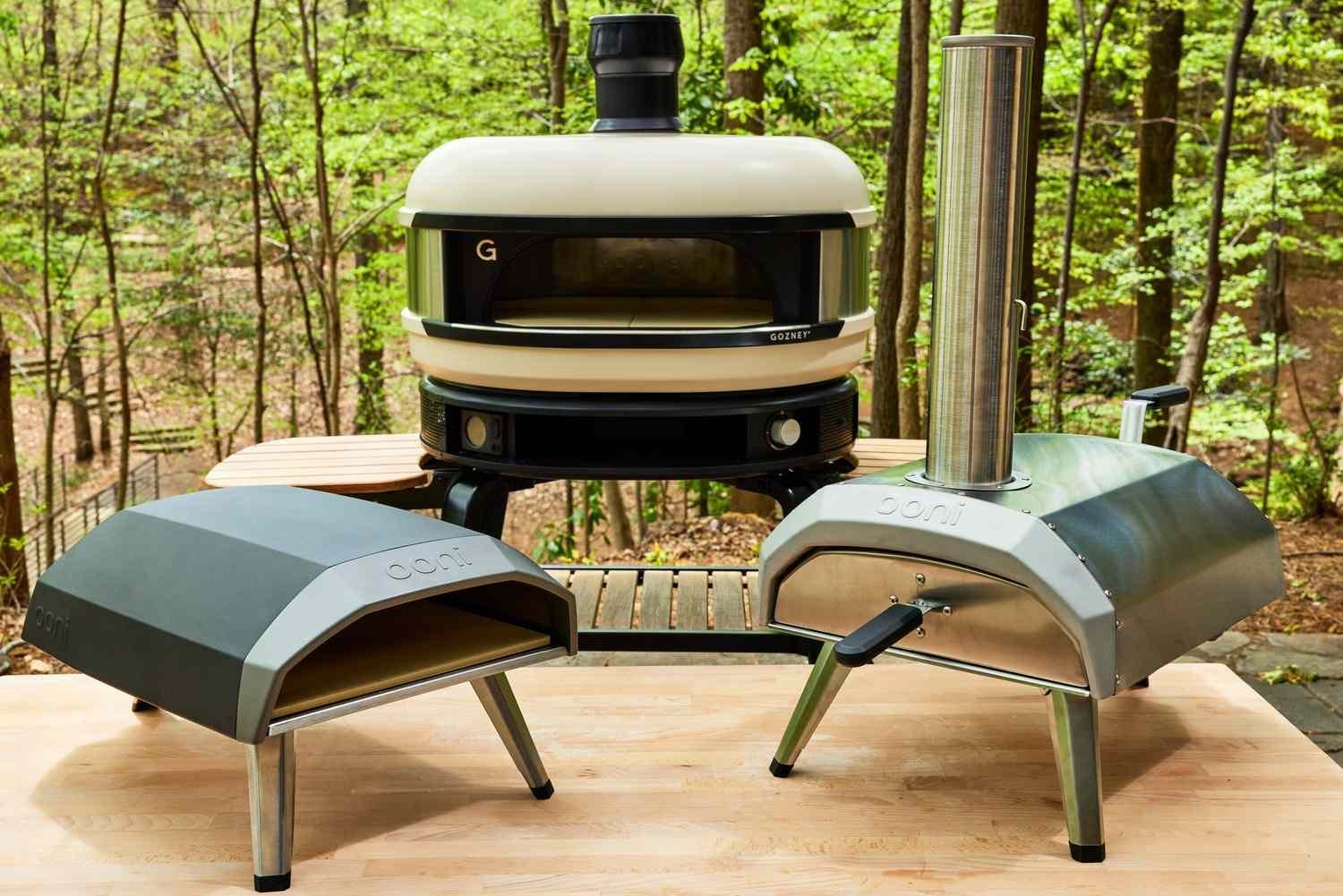
If you want the authentic taste of wood-fired dough, you need a model that handles hardwood or charcoal effectively. If you want convenience, gas-powered models offer a consistent flame and easier temperature control.
Beginners often struggle because they underestimate the importance of the stone temperature. A stone that’s too cold results in a soggy crust, while one that’s too hot will burn the bottom before the toppings are finished. You should aim for a surface temperature of 750°F to 850°F before launching your first pizza.
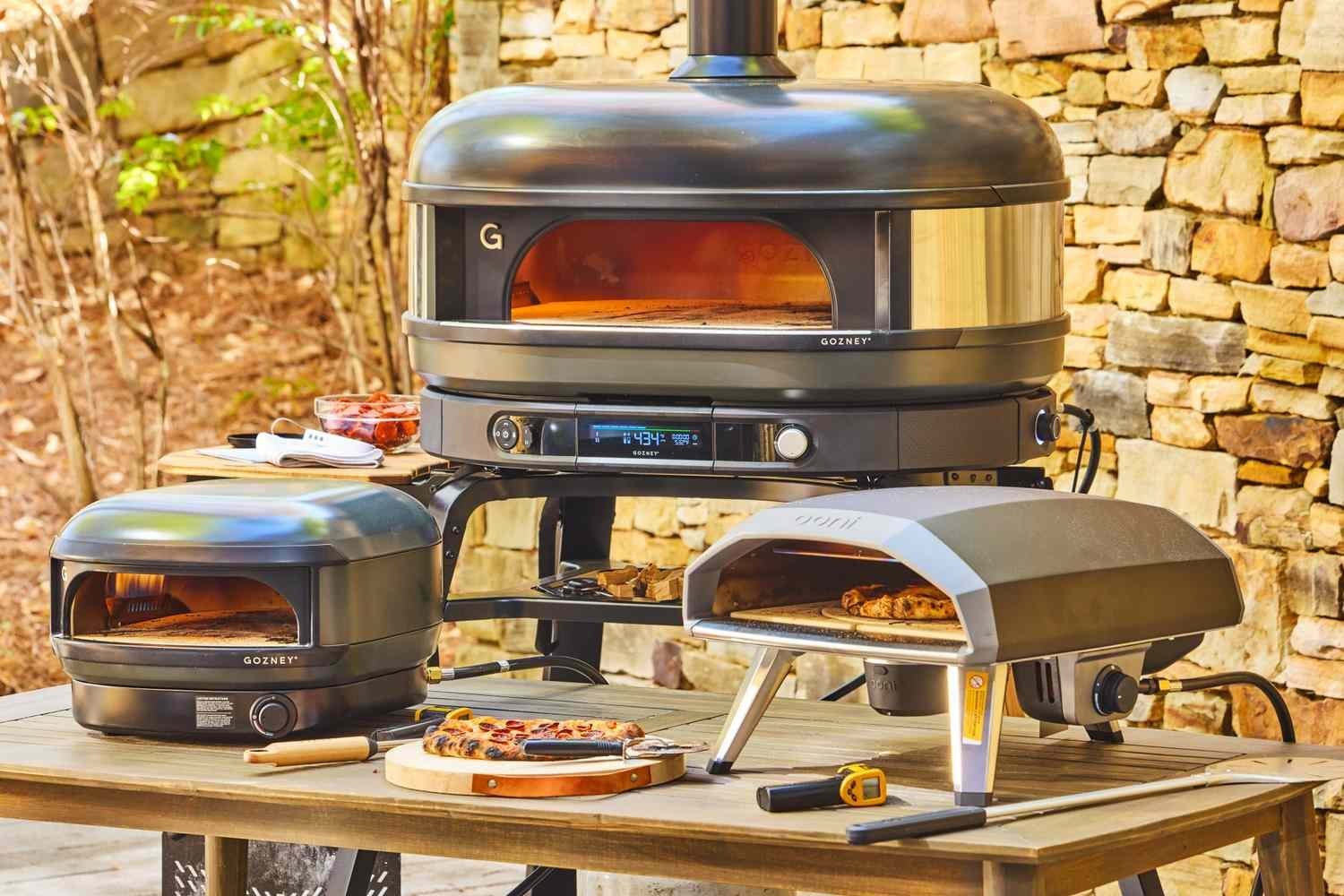
Portability is another factor that dictates your purchase. If you plan to move your oven between a patio and a garage, look for units under 35 pounds. If you intend to build a permanent outdoor kitchen, you can opt for heavier, insulated ceramic ovens that hold heat for several hours. This varies by model — check the label for weight and weather-resistance ratings before you commit to a permanent installation.
Factors that influence your pizza quality
The heat source is the most critical variable. Gas burners provide steady, predictable heat, which is perfect for beginners who are still learning to rotate their pizzas. Wood and charcoal require constant attention to maintain a steady temperature, but they add a distinct smoky flavor that gas can’t replicate.
Insulation determines how quickly the oven recovers between pizzas. A well-insulated oven with thick ceramic fiber walls will maintain a steady temperature even when the ambient air is cold. You can test this by checking how long the oven takes to return to its target heat after you remove a finished pizza.
The size of the cooking surface matters more than you think. A 12-inch oven is fine for personal pizzas, but if you’re cooking for a family of four, you’ll spend your entire evening standing by the oven. A 16-inch opening allows you to cook larger pies and provides more room to maneuver your pizza peel safely.
The type of stone used in the base is also vital. Cordierite is the industry standard because it resists thermal shock and distributes heat evenly. Always ensure your stone is dry before heating, as moisture trapped inside can cause the stone to crack at high temperatures.
Step by step pizza cooking process
- Place your oven on a non-combustible surface, such as a stone patio or metal table, at least 3 feet away from any structures.
- If using gas, connect your fuel tank and check the hose for leaks; if using wood, build a small fire in the rear tray using 4-inch hardwood pieces.
- Preheat the oven for 20 minutes until the center of the baking stone reaches 750°F, as measured by an infrared thermometer.
- Prepare your dough on a lightly floured surface, stretching it to your desired thickness without creating thin spots in the center.
- Add your sauce and toppings, keeping the total weight low to ensure the pizza slides off the peel easily.
- Launch the pizza into the center of the oven, ensuring it isn’t touching the direct flame.
- Rotate the pizza 90 degrees every 20 seconds to ensure an even bake across the crust.
- Remove the pizza once the crust is charred and the cheese is melted, which usually takes 60 to 90 seconds in a 900°F environment.
The real judgment call is knowing when the crust is done. A properly cooked crust should have leopard-spotted char marks on the edges, but the center should remain soft and pliable. If the edges burn before the middle is cooked, move the pizza toward the front of the oven away from the flame.
Pizza oven variations at a glance
| The Situation | What to do | What it takes | What to watch for |
|---|---|---|---|
| Apartment balcony | Use electric model | Low effort | Fire safety rules |
| Frequent travel | Use portable gas | 15 minutes | Weight and size |
| Authentic wood flavor | Use hardwood fuel | High effort | Smoke management |
| Large family meals | Use 16-inch model | 30 minutes | Heat recovery time |
| Cold climate cooking | Use insulated model | 45 minutes | Wind protection |
Tips for a superior pizza result
Controlling the heat
Experienced users know that managing the flame is more important than the oven’s maximum temperature. If you’re using a wood-fired oven, add small pieces of wood every 10 minutes to keep the fire hot without creating excessive soot. Beginners often make the mistake of adding too much wood at once, which chokes the flame and leaves a bitter, sooty taste on the crust. You should always follow the safe minimum internal temperatures if you’re topping your pizza with meats like chicken or ground beef to ensure they’re fully cooked.
Mastering the launch
The transition from the peel to the stone is where most people fail. A dry, floured peel is essential, but it isn’t enough if the pizza sits for too long. Assemble your pizza directly on the peel and launch it immediately. If you notice the dough sticking, lift the edge and blow a small puff of flour underneath the center before trying to slide it into the oven.
Troubleshooting common oven issues
| What you notice | What it usually means | What to do first | How to stop it |
|---|---|---|---|
| Burnt bottom | Stone is too hot | Move to front | Lower flame level |
| Raw center | Dough is too thick | Stretch dough thinner | Preheat stone longer |
| Excessive smoke | Poor air flow | Clean the chimney | Use dry hardwood |
| Pizza sticks | Damp peel surface | Use more flour | Assemble just before |
| Uneven browning | Poor rotation | Rotate more often | Check wind direction |
If your crust burns before the cheese melts, your stone temperature likely exceeds 850°F. Move the pizza to the oven’s front “cool zone” immediately. To prevent this, reduce your flame setting five minutes before launching.
A raw center often signals that your dough ball is heavier than 280 grams. If the dough resists stretching, let it rest for twenty minutes to relax the gluten. Always preheat your stone for at least 45 minutes to ensure the deck has enough thermal mass to cook the base through.
Excessive smoke usually indicates that your wood moisture content is above 20%. If your fire produces thick, grey plumes, switch to kiln-dried hardwoods. A common mistake is leaving ash buildup in the chimney, which chokes the draft and forces smoke back into the cooking chamber.
If your pizza sticks to the peel, you likely waited too long to launch. Assemble the pizza on the peel only when the oven is ready for the launch.
Uneven browning often stems from a lack of rotation. Turn the pizza 90 degrees every 30 seconds to compensate for the flame’s position. If the back of the pizza browns too quickly, check your wind direction; a crosswind can push the flame toward one side of the dome, creating a localized hot spot.
Safety and operational standards
Operating a high-heat appliance requires strict adherence to safety protocols. Never use an outdoor pizza oven inside a garage, shed, or enclosed porch. The buildup of carbon monoxide poses a fatal risk, often accumulating to lethal levels in under twenty minutes within a standard two-car garage.
You must ensure the oven rests on a level, non-combustible surface like concrete, stone, or brick. Placing the unit on a wooden deck or composite material risks heat transfer that can ignite the substructure.
Attempting a DIY fix often voids the manufacturer’s warranty and can lead to catastrophic gas leaks.
Always contact the manufacturer for a list of authorized service technicians trained to handle high-pressure gas-powered cooking equipment. If you smell rotten eggs—the signature scent added to propane—shut off the main tank valve immediately and evacuate the area. Don’t attempt to relight the burner until a professional confirms the system is airtight.
If the flame appears yellow or orange rather than a crisp, steady blue, your air-to-fuel ratio is likely compromised by a blockage. In this case, stop using the oven and inspect the burner tubes for spider webs or debris. A clean burner ensures efficient combustion and prevents the dangerous buildup of soot.
Understanding the real costs
The cost of a home pizza oven ranges from an affordable entry-level price for basic portable models to a significant investment for professional-grade outdoor installations. Beyond the initial purchase, you must account for the cost of fuel. Propane tanks need regular refilling, while high-quality kiln-dried hardwood can be expensive when purchased in small quantities.
Time is your biggest investment. You’ll spend 20 to 45 minutes preheating the oven before you ever cook a single slice. If you factor in the cost of high-quality “00” flour, San Marzano tomatoes, and fresh mozzarella, a homemade pizza can cost a modest amount per pie. Compare this to the price of a restaurant pizza in your area to determine your long-term savings.
Maintaining your oven’s performance
After the oven has completely cooled, use a long-handled brass brush to remove any charred flour or food residue from the stone. Never use water or soap on a baking stone. The porous material acts like a sponge, absorbing moisture that turns to steam during the next firing. This internal pressure causes hairline fractures that eventually lead to the stone snapping in half.
Store your oven under a waterproof cover to prevent rust on the outer shell. If you live in a region with heavy rain or snow, move the unit into a shed or garage for the winter. Moisture trapped under a cover during a freeze can cause the metal to expand and warp.
Check the burner assembly once a year for debris or spider webs. These blockages disrupt the gas-to-air ratio, leading to uneven flames that create cold spots. If your flame is yellow instead of a crisp blue, a blockage is likely the culprit. In this case, use a soft wire brush to clear the ports. Don’t use compressed air, as it often pushes debris deeper into the venturi tube. If the flame remains unstable after cleaning, inspect the regulator for a faulty seal. A damaged regulator is a cheap part to replace but prevents a dangerous gas leak.
When this is the wrong approach
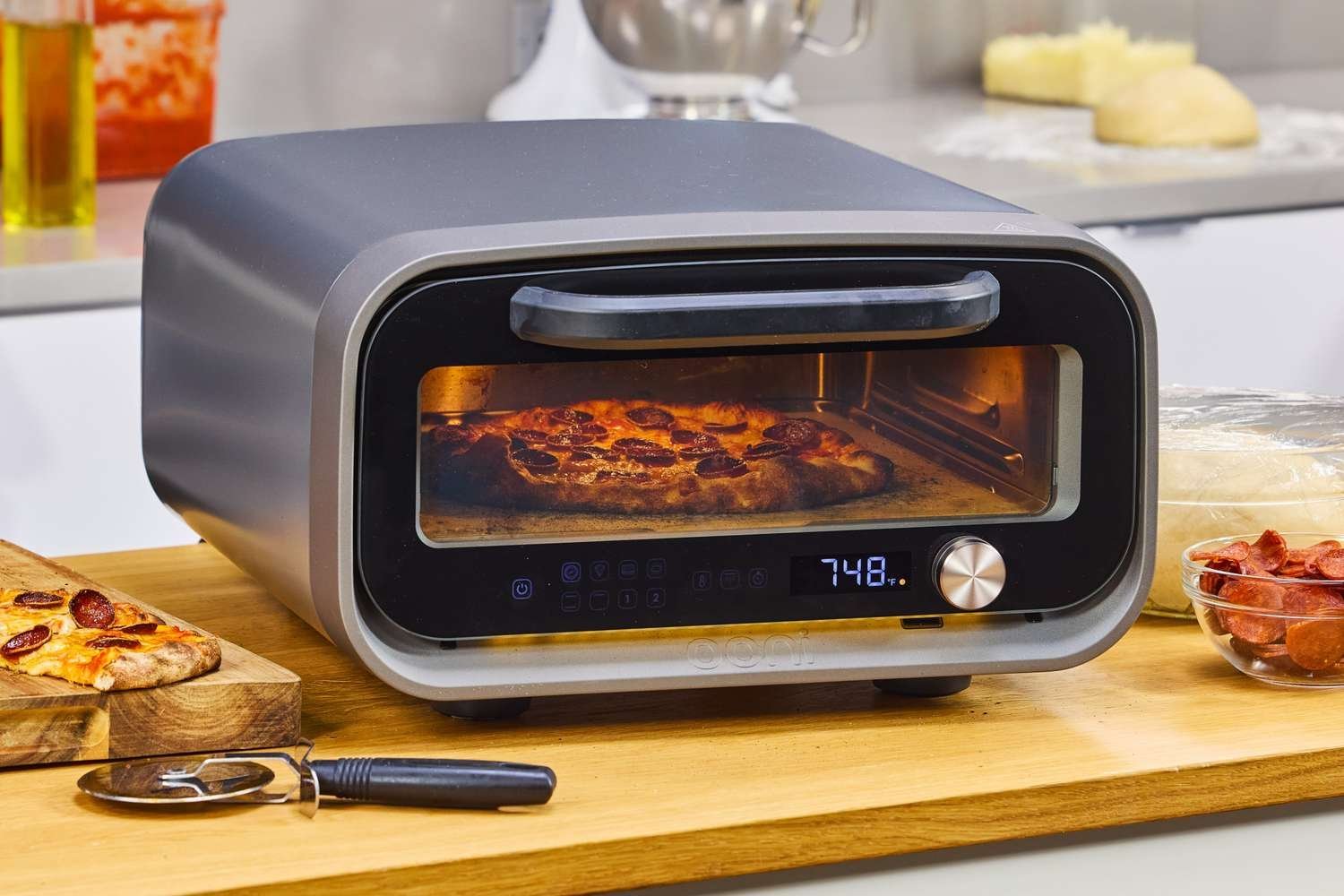
If you only eat pizza once a month, a dedicated oven is likely not worth the space it occupies. A high-quality pizza stone used in a standard kitchen oven can produce excellent results for occasional use. This method is safer for indoor environments and requires no extra storage space.
The mistake most enthusiasts make is buying a specialized unit before mastering their existing equipment. If you can’t produce a decent crust on a preheated stone, a thousand-dollar oven won’t fix your technique. You’re paying for convenience, not necessarily for skill.
If you’re looking for a commercial-grade output for a catering business, don’t purchase a residential oven. These units aren’t designed for the constant, back-to-back cooking required in a commercial setting and will void your warranty if used professionally. You should look for certified commercial equipment that meets your local health department’s standards for safety and sanitation.
The decision rule is simple: if you plan to fire the oven for more than three consecutive hours, or if you’re charging money for the product, residential models are a liability. They lack the heavy-duty insulation and recovery times necessary for high-volume service. Using them in a commercial kitchen often leads to fire code violations and insurance denials.
If your primary goal is hosting large parties rather than professional catering, stick to residential gear. The increased safety ratings and lower power requirements make them better suited for backyard use.
Frequently asked questions
Can I use a pizza oven indoors?
No, you can’t use an outdoor pizza oven indoors because they produce high levels of carbon monoxide that can’t be safely vented in a residential kitchen. Only use these ovens in open, well-ventilated outdoor areas to prevent the risk of fire and toxic gas buildup.
How long does a pizza oven take to heat up?
Most portable pizza ovens take about 20 to 30 minutes to reach 750°F. The exact time depends on the ambient air temperature and the fuel source, so use an infrared thermometer to verify the stone temperature before you begin cooking your first pizza.
Is it safe to leave a pizza oven outside?
Yes, it’s safe to leave most pizza ovens outside if you use a high-quality, waterproof cover to protect the metal from rain and rust. Always store the unit on a flat, stable surface and ensure the cover is secured tightly to prevent it from blowing away in high winds.
What happens if I use wet wood?
Using wet or green wood will cause excessive smoke and prevent the oven from reaching the necessary temperatures for a proper crust. Always use kiln-dried hardwood with a moisture content below 20% to ensure a clean, hot burn and the best possible flavor for your dough.
Does the stone need to be cleaned after every use?
No, you don’t need to deep clean the stone after every use, as the high heat will naturally burn off most food residue. Simply brush away any loose ash or charred crumbs once the oven is completely cool and leave the stone in place for the next session.
How many pizzas can I cook in one hour?
You can typically cook about 15 to 20 pizzas in one hour with a 12-inch oven if you keep the fire consistent. The number depends on your speed in preparing the dough and how quickly you can manage the oven temperature between each launch.
Pizza oven, in short
Start by measuring your patio space to ensure you have at least 5 feet of clearance on all sides. Once you have your oven, practice with a simple dough recipe. If you notice the flame flickering or the temperature failing to rise, stop immediately and check your fuel connections before seeking professional help.
Related guides