
Processed water refers to any water supply that has undergone specific treatment processes to improve its safety, quality, or chemical composition for human consumption or industrial use. The production of this water involves a series of technical stages, including filtration, disinfection, and sometimes mineral adjustment, to ensure it meets public health standards. Depending on the intended end-use, such as residential drinking water or high-purity laboratory water, the complexity of the processing equipment varies significantly.
Key Takeaways

- Processed water is treated to remove contaminants like bacteria, heavy metals, and dissolved solids.
- Municipal systems use large-scale coagulation and sedimentation to clarify source water before final disinfection.
- Homeowners can use reverse osmosis systems to achieve high-purity water for drinking and cooking.
- Always check local water quality reports to determine if your tap water requires additional home processing.
- Maintenance, such as replacing filters, is essential to prevent secondary contamination in your treatment system.
What is Processed Water?
Processed water is essentially any water that has been altered from its natural state through mechanical or chemical intervention. While natural spring water might be considered “raw,” processed water is engineered to eliminate potential health risks and improve aesthetic properties like taste and odor. This category encompasses everything from standard city tap water, which undergoes basic filtration and chlorination, to highly purified distilled or deionized water used in manufacturing processes.
The primary goal is the removal of pathogenic microorganisms and hazardous chemical pollutants. By controlling the exact mineral content and pH levels, industrial facilities and bottling plants can ensure consistency across their product lines, preventing corrosion in pipes or scaling in boilers.
How is Water Processed?
The transformation of raw water into safe, processed water follows a standardized engineering sequence. Most municipal facilities utilize a multi-barrier approach to ensure that if one stage fails, others remain in place to protect the public.
Standard Municipal Treatment Steps
- Coagulation: Adding chemicals like aluminum sulfate to bind small particles together into larger, heavier clumps called flocs.
- Sedimentation: Allowing the heavy flocs to settle at the bottom of a large basin so they can be removed.
- Filtration: Passing the clarified water through layers of sand, gravel, and charcoal to trap remaining microscopic impurities.
- Disinfection: Utilizing chemicals such as chlorine or ultraviolet light to neutralize viruses and bacteria.
Common Water Processing Methods
Different industries and households employ various technologies to achieve specific water quality targets. The choice of method depends on the initial quality of the source and the desired purity level.
| Method | Primary Function | Best Use Case |
|---|---|---|
| Reverse Osmosis | Removes dissolved ions | Drinking and cooking |
| Activated Carbon | Adsorbs chemicals/odors | Improving taste and smell |
| Distillation | Boiling and re-condensing | Laboratory or medical uses |
| Ion Exchange | Softens hard water | Protecting home appliances |
Is Reverse Osmosis Effective?
Reverse osmosis is arguably the most popular method for creating high-quality processed water in residential settings. This process forces water through a semi-permeable membrane that’s small enough to block almost all dissolved solids, including lead, arsenic, and fluoride.
Pro Tip: Change your pre-filters every six months even if the system seems to be working, as clogged filters can force the membrane to work harder and reduce its lifespan significantly.
The result is water that’s nearly pure, though some users choose to add a remineralization stage back into the system because the high-purity output can taste “flat” to some individuals.
Industrial Water Processing Requirements
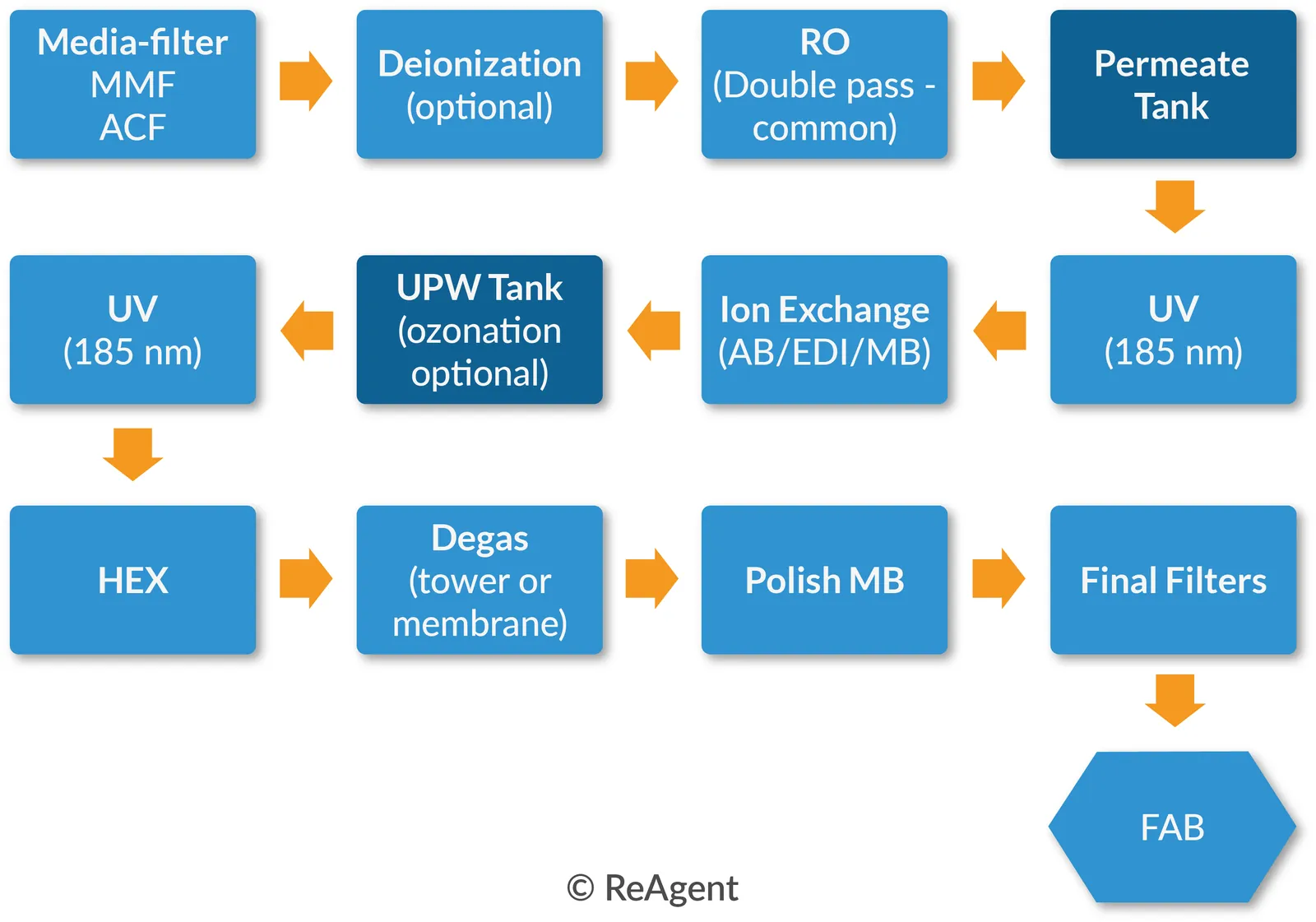
In manufacturing, water is often processed to meet extremely strict tolerances. For instance, semiconductor manufacturing requires “ultrapure” water, which is free of virtually all ions, particles, and organic matter. This involves a complex sequence of deionization resins and ultrafiltration membranes that go far beyond what is necessary for human consumption. Without this level of processing, the chemicals used in chip production would react unpredictably with the impurities in the water, leading to defects in the final components.
Home Processing Systems Comparison
When choosing a system for your home, you must balance cost, footprint, and the specific contaminants you need to remove. Most systems are categorized by their flow rate and the number of stages they use to treat the incoming supply.
| System Type | Installation Complexity | Maintenance Frequency |
|---|---|---|
| Pitcher Filter | Low | Monthly |
| Countertop Unit | Moderate | Quarterly |
| Under-Sink RO | High | Annually |
| Whole-House Softener | Very High | Bi-Annually |
Maintaining Your Water Treatment System
Regardless of the technology used, a processed water system is only as good as its maintenance schedule. Filters act as a trap for debris and chemicals; once they reach their capacity, they can actually become a source of contamination.
- Monitor Pressure: A drop in water pressure is often the first sign that your filters are saturated.
- Keep Records: Maintain a log of when you installed your cartridges to ensure you stay on track with manufacturer recommendations.
- Sanitize Components: Periodically clean the storage tanks or housing units to prevent biofilm formation and mold growth inside the system.
Does Processing Remove All Minerals?
One frequent misconception is that all processed water is “dead” or stripped of all beneficial minerals. While processes like distillation and reverse osmosis do remove most minerals, other methods like carbon filtration or basic sand filtration leave the mineral profile largely intact.
If you’re concerned about your mineral intake, you can opt for systems that include a post-filter remineralization cartridge. These cartridges typically add calcium and magnesium back into the stream, balancing the pH and improving the overall mouthfeel of the water you consume daily.
Safety Concerns and Troubleshooting

Warning: Never bypass your filter during a boil-water advisory unless the filter is specifically rated for cyst removal, as standard carbon filters aren’t designed to catch pathogens.
If your processed water tastes metallic, check the pH level or the condition of your pipes. Often, the processing system is fine, but the water is picking up materials from aging home plumbing. If the water appears cloudy, you may have an issue with air bubbles or a faulty membrane in your reverse osmosis system. Always consult the manufacturer’s manual before attempting to dismantle high-pressure components, as improper reassembly can lead to leaks.
Frequently Asked Questions
What is the difference between filtered and processed?
Filtered water is a subset of processed water. Filtering typically refers to mechanical straining through physical media like charcoal or sand. Processing is a broader term that includes filtration but also encompasses chemical treatments like chlorination, ultraviolet light exposure, and deionization. While all filtered water is processed, not all processed water relies solely on filtration to reach its final state.
Is processed water safe to drink long-term?
Yes, provided the processing system is maintained correctly. When operated according to the manufacturer’s guidelines, these systems provide a consistent and safe supply of water. The main risk factor is neglected maintenance, which can lead to bacterial growth or the release of trapped contaminants back into the water supply. Regular filter changes are the most important factor in ensuring long-term safety.
How much does a home system cost?
The cost of a home water processing system varies widely based on the technology. Simple pitcher-style filters typically range from $20 to $50, while robust under-sink reverse osmosis systems range from $200 to $600. For whole-house treatment systems, expect to pay between $1,000 and $3,500, depending on the complexity of the installation and the specific water quality issues being addressed in your home.
Can I process my own water at home?
You can certainly process your own water using various consumer-grade devices. Depending on your needs, you can choose from countertop gravity filters, under-sink reverse osmosis units, or whole-house softeners. Before purchasing, it’s highly recommended to have your water tested by a certified laboratory to identify exactly which contaminants are present, ensuring that your chosen equipment is actually capable of handling your specific water chemistry.
Why does my water smell like chlorine?
Chlorine is a chemical disinfectant added by municipal water departments to prevent the growth of bacteria as water travels through the distribution system to your home. While it’s effective for safety, it often leaves a distinct odor or taste. Using a high-quality activated carbon filter at your point of use is the most effective way to remove residual chlorine and improve the aesthetic quality of your drinking water.
Conclusion
If you’re concerned about the quality of the water entering your home, the most effective next step is to obtain a professional water quality report from your local utility provider. Once you review those results, you can decide whether a simple pitcher filter is sufficient or if you require a more comprehensive, whole-house treatment solution to meet your specific needs.
