
Aluminum is a highly effective electrical conductor, meaning it allows electrons to flow through it with relative ease, rather than acting as an insulator that blocks such movement. Because of its light weight and low cost, it has become a staple in modern electrical infrastructure, particularly for long-distance power transmission and heavy-duty wiring. Understanding the properties of this metal helps engineers and homeowners make informed decisions about electrical safety, project materials, and heat management in various industrial or residential applications.
Key Takeaways
- Aluminum is a metal, and all metals are inherently conductive due to their unique atomic structure.
- It’s significantly cheaper than copper, making it the preferred choice for massive overhead power lines.
- The material forms a thin, non-conductive oxide layer on its surface, which can sometimes interfere with electrical connections.
- You must use specific anti-oxidant pastes when joining aluminum wires to prevent corrosion and overheating.
- Aluminum isn’t a suitable substitute for copper in every household application due to its tendency to expand and contract.
Is Aluminum A Conductor Or Insulator?
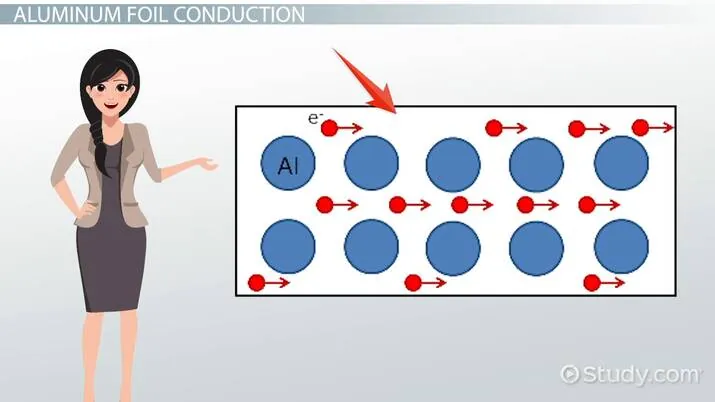
Aluminum is classified as a conductor because its atoms possess free electrons that move easily when an electrical potential is applied. Unlike insulators—such as rubber, glass, or plastic—which hold their electrons tightly, aluminum allows current to pass through its crystalline structure.
This property is why you’ll find it in everything from high-voltage transmission lines to the internal circuitry of consumer electronics. While it doesn’t conduct electricity quite as efficiently as copper, its performance is sufficient for many high-load applications where weight and budget are primary concerns.
Comparing Conductivity Across Common Metals
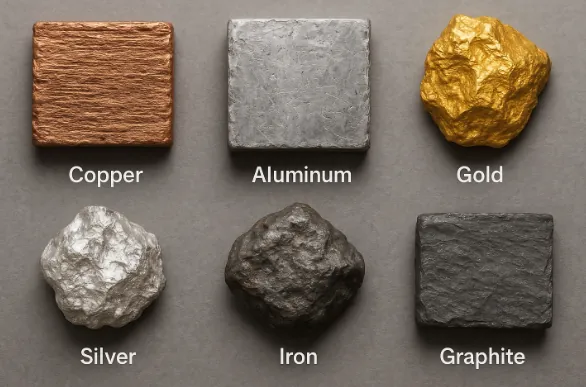
To understand where aluminum stands, it’s helpful to compare it to other common materials used in electrical engineering. Conductivity is typically measured by how well a material allows electricity to flow compared to the International Annealed Copper Standard (IACS). While silver is the most conductive metal, it’s far too expensive for general wiring. Copper is the gold standard for residential use, while aluminum serves as the primary workhorse for utility-scale distribution.
| Material | Conductivity (% IACS) | Common Usage |
|---|---|---|
| Silver | 105% | Precision electronics |
| Copper | 100% | Residential wiring |
| Aluminum | 61% | Power transmission |
| Iron | 17% | Structural supports |
Why Use Aluminum Over Copper?
The primary driver for using aluminum is its cost-to-weight ratio. Copper is dense and expensive, which makes it impractical for spanning the hundreds of miles required for national power grids. Aluminum is roughly one-third the weight of copper, meaning it requires less robust support structures, such as smaller utility poles and fewer anchors. This massive reduction in material and labor costs allows utility companies to provide electricity over vast distances without the prohibitive price tag associated with high-end copper cabling.
The Role Of The Oxide Layer
Warning: Aluminum oxidation is a natural process that occurs when the metal is exposed to air, creating a dull gray surface film. While the base metal is a conductor, this aluminum oxide layer acts as a highly effective insulator.
If you’re stripping and connecting aluminum wires, this layer can create high-resistance spots that lead to excessive heat buildup. Always use a wire brush to remove the oxidation and apply a listed joint compound to prevent the layer from reforming during the installation process.
How Does Heat Affect Aluminum?
Aluminum exhibits a higher thermal expansion coefficient than copper, meaning it changes size more significantly as it heats up and cools down. In a home electrical system, this can be problematic. If an aluminum wire is connected to a terminal, the repeated expansion and contraction can cause the connection to loosen over time.
A loose connection leads to arcing, which generates intense heat and poses a serious fire hazard. This is why modern building codes strictly regulate the use of aluminum alloys in household branch circuits.
Identifying Aluminum Wiring In Homes
If you live in a house built between the mid-1960s and the early 1970s, you may have aluminum wiring. You can identify it by looking for the letters “AL” or “Aluminum” printed on the plastic insulation of the wires. If you find this, don’t panic, but do recognize that your system requires specific maintenance. You should never attempt to connect aluminum wire directly to copper-rated devices like switches or outlets unless those devices are specifically marked as “CO/ALR” or “CU/AL.”
Best Practices For Aluminum Connections
Pro Tip: Always use listed anti-oxidant pastes when installing aluminum wiring to seal the connection from moisture and oxygen. Proper installation involves three critical steps: cleaning the wire, applying the paste, and using the correct torque on the terminal screws.
Never over-tighten, as the metal is softer than copper and can be crushed or nicked, which creates a weak point in the circuit. Using specialized wire connectors that are rated for aluminum is the only way to ensure long-term stability and safety.
Is Aluminum A Magnetic Material?
Aluminum is non-magnetic, which is another reason it’s favored in certain electrical applications where magnetic interference would be problematic. While it conducts electricity, it doesn’t interact with magnetic fields in the same way that iron or nickel do. This property makes it ideal for use in electrical enclosures, transformer housings, and components for specialized motors where you want to minimize stray magnetic flux. If you’re building a project that requires electromagnetic shielding, aluminum is an excellent choice for the chassis.
Addressing The Corrosion Question
Because aluminum is a reactive metal, it’s susceptible to galvanic corrosion when it comes into contact with other metals in the presence of moisture. This is known as a galvanic reaction, where two dissimilar metals create a miniature battery, causing the aluminum to degrade rapidly.
To prevent this, engineers use bimetallic connectors or transition lugs that provide a safe interface between aluminum conductors and copper terminals. Never connect copper and aluminum directly together in an exposed environment, as the moisture will eventually destroy the connection.
Common Myths About Aluminum Conductors
There’s a persistent belief that aluminum is “dangerous” because of its use in 1960s residential wiring. The reality is that the material itself is perfectly safe when installed correctly.
The problems experienced decades ago were largely due to the use of inferior alloys and improper installation techniques that didn’t account for the metal’s physical properties. Today, modern ASTM International standard alloys, such as the AA-8000 series, are used in construction to ensure superior mechanical performance and safety compared to the older versions.
Frequently Asked Questions
Can I mix copper and aluminum wires?
You should never connect copper and aluminum wires directly together using standard wire nuts. The difference in their expansion rates and the potential for galvanic corrosion will lead to loose, dangerous connections. If you must connect them, use a special dual-rated connector or a mechanical lug specifically designed to transition between the two metals safely.
Is aluminum wire safe for home use?
Aluminum wire is safe if it’s the correct modern alloy and is installed by a qualified professional using the right hardware. Many modern service entrance cables are made of aluminum because they’re reliable and cost-effective. However, you should avoid using it for small household branch circuits unless you’re using specific, compatible devices that are certified for aluminum use.
Why does aluminum get hot?
Aluminum has a higher electrical resistance than copper, which means for the same amount of current, it generates more heat. If the wire is undersized for the load, or if the connection points are oxidized and loose, the resistance increases further. This creates a feedback loop of heat that can melt insulation and cause electrical fires if not properly managed.
How do I clean aluminum wire?
To clean aluminum wire, use a fine-grit sandpaper or a wire brush to gently remove the gray oxide layer until the metal appears bright and shiny. Once cleaned, immediately apply an approved anti-oxidant joint compound. This paste prevents oxygen from reaching the metal, stopping the oxidation process before you secure the wire into its terminal or connector.
Does aluminum rust?
Aluminum doesn’t rust in the way that iron does, because “rust” is specifically the oxidation of iron. Instead, aluminum undergoes a process called surface oxidation. While rust flakes away and continues to eat through the metal, aluminum oxide forms a hard, protective crust that usually prevents further corrosion. However, this crust is an insulator, which is why it must be removed for electrical contact.
Conclusion
If you have discovered aluminum wiring in your home or are planning a project involving high-current electrical systems, the best next step is to consult your local building department or a licensed electrician. They can verify if your specific installation meets current safety codes and ensure that all connections utilize the proper anti-oxidant compounds and compatible terminal hardware for your peace of mind.
