
Transformers are essential electromagnetic devices used to change voltage levels in electrical circuits to ensure safe and efficient energy distribution. By utilizing the principle of electromagnetic induction, they allow power grids to transmit electricity over vast distances without losing excessive energy to heat. Beyond the massive utility stations you see along highways, these components are embedded in nearly every piece of consumer electronics, industrial machinery, and medical technology currently in operation.
Key Takeaways
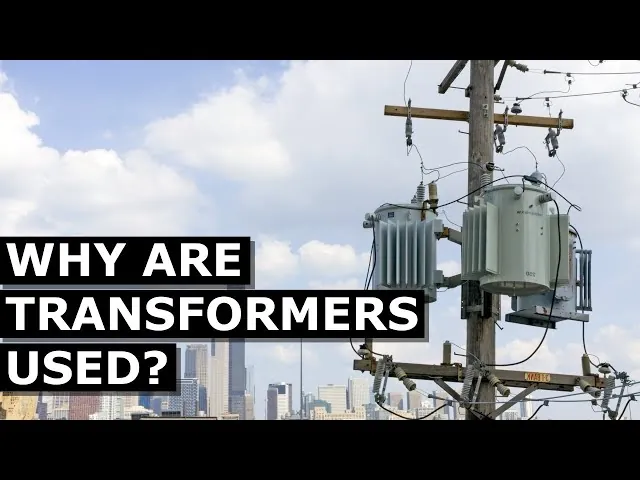
- Utility-scale transformers are critical for step-up and step-down voltage processes in national power grids.
- Small-scale transformers are vital for converting high-voltage wall power into safe levels for laptops and mobile devices.
- Isolation transformers provide a critical safety barrier by decoupling equipment from the primary electrical supply.
- Regular maintenance and inspection of liquid-filled transformers can extend their operational lifespan by decades.
- Always match the volt-ampere rating of a transformer to the specific load requirements of your application.
Where Are Transformers Used?
Transformers are omnipresent, acting as the silent workhorses of the modern electrical world. They’re categorized primarily by their capacity and application, ranging from gigantic units that power cities to tiny components soldered onto printed circuit boards. Their primary function is to facilitate the transmission and distribution of electricity by adjusting alternating current (AC) levels to match the requirements of the end-use device or the transmission line.
Utility Power Grids
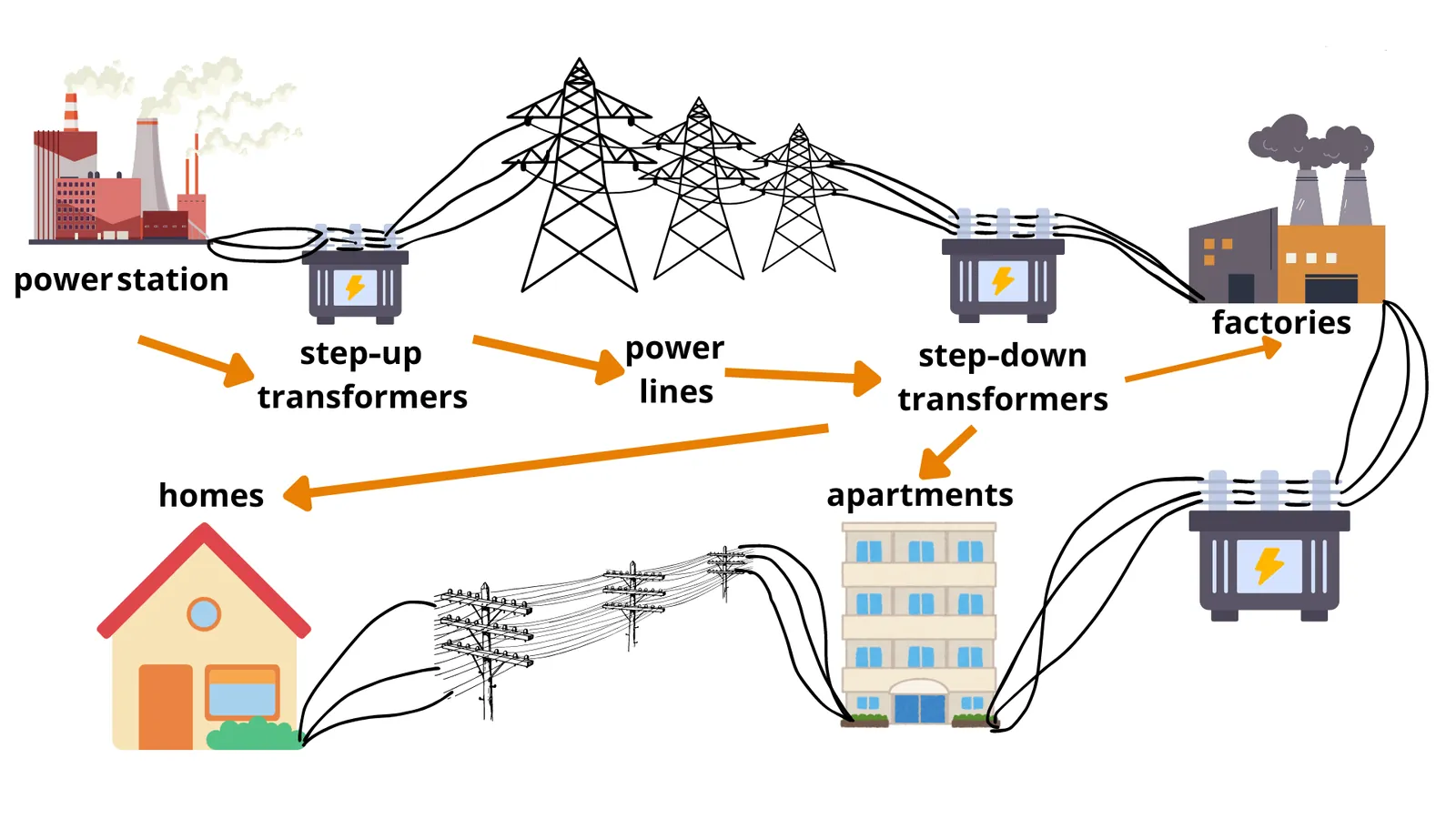
The most prominent application of these devices is within the electrical grid. Power plants generate electricity at relatively low voltages, which are then stepped up to extremely high voltages by large transformers for long-distance transmission. High voltage reduces current, which minimizes the power lost to resistance in the copper wires. As the power nears residential or commercial zones, local distribution transformers step the voltage back down to safe levels for standard appliances.
Consumer Electronics
Almost every device that plugs into a wall outlet relies on an internal transformer. These small units, often found within external power adapters or integrated into the device chassis, convert the 120V (in the US) wall supply into the low-voltage DC required by sensitive microchips. Without this conversion, the delicate components inside a smartphone or television would be destroyed instantly by the high-pressure electrical supply of the grid.
Different Types of Transformers
Choosing the right device depends on the specific voltage, current, and frequency requirements of the system. Engineers categorize these components based on their core material, cooling method, and the specific role they play in the circuit.
| Transformer Type | Primary Function | Typical Use Case |
|---|---|---|
| Step-Up | Increases Voltage | Power Grid Transmission |
| Step-Down | Decreases Voltage | Home Appliances |
| Isolation | Decouples Circuits | Medical Equipment Safety |
| Current | Measures Current | Industrial Metering |
| Autotransformer | Adjusts Voltage | Variable Power Supplies |
Critical Roles in Industrial Settings
In heavy manufacturing, transformers handle significantly higher loads than those found in consumer settings. They’re used to power high-torque motors, arc welders, and industrial lighting systems that require consistent, high-current delivery. These units often feature robust cooling systems, such as oil-filled tanks or forced-air circulation, to prevent the internal windings from overheating during continuous operation.
Motor Control Centers
Industrial facilities use transformers to feed motor control centers. By adjusting the voltage to match specific motor specifications, these devices ensure that machines operate at their peak efficiency. This reduces the mechanical stress on components and significantly lowers the overall energy consumption of the facility. Energy efficiency is the primary driver for selecting high-grade transformer cores in these environments.
Safety and Isolation Applications
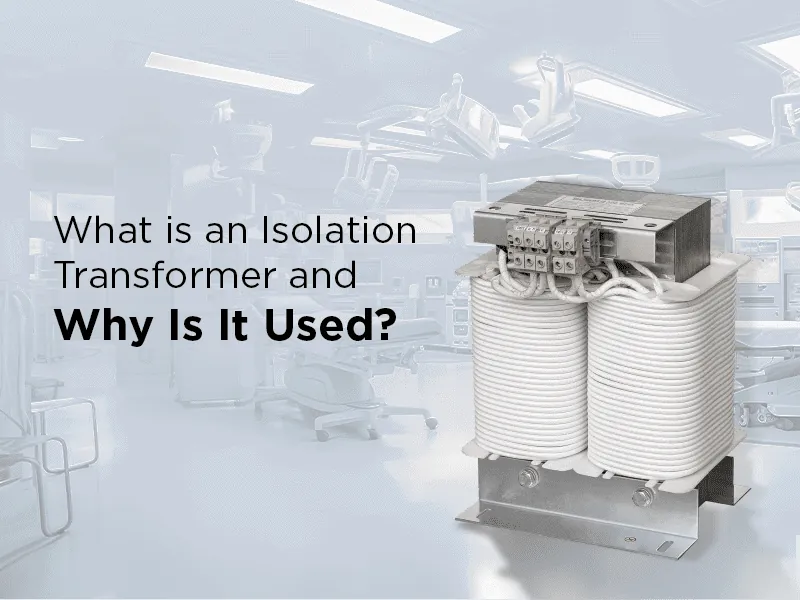
Isolation transformers are a specialized category designed to protect both the operator and the equipment. They feature a physical gap between the primary and secondary windings, meaning there’s no direct electrical connection between the input and output. This configuration prevents the risk of electric shock if a person touches a live wire while grounded.
Medical and Laboratory Environments
In hospital settings, isolation transformers are mandatory for equipment that comes into contact with patients. They prevent stray currents from causing harm during sensitive procedures. Similarly, in research laboratories, these devices provide a “clean” power source that’s free from the voltage spikes or noise that might otherwise interfere with precision analytical instruments. Electrical safety compliance is the standard benchmark for these installations.
How Do They Manage Heat?
Because transformers work via magnetic fields and electrical resistance, they generate significant heat. Managing this thermal energy is essential to prevent the insulation from breaking down, which would lead to a short circuit and potential fire hazard.
- Dry-type transformers: Use air as the cooling medium and are typically used indoors or in environments where fire safety is a major concern.
- Liquid-filled transformers: Use mineral oil or synthetic fluids to dissipate heat, making them ideal for high-capacity, outdoor utility applications.
- Forced-air systems: Employ industrial fans to push air through the cooling fins, allowing the unit to handle higher loads than a standard convection-cooled model.
Maintenance and Troubleshooting
To ensure long-term reliability, transformers require periodic inspection. A failing unit often provides early warning signs before a catastrophic failure occurs. Routine diagnostic testing is the best way to catch these issues early.
Common Signs of Failure
If you suspect a transformer is malfunctioning, look for these specific indicators:
- Visible oil leaks or pooling beneath the unit.
- Unusual humming or buzzing sounds that change in intensity.
- Overheating or signs of scorched insulation near the terminals.
- Tripping circuit breakers immediately upon power-up.
Essential Maintenance Steps
- Inspect the exterior casing for rust or physical damage.
- Check the oil levels and perform a dielectric strength test.
- Clean the cooling fins to ensure proper airflow.
- Tighten all electrical connections to prevent arcing.
- Monitor the load to ensure the unit isn’t exceeding its rated capacity.
Common Transformer Applications Table
This table outlines where you’ll find specific types of transformers in everyday life and industry.
| Environment | Equipment Used | Purpose |
|---|---|---|
| Residential | Wall Adapters | Charging mobile devices |
| Commercial | HVAC Systems | Running high-load motors |
| Industrial | Arc Welders | Providing high current |
| Utility | Substations | Grid distribution |
| Medical | Patient Monitors | Providing isolation |
Related guides
- Best Power Station for Home in 2026
- What Is Nomex Honeycomb and What Is It Used For
- How a Heat Recovery Boiler Works and Its Key Benefits
Frequently Asked Questions
What happens if a transformer is overloaded?
When a transformer is pushed beyond its rated capacity, the internal windings begin to overheat rapidly. This excessive heat damages the insulation material, which can lead to a short circuit between the windings. If the protective breakers fail to trip, the unit may experience a catastrophic failure, including the potential for fire, oil leakage, or an explosion in liquid-filled models.
Why do some transformers buzz?
The buzzing sound, often called “magnetostriction,” occurs because the magnetic field forces the iron core to vibrate slightly at the frequency of the electrical current. While a faint hum is normal, a loud or erratic buzzing can indicate that the internal components have loosened or that the core laminations are failing. If the noise is excessive, it’s a sign that the unit requires professional inspection.
Can I repair a transformer myself?
Generally, no. Transformers involve high-voltage components and complex magnetic shielding that require specialized training and safety equipment to handle. Attempting to repair a transformer without proper knowledge poses a severe risk of electrocution or fire. If you suspect a failure, always contact a certified electrician or the manufacturer to perform an assessment and handle the necessary repairs or replacements safely.
How long does a transformer last?
With proper maintenance, a high-quality utility transformer can last between 25 and 40 years. Consumer-grade transformers, such as those inside power bricks or small appliances, typically have shorter lifespans of 5 to 10 years due to the lower quality of materials and the lack of cooling systems. Environmental factors like humidity, temperature, and load consistency play the largest roles in determining longevity.
Are all transformers the same?
No, they vary significantly based on their power rating, efficiency, and construction. Some are designed for high-frequency signals, like those in radio equipment, while others are built for high-power distribution. Using the wrong type of transformer for an application will lead to poor performance, equipment damage, or dangerous electrical conditions. Always verify the specifications on the nameplate before connecting any device to a transformer.
Conclusion
Understanding the role of these devices helps you better manage your own electrical equipment and appreciate the infrastructure that powers your daily life. Whether you’re troubleshooting a simple wall charger or learning about industrial power distribution, remember that these components are built to specific safety standards. If you encounter a suspicious transformer, the best next step is to consult a licensed professional to perform a safety evaluation.
