
Ninja NeverStick coating is a proprietary form of plasma-ceramic reinforced nonstick technology, engineered by bonding diamond-like particles to a hard-anodized aluminum base at high temperatures. Unlike traditional nonstick surfaces that rely solely on a soft polymer layer, this manufacturing process creates a textured, ultra-durable surface that resists flaking, scratching, and peeling even under intense daily use. By utilizing a specialized plasma-spraying technique, the manufacturer ensures that the nonstick material remains securely anchored to the metal body of the cookware, providing a long-lasting release surface that functions effectively for searing, sautéing, and delicate cooking tasks without requiring excessive oils or fats.
Key Takeaways

- NeverStick is a plasma-ceramic composite, not a standard chemical-only nonstick coating.
- The material is designed to withstand oven temperatures reaching up to 500 degrees Fahrenheit.
- The cookware base is composed of hard-anodized aluminum, which is significantly harder than standard stainless steel.
- Avoid using metal utensils to extend the lifespan of the coating, even if the material is technically scratch-resistant.
- Hand washing with mild detergent is the recommended cleaning method to maintain surface integrity over time.
What Is Ninja NeverStick Made Of?
The core of the NeverStick technology is a fusion of high-grade ceramics and nonstick polymers. During production, the aluminum cookware base is subjected to a plasma-arc process that reaches temperatures exceeding 17,000 degrees Fahrenheit. This intense heat allows the manufacturer to embed ceramic particles directly into the surface, creating a permanent bond that creates a textured surface layer.
This physical structure provides the “never stick” performance while preventing the coating from wearing away as quickly as conventional spray-on coatings. The composition is entirely free from PFOA, lead, and cadmium, ensuring that the cooking surface doesn’t release harmful substances during standard culinary applications according to the Ninja Kitchen safety standards.
Comparing Cookware Coating Technologies
Understanding the difference between coating types helps in selecting the right tools for your kitchen. Most consumer pans utilize basic polytetrafluoroethylene (PTFE) surfaces, which are effective but prone to degradation over time. Ninja’s plasma-ceramic approach is intended to bridge the gap between traditional nonstick convenience and the durability of professional-grade ceramic cookware.
| Coating Type | Material Composition | Durability Rating | Best Use Case |
|---|---|---|---|
| Standard PTFE | Synthetic polymer | Low to Medium | Low-heat daily use |
| Ceramic Sol-Gel | Silica-based mineral | Medium | Searing and browning |
| NeverStick | Plasma-Ceramic/PTFE | High | High-heat and searing |
| Hard-Anodized | Oxidized Aluminum | Very High | Heavy-duty cooking |
The Role of Hard-Anodized Aluminum
The structural integrity of the pan comes from its hard-anodized aluminum foundation. Anodization is an electrochemical process that thickens the natural oxide layer on the surface of the metal. This makes the aluminum body significantly harder and more resistant to corrosion than raw or standard non-anodized aluminum.
Because the hard-anodized exterior is so robust, it prevents the pan from warping when exposed to rapid temperature changes, such as moving a pan from a hot burner into a cool oven or under a faucet.
How to Maintain Your Coating
Even with a high-durability surface, proper maintenance is essential for longevity. The coating is designed to be dishwasher safe; however, the harsh detergents and high-pressure water jets found in modern dishwashers can degrade the nonstick properties faster than hand washing. Stick to soft sponges or non-abrasive cloths to ensure the protective surface finish remains intact for years. Avoid steel wool or scouring pads at all costs, as these will create micro-scratches that compromise the nonstick performance.
Is High Heat Safe?
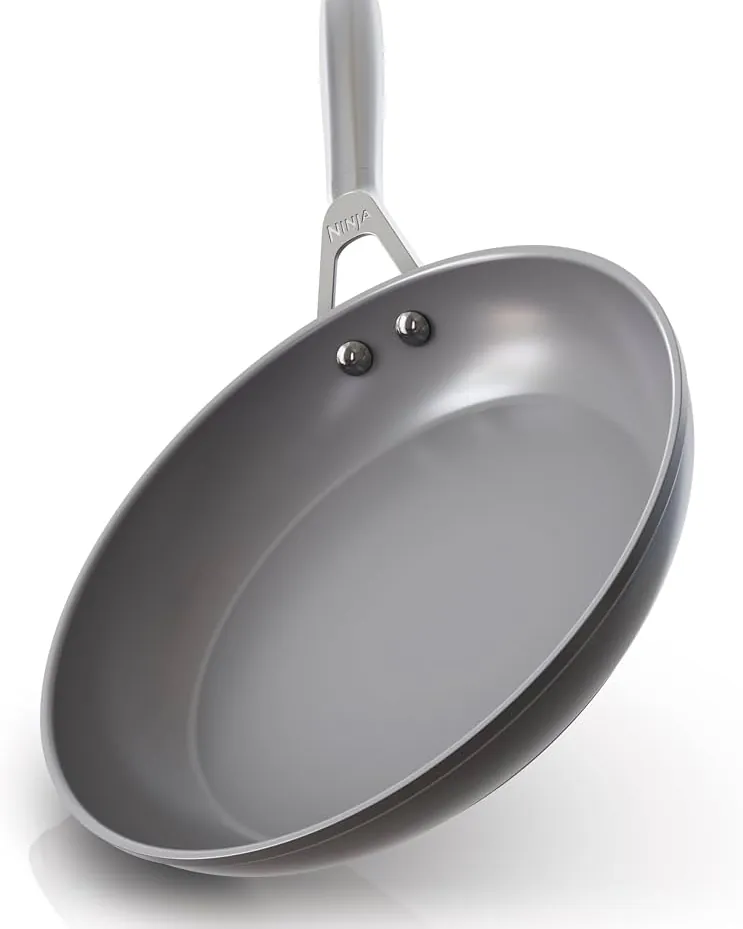
One of the primary benefits of the plasma-ceramic fusion is its ability to handle significantly higher heat than traditional nonstick pans. While most nonstick surfaces begin to break down at temperatures near 400 degrees Fahrenheit, this specific coating is rated for use up to 500 degrees Fahrenheit.
This makes the cookware suitable for oven-finishing dishes, such as starting a steak on the stovetop and moving it to the oven to finish. Keep in mind that while the coating heat tolerance is high, you should avoid using aerosol cooking sprays, as these contain additives that can leave a sticky residue that ruins the nonstick effect over time.
Recommended Cleaning and Care
Keeping your cookware in top condition involves a consistent routine. Using harsh chemicals or scrubbing agents will strip the surface of its hydrophobic properties. Follow this simple schedule to ensure the best performance.
| Action Item | Frequency | Cleaning Tool |
|---|---|---|
| Wipe with paper towel | After every use | None |
| Hand wash with mild soap | Daily | Soft microfiber cloth |
| Deep clean for residue | Monthly | Baking soda paste |
| Oven heat cycle | Only if needed | None |
Why Does My Pan Stick?
If you notice food sticking to your NeverStick surface, it’s rarely a failure of the coating itself. More often, the issue is an accumulation of polymerized oils or proteins that have bonded to the surface. When cooking oils are heated past their smoke point, they turn into a sticky, varnish-like layer that masks the nonstick properties.
To resolve this, perform a deep clean using a paste of baking soda and water. Rub the affected surface area gently with a non-abrasive sponge, rinse thoroughly, and dry. This will remove the build-up and restore the natural slickness of the ceramic-reinforced layer.
Avoiding Common Cooking Mistakes
Pro Tip: Always preheat your pan on low to medium heat before adding oil or food. Adding cold food to a cold pan often leads to protein bonding, which makes it feel like the coating has failed when, in reality, it’s a simple matter of thermal reaction.
Warning: Never use metal spatulas, forks, or knives directly on the pan surface. While the plasma-ceramic structure is tough, it isn’t impervious to sharp metal edges. Stick to silicone, wood, or nylon utensils to preserve the surface for the long term.
The Science of Plasma Spraying
The manufacturing process involves a plasma-spraying technique that’s central to the product’s durability. During this phase, the ceramic particles are accelerated in a high-temperature plasma jet. As these particles hit the aluminum substrate, they melt and fuse into the metal. This creates a mechanical bond that’s significantly stronger than the chemical adhesion used in standard nonstick manufacturing. This process is what allows the manufacturer to guarantee the surface won’t flake or peel under normal household usage conditions.
Selecting the Right Utensils
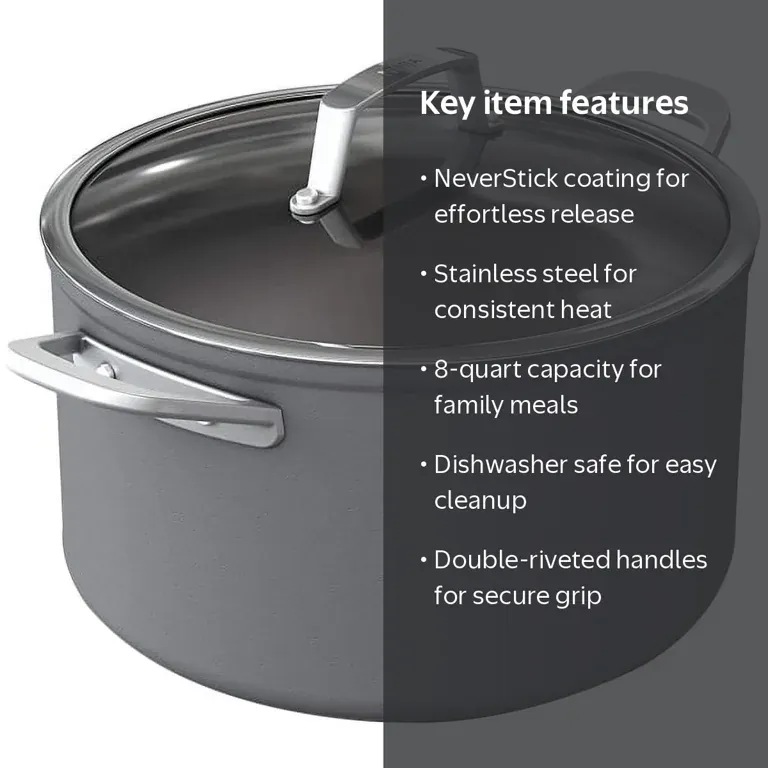
To maximize the life of your cookware, you must curate your kitchen tools carefully. The physical hardness of the coating is rated to withstand heavy-duty use, but it’s still a nonstick-based system. Using the wrong tools will introduce micro-abrasions that allow food particles to settle into the surface.
- Silicone Turners: Ideal for flipping eggs and pancakes.
- Wooden Spoons: Best for stirring sauces and stews.
- Nylon Ladles: Essential for serving soups without scratching the bottom.
- Plastic Tongs: Safe for moving proteins like chicken or steak.
Frequently Asked Questions
Can I use metal utensils on NeverStick?
While the coating is reinforced with ceramic particles to resist scratches, it isn’t immune to damage from metal utensils. Using metal forks, knives, or spatulas can eventually create micro-abrasions on the surface. These small scratches will eventually lead to food sticking and a reduction in the pan’s overall lifespan. It’s highly recommended to use silicone, nylon, or wooden utensils to maintain the surface.
Is the coating toxic if scratched?
The coating is manufactured to be PFOA-free, lead-free, and cadmium-free. If the pan becomes scratched, the material exposed is typically the hard-anodized aluminum base. While you should replace a pan that’s heavily gouged or damaged to ensure even cooking and food safety, the material itself doesn’t release toxic fumes or chemicals under normal cooking temperatures if the surface happens to be lightly scratched.
How do I remove burnt residue?
To remove stubborn burnt residue, avoid using steel wool or harsh chemical cleaners. Instead, create a paste using baking soda and a small amount of warm water. Apply the paste to the affected area and let it sit for approximately fifteen minutes. Gently scrub with a non-abrasive sponge or a soft cloth, then rinse the pan thoroughly. This method removes the residue without damaging the nonstick layer.
Why is my pan warping?
Warping usually occurs due to thermal shock rather than a defect in the cookware. This happens when a hot pan is placed directly into cold water or onto a cold surface. To prevent this, always allow your cookware to cool down to room temperature naturally before washing it or placing it in the refrigerator. Using a burner that’s significantly smaller than the base of the pan can also cause uneven heating.
Can I put it in the dishwasher?
Although the manufacturer states the cookware is dishwasher safe, hand washing is the preferred method for extending the life of the coating. Dishwasher detergents are often abrasive, and the high-pressure water spray can cause wear on the surface over time. If you do choose to use a dishwasher, place the pan in the rack carefully and avoid overcrowding it with other heavy metal items.
Conclusion
Proper care and usage of your cookware will dictate how many years of service you receive from it. By avoiding high-heat abuse, skipping metal utensils, and cleaning with soft materials, you preserve the specialized plasma-ceramic bond that makes these pans effective. For your next step, inspect your current kitchen utensil collection to ensure you have a full set of silicone or nylon tools ready for your next cooking session.
