
Eddy current loss is the energy wasted as heat when electrical currents flow in loops within a conductor, and you can reduce it by using laminated cores or high-resistivity materials. This phenomenon happens because changing magnetic fields induce circular currents in metallic parts. These currents, also known as Foucault currents, create their own magnetic fields that oppose the original source, leading to power dissipation.
How eddy current loss creates heat
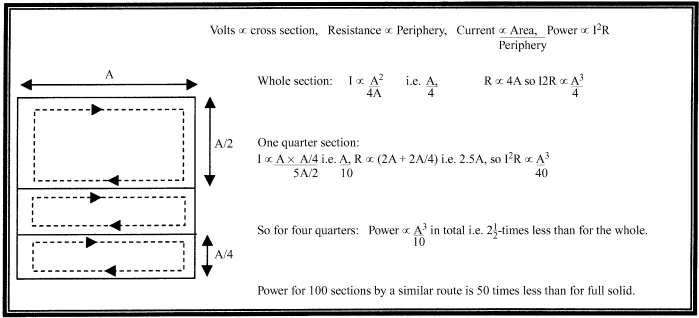
The primary cause of these losses is the interaction between a time-varying magnetic field and a conductive material. When a metal core is exposed to this field, the electromagnetic induction creates circular electrical paths. Since the material has electrical resistance, these loops generate heat instead of doing useful work. This is a common issue in transformers, motors, and generators.
The magnitude of this loss depends on the frequency of the magnetic field and the thickness of the material. If the frequency is high, the induced currents increase, which causes more heat. Similarly, if the metal piece is thick, it provides a larger area for the currents to circulate, leading to higher energy waste.
In many industrial applications, engineers must balance the need for magnetic permeability with the need to minimize these parasitic currents. For detailed guidance on electromagnetic compatibility and energy standards, you can review the international standards for electrical equipment provided by the International Electrotechnical Commission.
Use thin laminated sheets
The most effective way to lower these losses is to break the path of the circulating current. You do this by stacking thin sheets of metal that are insulated from each other. By using thin laminations, you restrict the current loops to the thickness of a single sheet rather than the entire core.
This technique is standard in transformer design. If you need to handle higher frequencies, you should use thinner sheets. For low-frequency devices, thicker sheets might be acceptable. If you don’t insulate the sheets properly, they will touch and form a large electrical path, which defeats the purpose of lamination. Always check that the insulation coating remains intact during assembly. If you notice the device getting unusually hot during operation, the insulation between layers may have failed.
Choose materials with high electrical resistance

Another way to mitigate these losses is to use materials that naturally resist electrical flow. Soft magnetic alloys, such as silicon steel, are often used because they have higher resistivity than pure iron. This higher resistance makes it harder for eddy currents to form, even if the magnetic field is strong.
This approach is best for high-efficiency motors where you want to keep the core cool. The trade-off is that these specialized alloys are often more expensive than standard steel.
If you’re building a budget-friendly project, you might choose a standard core and accept the higher heat. However, if you’re designing for long-term power efficiency, the extra cost of high-resistivity material is usually worth the investment. Always match the alloy grade to the operating frequency of your specific motor or transformer design.
Use ferrite cores for high frequencies
For very high-frequency applications, such as radio frequency circuits or high-speed power supplies, metal laminations aren’t enough. In these cases, you should use ferrite cores. These are ceramic compounds that combine iron oxide with other metallic elements.
Ferrites have extremely high electrical resistance, which nearly eliminates eddy currents. This is why they’re the standard choice for inductors and transformers in electronics. This fix isn’t for low-frequency power applications, as ferrite cores have lower magnetic saturation levels compared to steel.
If you try to use a small ferrite core for a high-power, low-frequency transformer, it will likely saturate and fail. Always verify the saturation current rating on the manufacturer’s data sheet before selecting a core for your power circuit.
Myths about power loss reduction
- Painting the core with standard paint: This doesn’t stop eddy currents. Standard paint lacks the dielectric strength needed for high-voltage applications. Transformer manufacturers use phosphate or oxide coatings applied at specific thicknesses to insulate each lamination.
- Using solid copper cores: Copper has very low resistance, which actually makes eddy current losses much worse than they would be in iron. The low resistivity allows large circulating currents to form freely. Silicon steel is used because adding silicon raises the electrical resistivity of the metal itself.
- Increasing the core volume: Adding more metal to the core doesn’t reduce the loss per unit volume. Eddy current loss per unit volume scales directly with the square of the lamination thickness. Halving that thickness cuts the eddy current loss per unit volume to one quarter.
- Wrapping the core in tape: While it provides some insulation, it doesn’t prevent the layers from touching at the edges and creating short circuits. Burrs left over from stamping punch through tape easily. These edge shorts bypass the insulation entirely.
Preventing future energy waste

You can manage these losses by choosing the right core design based on your device’s operating frequency and power requirements. Proper selection prevents overheating and improves overall efficiency.
Laminations must be electrically insulated from one another. A thin oxide or varnish coating between sheets stops current from jumping across layers. Skipping this insulation turns your stack back into a solid block.
Ferrite cores work well up to a few megahertz, but they crack under mechanical stress easily. If your device faces heavy vibration, consider powdered iron instead. It costs more but survives physical shock far better.
| If you’re doing this | Do this instead | Why |
|---|---|---|
| Using a solid iron block | Use laminated thin sheets | Breaks the circular current path |
| Using standard steel | Use silicon steel | Higher resistance blocks current |
| Using metal at high frequency | Use ferrite material | Ceramic structure stops current flow |
| Using thick laminations | Use thinner laminations | Reduces the area of the current loop |
Related guides
- How to Neutralize Perfume Odor in Office Spaces Effectively
- Best Drain Unblockers: How to Clear Clogs Effectively in 2026
- How to Clean Toilet Seat Cover Surfaces Safely and Effectively in 2026
Frequently asked questions
Can eddy current loss be completely eliminated?
No, it can’t be completely eliminated, but it can be minimized to negligible levels. As long as a conductive material is exposed to a changing magnetic field, some amount of current will be induced. By using high-resistivity materials or advanced ceramic cores, you can reduce these losses until they no longer impact the performance or safety of your equipment.
How long do laminated cores last?
Laminated cores can last a long time if they’re kept dry and protected from vibration. The main limit is the degradation of the thin insulation layer between the sheets. If the insulation breaks down, the core will heat up and eventually fail. You can monitor the health of your core by tracking the operating temperature under a steady load.
Is it safe to touch a core with eddy currents?
No, it isn’t safe to touch a core while it’s operating because it can reach temperatures high enough to cause burns. Eddy currents convert magnetic energy directly into heat, which can exceed 100 degrees Celsius in poorly designed or failing units. Always turn off the power and allow the device to cool fully before you attempt any inspection or maintenance.
What happens if the laminations are too thick?
If the laminations are too thick, the eddy currents will flow more freely, leading to excessive heat and lower efficiency. The thickness of the sheets must be matched to the frequency of the magnetic field. If your device runs at 60 Hz, you can use thicker sheets, but at 400 Hz or higher, you must use much thinner sheets to prevent overheating.
How do I know if my core is failing?
You can identify a failing core by checking for abnormal heat, humming noises, or a sudden drop in output power. A core that’s losing its insulating properties will draw more current from the source to maintain its magnetic field, which creates more waste heat. If the device smells like burning insulation, disconnect it immediately and consult a qualified electrical technician.
Conclusion
Managing unwanted heat in your equipment doesn’t have to be complicated. If you’re designing a new motor or transformer, start by checking the core material’s specifications early in your process. You’ll save time and avoid frustrating overheating issues down the road.
