
The most effective ways to clear a blockage are enzymatic cleaners, caustic chemicals, or a manual plumbing snake, which address different types of clogs. While enzymatic formulas digest organic waste, caustic options dissolve hair and grease, and mechanical tools physically remove stubborn debris. Choose your method based on your pipe material and the nature of the obstruction to avoid lasting damage.
How to compare different drain unblockers
There are several ways to fix a slow drain, ranging from gentle solutions to heavy-duty tools. This table shows the primary methods available for home use.
| Method | Best for | Typical Example |
|---|---|---|
| Enzymatic cleaner | Routine maintenance | Bacterial enzyme gel |
| Caustic chemical | Hair and soap | Sodium hydroxide liquid |
| Plumbing snake | Deep, solid clogs | Metal spring auger |
| Rubber plunger | Surface obstructions | Cup-style plunger |
| Baking soda mix | Minor, slow drains | Vinegar and soda |
Use enzymatic cleaners only if your drain is still flowing, however slowly. These rely on live cultures to digest organic matter, meaning they require at least six hours of undisturbed contact time to work. If you need immediate results, skip these entirely.
Caustic chemicals generate heat to dissolve grease, but they can soften older PVC piping or damage thin metal traps if left too long. Never use these in a toilet; the heat can crack the porcelain bowl. If your clog involves a plastic toy or a solid object, these chemicals will fail and simply create a toxic, standing pool that you must bail out by hand.
When water stands completely still, reach for the snake. A six-foot cable is sufficient for most sink traps, but you need a twenty-foot auger to reach the main lateral line. If you feel resistance that feels springy, you have hit a bend; if it feels hard and jagged, you have likely snagged the actual obstruction. Stop turning immediately to avoid kinking the metal coil inside your pipes.
Enzymatic drain cleaners
Enzymatic cleaners contain live bacteria or enzymes that feed on organic material like food scraps, hair, and soap scum. They’re best for people who want a gentle, non-corrosive solution for regular sink maintenance. These formulas are safe for most household plumbing, including older metal pipes and plastic PVC systems, because they don’t generate heat or harsh chemical reactions.
They break down organic buildup slowly over 6 to 24 hours. They prevent recurring clogs by keeping pipe walls clean. They’re safer for the environment than harsh caustic alternatives. They maintain the health of septic systems by adding beneficial bacteria.
If you have a complete blockage where no water is moving, these cleaners won’t work because the solution can’t reach the center of the clog. You should use them in a drain that’s only flowing slowly to see the best results. For example, you might pour 4 ounces of an enzyme gel down a kitchen sink before bed, allowing it to sit overnight to clear a slow-draining pipe.
The most common mistake is flushing these cleaners away with hot water immediately after application. High temperatures kill the bacteria before they can colonize the blockage. Always use cool or lukewarm water to rinse the drain the following morning.
If your sink emits a foul, rotten-egg odor but still drains, enzymes are the superior choice. They digest the biofilm coating the pipe walls that chemical cleaners often leave behind. However, if the water level rises after a single flush of the toilet, you’re dealing with a mechanical obstruction like a toy or a tree root.
Enzymes can’t digest inorganic matter, so skip the bottle and reach for a plumber’s snake instead. Use enzymes for maintenance once a month to prevent the buildup from returning.
Caustic chemical openers
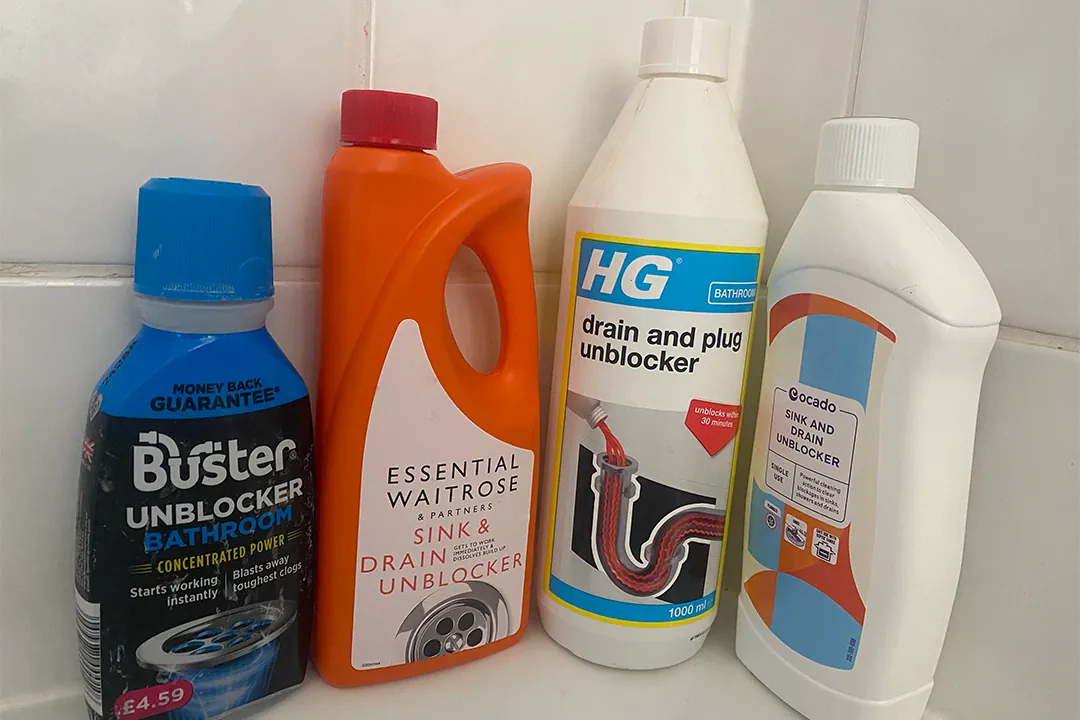
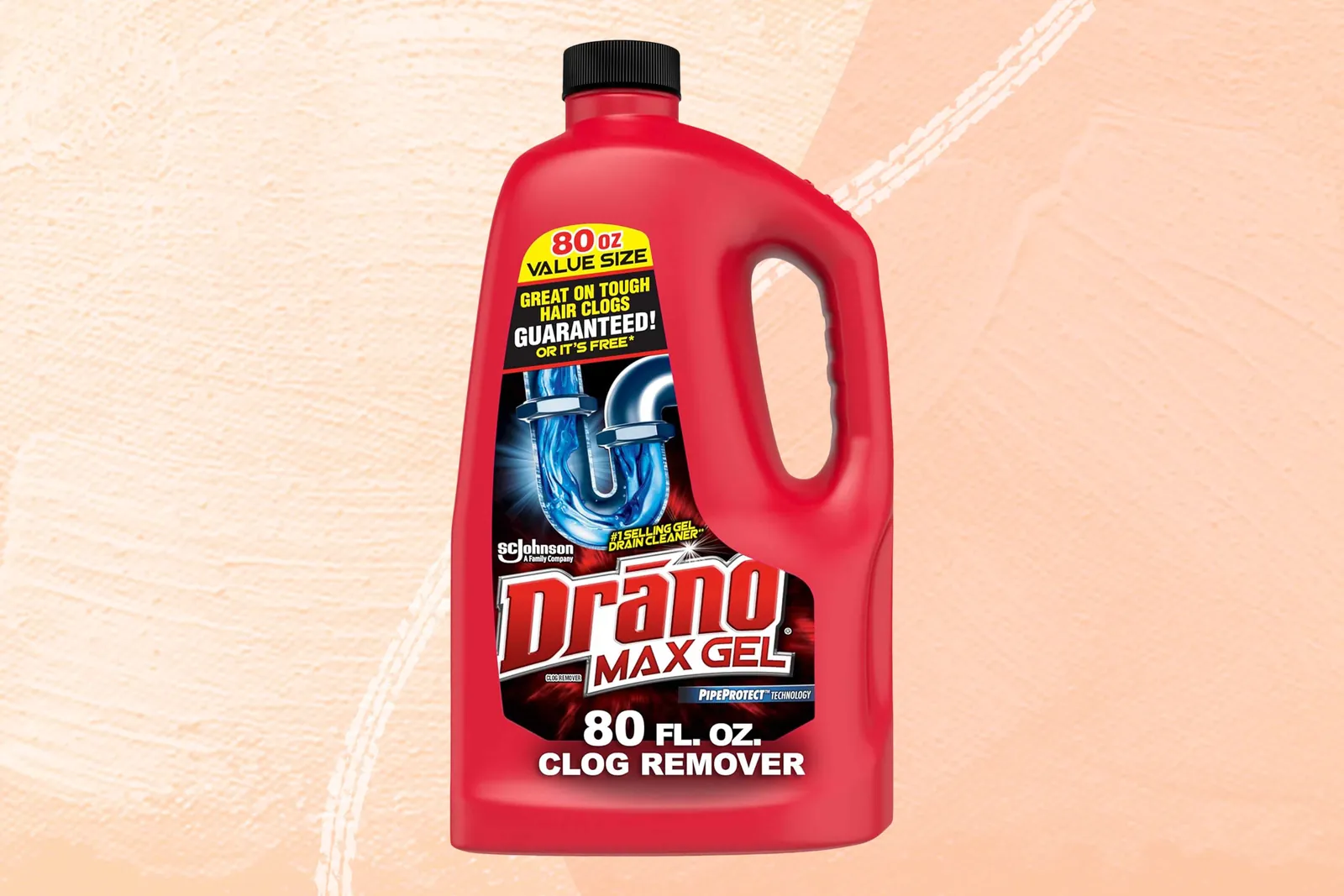
Caustic drain cleaners rely on high-pH chemicals like sodium hydroxide to chemically alter and dissolve organic matter. These are the most effective options for severe clogs caused by large amounts of hair or thick grease buildup in bathroom drains. They work much faster than enzymes, often clearing a drain in under 30 minutes, but they require careful handling to avoid skin or eye irritation.
They dissolve protein-based clogs like hair and skin cells. They cut through heavy grease deposits that slow down kitchen sinks. They generate heat during the reaction to help melt solid fats. They provide a fast solution when you need immediate water flow.
Use these cleaners only in metal or heavy-duty PVC pipes. If you have older, thin-walled plastic pipes or corroded metal plumbing, the intense heat generated by the chemical reaction can warp or melt the material. You can tell if your pipes are at risk by checking the material under your sink; if the pipe feels soft or shows signs of brittle cracking, skip the caustic chemicals and use a mechanical snake instead.
A common mistake is assuming that more is better. Pouring an entire bottle into a drain that’s already standing full of water dilutes the concentration and creates a dangerous splash-back hazard. Stick to the manufacturer’s dosage, typically 16 ounces for a completely backed-up shower drain, and pour it directly into the drain opening rather than letting it run over the fixture finish.
These products can permanently etch or discolor chrome, gold-plated, or brass fixtures upon contact. If you accidentally spill a drop on your faucet, wipe it away immediately with a damp cloth and rinse the area with plenty of water. If the finish is already dull or pitted, the chemical has likely already compromised the metal.
Never mix these products with acidic cleaners or ammonia-based solutions. The resulting chemical reaction can release toxic chlorine or chloramine gases that are harmful to inhale. Always ensure the room is well-ventilated by running an exhaust fan or opening a window while the product works. Check the EPA guidance on household hazardous waste before disposing of any unused chemical containers.
Plumbing snakes
A plumbing snake, or drain auger, is a long, flexible metal cable that you insert into the pipe to physically break up or pull out a blockage. This is the only reliable way to handle solid objects, such as a child’s toy or a dense wad of hair, that liquids can’t dissolve. It’s the best choice for people who have a stubborn clog that remains even after trying chemical treatments.
- It provides a physical reach that spans several feet into the line.
- It clears objects that aren’t soluble in water or chemicals.
- It avoids the need for harsh chemicals that may degrade pipe seals.
- It works instantly once you hook the obstruction and pull it back.
If you’re using a manual snake, you must be careful not to push too hard, as you could scratch the inside of plastic pipes or push the clog further down the line. It isn’t for people who are uncomfortable working inside their plumbing or those with very old, fragile pipes that might crack under pressure. For example, you might use a 15-foot handheld auger to reach a clog located about 3 feet past the P-trap in a bathroom sink.
Manual plunger tools
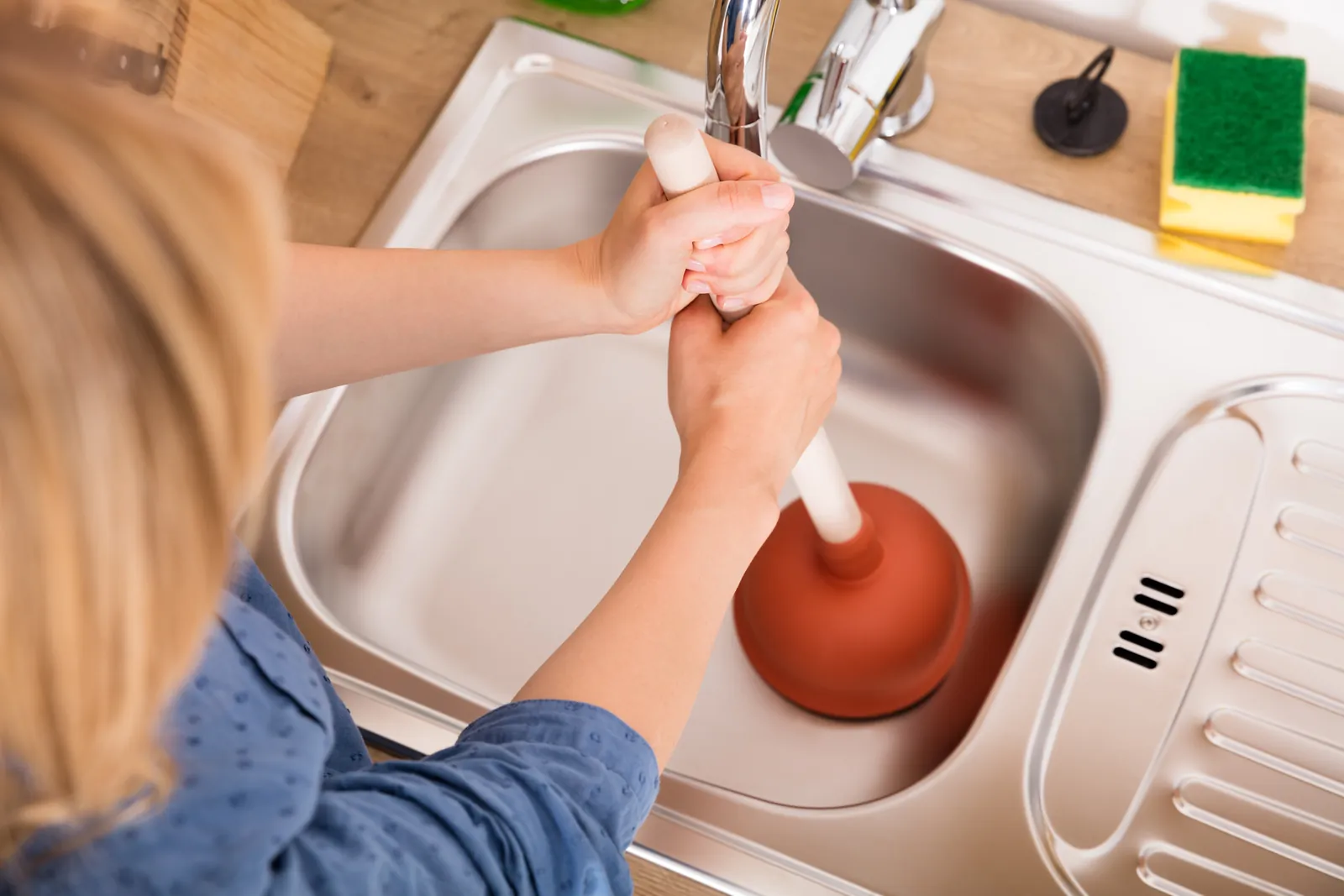
A plunger uses air pressure and suction to dislodge blockages near the surface of the drain. It’s the first step you should take for any clogged toilet or sink, as it’s simple and uses no chemicals. The effectiveness depends on creating a tight seal around the drain opening to force water back and forth against the clog.
It requires no extra supplies or hazardous materials. It’s highly effective for blockages caused by toilet paper or small debris. It’s inexpensive and lasts for many years with proper cleaning.
If you have a dual-sink or a sink with an overflow hole, you must plug the overflow with a wet rag to ensure the pressure is directed at the clog. Without this seal, the air escapes through the secondary opening, rendering your effort useless.
This isn’t for deep clogs located far down the main sewer line, as the pressure will simply dissipate before it reaches the target. If you hear a gurgling sound in a distant drain while plunging, the blockage is likely in the main line rather than the fixture. In such cases, stop immediately to avoid forcing contaminated water into other pipes.
For a sink, use a flat-bottomed cup plunger. For a toilet, you need a flange plunger, which features an extended rubber lip designed to fit into the drain opening. Using a flat cup in a toilet will fail to create the necessary vacuum.
Place the tool over the drain filled with 2 inches of water and pump it firmly 10 times to clear a surface clog. If the water level doesn’t drop after three rounds of pumping, the obstruction is too dense for manual pressure. At this point, switch to a plumbing snake to physically break up the mass.
Other ways to clear a drain
Baking soda and vinegar work best on organic buildup like hair or food scraps. Pour half a cup of baking soda into the drain, followed by a half-cup of white vinegar. Cover the opening with a rag for fifteen minutes to force the reaction downward. If the water level doesn’t drop after you flush it with hot water, the blockage is likely too dense for this method.
Boiling water can help melt and flush away grease, but it’s ineffective against soap scum. Use this only on metal plumbing, as temperatures near boiling can soften and damage PVC piping. If your sink is connected to a plastic drain system, use hot tap water instead to avoid structural damage.
Removing the P-trap is the only way to clear a solid object like a ring or a toy. Place a bucket underneath the U-shaped bend before you loosen the slip nuts by hand. If the nuts are stuck, use a pair of channel-lock pliers, but wrap a cloth around the metal to prevent scratching the finish.
If the P-trap is clear but the sink still drains slowly, the clog is deeper in the wall pipe. Don’t attempt to use a mechanical snake in this situation, as you risk pushing the blockage further into the main line where it becomes impossible to reach without professional equipment. At that stage, call a plumber to avoid damaging your home’s internal venting system.
Choosing the right method for your home
Your choice depends on the location of the clog and the materials in your home. If the clog is in a kitchen sink, it’s likely grease or food, making enzymatic cleaners or boiling water your best starting point. If the blockage is in a bathroom, it’s almost certainly hair, which requires a caustic cleaner or a physical snake to remove.
If you have plastic pipes, avoid harsh caustic chemicals that generate high heat, as these can soften the joints and cause leaks. If you have older, corroded metal pipes, be very careful with mechanical snakes, as they can easily punch a hole through thin or rusted metal. When you’re dealing with a recurring problem, it means the clog is deeper in the main line, which usually requires a professional plumber rather than a store-bought solution.
You should never combine different methods at the same time. If you have already poured a chemical cleaner down the drain, don’t use a plunger or a snake immediately after, as you risk splashing toxic chemicals onto your skin. Picking one method and following it to completion is the safest way to ensure the drain is cleared without creating a secondary mess or damaging your pipes.
Related guides
Frequently asked questions
Can I use caustic drain cleaners in a septic system?
You should avoid using caustic drain cleaners if you have a septic system, as they kill the bacteria necessary to break down waste. These chemicals disrupt the biological balance of your tank and can lead to expensive system failures. Use enzymatic cleaners or mechanical tools instead to protect your system.
How long should I wait before calling a plumber?
Call a professional plumber if you have tried a plunger and snake without success, or if multiple drains are backing up. Gurgling sounds in other drains indicate a main sewer line issue that household products can’t solve. Avoid pouring more chemicals, as they can damage your pipes while sitting in standing water.
Is it safe to use a snake on a toilet?
Yes, it’s safe to use a snake on a toilet, provided you use a specialized toilet auger rather than a standard sink snake. A toilet auger features a protective sleeve to prevent the metal cable from scratching the porcelain bowl. Never use a standard metal snake, as it will permanently damage the finish.
Why is my sink draining so slowly after using a cleaner?
Your sink may drain slowly because the chemical cleaner only dissolved a small channel through a larger clog. This often happens with hair or grease blockages that require physical removal. If flow doesn’t improve, stop using chemicals and use a plunger or manual snake to break up the remaining mass.
How often should I use an enzymatic cleaner?
Use an enzymatic cleaner once every month as a preventative measure to keep your pipes clear of organic buildup. This frequency maintains a healthy flow without excessive cost or effort. In busy households with high volumes of soap and food waste, you may consider applying the treatment every two weeks.
Does it matter what material my pipes are made of?
Yes, it matters because some materials are sensitive to the heat or chemicals used in drain unblockers. Plastic PVC pipes can warp under the heat of caustic cleaners, while older metal pipes can corrode from strong acids. If you’re unsure of your pipe material, use a manual tool like a plunger.
Conclusion
Start by plunging the drain to remove any surface-level debris, as this is the safest and most common fix for most household clogs. If the water begins to drain, you have likely removed the obstruction and can proceed with normal use. If the water level doesn’t drop, contact a professional plumber.