
Desublimation is the process where a gas turns directly into a solid, and this explanation covers everyday examples of the phenomenon. Also called deposition, it occurs when gas molecules lose kinetic energy rapidly due to a temperature drop, settling into a rigid, crystalline structure. Because the molecules skip the liquid stage, the resulting solid often forms intricate, feathery patterns that reflect the speed of the transition.
Key Takeaways
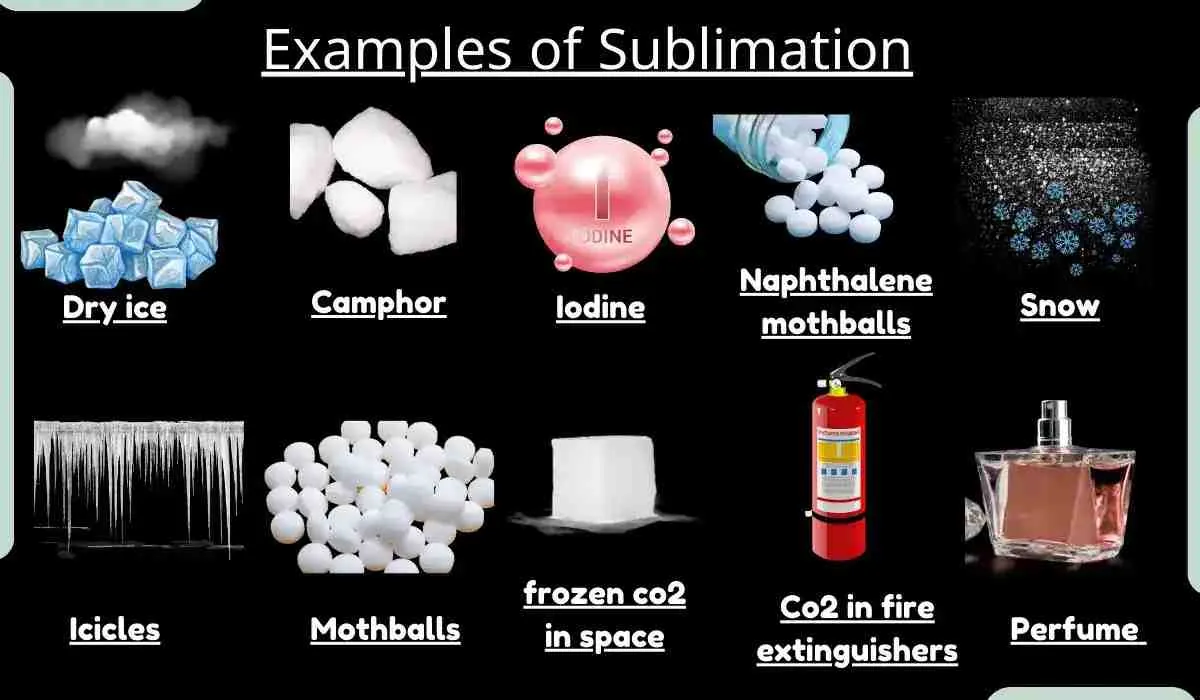
- Desublimation is the direct reversal of sublimation, occurring when gas turns into solid ice or crystals.
- Frost formation on cold surfaces is the most common example of this process in nature.
- This process requires a rapid loss of thermal energy to bypass the liquid state.
- Understanding deposition is crucial for meteorology, industrial manufacturing, and food preservation.
- You can observe this process at home by watching how ice crystals grow inside a freezer.
Everyday Examples Of Desublimation
The most frequent way you encounter desublimation is through the formation of frost on cold surfaces. When humid air comes into contact with a surface that’s below the freezing point of water, the water vapor molecules lose their thermal energy so quickly that they can’t form liquid droplets. Instead, they bond directly to the surface in a solid form. This is why you see delicate, fern-like patterns on your windows or grass during a cold, clear morning.
Frost On Your Windows
When the air outside is cold and the indoor humidity is relatively high, the moisture in the air hits the cold glass and undergoes deposition. The glass acts as a nucleation site, providing a platform where the water molecules can slow down and lock into a lattice structure. Unlike frozen dew, which requires the water to turn into liquid first, frost is the direct result of gas molecules hitting the glass and becoming solid immediately.
Freezer Burn And Ice Crystals
Have you ever noticed ice crystals forming on the interior walls of your freezer? This happens because air inside the freezer contains small amounts of water vapor. When this vapor contacts the extremely cold metal cooling coils or the interior walls, it undergoes desublimation. Over time, these small deposits accumulate into the thick layer of ice you have to manually chip away or melt during a defrost cycle.
How Deposition Differs From Freezing
Many people confuse freezing with desublimation, but the key distinction lies in the intermediate states. Freezing involves a transition from liquid to solid, whereas desublimation requires a transition from gas to solid. To understand the thermodynamic differences, consider the energy exchange involved in each phase change.
| Process Name | Starting State | Ending State | Typical Environment |
|---|---|---|---|
| Freezing | Liquid | Solid | Ice cube trays |
| Desublimation | Gas | Solid | Frosty windows |
| Sublimation | Solid | Gas | Dry ice blocks |
| Condensation | Gas | Liquid | Morning dew |
Why Does This Process Occur?
Desublimation occurs primarily due to the rapid loss of thermal energy. In a gaseous state, molecules move with high velocity and are spread far apart. When they encounter a surface cold enough to absorb that kinetic energy, the molecules lose their momentum almost instantly. According to the National Oceanic and Atmospheric Administration, deposition is the primary mechanism behind the growth of ice crystals in clouds, which eventually leads to the formation of snowflakes.
The Role Of Surface Temperature
The surface temperature must be below the triple point of the substance for deposition to occur. If the surface is too warm, the gas will simply condense into liquid water. If the surface is at or below the freezing point, the gas molecules lose enough energy to arrange themselves into a stable, crystalline solid.
Industrial Applications Of Deposition
Beyond nature, engineers utilize desublimation in various high-tech fields. It’s a critical component in thin-film manufacturing and vacuum technology. By controlling the temperature and pressure within a chamber, scientists can force gases to deposit onto specific substrates to create layers only a few atoms thick.
Vacuum Coating Technologies
Many optical lenses and electronic displays are coated using deposition techniques. A material is heated until it becomes a gas, and then it’s directed toward a cold surface where it desublimates. This creates a perfectly uniform, ultra-thin protective layer or reflective coating that would be impossible to achieve through liquid application methods.
Semiconductor Manufacturing
In the production of microchips, chemical vapor deposition is used to build complex circuit patterns. Gases are introduced into a reaction chamber, where they undergo a controlled phase change to form solid silicon structures on a wafer. This precision allows for the microscopic density found in modern processors.
Troubleshooting Frost Build-up
If you’re dealing with excessive frost in your home appliances, it usually indicates a failure in the environment’s insulation or temperature regulation. Managing this requires a systematic approach to identifying where the warm, moist air is entering your cold zones.
| Problem | Potential Cause | Immediate Action |
|---|---|---|
| Heavy freezer frost | Leaking door seal | Replace rubber gasket |
| Icy window panes | High indoor humidity | Use a dehumidifier |
| Pipe icing | Poor insulation | Apply thermal wrapping |
Is Desublimation Always Visible?
Not every instance of desublimation is visible to the naked eye. In many industrial processes, the transition happens at a molecular level that requires scanning electron microscopes to observe. However, in nature, the visible evidence of this process is found in the growth of hoar frost, which consists of tiny ice needles that grow outward from surfaces.
Warning: Never attempt to scrape heavy frost off delicate electronic components or glass surfaces using metal tools, as this can cause permanent scratching or damage to the underlying material.
The Science Of Snow Formation
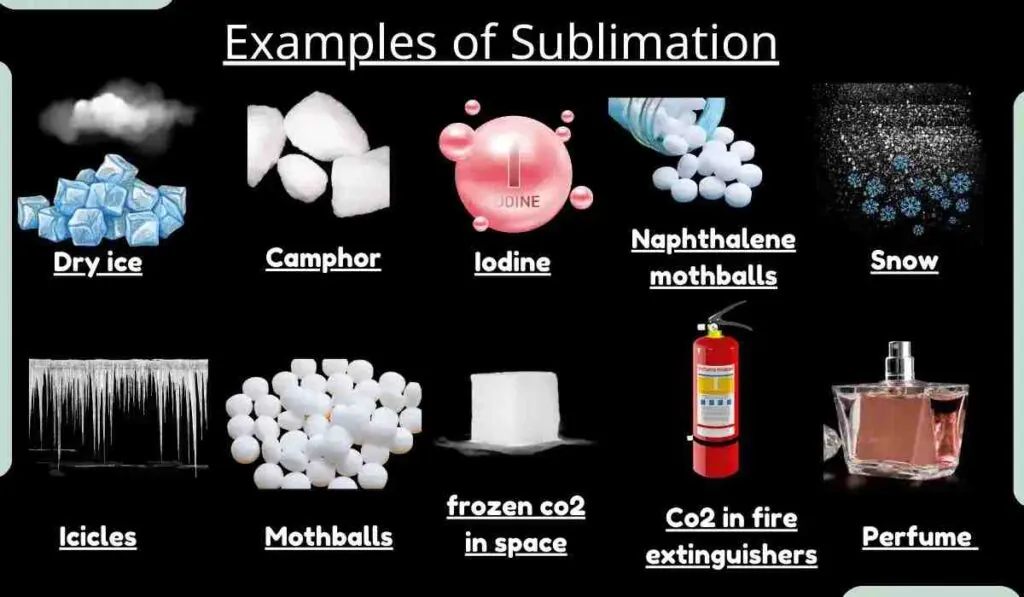
Snowflakes are perhaps the most beautiful examples of natural desublimation. As water vapor rises into the upper atmosphere, it encounters temperatures well below freezing. The gas molecules deposit onto microscopic dust particles, forming a central crystal. As the crystal continues to grow through the process of deposition, it develops the unique, six-sided symmetry characteristic of snowflakes.
- Nucleation sites act as the foundation for the crystal.
- Water vapor density determines the complexity of the arms.
- Temperature fluctuations create the varying patterns of the snowflake.
Frequently Asked Questions
Is desublimation the same as deposition?
Yes, in the context of physics and chemistry, desublimation and deposition are identical terms. Both refer to the phase transition where a substance moves directly from the gaseous phase to the solid phase without ever becoming a liquid. Scientists often use the term “deposition” in professional literature, while “desublimation” is used to highlight the process as the direct inverse of sublimation.
Why does my freezer get icy?
Your freezer gets icy because the warm air from your kitchen enters the unit every time you open the door. This air contains moisture. Once the door closes, that moisture hits the freezing cold evaporator coils and undergoes desublimation. The gas turns directly into solid ice, which builds up over time and requires periodic defrosting to maintain efficiency.
Can I observe desublimation at home?
You can observe this by placing a metal bowl filled with ice and salt in a warm, humid room. The salt lowers the temperature of the bowl below the freezing point of water. As the moisture in the warm room hits the freezing surface of the bowl, you’ll see a thin layer of white frost begin to form almost instantly, demonstrating the process in real time.
Does desublimation release heat?
Yes, desublimation is an exothermic process. When gas molecules transition into a solid state, they must release the latent heat that was holding them in the gaseous phase. This release of energy is why the surface where deposition occurs may slightly increase in temperature, though this is usually negligible in everyday household scenarios like frost formation on a window.
Is desublimation harmful?
In everyday life, desublimation is generally harmless, though it can cause issues like frozen pipes or inefficient appliance performance. In industrial settings, it’s a highly controlled process used to create valuable products. The only danger arises if the accumulation of solid material interferes with the operation of critical machinery or creates hazardous ice buildup on structures like aircraft wings or power lines.
Pro Tip: To prevent frost buildup in your freezer, check the magnetic seal by closing the door on a piece of paper; if you can pull the paper out easily, your seal is compromised and needs replacement to stop warm, moist air from entering.
Conclusion
Now that you understand the mechanics behind this fascinating phase change, you can identify it in your daily life, from the frost on your morning commute to the complex manufacturing of the smartphone in your pocket. Take a moment to observe the next frost you see; notice the intricate, feathery structures that prove just how quickly gas can transform into solid ice.
