
Stainless steel braided supply lines with a polymer inner core are the best choice for residential plumbing because they resist corrosion and withstand high pressure. These connectors use a flexible tube wrapped in a metal sheath to prevent bursting, providing a reliable seal for sinks, toilets, and water heaters.
Braided supply line types and uses
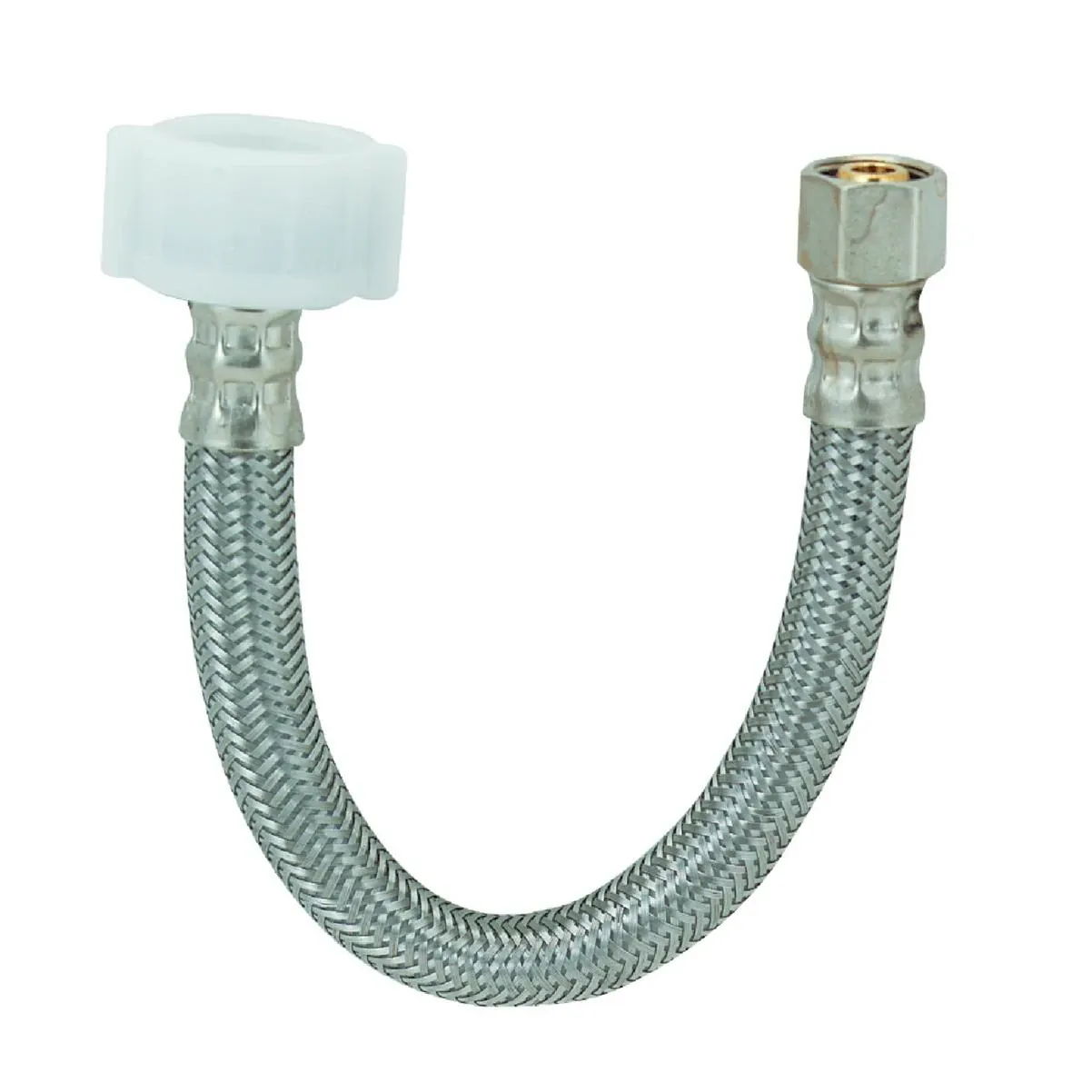
| Connector type | Best for | Typical example |
|---|---|---|
| Stainless steel braided | Kitchen and bath faucets | Faucet supply line |
| PEX core braided | High pressure applications | Water heater connector |
| Polymer coated braided | Preventing external corrosion | Toilet supply line |
| Heavy-duty reinforced | Main water shut-offs | Appliance whip line |
Stainless steel braiding provides the structural integrity needed to prevent bursting under standard household water pressure. Use these for any fixture accessible to the public, as the metal jacket resists accidental punctures from tools stored under the sink. If you notice rust spots on the mesh, replace the line immediately, as the underlying rubber core is likely failing.
PEX core lines handle thermal expansion better than traditional rubber. Install these on water heaters where the temperature fluctuates, as the PEX material maintains its shape without becoming brittle over time. If your water heater sits in a tight closet, the extra rigidity of PEX prevents the line from kinking against the tank wall.
Polymer-coated lines are essential in damp environments like bathrooms or basements. The coating acts as a moisture barrier, stopping condensation from corroding the inner wires. If you live in a coastal area or a home with high humidity, choose these to avoid the premature failure common with bare metal braids.
Heavy-duty reinforced lines feature a thicker wall construction designed for constant, high-volume flow. Use these exclusively for main shut-offs or washing machine feeds where a sudden surge could trigger a catastrophic leak. Always match the diameter of the line to the shut-off valve size to prevent flow restriction.
Stainless steel braided connectors
These connectors feature a synthetic rubber or PEX inner tube protected by a tight weave of stainless steel wire. This design is the industry standard for residential plumbing because it effectively manages the constant pressure found in home water systems. The metal braid provides the structural strength needed to prevent the inner tube from expanding, which is the primary cause of sudden leaks.
- High resistance to physical damage and kinks.
- Compatible with standard faucet and toilet shut-off valves.
- Proven to handle typical residential water pressures up to 125 PSI.
If you’re installing these in a home built before 1980, check your existing shut-off valves for wear. If the valve feels loose or turns with extreme difficulty, it’s time to replace the valve along with the supply line to ensure a proper seal. For example, a standard 12-inch stainless steel line is common for a bathroom vanity sink where the shut-off valve is located directly below the basin.
Polymer coated braided lines
Polymer coated lines take the traditional stainless steel design and add an extra layer of protective plastic over the metal. This coating provides a physical barrier against chemical cleaners and harsh environments that cause stainless steel to oxidize over time. They’re ideal for areas where the line might come into contact with aggressive cleaning supplies or excessive moisture.
If you store bleach, ammonia, or acidic drain cleaners under your sink, the fumes alone can accelerate corrosion on standard braided steel. Without a polymer jacket, these vapors eat into the metal weave, leading to pinhole leaks that often go unnoticed until a catastrophic failure occurs. Choose a coated line if your storage area lacks ventilation or if you notice surface discoloration on existing metal fittings.
The polymer layer doesn’t change the internal flow capacity, so you don’t need to adjust your pipe diameter requirements. You might use a 20-inch polymer coated line for a kitchen sink where the connection points are further from the water source.
Check the fitting ends before installation. If the polymer coating extends all the way to the nut, ensure the rubber gasket is properly seated within the housing. A common mistake is overtightening the nut against the plastic coating, which prevents the gasket from creating a flush seal against the shut-off valve. Tighten by hand until snug, then add only a quarter-turn with a wrench.
These lines are a great choice if you have a history of rust in your bathroom cabinet. However, avoid using them in high-heat environments like boiler rooms. The plastic coating can become brittle or lose its structural integrity if exposed to temperatures exceeding 180 degrees Fahrenheit for extended periods. If your application involves hot water recirculation systems, stick to uncoated stainless steel to prevent the polymer from cracking or sloughing off over time.
PEX core reinforced lines
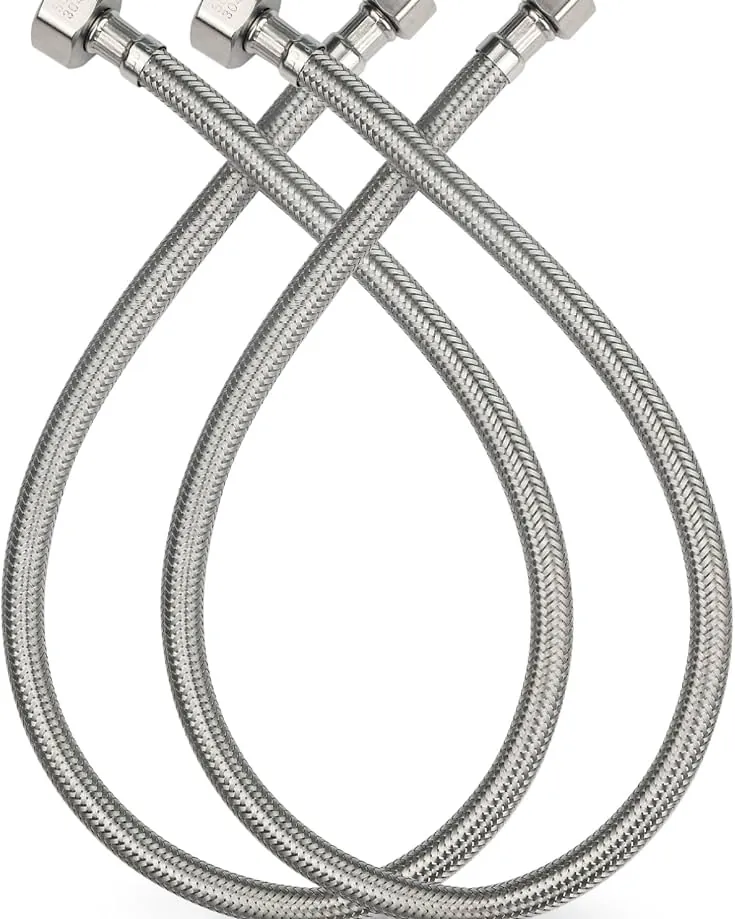
PEX core lines use a cross-linked polyethylene inner tube, which is known for its ability to withstand temperature fluctuations and chemical degradation better than standard rubber. These lines are the preferred choice for water heater connections or dishwashers where the water temperature can reach higher levels than a standard cold-water faucet. The PEX material is more resistant to the leaching of chemicals into the water supply.
- High thermal stability for hot water lines.
- Resistance to chlorine and other water additives.
- Lower risk of plastic taste or odor in drinking water.
Materials used in potable water systems must meet specific safety criteria to ensure they don’t contaminate the supply. A 16-inch PEX core connector is standard for connecting a residential water heater to the main distribution pipe.
Heavy-duty reinforced lines
Heavy-duty lines are designed with thicker braiding and higher-grade internal liners to support appliances that cycle water on and off frequently, such as washing machines or ice makers. These lines are built to endure the pressure spikes caused by the rapid closing of solenoid valves within the machine. If you use a standard, light-duty line, the repeated pressure surges can weaken the fittings prematurely.
Look for lines rated for at least 125 PSI to ensure they handle standard residential water pressure alongside the inevitable spikes. If your home has a pressure regulator, verify it’s set below 80 PSI; if it’s higher, even a heavy-duty line will fail at the crimp point within two years.
Extra reinforcement handles water hammer effects. Larger diameter options provide higher flow rates for high-capacity machines. Tougher end fittings resist cross-threading during installation.
If you’re replacing a washing machine line, ensure the length is sufficient to allow for the machine to be pulled out for cleaning without stretching the line to its limit. If the line is pulled taut, the stress on the connection point will eventually cause a leak. A 6-foot heavy-duty braided line is a common length for a standard laundry room setup.
When installing, never use pliers to tighten the nut until it stops moving. Tighten by hand until the gasket seats, then add a quarter-turn with a wrench. Overtightening is the most common mistake; it cracks the internal plastic housing and creates a slow, invisible drip behind the drywall.
If your machine sits in a finished space or on a second floor, install a flood-stop valve. This device detects a sudden surge in flow—indicating a burst line—and shuts off the water supply instantly.
If you notice the outer braiding beginning to fray or rust, replace the line immediately. Braiding provides the structural integrity that prevents the inner rubber tube from ballooning and bursting. If the metal mesh is compromised, the inner tube has no support against the line pressure. Never attempt to patch a damaged line with tape or sealant. A line that shows visible wear has already reached the end of its safe service life.
Other supply connector options
PVC reinforced lines use a polyester braid over a PVC core, making them suitable for low-pressure applications like garden irrigation or temporary setups. They aren’t recommended for permanent indoor use because they lack the heat resistance of PEX or rubber. If you use these for a high-pressure line, the material will eventually bulge, weaken, and burst at the braid junction.
Copper riser tubes are rigid metal pipes used for aesthetic purposes in exposed areas, such as pedestal sinks. They require precise measurement and specialized compression fittings to install, making them more difficult for beginners to manage compared to flexible braided lines.
If you’re working in a tight space where the shut-off valve isn’t perfectly aligned with the faucet inlet, avoid copper. Rigid metal can’t absorb the stress of a slight misalignment, which leads to slow leaks at the connection points over time.
For most modern installations, choose stainless steel braided hoses. These feature a rubber inner core protected by a steel sheath, which prevents the hose from expanding under pressure. If you’re installing a faucet in an area prone to high water pressure, such as a basement or ground floor, verify the hose rating.
Look for a burst pressure rating of at least 1,500 PSI. If the hose isn’t rated for this, you risk a catastrophic flood during a pressure spike. Reusing them is the most common cause of post-installation drips.
How to choose the right line
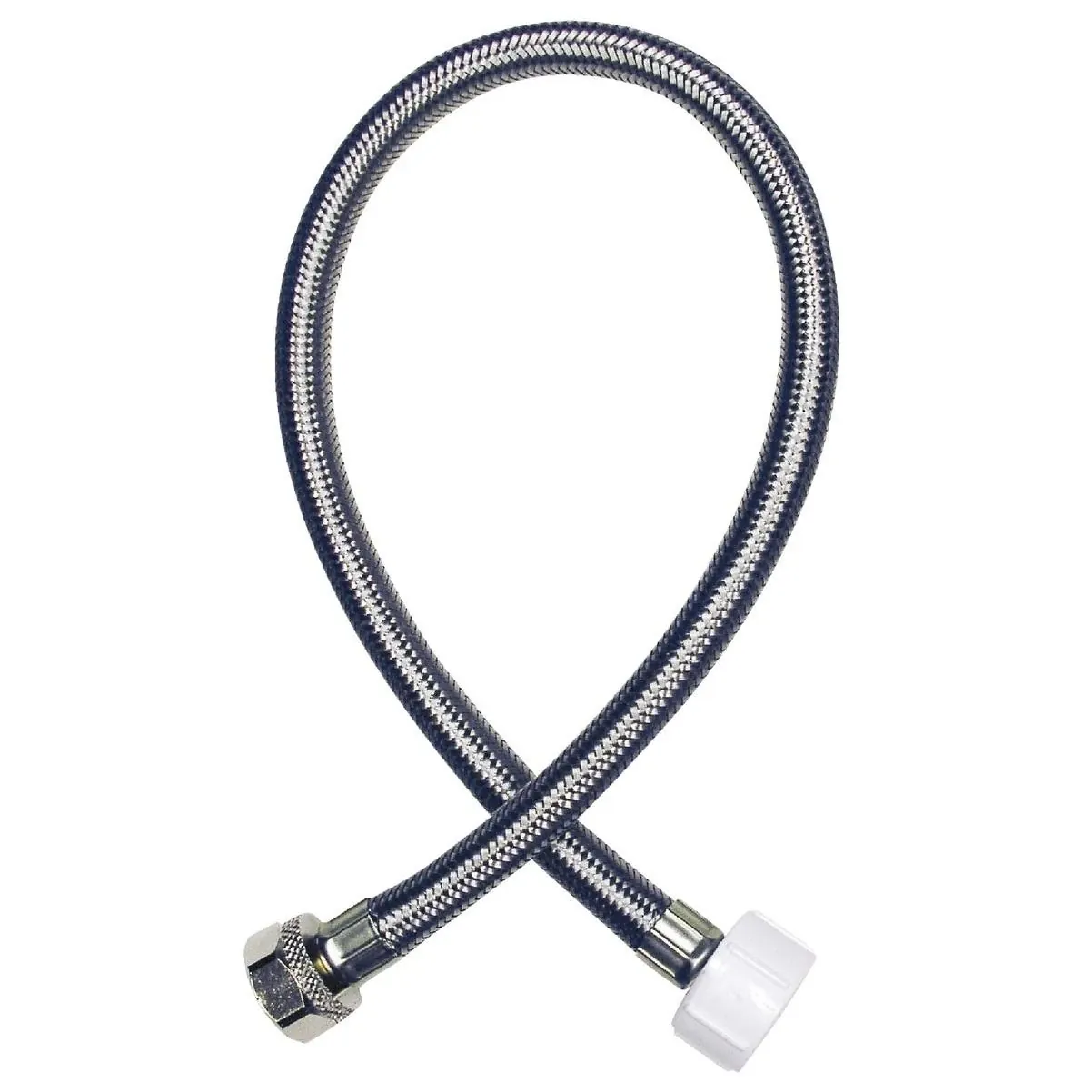
Choosing the right supply line depends on the distance between your shut-off valve and the fixture, the type of water being carried, and the environment under the sink. First, measure the distance from the valve to the fixture inlet and add 2-3 inches of slack to ensure the line isn’t under tension. A line pulled tight will vibrate or pull against the fittings, eventually causing the nut to crack or the seal to fail.
If you’re connecting a hot water line, select a PEX core braided line to ensure thermal durability. If you’re working in a damp basement or near cleaning chemicals, choose a polymer coated line for the best long-term rust resistance. Standard stainless steel braid can oxidize in as little as two years when exposed to ammonia-based cleaners or high humidity.
If you’re working with a standard cold-water faucet in a dry area, a standard stainless steel braided line is the most cost-effective and reliable choice. These lines can’t be combined; you must use a single, continuous line for each connection to avoid creating extra points where leaks can occur.
Many installers make the mistake of using a “cheater” coupling to join two short lines when they miscalculate the length. This adds two potential leak points and increases the risk of a catastrophic burst. If your line is too short, buy a longer one rather than extending your current setup.
Always check the diameter before you buy. Most faucets require a 3/8-inch compression fitting, but older homes or specialty fixtures often use 1/2-inch iron pipe sizes. If the nut doesn’t spin on easily by hand for at least three full turns, stop. Forcing it will cross-thread the valve, which costs a full plumbing replacement rather than a simple line swap.
Frequently asked questions
How long do braided supply lines last?
Replace these lines every 5 to 10 years depending on your home’s water quality and pressure. Inspect them annually for fraying, rust, or bulging. Always check the manufacturer’s packaging for a specific service life rating, as some premium lines are rated for longer intervals.
Can I reuse a braided supply line?
The internal gaskets compress to create a watertight seal and rarely seat correctly a second time. Reusing an old line often results in a slow drip that can cause significant water damage.
How tight should I make the connection?
Tighten the nut by hand until snug, then use a wrench for an additional quarter to half turn. Over-tightening can crack the plastic threads on the valve or fixture inlet. If a leak persists after a slight adjustment, remove the line to check the washer.
Do I need a plumber to install these?
You can install these lines yourself using basic hand tools and a bucket. If you can’t locate the main water shut-off or if a valve is stuck, hire a licensed plumber. Forcing a stuck valve risks snapping the pipe inside the wall.
What happens if the braided line bursts?
A burst supply line can release several gallons of water per minute, causing significant home damage. Immediately turn off the local shut-off valve if you hear hissing or see spraying. If that valve fails, turn off the main water shut-off for the entire house.
Is it safe to use universal supply lines?
It’s safe to use universal braided lines as long as the fittings match the size of your valves and fixture inlets. Most residential plumbing uses 3/8-inch compression fittings for faucets and 1/2-inch iron pipe size fittings for toilets, but you must verify your specific measurements before buying. Bringing your old line to the store to compare the nut sizes is the most reliable way to ensure you buy the correct replacement.
Does the material of the inner tube matter?
PEX is the superior choice for hot water lines due to its durability and resistance to high temperatures. Standard EPDM rubber is perfectly adequate and more affordable for cold-water toilet connections. Always choose the material based on the specific temperature demands of your fixture.
Conclusion
Start by turning off the water supply at the valve and opening the faucet to release pressure. Use an adjustable wrench to loosen the connections while catching drips in a bowl. Clean the threads, ensure washers are seated, and hand-tighten the new line before finishing with a quarter-turn.