
Automatic rev matching is a system that blips the throttle on downshifts so engine speed matches wheel speed. It works when the driver pulls the paddle or moves the lever into a lower gear, and it matters because without it the engine lurches and the drivetrain jerks. The car’s computer opens the throttle just enough to raise revs before the next gear engages.
What automatic rev matching does
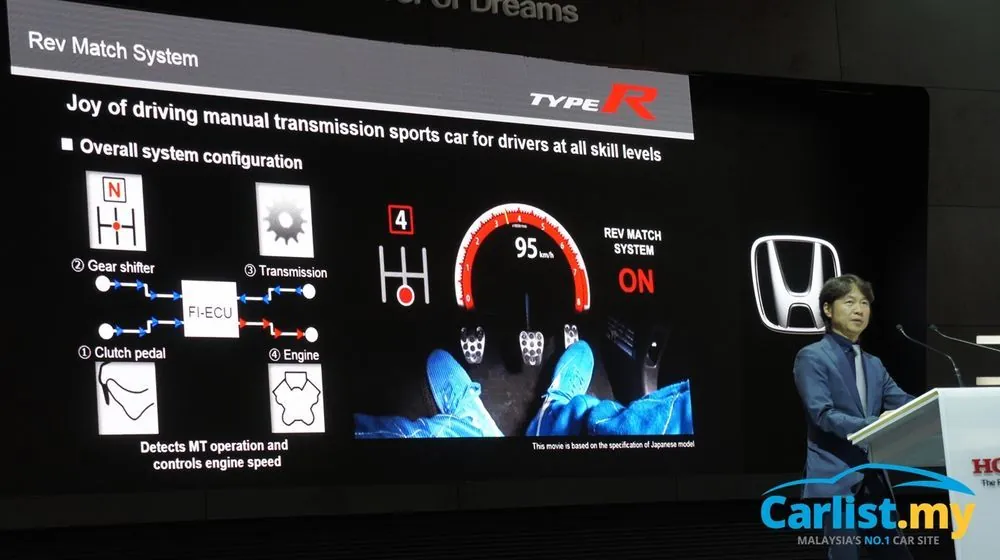
Automatic rev matching is the electronic system that raises engine speed to match transmission speed during a downshift. The engine control unit reads throttle position, clutch or pedal input, gear selection, and vehicle speed.
When the driver asks for a lower gear, the ECU briefly opens the throttle to bring engine rpm up to where it needs to be for that gear. Only then does the next gear engage. The result is a smooth downshift with no jerk, no wheel hop, and no sudden engine braking that can upset the chassis.
This protection matters most when entering a corner at high speed on wet pavement. Without matched revs, the driven wheels lock momentarily and break traction before the suspension settles. Rev matching also prevents driveline shock that wears synchronizers and engine mounts over time. Drivers who heel-toe manually should disable the system to avoid fighting the computer’s throttle blip.
Most cars let you toggle this feature through a steering wheel button or menu setting. Leaving it on while practicing manual technique creates conflicting inputs that feel sluggish and imprecise. Trust the automation during daily driving but turn it off when refining your own footwork.
Why automatic rev matching happens
A manual transmission needs engine speed and wheel speed to agree before a gear can slot in cleanly. On a downshift, wheel speed is higher than engine speed for that lower gear. The engine must spin faster to close the gap.
Without rev matching, the driver has to blip the throttle by hand. If the blip is too small, the car lurches forward as the engine is dragged up to speed by the wheels. If it’s too large, the car surges.
Automatic rev matching removes the guesswork. The computer measures exactly how much throttle is needed and applies it in milliseconds. That protects the clutch from shock loading and keeps the rear tires from breaking traction under engine braking.
The system reads wheel speed sensors and crankshaft position to calculate the exact target RPM for the next gear. It factors in final drive ratio and the specific gear you’re selecting.
This matters most when dropping two gears at once, like going from fifth straight to third on a highway off-ramp. A human rarely nails that double jump without practice.
You can check how your own car’s system behaves in the owner’s manual, or on the manufacturer’s official website.
When automatic rev matching changes

Automatic rev matching doesn’t engage during every gear change. When you upshift, the system doesn’t engage because the engine naturally slows down to match the higher gear ratio. You simply move the lever and release the clutch as usual. Attempting to force a blip here fights the transmission logic and adds unnecessary complexity to a smooth operation.
Track environments reveal the true advantage of electronic assistance. The computer executes throttle pulses faster and more consistently than even skilled human feet can manage under high stress. Keep the feature active to maintain chassis stability through rapid sequential downshifts. Your manual timing will likely lag behind the optimal window, causing minor driveline shock that accumulates over a session.
Wet or icy surfaces demand a different approach entirely. Aggressive engine braking from a perfect rev match can still overwhelm available tire grip. If the road is slick, select a gear one step higher than normal to soften the deceleration curve. This reduces the torque spike sent to the wheels when the clutch engages.
Stop-and-go traffic tests the durability of your synchronizers. While the system protects against gross errors, constant automatic actuation generates heat. Let the software manage these low-speed transitions to ensure uniform wear patterns. Older vehicles lack this digital layer completely. Without electronic throttle control, you must physically blip the pedal. Practice this muscle memory until the heel-toe motion becomes reflexive rather than a conscious calculation.
How to use automatic rev matching properly
-
Ensure the car is in motion and you’re in a gear higher than the one you want. If you attempt to initiate a downshift while the vehicle is stationary, the system will remain dormant to prevent mechanical strain.
-
Press the clutch pedal fully or pull the downshift paddle, depending on your car’s setup. Don’t hesitate during this motion; a crisp, decisive input signals the ECU to prepare the throttle blip.
-
Select the lower gear immediately. The ECU opens the throttle to match engine speed to the transmission input shaft before the gear engages.
-
Release the clutch only after you feel the revs rise and the gear catch. A common mistake is releasing the pedal too abruptly, which causes a momentary jerk. If the car lunges, you’re releasing the clutch before the engine has reached the target RPM.
-
Accelerate gently once the lower gear is engaged to keep the chassis settled. Smooth throttle application prevents unwanted weight transfer during corner entry.
What goes wrong with rev matching
Relying on rev matching on ice or loose gravel invites disaster. Sudden engine braking can instantly break rear tire traction, sending the vehicle into an uncontrollable spin. If you find yourself on low-friction surfaces, disable the system and rely on smooth, manual clutch modulation to maintain stability.
Shifting down too many gears at once often exceeds the ECU’s processing speed. The system may fail to match revs fully, resulting in a harsh, jerky engagement that strains the drivetrain. Limit your downshifts to one gear at a time to ensure the computer keeps pace with your inputs.
Never rest your foot on the clutch pedal while driving. Even slight, subconscious pressure confuses the sensors, leading to partial clutch engagement that accelerates wear on the friction plate. Keep your foot firmly on the dead pedal until you need to shift.
Remember that rev matching only functions when the wheels are turning. It remains inactive while stationary, so don’t expect the system to assist with your initial launch. Finally, never treat downshifting as a substitute for your brake pedal. Downshifts assist with engine braking, but they can’t replace the stopping power of your primary brakes.
Related guides
Frequently asked questions
Can automatic rev matching be turned off?
Yes, most cars let you disable it through a drive-mode button or a menu in the instrument cluster. Turning it off means you must blip the throttle yourself on every downshift.
Why does the car jerk without rev matching?
The wheels spin faster than the engine in the lower gear, so engaging that gear drags the engine up to speed by force, which lurches the car and loads the clutch.
How long does rev matching take?
The ECU raises engine speed in a fraction of a second, typically well under half a second, before the next gear engages.
Is it safe to use every day?
Yes. It’s designed for normal driving and reduces clutch wear compared with poorly timed manual blips.
What happens if I shift down too fast?
The system may not finish matching revs before the gear engages, so you feel a harsh clunk and the chassis can pitch.
Does it matter which gear I downshift to?
Yes. Skipping multiple gears requires a larger rpm jump, and some systems limit how far they will match revs in one shift.
Conclusion
Automatic rev matching takes the skill of a perfect throttle blip and makes it happen electronically on every downshift. It smooths gear changes, protects the drivetrain, and keeps the car stable under engine braking. Whether you use it daily or only on twisty roads, it works best when you shift one gear at a time and let the system finish before you release the clutch.
