
The most common cause for a water heater beeping is a leak detection alarm triggered by water on the floor sensor. It’s safe to keep using the unit if there’s no visible water, but you should check the sensor immediately to prevent a potential flood. You can confirm this by inspecting the base of the heater for moisture or puddles. If you find water, turn off the power at the breaker and the cold water supply valve to prevent further damage.
Signs your water heater is alerting you
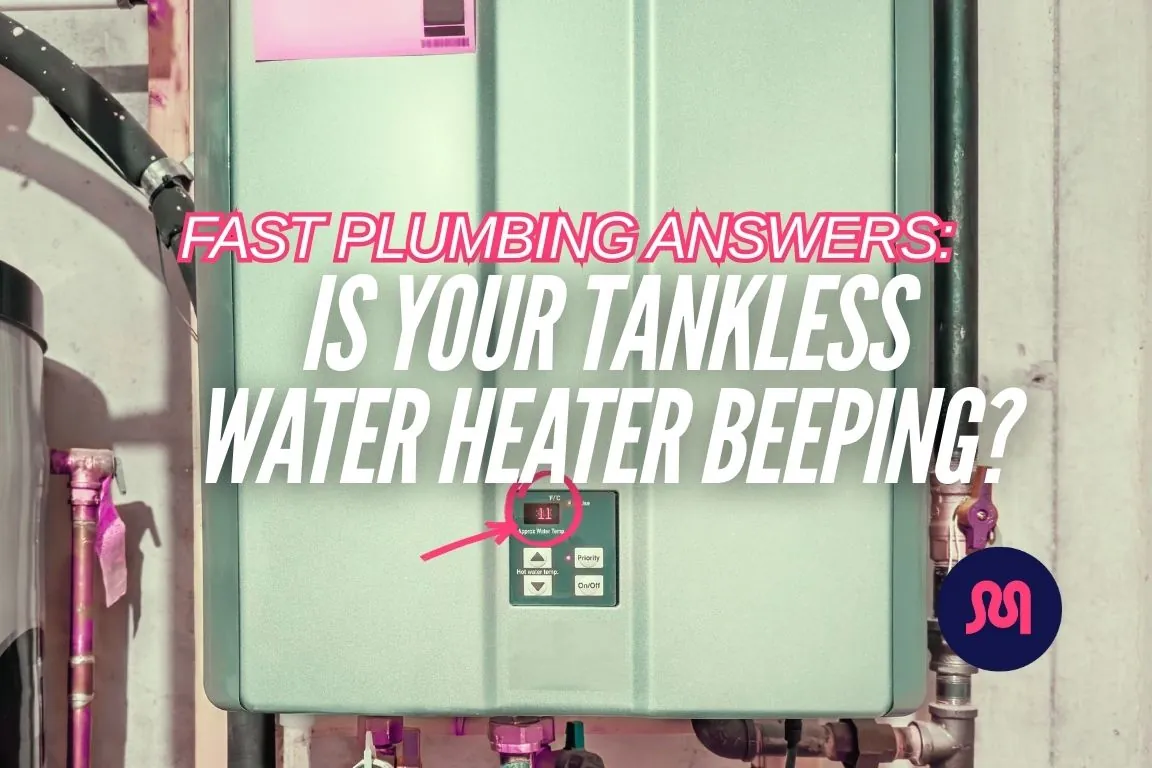
When you hear a sound, it’s usually a warning from your appliance that it needs attention. The following table identifies what you might notice and what it means for your system.
| What you notice | What it usually means | What to do first |
|---|---|---|
| Constant high-pitched beep | Leak sensor is wet | Check floor for water |
| Periodic chirping sound | Low battery in sensor | Replace the 9V battery |
| Rapid beeping pattern | Control board error | Reset the power supply |
| Clicking or tapping | Sediment buildup in tank | Flush the tank out |
| Humming with a beep | Heating element failure | Check the circuit breaker |
| Flashing light and beep | Sensor wire connection | Tighten the wire screws |
Most homeowners ignore a low-pitched rumble, assuming it’s just the water heating up. If that sound grows louder over time, you’re likely dealing with a thick layer of mineral sediment insulating the burner. This forces the unit to run 20% longer to reach the same temperature, which accelerates tank corrosion.
If you hear a sharp hissing, stop immediately and check the temperature-pressure relief valve. If water is dripping from the discharge pipe, the temperature-pressure relief valve may be faulty or the system may be experiencing thermal expansion. You must replace the valve before the tank risks a rupture.
If you see a flashing red light but hear no sound, check the diagnostic code on the display panel. A single blink often indicates a simple sensor error, while a continuous rapid pulse suggests a critical failure of the gas valve.
When in doubt, shut off the gas supply and call a technician. If the water remains lukewarm despite the unit running, the dip tube has likely disintegrated, causing cold water to mix with the hot water at the top of the tank.
Why the leak sensor triggers the alarm
A leak detection system is designed to alert you the moment moisture touches the sensor pad. This sensor sits directly on the floor near the base of your water heater. If the sensor is sitting in even a small amount of condensation or a spill, it will emit a loud, continuous beep. This is a safety feature intended to prevent water damage to your home floors.
To confirm this is the cause, look under the unit for any dampness. If the floor is dry, check the sensor pad itself for debris or dust that might be shorting the connection.
If you find water, the Department of Energy suggests checking for a loose valve or a tank crack. If the tank is leaking, you must replace the unit. If the floor is dry but the beep persists, the sensor may be faulty or the wire might be loose.
If you have a digital display on your heater, it may show an error code alongside the beep. If the code indicates a “leak detected” error, try drying the sensor pad thoroughly with a paper towel. Once the sensor is clean and dry, the alarm should stop. If it continues to beep after drying, the sensor component may need a replacement.
Battery and control board power issues
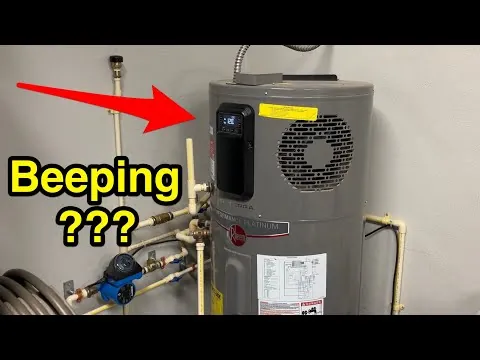
Many modern water heaters use a battery-powered alarm system that operates independently from the main power. When the battery is low, the device will emit a periodic chirp or beep to warn you. This is common in units that have been installed for more than 2 to 3 years. If your unit is older, the battery is the most likely culprit for intermittent sounds.
Check the battery compartment, which is usually located on the side or top of the control box. If the battery is weak, replace it with a fresh 9V alkaline battery. If the unit uses a hardwired backup, check the electrical connection to ensure no wires have come loose.
A mistake many people make is assuming the beep means the tank is broken, so they pay for a professional inspection before checking the battery. This costs them a service fee for a simple 30-second fix.
If the power to the unit is unstable, the control board may also beep. If your home has had a recent power surge, try flipping the circuit breaker off for 30 seconds and then back on. If the unit doesn’t return to normal operation, the control board may be damaged.
To distinguish between a battery issue and a board failure, look for a status light. A blinking red light typically indicates a battery fault, while a solid light or no light at all points to a board error. If the unit beeps while the battery is fresh, contact a technician to test the electrical components.
Sediment buildup causing tank noises
If the beeping sounds more like a tapping or metallic clicking, it’s likely due to sediment buildup. Over time, minerals from your water supply settle at the bottom of the tank. When the heating element turns on, these minerals move and strike the tank walls. This isn’t a standard “beep,” but it’s often confused with one by homeowners.
To tell this apart from an electronic alarm, listen to the timing. A leak alarm is usually a sharp, electronic beep that repeats at a set interval. Sediment noise is more irregular and occurs only while the heater is actively firing. If the sound persists when the burner or element is off, the issue is electrical rather than mineral.
Most homeowners make the mistake of ignoring these sounds until the tank loses efficiency. This delay forces the heating element to work through inches of insulating sludge, which can cause the element to burn out prematurely. A new heating element is inexpensive compared to the cost of a simple drain valve flush.
If you have hard water, flush the tank as needed to prevent this buildup. If you have soft water, flushing is also recommended periodically. If the noise remains after flushing, the heating element may be failing. If you aren’t comfortable working with plumbing valves, hire a local plumber to perform the flush. Always ensure the power is cut to the unit before opening the drain valve to avoid dry-firing the element.
When to stop and call a professional
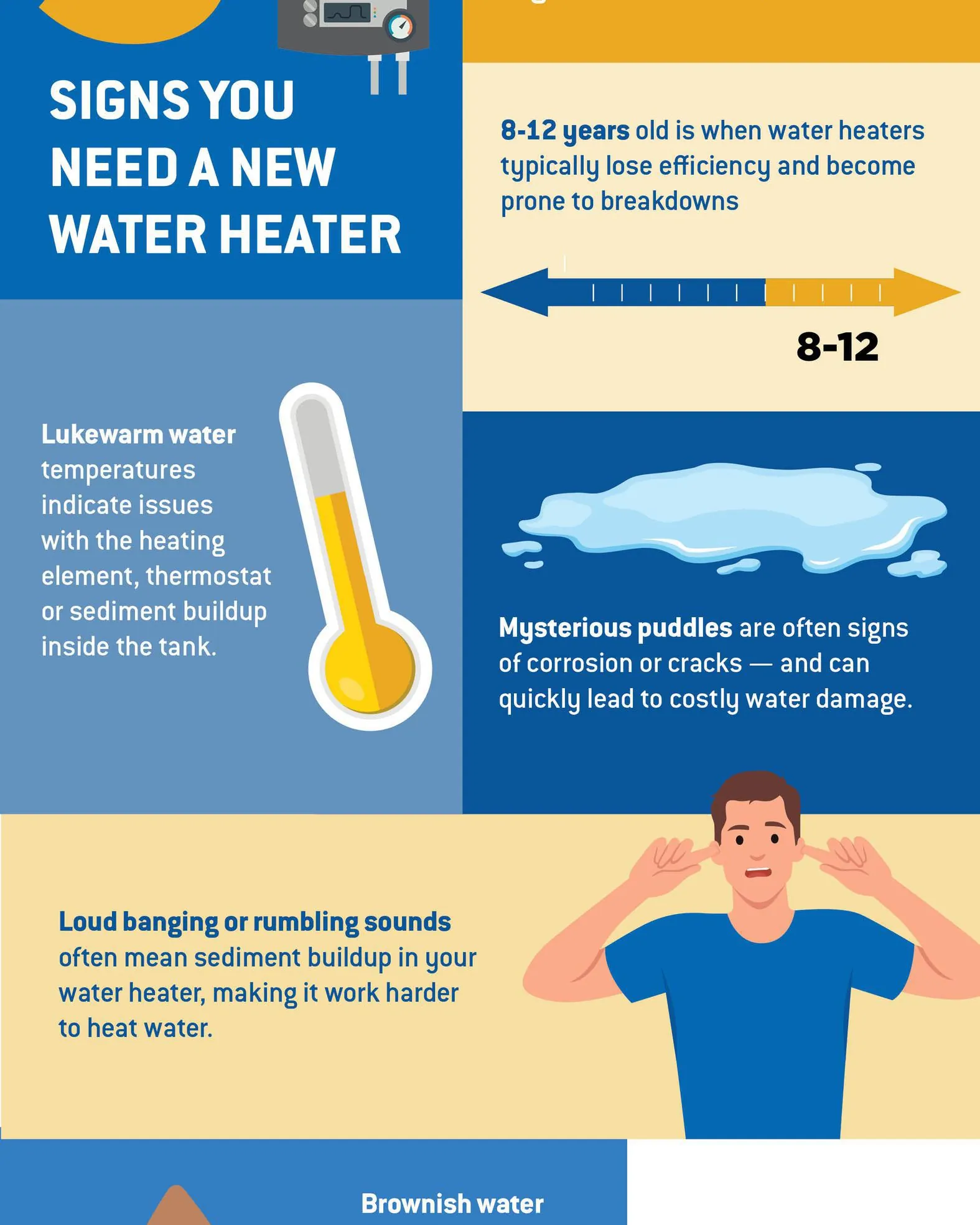
You should stop your DIY efforts and call a professional if you encounter certain signs of a deeper system failure. Attempting repairs beyond these steps can lead to property damage or void your warranty.
Visible water spraying from the tank indicates a burst internal liner, which requires immediate tank replacement. Don’t attempt to patch the metal; the structural integrity is already compromised.
A burning smell coming from the control box suggests an electrical short, which is a fire hazard. If you see charred insulation or melted plastic, shut off the power at the main breaker panel immediately. Don’t flip the switch back on.
The circuit breaker keeps tripping after you reset it, as this points to a major internal component failure. If the breaker trips again within thirty seconds, stop. Repeatedly forcing the circuit closed can melt your home’s wiring.
The water heater is leaking from the top or the internal pipes, which requires specialized tools to seal. If the unit is under warranty, contact the manufacturer before you attempt any internal repairs.
A professional technician is required if the issue involves the gas line, the burner assembly, or the internal heating elements. These parts carry significant risks if handled without proper training. If you smell rotten eggs, leave the house and call your gas provider.
Related guides
- Tankless vs Tank Water Heater: How to Choose the Right System in 2026
- Bradford White vs Rheem Water Heaters: The Professional Verdict in 2026
- Best Mini Tank Water Heaters: How to Choose the Right Size in 2026
Frequently asked questions
Can I silence the beeping without fixing the problem?
You can silence the alarm by removing the battery or disconnecting the sensor, but this is unsafe. The alarm is there to warn you of a leak that could cause severe water damage to your home. Always find and fix the source of the moisture before you silence the device. If the alarm is malfunctioning, replace the sensor rather than leaving the system unprotected.
How long should a water heater alarm last?
The alarm should only last until the moisture is removed or the battery is replaced. If the beep continues after you have dried the sensor and replaced the battery, there’s a fault in the control board. You should check the manufacturer’s manual for your specific model to see if there’s a reset button that clears the electronic memory.
Is it safe to use the hot water while the alarm is beeping?
It’s safe to use the hot water only if the alarm is caused by a low battery and there’s no water on the floor. If the alarm is triggered by a leak, don’t use the water, as this will force more water through the leak point. Shut off the cold water supply valve immediately to prevent a flood while you wait for a technician.
What happens if I ignore the beeping noise?
If you ignore the beeping, you risk missing a warning about a major leak or an electrical short. A small leak can turn into a burst pipe, which may cause thousands of dollars in property damage. If the noise is an electrical warning, ignoring it could lead to a fire or complete failure of the heating system, leaving you without hot water.
How do I know if my water heater is leaking?
You know your heater is leaking if you see water pooling around the base or moisture on the tank’s exterior. Check the temperature and pressure relief valve, which is usually on the side or top, for signs of drips. If you see white mineral deposits or rust streaks down the side of the tank, these are clear signs of a slow leak that needs professional attention.
Does it matter if the beep is intermittent or constant?
It matters because the pattern indicates the source of the problem. A constant, steady beep usually points to a sensor detecting water or a critical system error. A periodic, intermittent chirp usually indicates a low battery or a loose electrical connection. Use these patterns to narrow down your troubleshooting steps before you decide to call a professional for a repair.
Conclusion
The most important step is to keep the area around your water heater clean and dry. Check the sensor once a month to ensure it’s clear of dust and debris. If you maintain the tank regularly, you’ll spot leaks before they become a major repair.
