
Choosing the best mini tank water heater depends on your specific volume needs and available under-sink space, with capacities typically ranging from 2.5 to 7 gallons. These compact units provide hot water quickly to isolated fixtures, but you must select a model that matches your peak demand to avoid running out of hot water.
Comparison of popular mini tank models
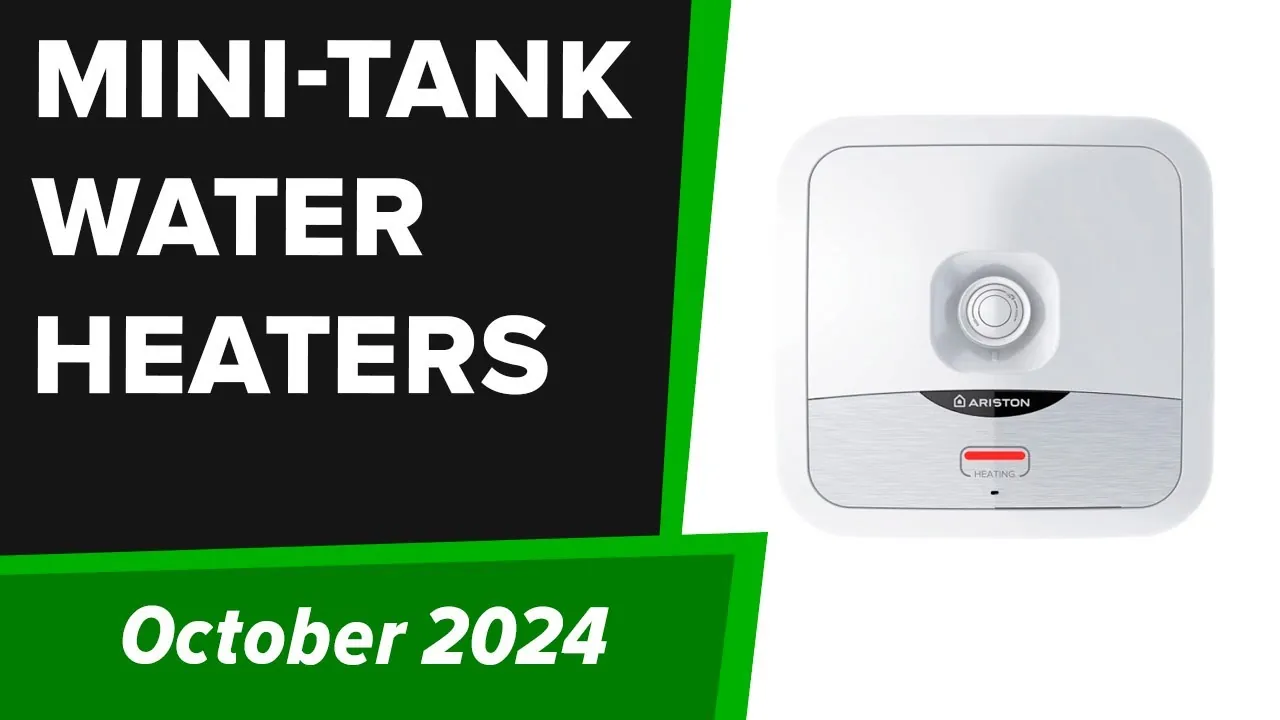
The following table outlines the key features for several common residential mini tank units. You should verify the exact dimensions and electrical requirements in the manufacturer’s manual before finalizing your purchase, as these specifications can change between model years.
| Model Name | Capacity (Gallons) | Primary Use Case | Example |
|---|---|---|---|
| Bosch Tronic 3000T | 2.5 | Kitchen sinks | ES2.5 |
| Ecosmart Mini | 4.0 | Bathroom vanities | MINT-4 |
| Stiebel Eltron SHC | 2.5 | Point-of-use | SHC 2.5 |
| Ariston Andris | 4.0 | Utility rooms | AN 4 |
| Reliance Aqua-Point | 6.0 | Small workshops | 6-Gallon |
Choose a 2.5-gallon model if you only need to wash hands or rinse dishes at a single sink. These units heat up in under ten minutes and fit easily inside standard cabinetry. If you plan to fill a deep basin or require a longer flow for shaving, move up to a 4-gallon unit.
Many buyers assume they can hide these tanks in any crawl space. This is a costly mistake. If the tank sits more than ten feet from the faucet, you’ll lose the benefit of instant heat due to cooling in the supply lines. Keep the plumbing run as short as possible.
Check your existing circuit before buying. If the unit draws more than 1440 watts, it requires a dedicated 120-volt, 20-amp circuit to comply with standard electrical safety codes for continuous loads. If your outlet is already shared with a dishwasher or garbage disposal, the breaker will trip the moment you turn the water on.
If you have two sinks located back-to-back, a single 6-gallon tank can serve both. Use a tee fitting on the output line to split the flow. However, if your sinks are on opposite walls, buy two separate 2.5-gallon units instead. The cost of running extra piping usually exceeds the price of a second tank.
Bosch Tronic 3000T
The Bosch Tronic 3000T is a compact electric water heater designed for point-of-use applications where space is limited. It suits homeowners who want instant hot water at a specific sink without waiting for the main household water heater to push water through long pipes.
- Provides hot water within seconds to reduce waste.
- Features a glass-lined tank for long-term durability.
- Mounts easily on a wall or sits on a shelf under the cabinet.
- Includes a temperature control knob for easy adjustments.
If you have a 120-volt outlet nearby, this unit connects directly without needing a dedicated circuit breaker upgrade in most cases. For example, a 2.5-gallon unit placed under a bathroom vanity can supply enough warm water for a quick hand wash without depleting the supply.
Ecosmart Mini
The Ecosmart Mini focuses on providing a higher capacity for areas where a standard 2.5-gallon unit falls short. It suits users who need hot water for longer tasks, such as rinsing a full sink of dishes or cleaning greasy tools in a workshop.
While smaller units often run cold halfway through a deep scrub, this 4-gallon model provides a necessary buffer. You can expect roughly four to six minutes of continuous hot water flow before the internal temperature begins to dip. This makes it the superior choice for detached garages or sheds where you can’t rely on the main household water heater.
Installation remains straightforward because the unit uses a standard 120-volt plug. You don’t need to hire an electrician or install a dedicated circuit breaker for this specific model. Simply mount the tank near your point of use and connect it to your existing cold water supply line.
A common mistake is installing the unit without checking the local water pressure. If your home system exceeds 80 PSI, the included pressure relief valve will drip constantly. If you see water pooling beneath the unit, install a thermal expansion tank or a pressure-reducing valve immediately to prevent premature tank failure.
The internal thermostat allows you to dial in your preferred heat level. Set it between 120 and 130 degrees Fahrenheit for the best balance of safety and utility. If you primarily use the water for hand washing, 120 degrees is sufficient. If you’re cleaning oily equipment, push the dial toward 130 degrees to help cut through grime more effectively.
Always verify the physical clearance under your sink before purchasing. This model is wider than the 2.5-gallon version, so measure your cabinet’s interior width. If you have less than 15 inches of horizontal space, you’ll struggle to access the plumbing connections for future maintenance.
Stiebel Eltron SHC
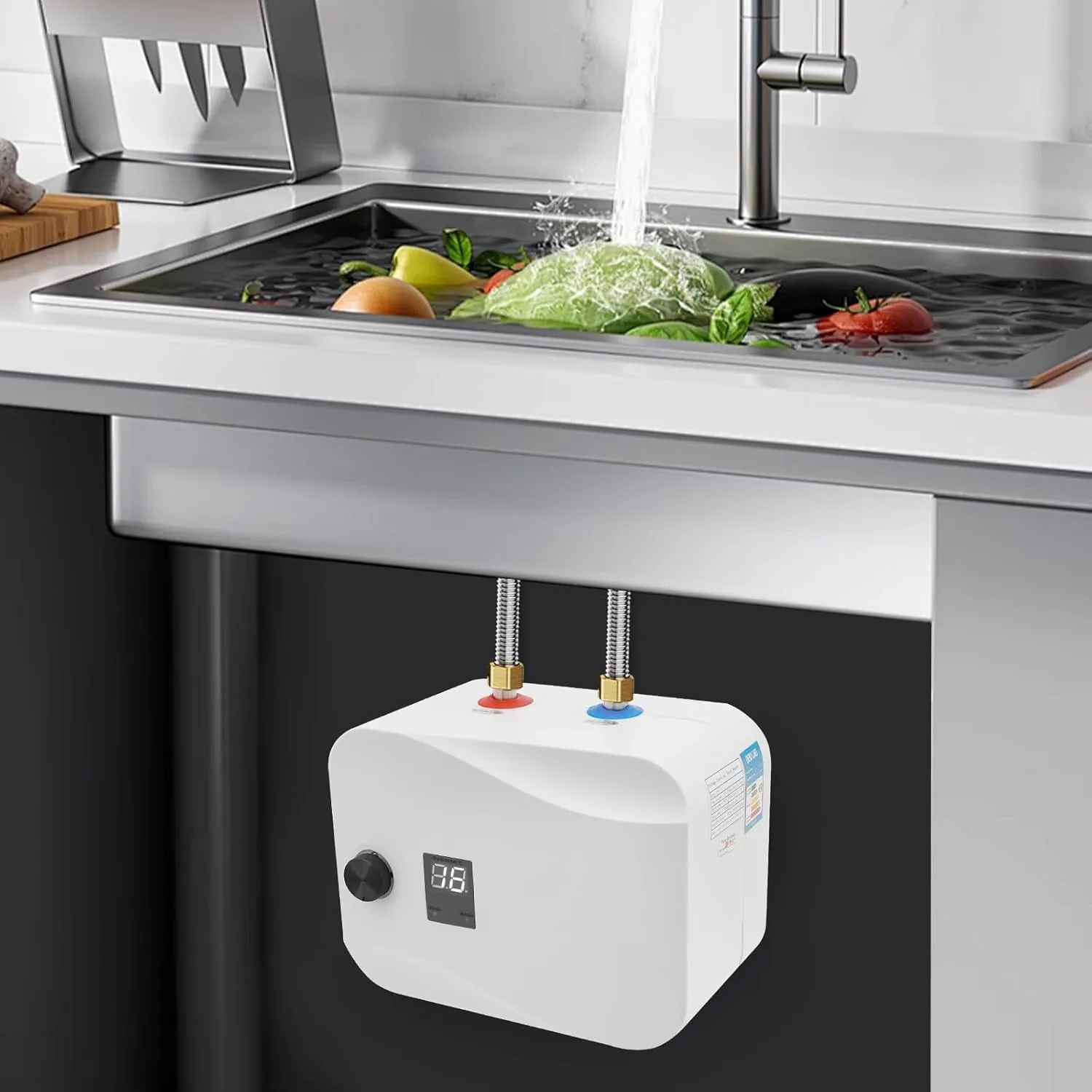
The Stiebel Eltron SHC is a high-efficiency unit built for longevity and consistent performance in residential settings. It suits individuals who prioritize high-quality components and reliable temperature regulation in their point-of-use heater.
- Features high-grade insulation to minimize heat loss.
- Includes a specialized anode rod to prevent tank corrosion.
- Provides rapid recovery times after the tank is emptied.
- Operates quietly behind closed cabinet doors.
This unit requires a stable mounting surface capable of supporting the weight of the water. If you’re installing it, ensure your plumbing connections are secure, as the U.S. Consumer Product Safety Commission advises that all water heaters should be maintained to prevent leaks or pressure issues. If your space is too small for a 2.5-gallon tank, you may need a tankless unit instead.
Ariston Andris
The Ariston Andris is designed for those who need a balance between compact size and increased water volume. It suits laundry rooms or wet bars where you occasionally need more than a few gallons of hot water at once.
Delivers 4 gallons of hot water for medium-duty use.
Utilizes a high-density foam insulation to save energy.
Includes an external dial for quick temperature changes.
Features a sleek design that fits modern cabinetry.
This model is ideal for a utility sink where you might fill a bucket for cleaning. If you need to fill a 3-gallon container, this unit will handle the task, whereas a 2.5-gallon heater would require a recovery period halfway through the process.
Most users underestimate the recovery rate required for their specific habits. If you use the unit for back-to-back tasks, such as rinsing dishes followed by a hand wash, the 4-gallon capacity provides a vital buffer. A smaller 2.5-gallon unit often forces a wait time of 15 to 20 minutes before the water reaches a usable temperature again.
Check your primary use case before installation. If you only need hot water for a quick rinse, the smaller capacity is sufficient and saves cabinet space. If you regularly fill containers larger than 2 gallons, the Ariston Andris is the minimum size required to avoid a mid-task cooldown.
Avoid the common mistake of installing this unit in a series with a long pipe run. Every foot of pipe between the heater and the faucet costs you heat and increases the wait time for hot water to arrive. Keep the unit within 10 feet of the point of use. If the layout forces a longer distance, you’ll lose the energy efficiency gained by the high-density foam insulation.
When selecting a location, ensure you have at least 6 inches of clearance on all sides. This allows for proper airflow and ensures you can reach the external temperature dial without obstruction. If you can’t reach the dial comfortably, you’ll likely set it once and leave it, which prevents you from adjusting for seasonal ground water temperature changes.
Additional mini tank options
Reliance Aqua-Point: This 6-gallon model provides the largest capacity in this category, making it suitable for small workshops or guest suites where a larger volume of hot water is necessary for occasional showers or extended cleaning tasks. Because of its size, ensure your mounting surface can support roughly 75 pounds when the tank is full.
If you’re installing this in a finished space, prioritize a location with a floor drain or a high-quality drip pan to mitigate the risk of water damage from a tank failure.
Camplux Mini: These units are often used in RVs or tiny homes due to their lightweight design and simple mounting brackets, offering a reliable solution for users who need consistent hot water access. When selecting between these, consult a technician to ensure your electrical circuit can support the unit.
If you’re dealing with hard water, avoid both units unless you install a dedicated inline scale inhibitor. Mineral buildup in these small tanks creates an insulating layer on the heating element, which can cause the unit to cycle constantly and fail within two years.
If your local water hardness exceeds 10 grains per gallon, the cost of the filter is cheaper than the frequent maintenance and potential premature failure caused by scale buildup. Always verify your pipe diameter before purchasing fittings, as these units often require specific adapters to transition from standard plumbing to the smaller ports found on compact heaters.
How to choose the best mini tank water heaters
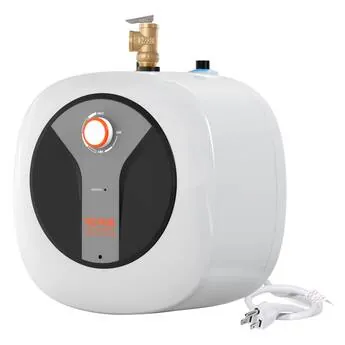
Choosing the right heater depends on three factors: the physical space under your cabinet, the electrical capacity of your wall outlet, and your typical hot water volume needs.
Measure the height, width, and depth of your cabinet interior before buying. If you have less than 15 inches of vertical clearance, choose a 2.5-gallon model like the Bosch or Stiebel Eltron to ensure it fits comfortably among your existing plumbing pipes. These compact units are ideal for tight under-sink areas where space is at a premium.
If you frequently need to fill larger containers, choose a 4-gallon or 6-gallon unit to prevent running out of hot water mid-task. A 2.5-gallon tank will exhaust its supply in roughly three minutes of continuous flow. If you use the sink for heavy cleaning or filling large basins, the 6-gallon tank provides the necessary buffer to avoid a cold-water surprise.
Check your outlet before finalizing your purchase, as most mini tanks require specific electrical configurations. If your cabinet shares a circuit with a dishwasher or garbage disposal, consult a professional technician to determine if your current wiring can safely support the heater without tripping the breaker.
Determine if you need a point-of-use or a whole-home solution. These heaters are designed to serve one specific sink and can’t supply an entire house. If you install a point-of-use unit to solve a slow-delivery problem at a distant bathroom, you’ll save the water wasted while waiting for the main boiler to reach the tap.
However, if you want to heat the entire home, don’t buy these units. They lack the recovery rate to keep up with multiple showers or laundry cycles. If you see your main water heater is more than 50 feet away from your primary sink, a point-of-use tank is your best investment. If your main heater is within 20 feet, the energy cost of installing a mini tank will likely outweigh the convenience of faster hot water.
Related guides
- 10 Best Shed Heaters for Efficient Workspace Warming
- Best Electric Heaters for Tent Camping (10 Top Picks) in 2026
Frequently asked questions
Can I install a mini tank heater myself?
You can install these units yourself if you’re comfortable with basic plumbing and electrical work. You must connect the cold water inlet, hot water outlet, and plug the unit into a grounded outlet. Hire a licensed electrician if your home’s wiring is old or the circuit is already overloaded.
How long does a mini tank heater last?
Most mini tank heaters last between 8 and 12 years with proper maintenance. Lifespan depends on water quality, as hard water causes mineral buildup that forces the heating element to fail sooner. Flush the tank and check the sacrificial anode rod according to the manufacturer’s specific maintenance schedule to extend its life.
Is it safe to leave a mini tank heater on all the time?
Yes, it’s safe to leave these units powered on continuously. They’re designed to maintain a set temperature automatically by cycling the heating element on and off as needed. You may turn the unit off if you’re away for several weeks to save energy.
What happens if the tank runs out of hot water?
If the tank runs out of hot water, the unit will continue to supply cold water until the element recovers. Recovery time depends on the unit’s wattage, typically taking 15 to 30 minutes for a full tank. Consider a larger capacity model if you frequently run out of water.
Does it matter which temperature setting I use?
Yes, setting the thermostat to 120 degrees Fahrenheit balances safety and energy efficiency. This temperature is commonly recommended to reduce scalding risks, though it doesn’t effectively inhibit the growth of Legionella. Adjust the dial on the front of the unit if you need to change the water temperature at your tap.
How much space do I need under the sink?
Account for the physical dimensions of the tank plus 6 inches of clearance on all sides for maintenance. Measure your under-sink space carefully before purchasing to ensure the unit fits. If the unit is too tight, you’ll be unable to reach the relief valve or power cord.
Conclusion
Start by measuring the exact dimensions of your available under-sink cabinet space to ensure the unit fits with room for the plumbing connections. Once installed, fill the tank completely with water before turning on the power to ensure hot water reaches your faucet within seconds.