
The process where liquid changes to vapor at a surface, pulling massive amounts of energy away from a solid, is known as the science of boiling heat transfer. It works because bubbles form at hot spots, grow, and then pull heat into the surrounding fluid as they detach. This is how water cools a metal pan or how a cooling system keeps a high-powered engine from melting down during heavy operation.
Parts of the boiling cycle
Every boiling system relies on specific physical parts to move heat from the source into the liquid. If the surface is too smooth, bubbles can’t form easily; if the power is too high, a layer of vapor traps the heat, causing a sudden spike in temperature.
| Part or input | What it does | What you notice when it goes wrong |
|---|---|---|
| Heating surface | Transfers energy to fluid | Pitting or signs of thermal damage |
| Liquid medium | Absorbs heat as vapor | Scaling buildup on the surface |
| Bubble nuclei | Starting point for vapor | Uneven boiling or loud popping sounds |
| Vapor bubbles | Carries heat away | Large bubbles that cover the surface |
| Fluid pressure | Sets boiling temperature | Boiling occurs at the wrong temperature |
How boiling cycles happen
- You apply heat to the surface, raising the temperature of the metal until it’s hotter than the liquid resting against it by at least 5 to 10 degrees.
- Tiny bubbles begin to grow in small pits on the metal surface, which act as the nucleation sites where liquid first turns into gas.
- These bubbles grow larger as they absorb more energy from the surface, eventually detaching and rising through the cooler liquid, which happens in a steady, rhythmic pattern.
- As bubbles rise, they pull cooler liquid down to the hot surface to replace the space they left, a cycle that keeps the metal from overheating during use.
- If you increase the heat, the number of bubbles grows quickly, creating a turbulent flow that moves heat away from the surface much faster than still liquid.
- Once the surface is fully covered by a blanket of vapor, the heat can no longer reach the liquid, which causes the surface temperature to rise dangerously high.
Why bubble behavior changes heat flow
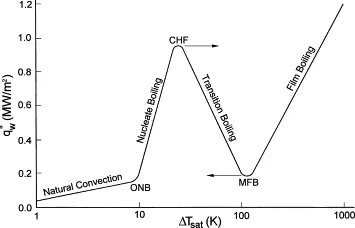
The efficiency of this process depends entirely on the transition between bubble types. When the surface temperature is only slightly higher than the fluid, bubbles form and detach individually. This is called nucleate boiling. It’s the most efficient way to move heat because the liquid is constantly touching the hot surface, absorbing energy directly, and then carrying it away as it turns into vapor.
Problems arise when the surface gets too hot for the liquid to stay in contact. If you push the heat transfer rate past a specific point, the bubbles start to merge together. They form a thin, continuous film of gas across the entire metal surface. This is the “critical heat flux” limit. Because gas is a poor conductor of heat compared to liquid, the heat gets trapped inside the metal.
This is why a pan will burn or an engine part will crack if the cooling fails. The metal temperature spikes because the liquid can’t touch it to absorb the energy. If you’re using a system, you must keep the heat flux below this critical limit. If your surface is already at the film boiling stage, turning up the heat only makes the insulation layer thicker, causing the material to fail faster.
Controlling your boiling system
Things you can control
- Surface roughness, which helps bubbles form at lower temperatures.
- Fluid pressure, which changes the temperature at which boiling starts.
- Flow velocity, which helps sweep bubbles away from the hot surface.
- Total heat input, which determines if you stay in the safe zone.
Things fixed by design
- The material of the surface, which dictates how fast heat travels.
- The shape of the container, which limits how bubbles can escape.
- The fluid properties, like how easily it turns into vapor.
If you’re working with pressurized systems or high-heat industrial equipment, you must follow the manufacturer’s safety protocols. Attempting to modify thermal systems without proper engineering training can lead to explosive pressure releases or permanent equipment failure. Always consult a certified technician for repairs that involve pressure vessels or high-temperature power components.
Habits for better heat transfer
To get the most out of your system, focus on keeping your surfaces clean. Mineral deposits from water act as an insulator, which stops the metal from touching the liquid and forces the system toward film boiling too early.
Maintain the correct fluid level at all times. If the liquid level drops, the surface area available to absorb heat decreases, which pushes the remaining surface toward the critical heat flux limit. If you notice the system making a loud, whistling noise, this often means bubbles are struggling to detach. Lower your heat input immediately until the flow becomes steady again to prevent damage.
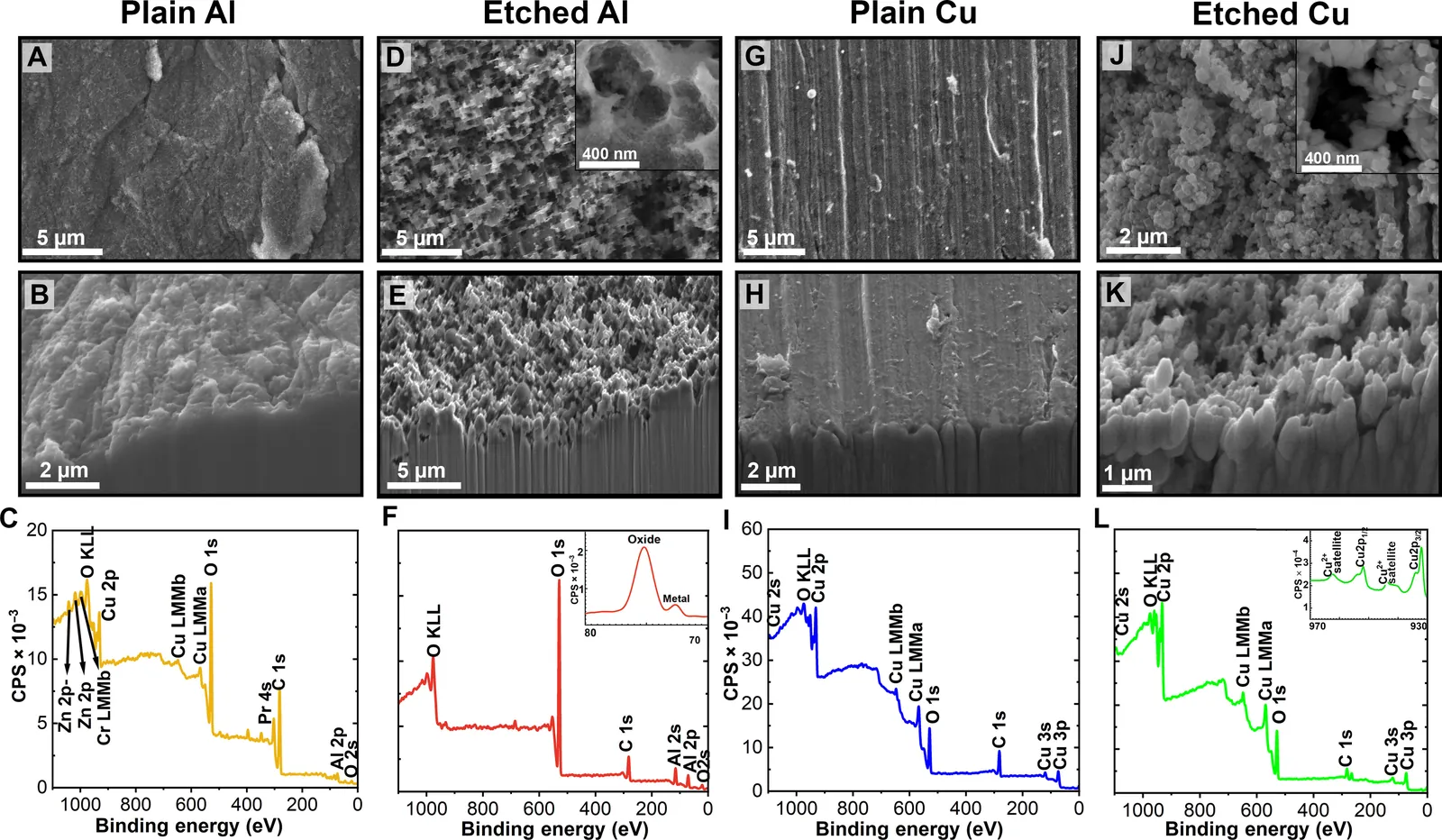
Finally, ensure your fluid is clean and free of debris. Small particles can clog the nucleation sites on the surface, which makes it harder for bubbles to form. If the surface is too smooth, you might see the temperature jump erratically. Using a slightly rougher surface finish can actually help the liquid boil more evenly and safely.
Related guides
- Heat Pump vs Gas Water Heater: Which One Saves You More in 2026
- Can You Boil Milk in an Electric Kettle? Why It Is Unsafe in 2026
Frequently asked questions
How long does it take for a surface to overheat?
It can happen in less than 10 seconds if the liquid flow stops while the heat source is still active. The exact time depends on the thickness of the metal and the total power input, so always check the safety ratings provided in your equipment manual for the specific thermal limit.
Is it safe to boil liquids in a scratched pan?
Yes, small scratches are actually helpful because they provide more nucleation sites for bubbles to form. You only need to worry if the scratches are deep enough to weaken the structural integrity of the metal, which you can check by looking for cracks or discoloration on the outer side.
Why do bubbles make noise when boiling?
The noise happens when vapor bubbles detach from the surface and collapse as they hit the cooler liquid above. If the liquid is close to the boiling point throughout, the bubbles reach the surface and pop quietly, but if the liquid is cold, the bubbles collapse rapidly, creating the loud sound.
How much heat can a surface handle?
The maximum heat flux is determined by the material properties and the fluid pressure, typically measured in watts per square meter. You can find the specific limit for your device by checking the manufacturer’s data sheet, which will state the maximum safe operating power for your specific fluid and pressure.
Does the liquid type matter for boiling?
Yes, different liquids have different boiling points and surface tensions, which change how bubbles grow and detach. Water is very efficient, but oils or chemicals have different physical properties that require specific equipment designs to ensure the heat is moved away safely without the liquid breaking down.
What happens if I use too much power?
Excessive power leads to film boiling, where a layer of gas covers the surface and traps heat inside the metal. This causes a sudden, sharp rise in temperature that can melt or warp the material, so always monitor your system to ensure the heat input stays within the recommended range.
Conclusion
Understanding the balance between the heat you add and the bubbles you create is the key to preventing equipment damage. Keeping your surfaces clean and your power levels within the manufacturer’s limits ensures that the liquid can always reach the metal to do its job. When you see the boiling pattern change or hear the sound shift, it’s a sign that you should adjust your settings before the system hits its thermal limit.

2 thoughts on “The Science of Boiling Heat Transfer: How It Cools Surfaces”