
The hub in a wind turbine functions as the critical structural and mechanical interface that connects the aerodynamic rotor blades to the main shaft, facilitating the transfer of kinetic energy from the wind into the generator. By acting as the central nexus of the turbine’s nose cone, the hub must withstand immense rotational forces and cyclical stresses while housing the pitch control systems that regulate the angle of the blades. Without this vital component, the turbine couldn’t maintain optimal efficiency or protect itself from high-wind damage.
Key Takeaways
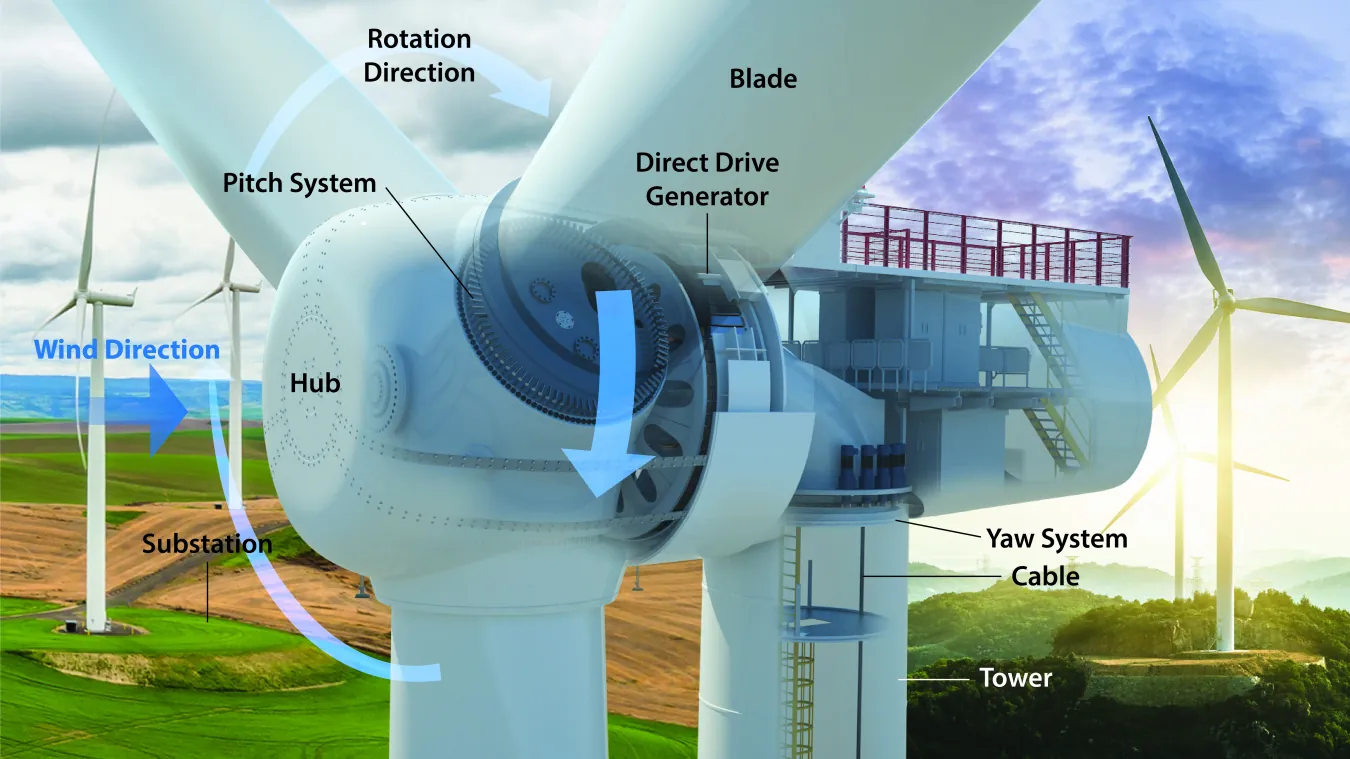
- The hub acts as the primary structural link between the blades and the main turbine drivetrain.
- Internal pitch bearings allow the hub to rotate blades to optimize wind capture or stall the turbine.
- Regular lubrication of the hub’s internal mechanisms is essential to prevent premature mechanical failure.
- Hubs are typically manufactured from high-strength ductile cast iron to endure extreme fatigue loads.
- Monitoring hub vibrations can provide early warning signs of impending bearing or structural issues.
What Is The Function Of The Hub?
The hub serves as the anchor point for the rotor blades, ensuring they remain securely attached while rotating at high speeds. It acts as a housing for the pitch system, which is the mechanism that changes the angle of attack of each individual blade. By adjusting these angles, the hub allows the turbine to capture energy effectively at low wind speeds and “feather” the blades during storms to prevent structural damage.
Beyond simple support, the hub must manage the distribution of aerodynamic loads. When a blade experiences a gust of wind, that force travels through the blade root directly into the hub. The hub then transfers this torque through the main shaft to the gearbox or direct-drive generator. This process requires the hub to be a masterpiece of mechanical engineering, often weighing several tons even on mid-sized wind turbines.
Anatomy Of A Modern Rotor Hub
A rotor hub is more than just a steel casting; it’s a complex assembly of moving parts. Within the shell, you’ll find the pitch actuators, which are either electric motors or hydraulic cylinders that force the blades to rotate around their longitudinal axis. These components must operate flawlessly in harsh environments, often thousands of feet above the ground.
Major Internal Components
- Pitch Bearings: Large, high-precision circular bearings that allow the blades to swivel.
- Pitch Actuators: The motors or cylinders that provide the force for blade adjustment.
- Backup Power Systems: Supercapacitors or batteries that ensure the blades can feather if grid power is lost.
- Lubrication Systems: Automated pumps that keep the high-load bearings greased during operation.
- Data Bus Controllers: Electronic modules that communicate blade position to the main turbine controller.
Mechanical Load Management Requirements
The hub is subjected to extreme fatigue loading because wind speed is rarely constant. Every time a blade passes the tower, it experiences a slight change in wind pressure, creating a cyclical stress pattern that the hub must absorb without cracking. According to the International Electrotechnical Commission wind turbine standards, rotor hubs must be designed to withstand specific extreme wind conditions and turbulence intensities to ensure long-term structural integrity.
| Load Type | Source of Stress | Impact on Hub |
|---|---|---|
| Aerodynamic Torque | Wind pressure on blades | Rotational force transfer |
| Gravitational Load | Weight of blades | Bending moment at the root |
| Gyroscopic Force | Yawing of the nacelle | Stress on bearing races |
| Centrifugal Force | High-speed rotation | Tension on blade bolts |
How Does Pitch Control Work?
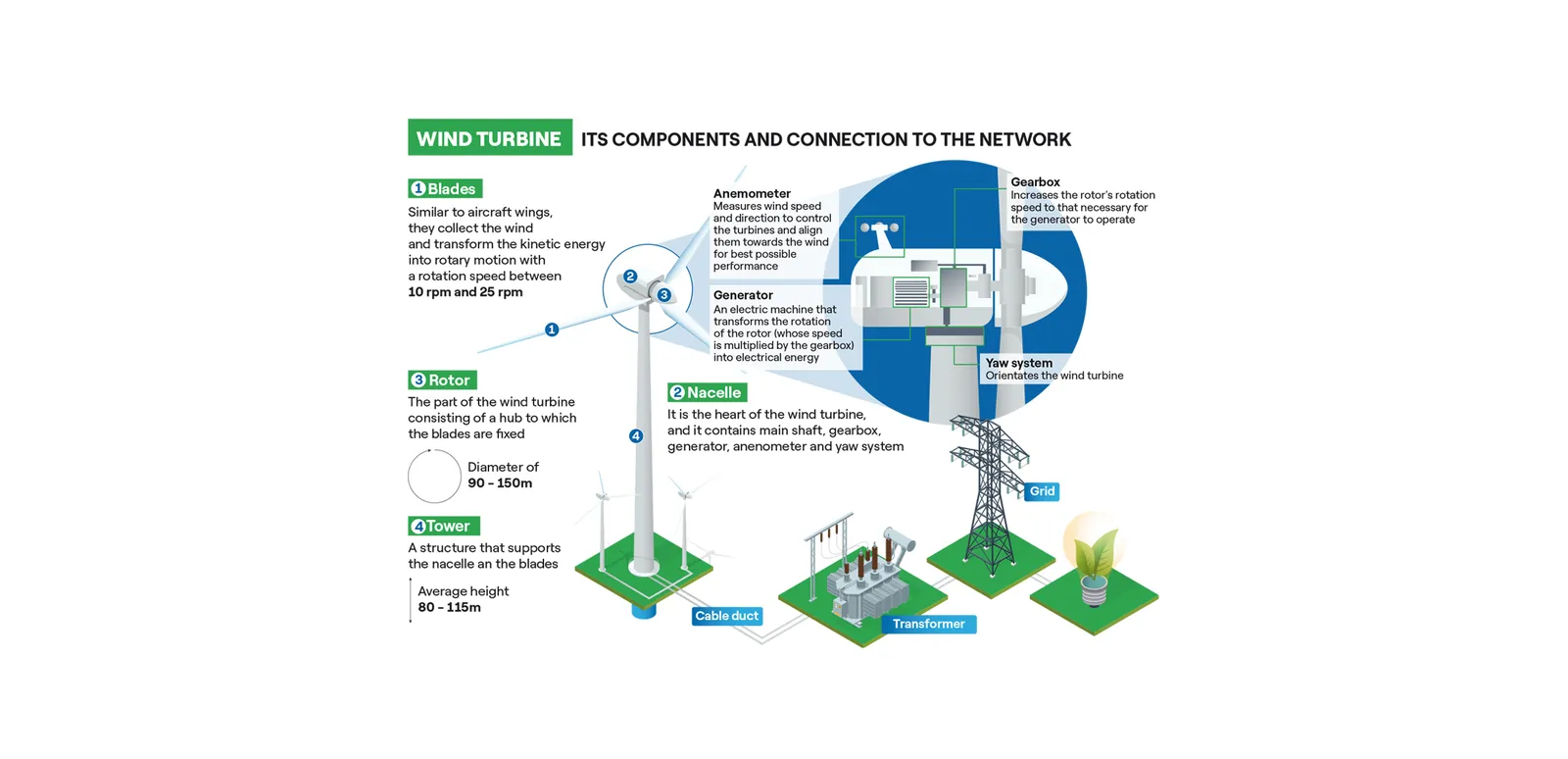
Pitch control is the primary method for maintaining the rated power output of a turbine. When wind speeds are below the rated speed, the hub adjusts the blades to the angle that captures the most energy. Once the wind speed exceeds the rated threshold, the hub pitches the blades toward a “feathered” position, which reduces the surface area exposed to the wind and prevents the generator from overloading.
Pro Tip: Always verify the torque settings on blade bolts after any major maintenance, as loose connections in the hub can lead to catastrophic vibration issues over time.
Materials Used In Hub Construction
Most modern wind turbine hubs are cast from ductile iron or high-grade steel alloys. These materials are chosen for their high tensile strength and their ability to withstand the brittle fracture risks associated with cold climates. The manufacturing process involves casting a near-net-shape component, which is then machined with extreme precision to ensure the pitch bearing surfaces are perfectly flat and aligned.
Material Selection Factors
- Tensile Strength: Ability to hold the blades under centrifugal stress.
- Fracture Toughness: Resistance to cracking under cyclic loading.
- Corrosion Resistance: Protection against high-humidity or salt-air environments.
- Weight Optimization: Balancing strength with the need to minimize total nacelle mass.
Troubleshooting Common Hub Issues
When a turbine reports a pitch system error, it’s almost always related to the components housed within the hub. Technicians often start by inspecting the pitch encoders, which track the exact angle of each blade. If the encoders report inconsistent data, the turbine will automatically shut down as a safety precaution.
| Symptom | Potential Cause | Troubleshooting Step |
|---|---|---|
| Pitch motor fault | Electrical short or overload | Check winding resistance |
| High bearing vibration | Lack of lubrication | Inspect grease distribution |
| Inconsistent blade angle | Encoder misalignment | Recalibrate pitch position |
| Unusual grinding noise | Damaged bearing race | Perform internal borescope |
Maintenance And Inspection Schedules
Preventive maintenance is the key to extending the life of the hub assembly. Because the hub is a rotating component, it’s subject to wear and tear that stationary parts don’t experience. Most operators follow a strict schedule to ensure that the internal grease doesn’t dry out and that all electrical connections remain secure against the constant vibration of the turbine.
- Quarterly Inspection: Visual check of the hub shell for cracks or oil leaks.
- Semi-Annual Lubrication: Replenishing grease in the pitch bearings and gear teeth.
- Annual Bolt Tensioning: Checking torque on all structural blade-to-hub fasteners.
- Five-Year Overhaul: Full inspection of internal actuators and electrical bus components.
Warning: Never attempt to enter the hub while the turbine is active or without proper lockout-tagout procedures, as the pitch system can move the blades suddenly and unexpectedly.
Do Hubs Vary By Turbine Size?
Yes, the size and complexity of a hub scale directly with the size of the turbine. A small, residential-scale turbine might have a simple, rigid hub with no pitch control, relying on passive stall regulation instead. In contrast, a 15-megawatt offshore turbine features a massive hub designed to manage enormous torque, often incorporating redundant hydraulic power units to ensure the blades can feather even during a total power failure.
Advancements In Hub Technology
The industry is moving toward integrated hub systems where sensors are embedded directly into the casting to monitor structural health in real-time. By using strain gauges and acoustic emission sensors, operators can detect the very early stages of metal fatigue before a crack ever reaches a critical size. This transition from schedule-based maintenance to condition-based monitoring is significantly reducing the cost of wind energy.
Frequently Asked Questions
What happens if the hub fails?
If a hub fails, the turbine typically undergoes an emergency stop. Because the hub holds the blades, a structural failure is catastrophic and can lead to blade detachment. If only the pitch mechanism fails, the turbine will lose the ability to regulate its speed, leading to an overspeed condition that triggers the mechanical parking brakes to lock the rotor in place until repairs are completed.
Why do hubs require constant lubrication?
Hubs contain massive pitch bearings that must rotate under extreme loads. Without constant lubrication, the metal-on-metal friction would cause the bearing surfaces to gall and seize. Automated grease systems ensure that fresh lubricant is applied to the raceways and gear teeth, preventing wear and protecting the internal steel components from moisture that could otherwise cause corrosion.
Can a hub be repaired in the field?
Many hub components, such as pitch motors, encoders, and hydraulic hoses, can be repaired or replaced by technicians working inside the nacelle. However, if the main cast-iron structure of the hub develops a structural crack, it usually requires a full replacement. This is a major operation involving large cranes to lower the old hub and lift a new one to the top of the tower.
How are the blades secured to the hub?
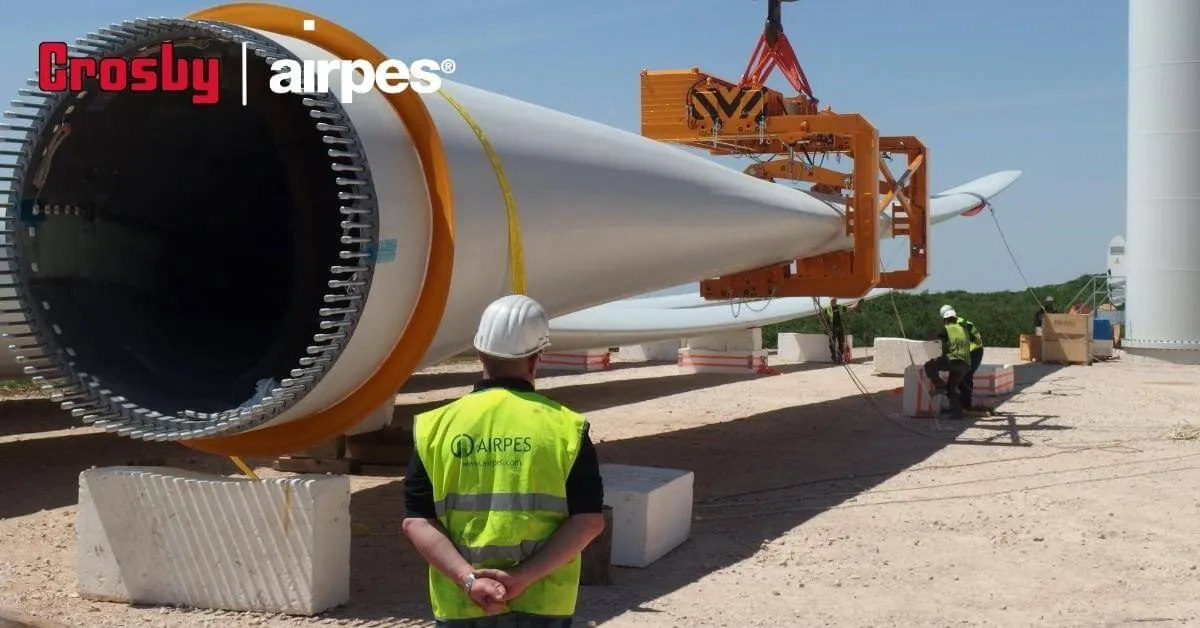
The blades are secured to the hub using high-strength steel bolts that pass through the blade root and into the pitch bearing. These bolts are tightened to extremely high torque specifications to ensure they don’t loosen under the constant vibration and varying loads of operation. Specialized hydraulic tensioners are used during installation to achieve the precise clamping force required for structural safety.
What is the purpose of the nose cone?
The nose cone, often called the spinner, is the aerodynamic cover that attaches to the front of the hub. Its primary function is to direct airflow smoothly toward the blade roots and reduce turbulence around the hub assembly. By improving the aerodynamic profile of the rotor, the nose cone helps increase the overall efficiency of the turbine while also protecting the internal hub components from weather.
Conclusion
The hub remains the unsung hero of the wind turbine, managing the immense physical forces that turn wind into electricity. By maintaining these components through regular inspection and proper lubrication, operators ensure the longevity of their infrastructure. To take your next step, consult your turbine manufacturer’s specific maintenance manual to identify the exact grease specifications and torque settings required for your model’s hub.
