
Plastic drain pipes are generally preferred for residential plumbing because they are lighter, cheaper, and easier to install than cast iron. However, local building codes may mandate cast iron in commercial or high-rise settings to meet fire safety standards. Your choice depends on these specific regulatory requirements for your building.
Comparing drainage pipe materials
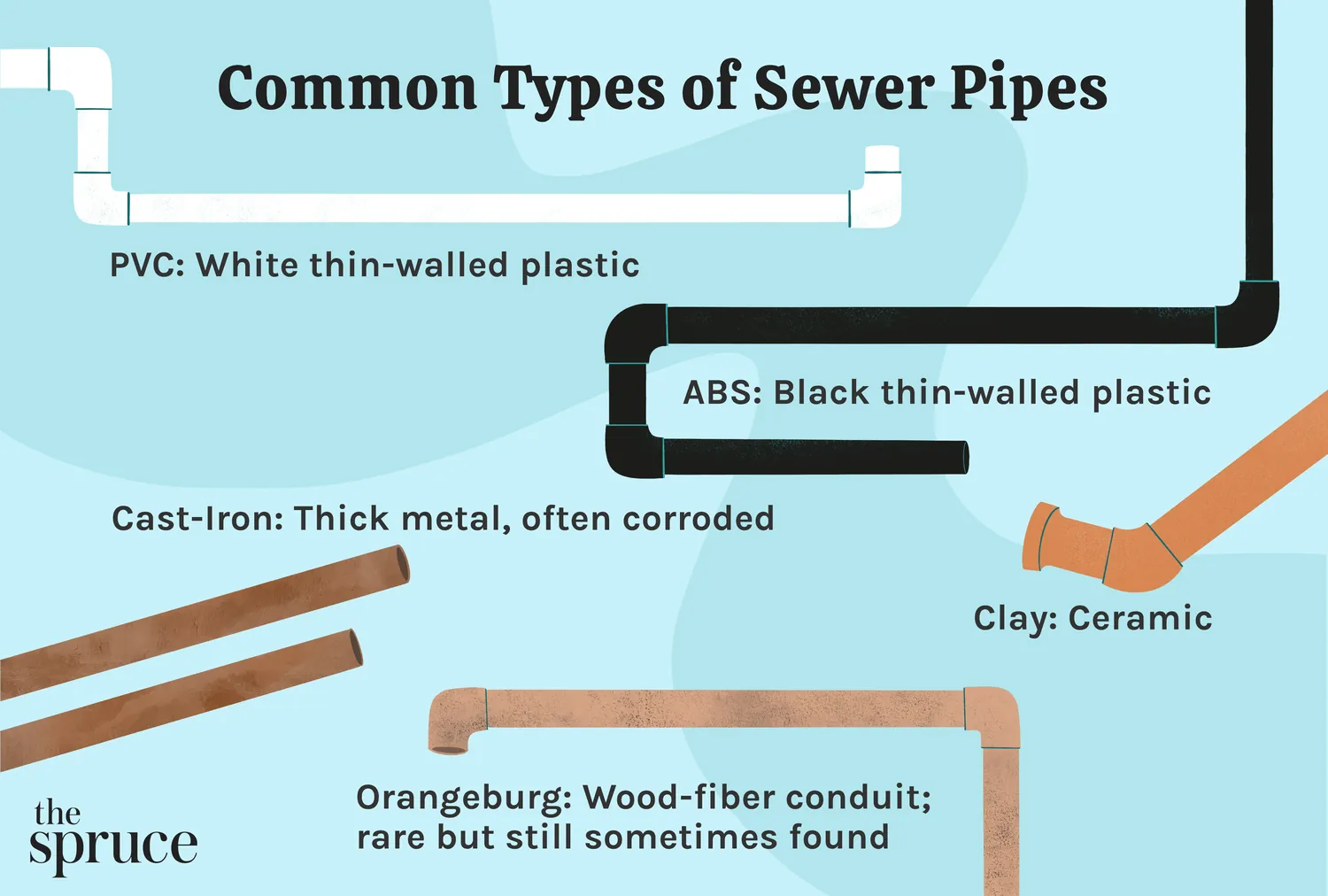
When you decide which material to use, consider the noise levels, ease of handling, and total project cost. While plastic is the modern standard for homes, metal piping remains popular for its durability and acoustic properties in luxury construction.
| Method | How long | Effort | Cost | Best for |
|---|---|---|---|---|
| PVC | Fast | Low | Low | Residential DIY |
| Cast Iron | Slow | High | High | Soundproofing |
| ABS | Fast | Low | Medium | Tight spaces |
If you’re working alone, choose PVC to save time and physical strain. A ten-foot length of PVC weighs roughly five pounds, while a comparable cast iron pipe can exceed forty pounds. Attempting to install heavy iron overhead without a partner often leads to improper sealing or physical injury.
If you’re renovating an older home that already uses metal, you may need to mix materials using specialized transition couplings to avoid replacing the entire stack. Use a shielded rubber coupling when joining these disparate materials. These connectors allow for the slight expansion and contraction differences between plastic and metal.
Avoid the mistake of using standard glue or cement on these joints. Rigid connections will crack under the pressure of thermal movement, leading to hidden leaks behind your drywall. If the pipe run is located within a bedroom wall or near a quiet living space, prioritize cast iron. The high density of the material absorbs the sound of rushing water, a luxury that thin-walled PVC can’t replicate.
Installing PVC pipe systems
Polyvinyl chloride (PVC) is the most common choice for modern home drainage. It’s lightweight, resists chemical corrosion, and joins together with a simple chemical weld.
Measure your pipe run and cut the PVC to length using a fine-tooth handsaw or a power miter saw. Deburr the cut edges with a file or sandpaper; jagged plastic bits inside the pipe catch hair and debris, eventually causing clogs.
Clean the ends of the pipe and the inside of the fitting with a purple primer to remove surface oils. If you skip this step, the solvent weld will fail under pressure. Apply a coat of PVC cement to both the pipe end and the fitting socket.
Push the pieces together with a quarter-turn to ensure a tight, permanent seal. You have roughly ten seconds before the cement sets, so align your fittings correctly on the first attempt. Support the pipe with hangers every 4 feet for horizontal runs to prevent sagging. If you’re installing a long vertical stack, add a support clamp at every floor level to bear the weight of the water.
PVC is excellent for tight spaces and DIY projects where you need to make quick adjustments. Its main weakness is that it’s thin, which allows more water noise to travel through your walls compared to heavier materials. If the pipe runs behind a bedroom or living area, wrap the PVC in foam pipe insulation before closing the wall. This simple layer of padding absorbs the vibrations that carry the sound of rushing water.
Installing cast iron pipe systems
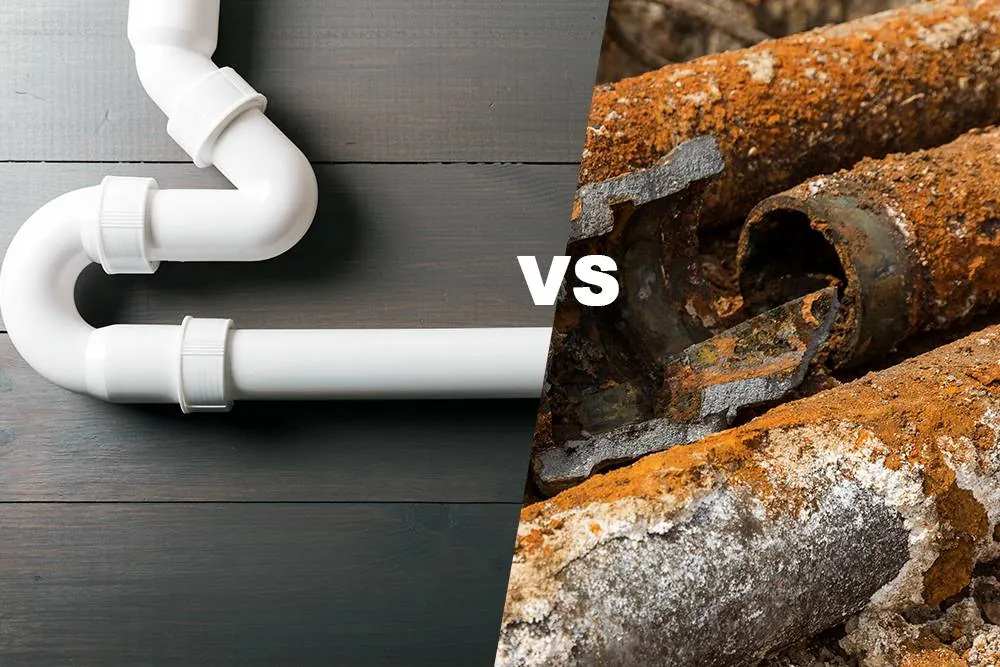
Cast iron is heavy and requires specialized tools, but it’s incredibly quiet and fire-resistant. This material is standard in many older homes and some modern commercial projects.
Cut the cast iron pipe using a soil pipe cutter or a reciprocating saw with a diamond-grit blade. A snap cutter is the professional choice for clean, square edges that prevent leaks at the joints.
Align the pipe ends and slide a heavy-duty rubber no-hub coupling over the joint. Avoid using standard plumbing couplings, as they lack the structural integrity required for the weight of cast iron.
Tighten the stainless steel bands on the coupling using a torque wrench to the manufacturer’s specification. Most couplings require 60 inch-pounds of torque. Failing to reach this tension allows the pipe to shift, while over-tightening risks snapping the band.
Ensure the system is properly grounded, as metal pipes can conduct electricity if an electrical fault occurs. If your home uses a mix of PVC and cast iron, verify that the grounding path remains continuous through the metal sections.
Install heavy-duty support brackets every 5 feet to manage the significant weight of the pipe. If you’re installing vertical stacks, place a support at the base of every floor to prevent the system from sagging under its own mass.
Cast iron is highly durable and keeps your home quiet by muffling the sound of rushing water. The main weakness is the labor-intensive installation process, which often requires two people to handle the heavy pipe sections safely. Always wear leather gloves to protect your hands from the sharp, jagged edges created during the cutting process.
Using ABS pipe for drainage
Acrylonitrile butadiene styrene (ABS) is a black plastic pipe that’s very similar to PVC but uses a one-step glue process. It’s common in regions where local codes specifically mandate this material for drainage, waste, and vent systems.
- Cut the ABS pipe to your required length using a standard saw.
- Deburr the edges of the cut pipe with a file to ensure a smooth fit inside the fitting.
- Apply the specialized ABS solvent cement to both the pipe and the fitting.
- Join the pieces firmly and hold them for 30 seconds until the joint sets.
- Inspect the joints to ensure no excess glue is blocking the internal water path.
ABS is faster to install than PVC because you don’t need to use a primer before the glue. Its main weakness is its sensitivity to direct sunlight, which can cause the material to become brittle if stored outdoors for long periods.
Selecting the right drainage material
If you’re in a hurry, use PVC because the chemical welding process is fast and requires minimal tools. If you’re doing this for the first time, PVC is also the best choice because it’s forgiving and easy to cut. If you want the best possible result regardless of cost, use cast iron for its superior sound deadening and fire resistance.
The trade-off is simple: PVC offers speed and affordability at the cost of noise, while cast iron offers silence and strength at the cost of heavy labor and higher prices. If you’re installing pipes within a finished wall cavity, prioritize cast iron to eliminate the audible rush of water that PVC fails to dampen.
Many beginners mistakenly use thin-walled PVC meant for irrigation rather than schedule 40 pipe. This error leads to premature cracking under the weight of soil or concrete backfill. If the pipe will be buried under a slab, you must use schedule 40 to prevent structural failure.
Always check your local plumbing code requirements before you buy materials. Some municipalities mandate cast iron for multi-story residential buildings to maintain fire-rated assemblies. If you see a requirement for “non-combustible materials” in your local code, PVC is likely prohibited regardless of your budget or skill level.
Essential rules for plumbing installations
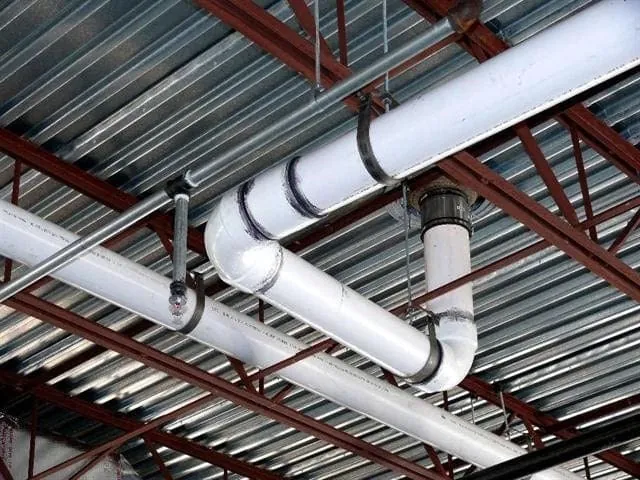
Regardless of the material you choose, you must ensure the pipe has the correct slope to allow gravity to move waste effectively. A standard slope of 1/4 inch per foot is required for most residential drain lines to prevent clogs. If the slope is too flat, solids will settle and cause a blockage; if it’s too steep, the liquid will run away and leave solids behind.
Always verify your work with a leak test before closing up your walls. Fill the system with water and check every joint for signs of moisture or dripping. A common mistake is testing only the joints you can see; instead, perform a hydrostatic head test by filling the system with water to the highest point and checking for leaks. If the needle drops, you have a hidden pinhole leak.
When cutting through studs to run your lines, never remove more than 40 percent of the wood’s width for a load-bearing wall. If you must exceed this, you’re required to install steel reinforcement plates or sister the stud with a new piece of lumber.
If you’re unsure about your local building codes or the structural impact of cutting through studs, hire a licensed plumber to handle the work. Working with sewage lines involves health risks, so follow all safety guidelines provided by your local health department when handling waste pipes. Always wear heavy-duty nitrile gloves and eye protection to prevent exposure to pathogens when opening existing lines.
Related guides
Frequently asked questions
Can I mix cast iron and PVC pipes?
Yes, you can join the two materials using a mechanical transition coupling. These couplings feature a rubber sleeve and stainless steel clamps that create a secure, watertight seal between the different outside diameters of the two pipes. Always use a shielded coupling that’s rated for underground or wall-hidden use to ensure the connection doesn’t fail over time.
How long does PVC pipe last?
PVC pipe is designed for a long service life when installed correctly and maintained under normal household conditions. The actual lifespan varies based on the chemical makeup of your local water and whether the pipe is exposed to direct sunlight, which can degrade the plastic. Check your local plumbing inspector’s guidance to see if they recommend specific types of PVC for your local area.
Is it safe to use PVC for drain pipes?
Yes, PVC is safe for residential drain and vent systems when installed according to the manufacturer’s instructions and local codes. It’s resistant to the chemicals found in household waste and doesn’t rust like metal. However, it isn’t suitable for high-temperature applications, so ensure you’re using the correct grade for the specific temperature range of your home’s drainage.
What happens if I use the wrong pipe slope?
If your pipe slope is too shallow, waste will accumulate in the pipe and eventually cause a total blockage. If the slope is too steep, the water will flow too quickly and fail to carry solids along with it, which also leads to clogs. Aim for the standard 1/4 inch drop per foot of pipe length to keep the system flowing smoothly.
How much weight does cast iron pipe add?
Cast iron pipe is significantly heavier than PVC, often weighing 10 to 15 pounds per foot depending on the diameter of the pipe. This extra weight requires much more robust support systems compared to plastic, which can be held with simple plastic straps. If you’re installing cast iron in an older home, verify that the floor joists can handle the added load.
Conclusion
Before you start your project, grab a copy of your city’s latest plumbing code to ensure you’re choosing the right material. It’s always better to check these rules early so you don’t run into trouble later. Once you’ve confirmed your requirements, you’ll be ready to get your pipes flowing smoothly.