
Professional mechanics and home DIYers often find that the best wrench spanner sets 2021 reviewed by an engineer are those made from chrome vanadium steel with a satin or polished finish. These tools provide the necessary torque for fastening nuts and bolts while resisting corrosion in damp workshop environments. Choosing the right set comes down to matching the fastener system, such as SAE or metric, to the specific equipment you maintain regularly.
Wrench spanner sets at a glance
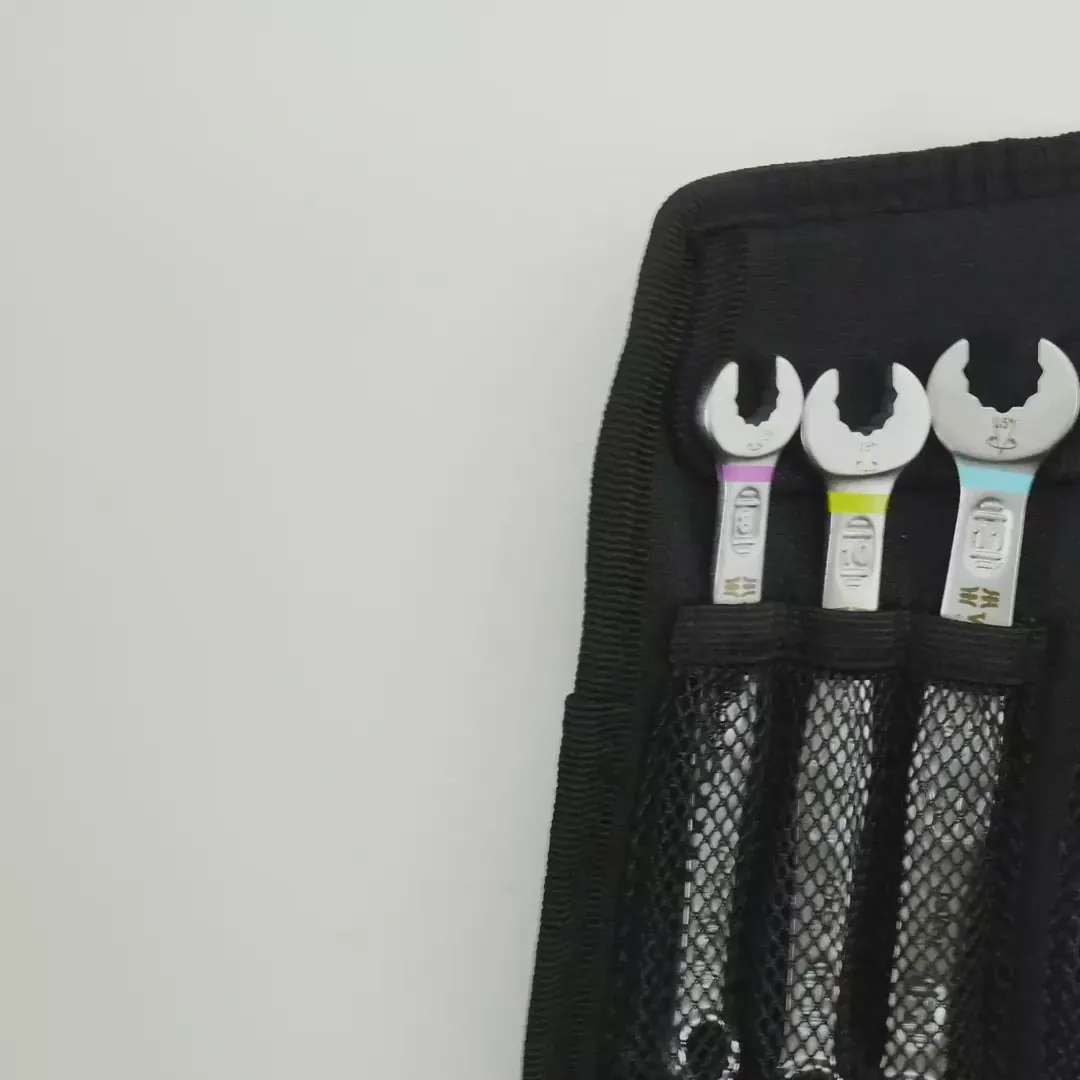
Selecting the right tool depends on your specific fasteners and the space available to turn the handle.
| Tool Set Type | Best For | Common Example |
|---|---|---|
| Combination Wrench | General fastening | 10mm open-end/box-end |
| Ratcheting Wrench | Fast work in tight spots | 1/2-inch gear-driven wrench |
| Flare Nut Wrench | Soft metal fuel lines | 3/8-inch brake line wrench |
| Adjustable Wrench | Occasional odd-sized bolts | 8-inch crescent style |
| Stubby Wrench | Very tight engine bays | 14mm short-handle wrench |
Combination wrench sets
Combination wrenches feature an open end on one side and a closed box end on the other. They’re the standard for most mechanical tasks because they offer two ways to engage a fastener. If the bolt is in a tight area, use the box end for better grip; if you need to slide the wrench onto a pipe or line, the open end is your primary choice.
- Provides high leverage for breaking stubborn bolts loose.
- Offers two different profiles for the same fastener size.
- Distributes force across the flats of the bolt head to prevent rounding.
If you’re working on older machinery, ensure the box end has a 12-point profile for easier alignment on the bolt head. A standard 10-piece metric set usually covers sizes from 8mm to 19mm. For example, use a 13mm combination wrench to remove standard M8 bolts found on most automotive intake manifolds.
Ratcheting wrench sets
Ratcheting wrenches include a gear mechanism inside the box end that allows you to turn a fastener without removing the tool. These are ideal when you have limited clearance and can’t swing a standard handle through a full 60-degree arc. They save significant time on long bolts where the nut must be turned many times before it’s fully removed or tightened.
- Allows for continuous turning in confined spaces.
- Reduces hand fatigue during repetitive fastening tasks.
- Fits into narrow gaps where a socket wrench won’t clear.
If you’re choosing a set, look for one with at least 72 teeth in the ratcheting mechanism. This allows for a 5-degree swing arc, which is critical in cramped engine bays. When you need to reverse direction, simply flip the wrench over. A typical user will reach for a 1/2-inch ratcheting wrench when installing long threaded rods or battery terminal bolts in tight battery trays.
Flare nut wrench sets
Flare nut wrenches, also known as line wrenches, are designed specifically for soft metal fittings like those found on fuel, brake, or hydraulic lines. Unlike a standard open-end wrench, they wrap around the fitting on five sides to prevent the tool from slipping and rounding off the soft brass or aluminum nut.
- Prevents damage to soft alloy line fittings.
- Distributes clamping pressure evenly around the fastener.
- Provides enough clearance to slide over the tubing.
These tools require a steady hand and proper alignment to seat fully on the fitting before applying torque. If you try to use a standard open-end wrench on a rusted brake line, you’ll likely strip the nut. If you’re working on a classic car’s braking system, use a 10mm flare nut wrench to loosen the lines at the master cylinder without causing rounding.
Adjustable wrench sets
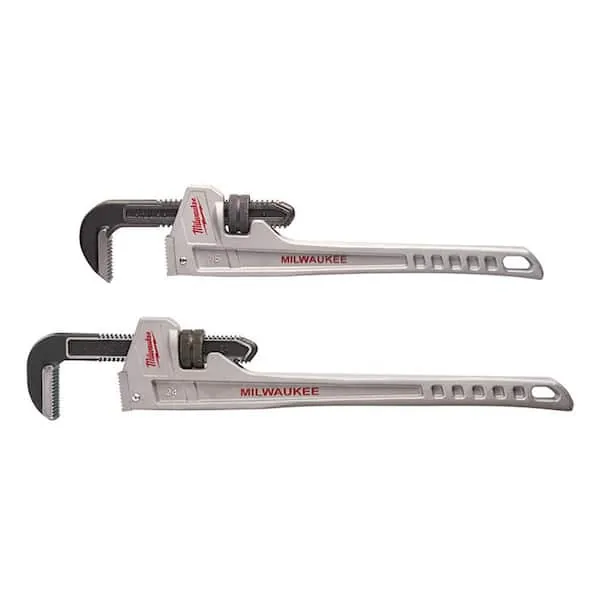
Adjustable wrenches feature a movable jaw that slides to fit various fastener sizes. They aren’t intended for high-torque applications because the sliding jaw can slip under heavy pressure, which often results in rounded bolt heads or bruised knuckles. They’re best reserved for holding one side of a bolt while you use a fixed-size wrench on the other.
- Works on odd-sized or non-standard hardware.
- Serves as a backup when the correct fixed size is missing.
- Handles large plumbing nuts that standard sets don’t include.
Always tighten the jaw firmly against the bolt before you apply pressure to the handle. If the bolt is extremely tight, use a fixed-size wrench instead to avoid stripping the metal. For example, an 8-inch adjustable wrench is useful for holding a large 1-inch nut on a garden hose assembly while tightening the fitting with pliers.
Remaining wrench types
- Stubby wrenches: These feature shortened handles for working in extremely tight spaces where a full-length wrench would hit surrounding components. They’re best for interior dash work or small motorcycle engines.
- Crowfoot wrenches: These are open-ended attachments that fit onto a standard socket ratchet. They allow you to reach bolts hidden behind pipes or deep inside complex machinery assemblies.
- Offset wrenches: These have a bent handle to clear obstacles. Use them when the bolt head is recessed or located behind a raised metal lip that blocks a straight path.
How to choose the right wrench

Deciding which set to buy starts with the type of hardware you encounter. If you maintain modern cars or appliances, you need a metric set ranging from 8mm to 19mm. If you work on older American machines or plumbing, you should prioritize an SAE set measured in fractions of an inch.
If you’re a beginner, start with a 10-piece combination set, as it handles 90 percent of common household and automotive tasks. If you’re working on high-performance engines, you’ll eventually need a ratcheting set to save time in tight spaces.
These sets can be combined; you don’t need to choose just one, but you should buy the set that covers the most common bolt sizes in your specific equipment. Avoid buying cheap sets with soft metal, as they will round off your bolts and cost you more in damaged parts than the tools themselves.
Frequently asked questions
Can I use a metric wrench on an SAE bolt?
No, using a metric wrench on an SAE bolt will almost always result in a loose fit that strips the corners of the fastener. Always use the specific wrench size designed for the bolt, as even a small difference in measurement leads to mechanical failure.
How long should a good steel wrench last?
A high-quality steel wrench will last a lifetime if it’s kept clean and free from rust. If you see signs of pitting or deep rust on the surface, the structural integrity of the metal may be compromised and you should replace the tool.
Is it safe to use a pipe on a wrench for extra leverage?
No, using a pipe to extend the handle of a wrench significantly increases the risk of the tool snapping or the bolt shearing off. If a fastener is too tight, use a penetrating oil or a dedicated breaker bar instead of extending a standard wrench.
What happens if I use the wrong size wrench?
Using the wrong size wrench will round off the corners of the bolt head, making it nearly impossible to remove later. If you feel the wrench slipping at all, stop immediately and find the correct size before you cause permanent damage to the fastener.
Does it matter if the wrench is chrome or black oxide?
Yes, chrome-plated wrenches are easier to clean and resist rust better than black oxide tools. Black oxide wrenches are often cheaper and preferred for industrial use where the finish might be scratched, but they require a light coat of oil to prevent oxidation.
How do I know if my wrench is high quality?
A high-quality wrench will have a clear, stamped size marking and a smooth, consistent finish without sharp burrs or casting flaws. Check the documentation from the manufacturer to see if the tool meets industry standards for hardness and torque capacity before you make your purchase.
Conclusion
Start by checking the size of the bolts on your equipment using a digital caliper to identify if you need metric or SAE tools. Once you have the correct size, use the box end of your wrench to break the bolt loose and finish the job with the open end. If the bolt doesn’t turn, stop and apply a penetrating lubricant to avoid breaking the head off the bolt.
