
A finned heat exchanger increases the transfer of heat between two fluids by attaching metal plates to tubes to expand the available surface area. As hot fluid travels through the interior tubes, a cooler medium flows over the external fins. These fins absorb heat from the pipe surface and release it into the surrounding environment, cooling the internal fluid more efficiently than a bare pipe.
How finned heat exchangers function
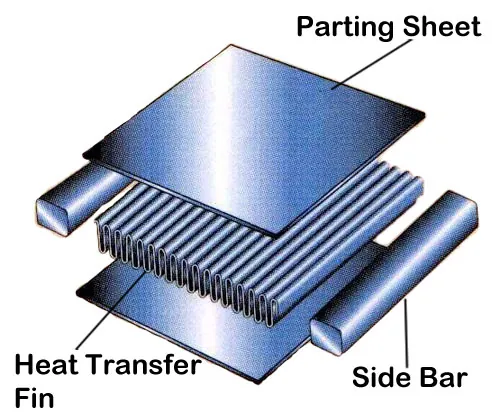
The parts of these exchangers are designed to maximize the contact between materials. If the fins are damaged or clogged with debris, the cooling efficiency drops immediately. You can check the condition of these parts by inspecting the unit’s exterior for bent fins or thick dust buildup, as described in your equipment’s service manual.
| Part or input | What it does | What you notice when it goes wrong |
|---|---|---|
| Inner tubes | Carries the hot fluid | Fluid leaks or low pressure |
| Metal fins | Increases surface area | System overheats or runs slow |
| External fan | Moves air over fins | Loud noise or poor cooling |
| Outer casing | Protects the assembly | Rust or air leaks present |
| Fluid pump | Circulates the liquid | Strange vibrations or flow loss |
Steps for heat exchange cycles
- The hot process fluid enters the inlet manifold of the exchanger. This takes about 5 seconds to fill the primary tubes, assuming the system is already primed and the pump is running at the standard rated speed.
- Heat moves from the fluid, through the tube wall, and into the base of the metal fins. This conduction process begins as soon as a temperature difference between the fluid and the metal exists.
- The secondary fluid, such as ambient air, is forced across the fins by a fan. This stage requires a constant flow rate to prevent heat from building up on the fin surfaces.
- As the air passes over the fins, it absorbs heat from the metal. The amount of heat removed depends on the airflow velocity; if you halve the fan speed, the cooling capacity typically drops by about 30 percent.
- The cooled process fluid exits the device through the outlet. This cycle repeats continuously, with the fluid spending roughly 10 to 30 seconds inside the tubes depending on the unit size and flow velocity.
- The heated air or secondary fluid is pushed out into the environment. If the exhaust path is blocked, the heat will recycle back into the fins, which lowers the overall cooling performance significantly.
Why performance drops occur
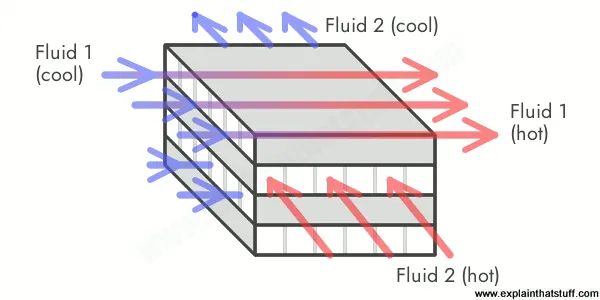
The link between the physical design and the cooling efficiency is direct because heat transfer is limited by the total contact area. A finned exchanger works by spreading heat over a large area, allowing the cooler air to pick up energy more effectively. When fins become bent or covered in dirt, the effective surface area decreases. This forces the internal fluid to stay hot because the heat has nowhere to go.
You might notice that a system works fine in the morning but fails during the afternoon. This happens because the temperature difference between the air and the fluid is smaller when the outside air is hot. If the fins are clean, the system can still compensate for this. However, if the fins are dirty, the reduced efficiency means the system can’t keep up with the extra heat load.
A common mistake is assuming that a larger fan will fix a cooling problem. If the fins are packed with dust, a stronger fan will only push air through the few clear gaps without touching the rest of the surface. This wastes energy and doesn’t solve the underlying heat transfer limit. Always check the fin spacing and cleanliness before changing any mechanical parts, as this is the most common cause of poor performance in these systems.
Control and design limits
Things you can control
- Clean the fin surfaces regularly to keep airflow paths open.
- Check the fan speed against the manufacturer’s recommended settings.
- Straighten bent fins using a fin comb to restore contact area.
- Ensure the surrounding area has enough space for air circulation.
Things fixed by design
- The material of the fins, such as aluminum or copper.
- The total number of fins per inch of tubing.
- The internal diameter and length of the fluid pipes.
If you suspect a leak or internal corrosion, stop all operations immediately. These systems often handle pressurized fluids that can cause injury if they burst. Contact a certified HVAC technician who has the proper tools and safety training to handle pressurized cooling equipment.
Habits for better cooling

Effective heat transfer depends on keeping the entire assembly in its original condition. You should inspect the fins for dust or debris at least once every 3 months. If the unit is in a dusty environment, you may need to check it monthly to ensure the air paths remain clear.
Always use a soft brush or compressed air at a low setting to clean the fins. If you use a pressure washer, you’ll likely bend the thin metal fins, which permanently reduces the surface area and ruins the exchanger. Only clean the fins when the system is turned off to prevent debris from being pulled deeper into the unit.
If you notice the temperature of the exiting fluid is consistently higher than the design limit, check your system’s manual for the expected temperature drop and consult a professional if the numbers don’t match.
Most users make the mistake of cleaning only the face of the unit. This leaves trapped grime deep inside the core where airflow is most restricted. If you can see light through the fins, the core is clear. If the light is blocked, use a vacuum to pull the debris out rather than pushing it further in.
Related guides
Frequently asked questions
Can I paint the fins to stop rust?
No, you should never paint the fins because it creates an insulating layer that stops heat transfer. The paint blocks the metal from touching the air, which reduces the cooling efficiency of the device significantly. If you’re worried about corrosion, use a unit made from materials like stainless steel or coated aluminum instead.
How long do these heat exchangers last?
The average lifespan varies, assuming the system is kept clean and the internal fluid is treated to prevent corrosion. The exact duration depends on the environment and how often the unit is serviced. Check your specific product manual to see the expected service life for your model.
Is it safe to use a vacuum on the fins?
Yes, it’s safe to use a vacuum with a soft brush attachment to remove loose dust from the surface. Be very careful not to push the nozzle hard against the fins, as they’re usually made of thin metal that bends easily. Always move the vacuum in the direction of the fins.
What happens if the fins are bent?
Bent fins block the airflow, which reduces the cooling capacity and causes the system to run hotter than it should. If more than 5 percent of your total surface area is blocked, you’ll notice a measurable decrease in performance. Use a fin comb to carefully straighten them back to their original position.
Does it matter which way the air flows?
Yes, the airflow must move across the fins in the direction specified by the manufacturer for maximum efficiency. The design assumes the air will hit the fins at a specific angle to pull heat away. If the fan is installed backward, the cooling capacity will drop by up to 50 percent.
How often should I check for dust?
You should check for dust every 3 months, though this varies based on your local environment. If the unit is located in a factory or a dusty outdoor space, check it monthly to ensure debris doesn’t build up. Keeping the fins clean is the easiest way to keep your system running correctly.
Conclusion
Choosing the right design makes a real difference in how efficiently your system performs. If you’re planning a new project, take a moment to check the material compatibility of your fins to prevent long-term corrosion. You’ll find that a well-maintained unit doesn’t just save energy—it’ll keep your equipment running smoothly for years.
