
A plastic garage storage cabinet provides a lightweight and moisture-resistant solution for organizing tools, chemicals, and seasonal gear in environments where metal might rust. These units are typically made from high-density polypropylene or resin, which allows them to withstand temperature shifts better than wood while remaining easier to move than steel. The primary difference between models often comes down to their weight capacity per shelf, the thickness of the plastic walls, and whether the doors include a locking mechanism for security.
Types of garage storage units
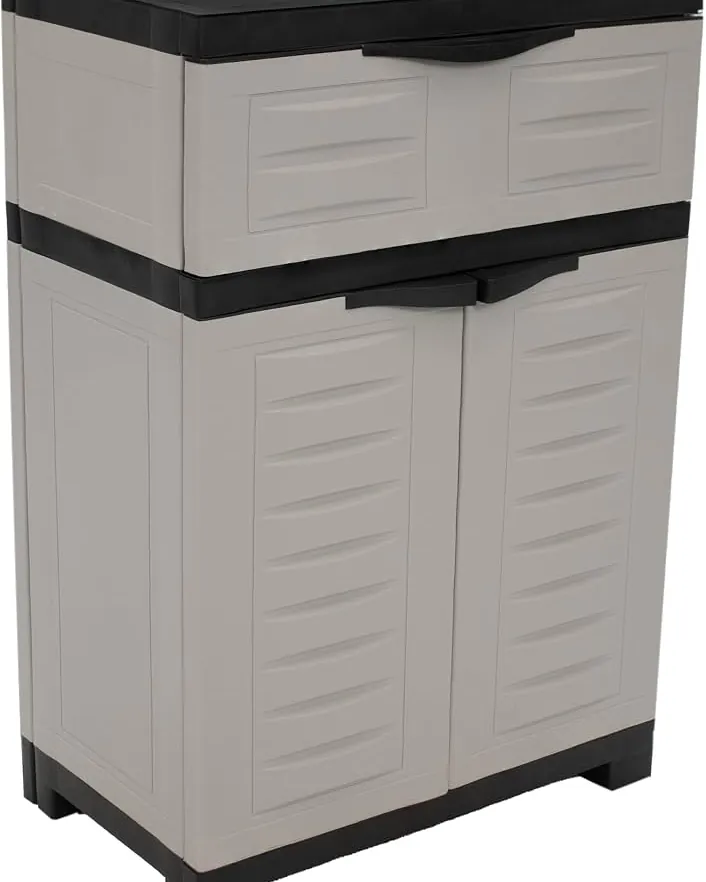
Choosing the right unit depends on your space and the items you need to store. The following table summarizes the most common configurations found in home garages.
| Unit Type | Best For | Example |
|---|---|---|
| Tall cabinet | Long tools or cleaning supplies | Full-height floor unit |
| Wall-mounted | Keeping floor space clear | Small overhead box |
| Base cabinet | Workbench storage | Counter-height unit |
| Modular system | Creating custom wall layouts | Interlocking plastic sections |
| Drawer unit | Small hardware and parts | Multi-drawer chest |
If your floor is prone to dampness or seasonal flooding, skip floor-standing base cabinets entirely. Mount everything at least six inches above the concrete slab to prevent moisture from warping wood or corroding metal frames.
Use wall-mounted units only if your studs are spaced at standard 16-inch intervals. If you have non-standard framing, you must install a horizontal ledger board first to distribute the weight. Without this, loaded cabinets risk pulling away from the drywall.
When storing heavy power tools, prioritize drawer units with ball-bearing slides. Cheap plastic runners often fail under the weight of a heavy drill set, causing the entire drawer to jam or collapse. Always check the weight rating per drawer before loading your hardware.
Tall floor cabinets
A tall floor-standing unit serves as the primary storage vessel for large, bulky items that need to be kept off the ground. It’s best suited for homeowners who have at least 18 inches of floor depth available and need to hide away messy equipment.
- Vertical shelves allow you to organize taller items like brooms, shovels, or tall chemical bottles without them tipping over.
- Enclosed doors protect your stored items from dust, spider webs, and moisture common in unheated garage environments.
- Most tall units are designed to be anchored to a wall stud to prevent tipping, which is critical if the garage floor is slightly uneven.
If you’re storing heavy power tools, check the manufacturer’s manual for the maximum weight limit per shelf; many standard plastic units are rated for 30 to 50 pounds per shelf, while heavy-duty versions may hold up to 75 pounds. For example, a standard 72-inch tall cabinet typically houses four adjustable shelves, allowing you to space them 12 inches apart to accommodate tall paint cans or tool cases.
Wall-mounted storage boxes
Wall-mounted units are designed to maximize vertical space by utilizing the area above your workbench or car hood. These are ideal for users with limited floor space who need to store lightweight items like glues, tapes, or small hand tools.
- Mounting these units directly to wall studs keeps the floor clear, making it easier to sweep or wash the garage floor.
- Plastic construction ensures that the unit won’t corrode if you live in a humid climate or near the ocean.
- These units are usually shallower than floor cabinets, which prevents you from bumping your head while working at a bench.
The weight limit is the most common point of failure for these units, as they rely entirely on the strength of the wall fasteners. If you’re mounting to drywall, you must use heavy-duty toggle bolts or drive screws directly into wooden studs.
A typical wall-mounted plastic cabinet holds roughly 20 to 30 pounds of total weight when installed properly. For instance, a 24-inch wide unit is perfect for holding a collection of spray paints or lubricants, keeping them at eye level for quick access.
Base cabinets
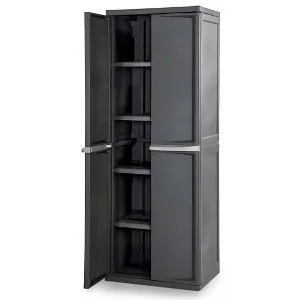
Base cabinets provide a sturdy platform for tasks while offering hidden storage beneath your workspace. These are perfect for people who use their garage for projects and need a surface to lay out parts while keeping tools within arm’s reach.
- The top surface acts as a secondary workbench or a shelf for frequently used items like a battery charger or a small drill press.
- The interior space is excellent for storing heavy items like bulk containers of motor oil or large tool boxes because the weight rests directly on the floor.
- Many base models can be combined with wall cabinets to create a full storage wall, providing a cohesive look.
This isn’t for someone who needs to store items longer than 30 inches, as the interior dimensions are limited by the cabinet’s height. If you need to store long items, you must choose a tall cabinet instead. A standard base unit is typically 36 inches high, which matches the height of most standard kitchen counters.
Modular storage systems
Modular systems consist of individual plastic blocks that click or screw together, allowing you to grow your storage as your collection of tools expands. These are ideal for people who want to start with a small setup and add more sections over the next few years.
- You can mix and match drawers, open shelves, and door-fronted units to create a custom layout that fits around obstacles like pipes or electrical boxes.
- The plastic material is easy to clean; if you spill grease or chemicals, you can simply wipe the surface with a damp cloth and mild soap.
- These systems are often easier to transport than large, pre-assembled cabinets because they break down into smaller, lighter boxes.
The catch here is the structural integrity of the interlocking joints; if you overload one section, it can cause the entire assembly to lean or sag. If you notice the plastic bowing under weight, you must redistribute the items to lower shelves. For example, you might place a 10-pound tool box on the bottom shelf of a modular stack, while keeping lighter items like rags or gloves in the top drawers.
Other storage solutions
Utility shelving offers an open-frame design for bulk items. These racks work best when you need immediate visual access to inventory and lack the space to swing open cabinet doors. If you store heavy liquids or chemicals, choose industrial-grade resin to prevent bowing under the weight.
Overhead racks utilize unused ceiling space for seasonal items like holiday decor or camping gear. You must anchor these directly into structural ceiling joists, not just the drywall, to avoid a catastrophic collapse. If your garage ceiling is lower than eight feet, skip these to avoid bumping your head during routine tasks.
Mobile carts provide flexibility for active workspaces. These are essential for mechanics who need to relocate tools across the garage floor while working on a vehicle. Always verify that the cart’s caster wheels feature locking mechanisms. If you fail to lock them, the cart may roll away on uneven concrete, creating a significant safety hazard.
Choosing your plastic garage storage cabinet
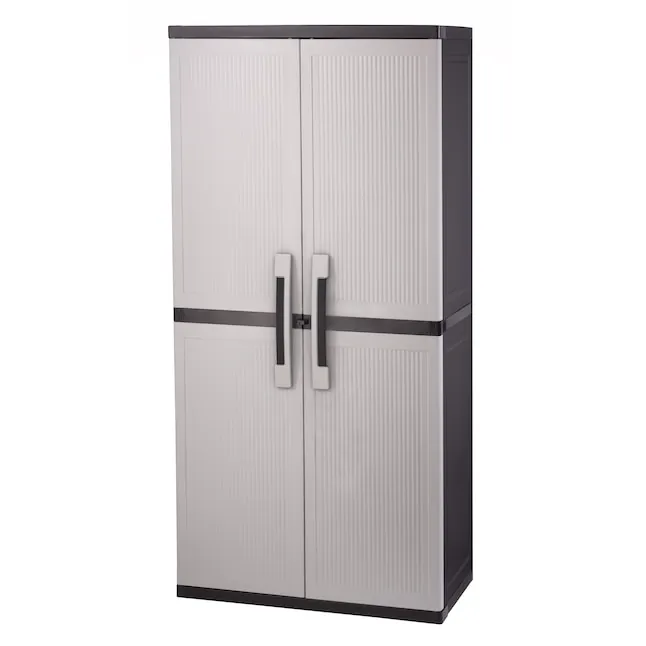
Deciding which cabinet is right for you depends on three specific factors: your available floor space, the weight of your items, and how often you need to access them. If you have limited floor space, prioritize wall-mounted units to keep the area clear.
If you have heavy power tools or bulk liquids, opt for base cabinets or floor-standing units where the weight is supported by the ground. A common mistake is mounting heavy items on drywall without finding the studs, which risks pulling the unit from the wall entirely. Always ensure your wall-mounted hardware is rated for at least double the weight of your intended load.
For items you reach for daily, choose drawers or open shelves rather than units with doors. Doors create a two-step process that discourages putting tools back, eventually leading to a cluttered workspace. If you work in a dusty environment, however, opt for clear plastic-fronted doors to keep debris out while maintaining visibility.
Most people find that a mix of floor and wall storage works best. You can combine a tall floor cabinet for long-term storage with a wall-mounted unit for your most-used hand tools. Picking one type doesn’t mean you’re locked in.
Related guides
Frequently asked questions
Can I leave a plastic garage storage cabinet in an unheated garage?
Yes, most high-density polyethylene cabinets are designed to handle temperature swings common in unheated garages. However, check the manufacturer’s specification sheet, as extremely cold temperatures can make some plastics brittle and prone to cracking if hit by a heavy object.
How much weight can a typical plastic shelf hold?
Most shelves are rated for 30 to 50 pounds, but this depends on the specific model and the distribution of the weight. Always check the load rating printed on the inside of the cabinet door or in the user manual to avoid bowing or structural failure.
Is it safe to store gasoline in a plastic cabinet?
No, you should never store gasoline or other flammable liquids in a plastic storage cabinet. These chemicals can release vapors that build up inside the enclosed space, creating a significant fire hazard; keep all flammable liquids in a dedicated, ventilated, fire-rated metal cabinet.
How long do plastic cabinets last?
Plastic cabinets can last for a long duration if they’re kept out of direct sunlight and aren’t overloaded. Ultraviolet light from windows can cause some plastics to fade and become fragile over time, so placing your unit in a shaded corner of the garage will help it last longer.
What happens if I don’t anchor my cabinet to the wall?
If you don’t anchor your cabinet, it risks tipping over, especially if you open multiple heavy doors or drawers at the same time. This is a serious safety risk for households with children or pets, so always use the provided wall-mounting hardware to secure the unit to a stud.
Does it matter if my garage floor is uneven?
An uneven floor causes cabinet doors to misalign, hindering smooth operation. Use shims under the base to level the unit before securing it to the wall, which keeps the frame square and ensures the doors function correctly.
Conclusion
Choosing the right unit will clear your floor space and keep your gear protected for years to come. Once you’ve measured your available wall area, head to the hardware store to check the shelf stability in person. You’ll find that a well-organized garage makes every weekend project feel much easier to start.
