
A circuit is in a state of normally open vs normally closed what do they mean when you look at its resting position before you press a button or trigger a sensor. A normally open circuit stays off until you act on it, while a normally closed circuit stays on until you interrupt the flow. Use normally open if you want to start an action, and normally closed if you want to monitor for a break.
Comparing switch states
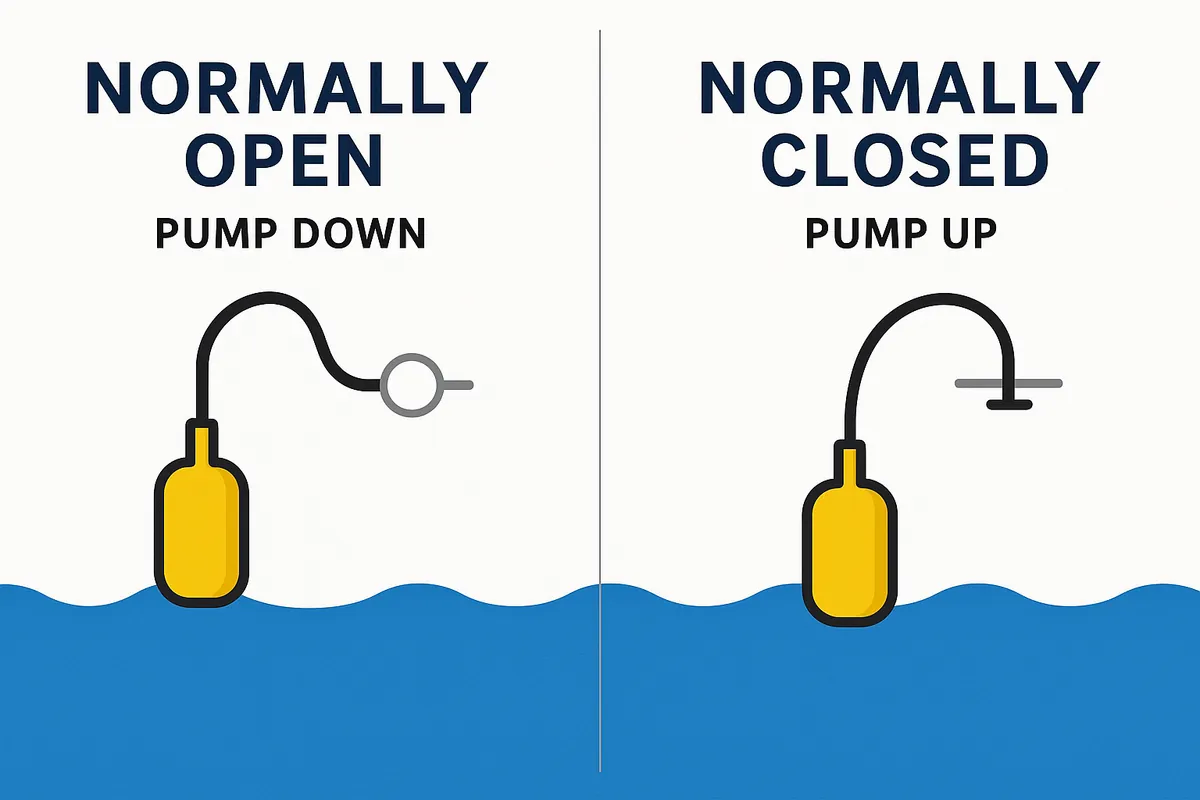
Choosing between these two depends on whether you want your device to run by default or only when triggered. Most household light switches are normally open, meaning the light stays off until you flip the switch to close the path. Alarm sensors often use normally closed circuits because they trigger the moment the wire is cut or the contact is moved.
| Method | How long | Effort | Cost | Best for |
|---|---|---|---|---|
| Normally Open | Instant | Low | Low | Starting motors |
| Normally Closed | Instant | Low | Low | Safety alarms |
| Latching | Varies | Medium | Medium | Toggle functions |
If your system uses a high-voltage motor, you must always choose a switch rated for that specific current to prevent fire hazards. You can verify the current capacity of your electrical components by checking the National Electrical Code standards published by the NFPA.
Normally open operation
A normally open switch acts like a bridge that’s currently missing a piece. The electricity can’t cross the gap until you physically push the button or trigger the mechanism to complete the path.
Ensure the power is disconnected before you start any wiring work. Connect one wire to the first terminal and the second wire to the opposite terminal. Press the button to verify the device turns on. Release the button to confirm the device shuts down immediately.
This setup is ideal for doorbells or momentary push buttons where you only want power during the press. If you’re working with mains electricity, always consult a licensed electrician to avoid the risk of electric shock or fire.
The main weakness is that if the wire breaks, you’ll never know because the circuit was already silent. Use a normally open switch only for non-critical systems where a failure to activate is a mere inconvenience rather than a safety hazard.
If your application involves emergency stops or critical alarms, use a normally closed circuit instead. In those systems, a broken wire triggers the alarm, alerting you to the fault immediately. Always test the switch with a multimeter before finalizing the installation to ensure the continuity behaves exactly as expected.
Normally closed operation
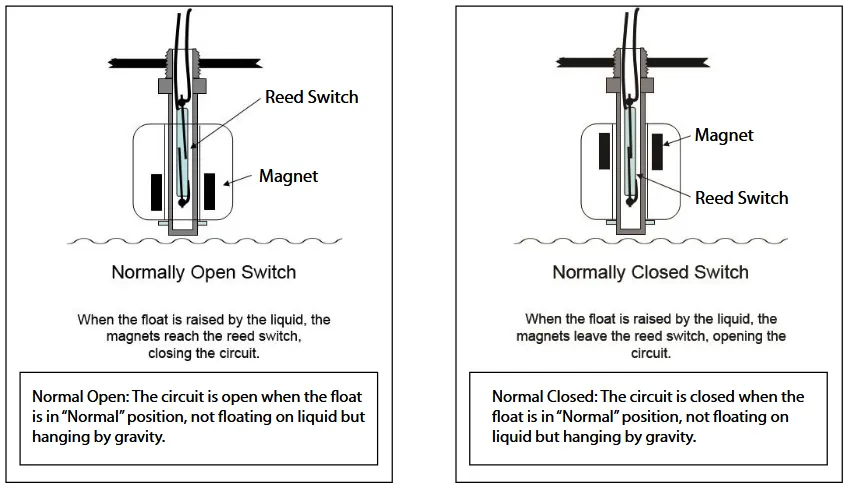
A normally closed switch acts like a closed gate that allows water to flow through a pipe without stopping. When you push the button or open a door, the gate lifts up and breaks the path, which stops the flow of electricity to the device.
- Turn off the main power supply to your circuit.
- Attach wires to the two terminals that remain connected while the button is untouched.
- Test the connection to ensure the device is currently running.
- Trigger the switch to verify that the device turns off instantly.
This is the standard choice for emergency stop buttons or security sensors. The strength here is that if a wire is cut, the device turns off and alerts you to the problem. One genuine weakness is that these switches can wear out faster if they’re constantly holding a heavy load in their closed state.
Latching and hybrid switches
Some advanced switches can toggle between states or hold a position until you press them again. These are common in computer power buttons or industrial control panels where you need a steady state that doesn’t require you to keep your finger on the button.
- Identify the common terminal on your switch using a multimeter.
- Wire the power source to the common terminal.
- Choose the normally open or normally closed pin based on your desired default state.
- Test the latching action to ensure it stays in place after you release the button.
These switches are great for complex electronics but can be confusing to wire correctly. If you aren’t careful, you might accidentally create a short circuit that trips your breaker. If you need a switch that stays on, a latching mechanism is one way to achieve this, though momentary switches can also maintain an ‘on’ state when used with appropriate control circuitry.
Choosing between normally open and closed
Use a normally open switch when you’re in a hurry and just need a simple “on” signal for a device like a doorbell or a horn. This is the simplest way to add a control button to any project.
Use a normally closed switch when you want to build a safety system that triggers an alarm or stops a process if a connection is broken. This setup is safer because the system fails in a way that’s easy to notice.
Use a latching switch when you want the best possible result whatever it takes for a project that requires a steady “on” or “off” state without holding the button down. This provides a more professional feel but requires more careful planning during the wiring phase. The trade-off is between the simplicity of a momentary signal and the convenience of a locked state.
Standards for safe electrical work
Regardless of the switch type, you must ensure all connections are tight to prevent heat buildup. Loose wires are the most common cause of electrical failure and can lead to dangerous sparks. Always use the correct gauge of wire for the current your device pulls, as thinner wires can overheat under high demand.
Check your connections partway through the installation by gently tugging on each wire to ensure it’s secure. At the end, use a multimeter to verify that the circuit behaves as expected before you turn the main power back on. If you’re working on a system that involves high voltage or complex building codes, you should always hire a professional. Attempting to modify high-voltage lines without proper training can result in serious injury or void your home insurance policy.
Related guides
- GE Microwave Fan Keeps Running When Door Is Closed: Fix It
- Best Camping Kettle for Open Fire in 2026
Frequently Asked Questions
Can I change a normally open switch to normally closed?
Yes, you can often change the behavior if your switch has both sets of terminals. Many industrial switches are “double throw,” meaning they have pins for both states; you simply move your wire from the normally open terminal to the normally closed one to flip the logic.
Is it safe to use these switches with high voltage?
Yes, but only if the switch is specifically rated for the voltage and amperage of your appliance. Always check the side of the switch for the UL or CE mark, which indicates it has been tested for safety. Never use a low-voltage hobby switch on a 120V or 240V circuit.
What happens if I wire it backwards?
If you wire a normally open switch as normally closed, your device will turn on when it should be off. This can be dangerous for safety devices like emergency stops, so always test your device with a multimeter before you consider the installation finished and ready for regular use.
How long do these switches last?
Most mechanical switches are rated for 10,000 to 100,000 cycles, depending on the quality of the internal spring. You can find the exact cycle rating on the manufacturer’s datasheet for your specific part number. High-use environments will wear out cheaper plastic switches much faster than industrial metal ones.
What is the difference between momentary and latching?
Momentary switches return to their resting state the moment you let go of the button. Latching switches stay in their new position until you press them again. You should choose a momentary switch for signals and a latching switch for power buttons that need to remain active.
Why does my switch get hot?
Your switch is likely carrying more current than it was designed to handle, causing resistance and heat. If you notice heat or a burning smell, turn off the power immediately. Replace the switch with one that has a higher amperage rating to safely accommodate your specific electrical load.
Conclusion
Choosing the right setup depends entirely on your project’s goal. If you’re unsure which to pick, grab a simple multimeter and test your components before wiring them into place. You’ll quickly see how the connection behaves in real time, so you won’t have any surprises when you finally power everything up.
