
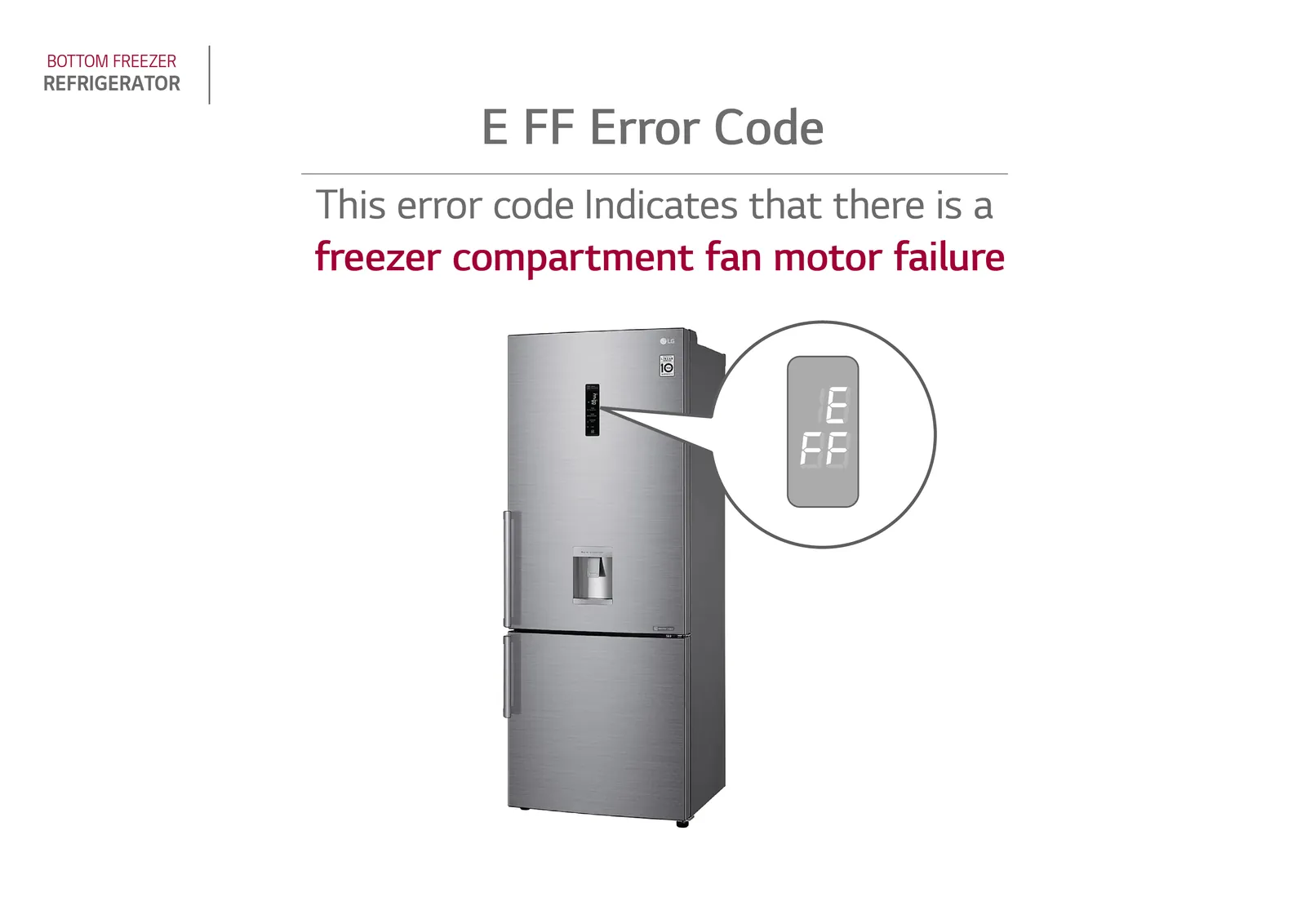
An lg refrigerator error code e ff indicates a failure in the freezer fan motor system, which prevents cold air from circulating properly. You can safely keep your food in the fridge for a few hours if you keep the doors closed, but you must act quickly to prevent spoilage. To confirm the issue, check if you hear the familiar hum of the fan when you open the freezer door or if you feel a lack of airflow near the vents.
What the refrigerator error code means
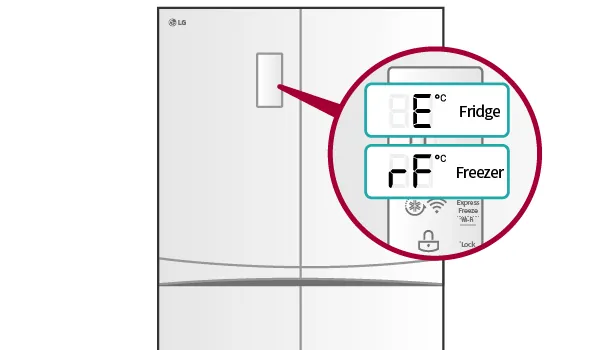
This error appears when the main control board detects that the freezer fan isn’t spinning at the correct speed. If the fan stops, your freezer can’t maintain the temperature needed to keep items frozen, which leads to ice buildup on the evaporator coils.
| What you notice | What it usually means | What to do first |
|---|---|---|
| No air blowing | Fan motor has failed | Check for ice blockage |
| Loud grinding noise | Fan blade is hitting ice | Unplug and defrost unit |
| Constant beeping | Control board error | Reset power to fridge |
| Warm freezer items | Fan isn’t working | Check internal temperatures |
| Thick frost buildup | Air isn’t circulating | Clear vents of items |
| E FF code visible | Fan circuit is open | Perform power cycle |
Most users mistake a simple ice blockage for a mechanical failure. If you hear a rhythmic clicking or grinding, the fan blade is likely obstructed by frost, not broken. You can verify this by manually spinning the blade with a long screwdriver after unplugging the unit. If it spins freely, the motor is likely intact.
If the fan remains motionless despite a clear path, check the wire harness near the motor. A loose connection often mimics a failed board. If the harness is secure but the fan still refuses to engage, test the motor for continuity. A reading of infinite ohms (or ‘OL’) confirms the motor windings are open and the motor requires replacement.
Never attempt to force the fan blade if it feels frozen solid. You risk snapping the plastic housing or damaging the motor shaft. Instead, leave the door open for four hours to allow a full manual defrost. If the error code returns immediately after the unit cools down, the control board is failing to send the necessary voltage to the motor.
Troubleshooting a frozen fan blade
The most frequent cause for this error is a buildup of ice that physically prevents the fan from spinning. This often happens if the door was left slightly ajar, allowing warm, humid air to enter and freeze onto the fan assembly. To fix this, you must fully defrost the unit to clear the ice obstruction.
You can perform this check by removing all food from the freezer and leaving the doors open for at least 8 to 12 hours. If you need a faster fix, use a hair dryer on a low, cool setting to gently melt the ice around the fan blades. Never use sharp tools like knives or screwdrivers to chip away at the ice, as this can easily puncture the cooling system and cause permanent damage.
If you hear a loud, rhythmic clicking or grinding sound before the fan seizes, the issue is likely a failing bearing rather than simple frost. In this case, defrosting will only offer a temporary reprieve before the motor locks up again. If the fan blades are clear of ice but remain stiff when pushed, the motor has reached the end of its lifespan.
Once the ice is gone, the fan should spin freely when you turn it with your finger. If it moves without resistance, plug the refrigerator back in and observe it for 30 minutes. If the fan starts running again and the error code disappears, you have successfully cleared the blockage. If the error remains, the fan motor itself likely needs to be replaced.
Inspecting the wiring connections
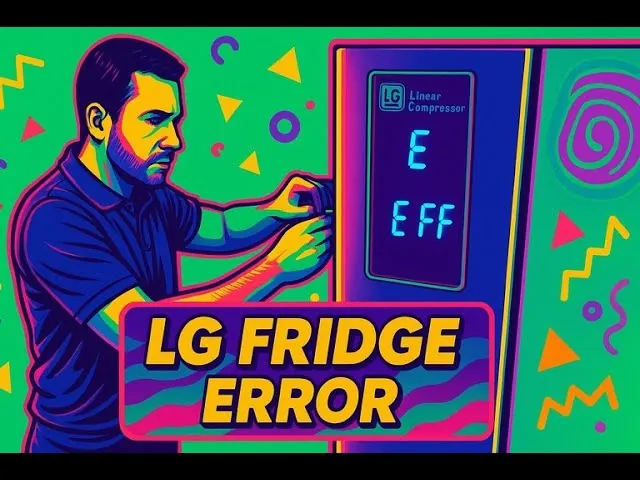
A loose or damaged wire connection between the motor and the control board will trigger an error even if the fan is physically fine. This occurs due to the vibration of the compressor or during a recent move of the appliance. You can identify this by checking the wire harness connections located behind the rear access panel inside the freezer.
Before touching the harness, unplug the unit to avoid a short circuit. Tug gently on each wire near the plug; if a wire slides out of the plastic housing, the crimp has failed. A common mistake is assuming a connection is secure just because it looks seated. If you see even a hairline crack in the plastic connector, replace the entire harness, as heat cycles have likely made the plastic brittle.
If you see any loose plugs or frayed wires, ensure they’re firmly connected. If the wires are burnt or broken, they can’t carry the signal to the motor. If the connections are clean and tight but the motor still fails to start, the internal windings of the motor may have failed.
This is a specific failure point: if the fan spins freely but makes a buzzing sound, the motor is likely dead. If the fan doesn’t spin at all and the wires are secure, the motor is the culprit. This repair requires specific replacement parts matched to your exact model number. Use the serial tag inside the fridge wall to verify the part, as universal motors often lack the correct harness length for your specific layout.
Identifying a faulty control board
The main control board sends power to the freezer fan motor at set intervals. If the board is damaged, it may stop sending this signal, causing the fan to remain idle. You can tell this apart from other causes because neither the fan nor the cooling system will show signs of life, even after you have manually defrosted the unit for a full day.
If the fan motor has been replaced and the error persists, the control board is the likely source of the problem. A faulty board often shows signs of scorching on the circuit components or a burnt smell near the rear of the unit. If you suspect the board is the issue, don’t attempt to repair the electronics yourself.
Most homeowners mistake a stuck relay for a dead board. If you hear a faint clicking sound coming from the control panel but the fan doesn’t engage, the board is likely trying to send power but failing to complete the circuit. In this case, unplug the unit for ten minutes to reset the internal processor. If the fan starts immediately upon plugging it back in, the software simply glitched.
The control board contains sensitive components that require professional handling. A technician must verify the voltage output from the board to the motor before declaring it broken. Testing these components involves using a multimeter to check for voltage, which should only be performed by someone trained in appliance repair.
When to stop and get help
Some situations require professional intervention to avoid injury or further damage to your appliance. Stop your DIY efforts if you encounter any of the following conditions:
You see signs of scorched wiring or a burning smell, as this indicates a potential fire hazard. If you notice discoloration on the insulation or plastic components, disconnect the power immediately.
The error code returns immediately after a full power cycle and manual defrost. This suggests a persistent fault in the main control board rather than a temporary sensor glitch.
You aren’t comfortable working with electrical components or the refrigerator’s rear panels. If you lack a multimeter to test for continuity, you can’t verify if a part is truly dead or just disconnected.
The fan motor housing is cracked or showing signs of plastic melting. This indicates a mechanical seizure that could lead to an electrical short.
You can’t identify the source of the noise or the blockage after checking the interior vents.
Repairing internal electrical systems, such as replacing a control board or cutting into sealed refrigerant lines, carries significant risks. If you’re unsure how to discharge a capacitor, don’t touch the internal circuitry. Always contact a certified LG service technician for these repairs to ensure your safety and to keep your manufacturer warranty valid. Attempting these repairs yourself often voids the coverage, leaving you liable for the full cost of a replacement.
Related guides
Frequently asked questions
Can i fix this error by just unplugging the fridge?
Yes, a simple power cycle can clear the error code if it was caused by a minor software glitch. Unplug the refrigerator or turn off the circuit breaker for 10 minutes to allow the control board to reset. If the error code returns immediately after you restore power, the problem is a physical hardware failure rather than a temporary software error.
How long does the ice take to melt?
The ice takes about 8 to 12 hours to melt completely if you leave the freezer door open and the unit unplugged. This time assumes a standard ambient room temperature of 70°F. If your kitchen is colder, or if the ice buildup is very thick, you may need to wait up to 24 hours for the ice to thaw entirely.
Is it safe to leave the fridge running with this error?
No, it isn’t safe to keep the unit running for more than a few hours with this error. Without the freezer fan, the temperature will rise quickly, causing your frozen food to thaw and potentially grow harmful bacteria. Move your perishable items to a separate cooler or another freezer while you work on the repair to prevent food loss.
How do I know if the fan motor is broken?
You know the motor is broken if the fan doesn’t spin after you have cleared all ice and verified the wire connections. If you manually spin the blade with your finger and it feels stiff or gritty, the internal bearings have failed. A motor that hums but doesn’t move also indicates a mechanical failure that requires a part replacement.
What happens if I ignore the error code?
Ignoring the code leads to a total loss of cooling in both the freezer and the refrigerator sections. Once the evaporator coils become completely blocked by ice, the cold air can’t circulate to the fridge compartment. This results in spoiled food, potential water leakage onto your floor, and possible damage to the compressor due to overworking.
Does it matter if I use a different fan motor part?
Yes, it matters because you must use the exact part number listed for your specific model to ensure compatibility. Using a motor from a different model can cause electrical shorts or physical fitment issues that prevent the fan from working. Check the label on your existing motor or look up your model on the official manufacturer website to find the correct replacement.
Conclusion
If these checks don’t get the fan spinning again, it’s time to contact a professional technician for a deeper inspection. Don’t wait too long, as your food won’t stay frozen indefinitely. Getting it fixed promptly will save you from a messy cleanup and the frustration of tossing out expensive groceries later.
