
A dead battery is the reason for a mendota fireplace remote control not working in most cases. You can confirm this quickly by checking the battery compartment for signs of corrosion or by swapping in a fresh set of batteries. If the remote screen remains blank or the light doesn’t flash when you press a button, the power supply is the first point of failure.
Why your Mendota fireplace remote control fails
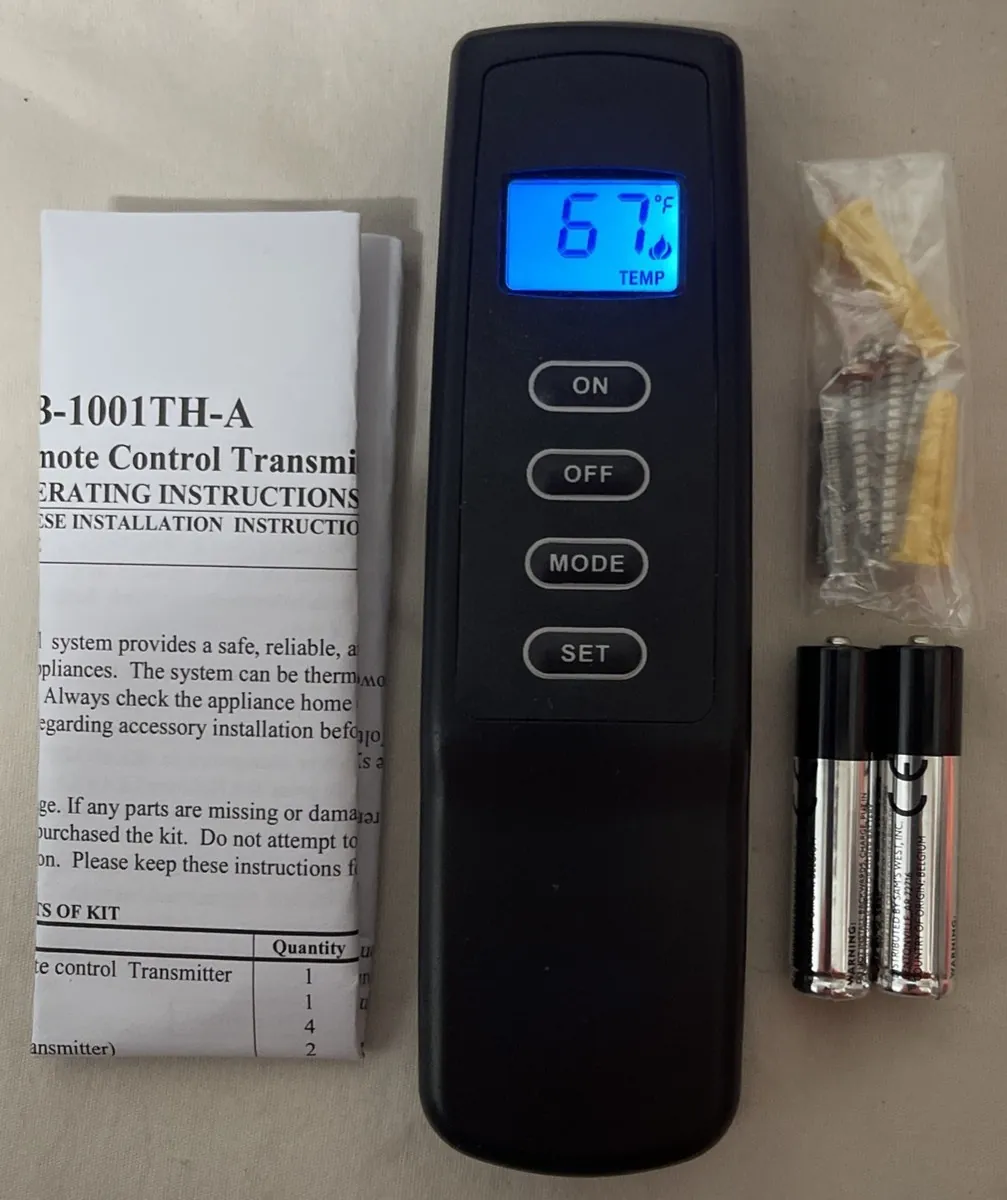
Most issues stem from power or signal interruptions rather than internal hardware damage. The table below ranks the most frequent causes to help you identify the problem.
| Cause | How common | How to confirm it | Fix it yourself? |
|---|---|---|---|
| Dead batteries | Very common | Remote display is blank | Yes |
| Signal interference | Common | Move closer to unit | Yes |
| Syncing issues | Common | Follow re-pairing steps | Yes |
| Corroded terminals | Occasional | White powder on metal | Yes |
| Faulty receiver box | Rare | No response after sync | No |
| Damaged remote | Rare | Visible screen cracks | No |
If your remote uses alkaline batteries, replace them even if they test near full capacity. Low voltage often powers the screen but lacks the punch to send an infrared signal.
Check for signal interference if your remote works only within three feet of the device. Turn off nearby lamps to see if responsiveness improves.
If you see white powder on the battery contacts, use a cotton swab dipped in white vinegar to dissolve the corrosion. Scraping the metal with a knife often removes the protective plating, which leads to permanent rust.
Finally, don’t assume the remote is broken if the device fails to turn on. If the power light on your main unit is blinking, the issue is likely a hardware error in the appliance itself, not the remote.
Exhausted battery power
A depleted battery is the most frequent cause of an unresponsive remote. When the voltage drops below the threshold required to send a radio frequency signal, the remote will stop communicating with the receiver box. You should check the battery type, as most Mendota units require standard alkaline AA or AAA batteries.
To test this, remove the old batteries and inspect the metal contact points inside the remote. If you see blue or white residue, use a dry cotton swab to gently wipe it away before inserting new batteries. If the remote still fails to power on after you install fresh cells, the issue might be a loose battery spring. Ensure the batteries fit snugly against the terminals, as a loose connection prevents the circuit from closing.
If you have a digital remote, a faint or flickering screen is a clear sign that the current is insufficient. Replace both batteries at the same time, as mixing an old battery with a new one creates a voltage imbalance that keeps the remote from working properly.
If the screen remains dark after you insert new batteries, verify that you placed them in the correct orientation. You can find the specific battery requirements for your device in the Mendota Hearth user manual for your model.
Signal interference and distance
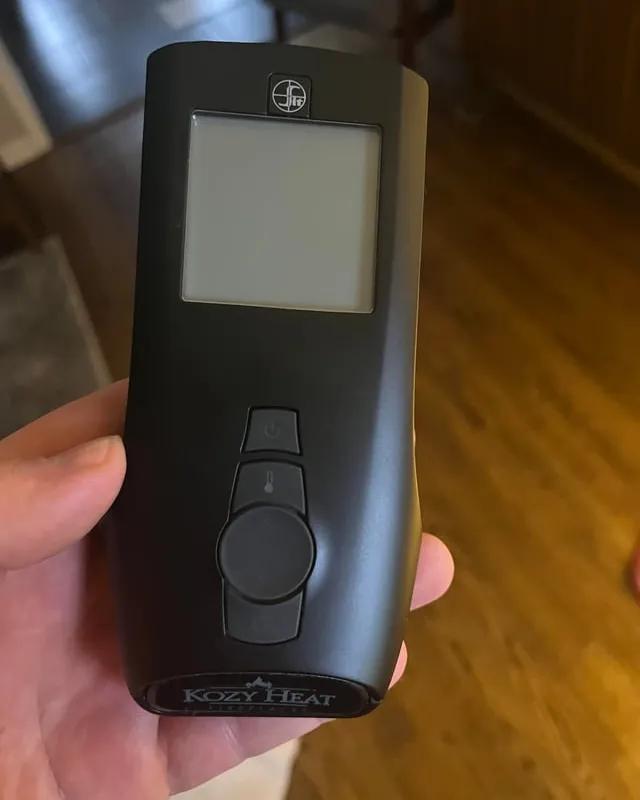
Signal blocking is a common issue when furniture or metal objects sit between the remote and the fireplace receiver. The remote sends a radio frequency signal to the receiver box, which is usually located in the lower cabinet of the fireplace. If the signal path is obstructed, the unit won’t receive the command to ignite or adjust the flame.
To rule this out, stand within 3 feet of the fireplace and point the remote directly at the receiver box. If the fireplace responds at this close range but fails from across the room, you’re likely dealing with signal interference. Large metal appliances, mirrors, or heavy stone fireplace surrounds often reflect or dampen the radio signal.
If the remote still doesn’t work while you’re standing close, check for other wireless devices nearby. Routers, cordless phones, or smart home hubs sometimes operate on similar frequencies and can create noise that masks the remote signal. Turn off nearby wireless devices temporarily to see if the fireplace regains control.
If your remote uses a dip-switch system, check if the settings on the transmitter match the receiver exactly. A mismatch here acts like a language barrier, causing the fireplace to ignore commands even when the path is clear. If the remote works only when you’re right next to the unit, you may need to relocate nearby electronics to clear the airwaves. If the failure persists at arm’s length, the issue is likely a failing receiver antenna rather than external interference.
Syncing and pairing faults
A loss of communication between the remote and the receiver box often happens after a power surge or a long period without use. The receiver box must be “paired” or “synced” with the remote so it knows which signal to obey. If the receiver has lost this memory, it will ignore all inputs from the controller.
To test for a sync error, look for a “learn” or “sync” button on the receiver box located inside the fireplace cabinet. Press this button until you hear a beep or see a light flash, then press the “on” or “mode” button on your remote. If the fireplace clicks or ignites, the devices have successfully re-paired.
If the system doesn’t respond to the sync attempt, turn off the fireplace power at the wall switch or circuit breaker for 60 seconds. This forces the receiver box to reset its internal memory. After you turn the power back on, try the pairing process one more time.
Most users mistakenly replace the remote batteries first. If the remote screen is active, the batteries are fine; the issue is almost always the receiver’s memory. If the receiver remains silent despite multiple attempts, check the antenna wire. If the wire is kinked or touching metal, it can’t receive the signal. Straighten the wire and keep it away from other electronics. If the receiver still fails, the internal electronics have likely reached the end of their service life.
Rare hardware failures
Receiver box burnout often stems from power surges or moisture infiltration. If the unit emits an acrid, ozone-like smell or shows blackened components, the internal board is compromised. Disconnect the power immediately to prevent further electrical damage, as this component requires a full replacement rather than a patch.
Remote internal damage typically occurs after a sharp impact on concrete or tile. If the remote screen remains blank despite fresh batteries, check the battery terminals for corrosion. If the terminals are clean but the device remains unresponsive, the internal antenna or motherboard is likely fractured. This is a non-repairable fault for a standard user.
Gas supply issues present as a remote signal that triggers a click but no flame. First, verify that the main gas valve is fully open and that no air remains in the line. If the pilot light fails to ignite after three attempts, stop. Any issue involving the gas valve, pilot assembly, or internal firebox wiring requires a licensed gas technician to ensure safety and code compliance.
What a professional repair involves

Fixing a persistent fireplace issue usually requires a technician to test the electrical continuity of the receiver and the gas valve. If the remote and receiver are both functioning, the expert will check the pilot light assembly and the wiring connections behind the control panel. This work is similar in complexity to diagnosing a failed thermostat in a home furnace.
Expect the technician to spend at least forty-five minutes on basic diagnostics before they even identify the faulty component. If the pilot light thermocouple is the culprit, the repair is simple and inexpensive. However, if the main control board has suffered a power surge, the entire assembly may require replacement.
The time needed for a repair depends on whether the technician has the specific part in stock. If the receiver box is obsolete, they may need to install a universal control kit. Always ask for a quote before any work begins, as costs vary based on the model and parts availability.
If your fireplace produces a clicking sound but no flame, check the batteries in the receiver box first. Replacing these often resolves the issue for a modest cost. If the clicking persists, call a professional immediately to avoid gas buildup.
Related guides
- 10 Best Dimmer Switches for Precise Light Control in 2026
- 10 Best HomeKit Light Bulbs for Smart Lighting Control in 2026
- 10 Best Light Bulbs With Google Home for Smart Control in 2026
Frequently asked questions
How long do batteries usually last?
Batteries typically last for a duration that depends on how often you adjust the flame settings, and you should consult the owner’s manual for guidance on when to replace them. If you use the remote to change the temperature frequently, the power will drain faster than if you only use it to turn the unit on and off. You should replace the batteries based on your usage to prevent them from leaking inside the remote.
Is it safe to replace the receiver box myself?
No, it isn’t safe for a non-professional to replace the receiver box because it involves working with the fireplace’s internal electrical wiring and gas controls. If you disconnect the wrong wire or fail to reseal a gas connection, you could cause a gas leak or a fire hazard. Always hire a certified technician for any repairs involving the internal components of the firebox.
Why does the remote screen flash?
A flashing screen usually indicates that the battery voltage is low and the remote is struggling to maintain a steady connection. Replace both batteries with fresh alkaline cells to stop the flashing and restore full functionality. If the screen continues to flash after you install new batteries, the remote’s internal processor may have a fault that requires a replacement controller.
What happens if I lose the remote?
You can order a replacement remote from an authorized dealer by providing your fireplace model number and serial number. The manual or the sticker inside your fireplace cabinet lists these details, which are necessary to ensure the new remote uses the correct frequency for your specific receiver. Never buy a generic remote from a third party unless it explicitly states it’s compatible with your specific Mendota model.
Does the distance from the remote matter?
Yes, the remote works best within a range of 20 feet when there are no obstructions between the controller and the receiver box. If you find you must stand closer than 5 feet for the signal to register, your batteries are likely weak or there’s significant radio interference in your living room. If your remote uses infrared technology, ensure you’re pointing it toward the fireplace, not the ceiling or walls.
How do I know if the receiver is broken?
The receiver is likely broken if you have successfully installed fresh batteries and completed the sync process, but the fireplace still shows no sign of activity. If you hear no clicking sound from the receiver when you press a button on the remote, the internal board has likely failed. A professional technician must confirm this by testing the unit with a known working remote or a diagnostic tool.
Conclusion
If your fireplace still won’t ignite after you’ve checked the power, there might be a deeper issue with the receiver or the wiring. Don’t hesitate to reach out to a certified technician if you’re unsure about the internal components. They’ll help you get your home feeling cozy and warm again quickly.
