
When a toilet flange breaks, the most reliable way to restore a seal is by installing stainless steel or PVC best toilet flange repair kits that bridge the gap between the pipe and the subfloor. These kits work by creating a new, rigid mounting surface for your toilet bolts. If your flange is only cracked in one spot, you can often use a simple metal repair plate to secure the bolt without replacing the entire unit.
Causes of a Damaged Toilet Flange
A damaged flange usually happens because of shifting subfloors or improper installation of the toilet itself. If the floor under your toilet isn’t level, the toilet rocks every time someone sits on it. This constant movement puts stress on the flange, which is meant to hold the toilet still, not support the weight of the user. Over time, the plastic or metal ring snaps or the screws pull out of the wood.
Another common cause is overtightening the closet bolts. When you tighten the nuts too far, you pull the flange upward, which can crack the plastic rim or bend the metal slots. If the flange sits too low below the finished floor level, the wax ring can’t create a proper seal.
This allows water to leak out during every flush, which eventually rots the subfloor beneath the pipe. You can verify the height requirements for your specific plumbing setup by checking the International Residential Code guidelines on drainage and venting.
If you notice a persistent smell of sewer gas or water pooling at the base of the toilet, these are clear signs that the connection has failed. If the flange is still mostly intact but the bolt slots are broken, a repair plate is your best choice. If the pipe itself is damaged or the flange is completely detached, you’ll likely need a more complex internal repair kit that expands inside the drain pipe.
Installing a Stainless Steel Repair Plate
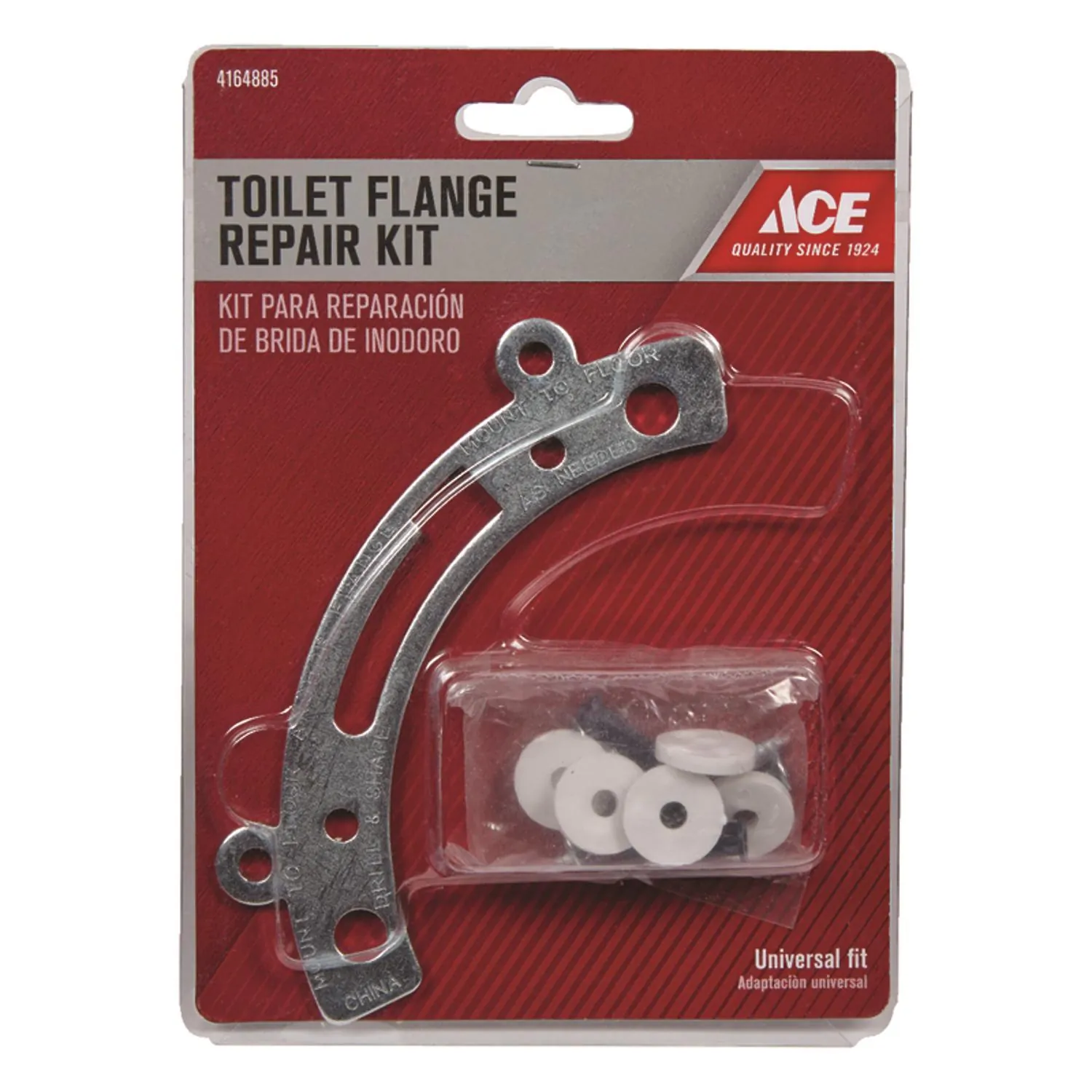
This fix is for when the flange is structurally sound but the bolt slots have broken off. You need a metal repair plate that fits over your existing flange. First, turn off the water supply and flush the toilet until the tank and bowl are empty. Remove the nuts from the closet bolts and lift the toilet off the floor.
Clean the old wax ring off the flange completely. Place the stainless steel repair plate over the broken slots and secure it to the subfloor with heavy-duty wood or concrete screws. Use at least four screws to ensure the plate remains anchored under the weight of the porcelain. Make sure the plate sits flat against the floor so the toilet base won’t wobble when you reinstall it.
If your subfloor is rotted or soft, the screws will pull loose within weeks. In this case, you must cut out the damaged wood and install a plywood patch before securing the repair plate. Once the plate is fixed, slide new closet bolts into the slots and press a new wax ring onto the flange.
Lower the toilet carefully onto the bolts, tighten the nuts by hand, and then turn them just a quarter-turn more with a wrench. Over-tightening often cracks the porcelain base, costing you a full toilet replacement. If the toilet still wobbles after tightening, use plastic shims to stabilize the base. Never use metal shims, as they will rust and stain your flooring.
Best Toilet Flange Repair Kits to Use
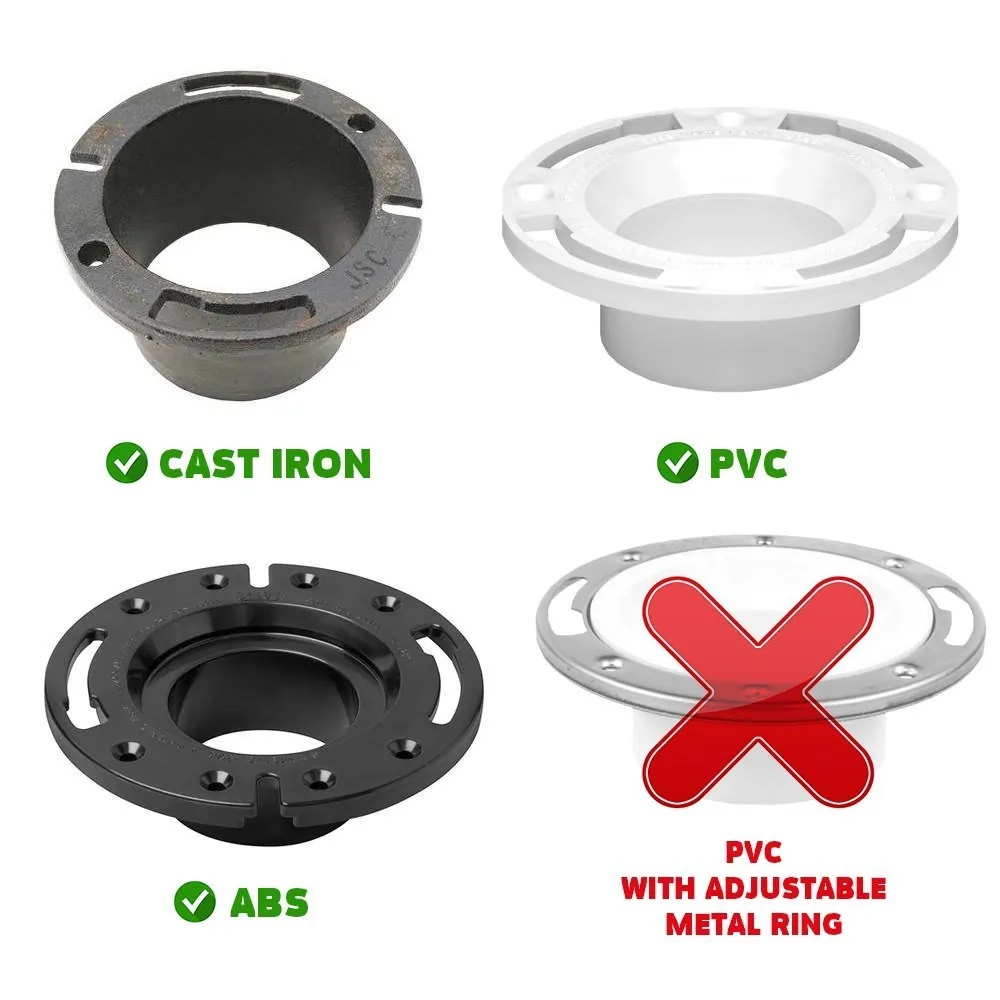
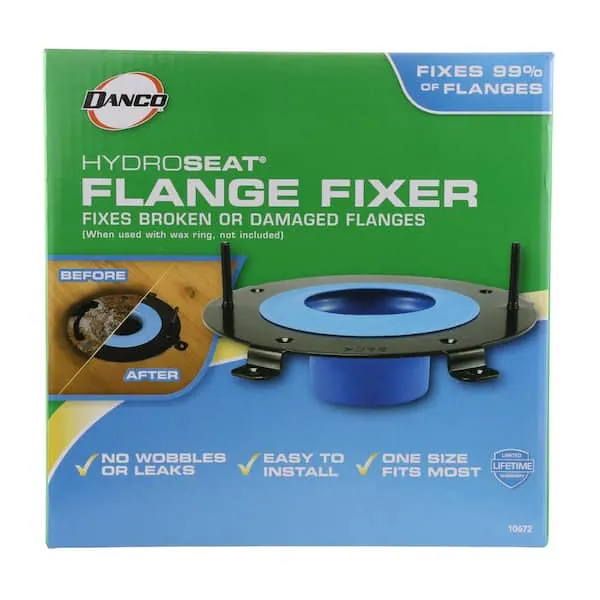
Choose this method if the original flange is too damaged to support a repair plate. This kit fits inside the existing drain pipe and expands to lock in place. It’s ideal for situations where you can’t easily access the plumbing from below the floor. This is a more permanent fix, but it requires that your drain pipe is a standard size, usually 3 or 4 inches in diameter.
Measure the inside diameter of your pipe before you buy a kit. If you have a 3-inch pipe, you must buy a 3-inch kit; a 4-inch kit won’t fit. Insert the kit into the pipe and use the provided bolts to tighten the internal gasket until it’s snug against the pipe walls. Don’t overtighten, or you might crack the drain pipe itself.
Once the flange is locked, mount your toilet using the new integrated bolt slots. This fix isn’t for beginners who are uncomfortable using basic hand tools, as you must ensure the seal is airtight to prevent sewer gas leaks. If you feel unsure about your ability to create an airtight seal, contact a licensed plumber.
Repairing a Low-Profile Flange Gap
A flange that sits too low often causes leaks because the wax ring can’t bridge the distance to the toilet horn. You can fix this by installing a flange extension or a thick, reinforced wax ring with a plastic horn. If the gap is less than half an inch, a jumbo wax ring is often enough to bridge the distance. If the gap is larger, you must use a mechanical flange extender.
This fix is for those who have a solid flange butted against a floor that was raised by tile or wood. First, ensure the surface is clean and dry. Apply a bead of silicone sealant around the base of the extension to prevent moisture from getting under the flange.
Bolt the extender firmly to the original flange using the manufacturer’s provided hardware. The extension should provide a stable, level surface for your new wax ring. Always check that the toilet base is fully supported on the floor; if the toilet rests only on the flange extender, it will quickly crack the new parts.
Mistakes to Avoid During Repair
Avoid these common errors that often lead to recurring leaks or structural damage:
If the toilet wobbles, use plastic shims to stabilize the base.
Never reuse a compressed wax ring. Once crushed, the wax loses its elasticity and can’t reseal the gap. If you pull the toilet, always buy a fresh ring to guarantee a watertight bond.
Test the subfloor by pressing firmly with a screwdriver. If the wood feels soft or spongy, a repair kit will fail because the fasteners have no anchor. You must replace the rotted section with marine-grade plywood before installing the new flange.
Tighten bolts only until the toilet feels firm. Extra force snaps the flange or cracks the porcelain base. If you feel resistance, stop immediately. A quarter-turn past hand-tight is the maximum force required to secure the unit without causing catastrophic damage.
Preventing Future Flange Issues
Keep your toilet and flange in good condition by checking for stability once every year. If you feel any movement, stop using the toilet and check the bolts.
Ignoring a rocking toilet leads to a broken flange seal, which eventually causes water to seep into your subfloor. Shim the base immediately to prevent this structural damage. If you encounter a tight bolt, don’t force it. Instead, check the floor for level; force often leads to cracked porcelain, a mistake that costs hundreds in replacement parts.
Always buy a new wax ring when resetting a toilet. An old wax ring can’t form a reliable seal because it has already compressed to the shape of the previous flange. Using thick grout under the toilet base is another common error. This practice hides leaks until the floor is already rotting.
Use plastic shims for stability instead. If you see water pooling near the base, pull the toilet immediately. If the flange sits below the floor level, use an extra-thick wax ring to bridge the gap.
Related guides
- 10 Best Wood Fillers for Screw Holes: Expert Picks for Repairs in 2026
- How to Repair Water Damaged MDF Table Top: A Step-by-Step Guide
- Too Much Clarifier in Pool: How to Fix It Safely in 2026
Frequently asked questions
How long does a flange repair last?
A high-quality repair can last 10 to 20 years if the toilet remains stable and the floor stays dry. Moisture from leaks causes flange screws to rust and loosen prematurely.
Can I repair a flange without removing the toilet?
No, you can’t repair a flange without removing the toilet because you need full access to the flange and wax ring. Removing the toilet is the only way to inspect for cracks or subfloor rot. Attempting external fixes prevents you from ensuring an airtight seal.
Is it safe to use a repair plate on a PVC flange?
Yes, it’s safe to use a stainless steel repair plate on a PVC flange if the plastic remains intact. The plate distributes pressure to prevent further cracking. If the PVC is too brittle to hold screws, the flange must be replaced entirely.
How do I know if my flange is broken?
You know your flange is broken if the toilet rocks when pushed or if water leaks from the base during a flush. Inspection often reveals bent, cracked, or missing sections of the flange ring. A stable flange is essential for keeping the toilet secure.
What happens if I don’t fix a broken flange?
A broken flange causes water to leak under your flooring, leading to severe rot in the subfloor and joists. This damage can result in extensive structural repairs. Additionally, a broken flange allows harmful sewer gas and odors to seep into your bathroom.
How much do repair kits cost?
Most repair kits are inexpensive compared to the cost of replacing damaged flooring. Simple metal plates are generally the most affordable option, while internal expansion kits with gaskets cost more. Prices vary based on the brand and the included hardware.
Conclusion
Proper maintenance prevents most common plumbing failures, keeping your bathroom floor dry and your toilet stable for many years.