
The most frequent reason for an iTouchless garbage can lid not working is low or depleted battery power, which prevents the motor from generating enough force to open the lid. You can confirm this quickly by checking the battery compartment for signs of corrosion or by installing a fresh set of high-quality alkaline batteries. If the unit remains unresponsive after this, the issue often relates to a sensor obstruction or a misaligned lid hinge that blocks the automatic motion.
Why your iTouchless garbage can stopped working
| Cause | How common | How to confirm it | Fix it yourself? |
|---|---|---|---|
| Low battery power | Very common | Check battery indicator light | Yes |
| Sensor obstruction | Common | Clean the sensor eye | Yes |
| Misaligned lid hinge | Occasional | Inspect hinge for debris | Yes |
| Internal gear jam | Occasional | Listen for motor strain | Yes |
| Electrical connection | Rare | Check internal wire plugs | No |
| Motor failure | Very rare | No motor sound | No |
Most users mistake a dying battery for a broken motor. If the lid moves sluggishly or stops halfway, swap the batteries before assuming a mechanical failure. Fresh cells provide the consistent voltage required to drive the motor.
If the sensor fails to detect motion, wipe the lens with a dry microfiber cloth. Avoid liquid cleaners, as moisture can cloud the infrared emitter and cause the lid to stay open indefinitely.
When the lid sits crooked, check the plastic hinge pins for trapped hair or kitchen debris. A simple cleaning often restores the alignment. If you hear a high-pitched whine but the lid remains stationary, a gear is likely stripped. Don’t force the lid manually, as this snaps the plastic teeth.
If the unit is completely silent, check the battery contacts for corrosion. Use a pencil eraser to scrub away white oxidation. If the lid still doesn’t respond, the internal circuit board has likely failed, which requires a full replacement.
Low battery power and compartment issues
Battery depletion is the primary cause of motion-sensor failure in automatic trash cans. When the voltage drops below the threshold required by the motor, the lid may move slowly, stall halfway, or fail to open entirely. Because these devices rely on consistent power to signal the sensor and drive the gears, even a small drop in voltage can lead to inconsistent operation.
To test this, remove the existing batteries and inspect the metal contacts inside the compartment for white or green powdery buildup. If you see this corrosion, it interferes with the electrical flow and must be wiped away with a dry cloth or a cotton swab dampened with a small amount of white vinegar. Always use fresh alkaline batteries from the same brand and pack, as mixing old and new batteries can cause the motor to receive uneven power.
If the lid still doesn’t respond after installing new batteries, check the orientation of each cell against the diagram inside the compartment. Even a single battery placed backward will prevent the circuit from completing. If the unit is still dead after verifying the power, the issue likely resides in the internal circuitry.
Sensor blockages and environmental interference
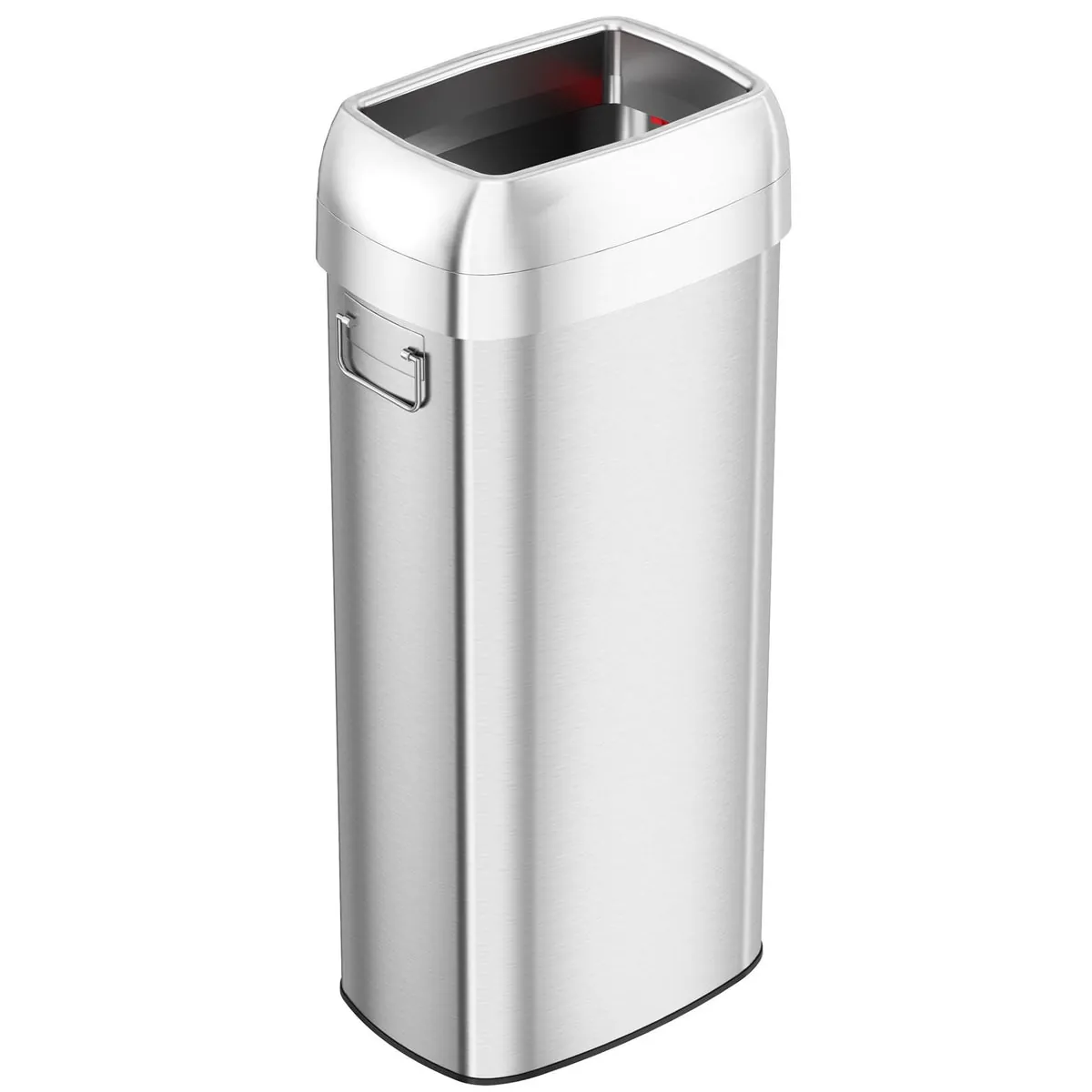
Sensors often fail to trigger because dust, liquid, or debris covers the infrared eye, which sits on the front or top of the lid. This sensor emits a signal that bounces off your hand; if the surface is dirty, the signal can’t return to the receiver, causing the lid to stay closed. You can tell this is the cause if the indicator light flashes or stays red instead of turning green when you wave your hand.
Clean the sensor area using a soft, dry microfiber cloth to remove fingerprints and dust. Avoid using harsh chemical cleaners or water directly on the sensor, as moisture can seep into the housing and damage the electronics. If the trash can sits in direct sunlight or near a bright light source, the infrared interference can confuse the sensor, making it think an object is already present or absent.
Move the unit to a shaded area or away from direct light to see if it begins to function again. If the sensor remains unresponsive after cleaning and relocation, the internal sensitivity may be permanently blocked by internal debris. Never attempt to pry open the sensor housing itself, as this can snap the plastic tabs and void any remaining warranty.
Mechanical obstructions and hinge alignment
A misaligned lid hinge or a physical obstruction prevents the motorized arm from completing its cycle. You can distinguish this from an electrical failure by listening for the motor; if you hear the motor whirring but the lid doesn’t move, the mechanical linkage is likely stuck or disconnected. Check the underside of the lid for loose trash or buildup that might be physically pinning the mechanism down.
Remove any trapped debris from the hinge area using tweezers or a blunt tool. If the lid appears crooked, gently check if the hinge pins have popped out of their tracks. If the lid was forced open manually while the motor was engaged, the internal gears may have stripped or slipped out of alignment. In such cases, the motor will continue to run, but the torque won’t transfer to the lid, resulting in a permanent mechanical failure.
If the motor emits a high-pitched whine without movement, the gear teeth are likely sheared. This happens when users press down on the lid to close it forcefully rather than letting the motor engage. If you feel resistance when moving the lid by hand, stop immediately. Applying pressure when the motor is stalled will snap the plastic drive arm.
If you can’t clear the blockage by hand, don’t force the lid further. If the motor sounds strained or makes a rhythmic clicking noise, the internal mechanism requires professional repair or a replacement lid assembly. Always remove the batteries before inspecting the gear housing to prevent accidental activation while your fingers are inside the mechanism.
Less common technical failures
Internal wire disconnection: The wires connecting the battery pack to the motor may have come loose during a fall or from frequent vibration. You must open the unit to inspect the terminals. If a wire has detached from the solder point, a simple touch-up with a soldering iron usually restores power.
Motor burnout: If the motor remains silent when you trigger the sensor with fresh batteries, the motor has likely failed. Check for a faint clicking sound; if you hear it but see no movement, the internal gears are likely stripped rather than the motor being dead.
Circuit board failure: A short circuit caused by moisture can render the control board unresponsive. If the board shows visible corrosion or a burnt, acrid smell, it’s non-repairable.
Limit switch failure: The tiny switch that tells the motor to stop moving may be stuck. If the motor runs continuously, the switch is likely jammed in the closed position. Gently clean the switch with compressed air to clear trapped debris.
What a professional repair involves
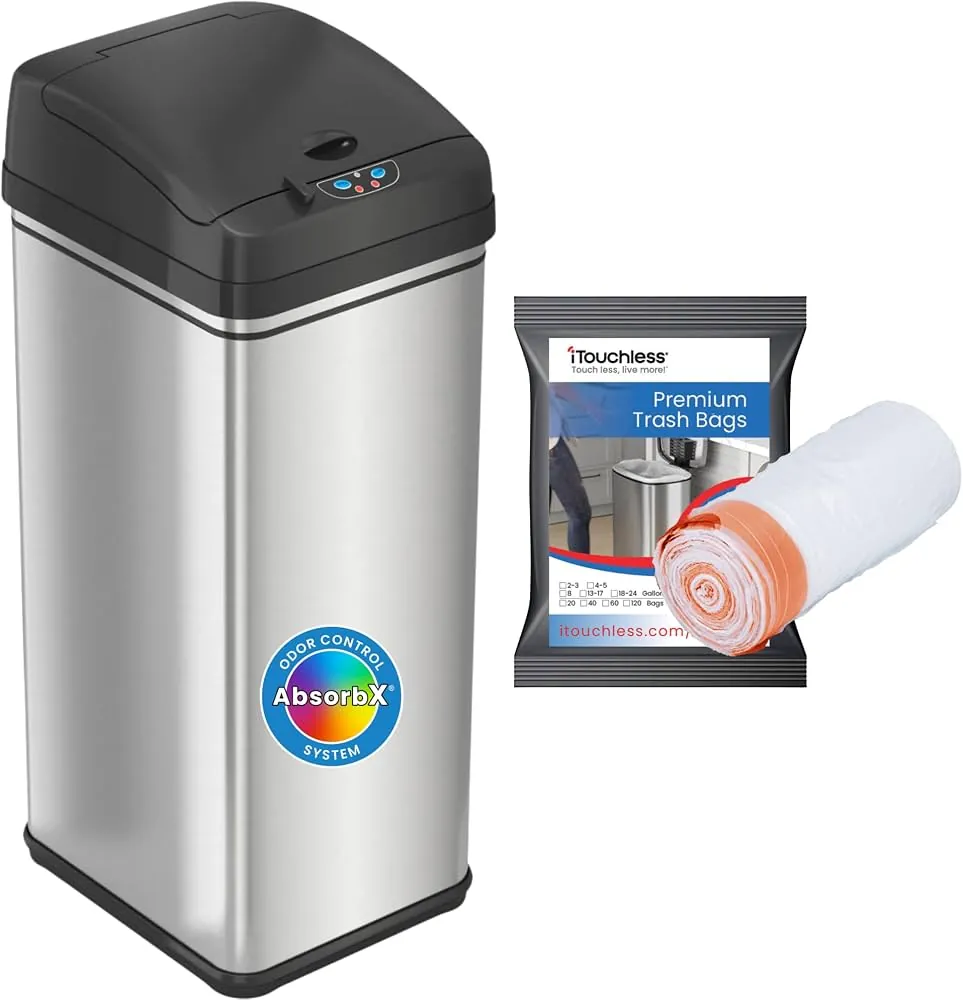
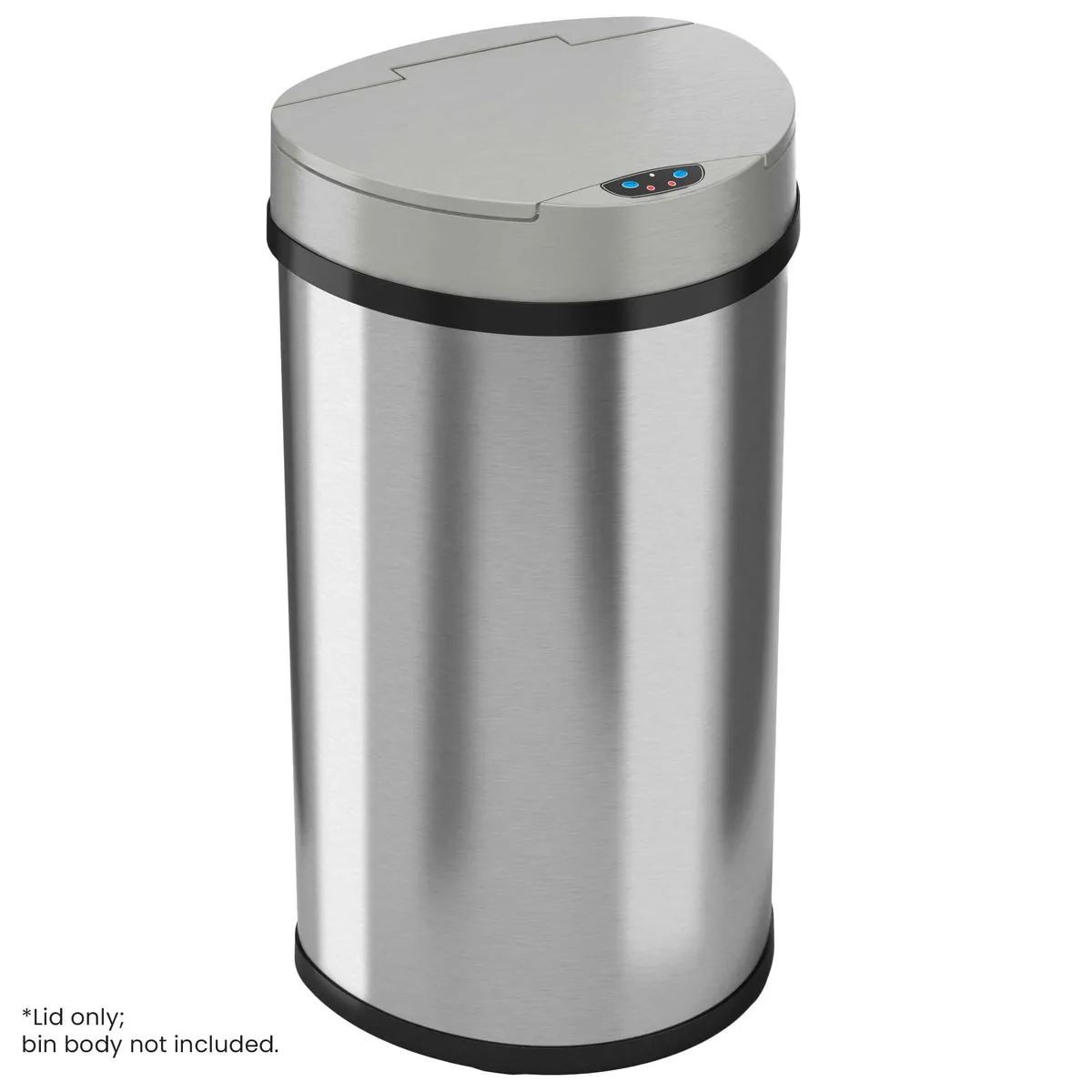
Fixing an iTouchless lid usually involves replacing the entire motorized lid assembly rather than repairing individual internal components. Because the electronics are factory-sealed to protect against moisture and odors, opening the housing requires specialized prying tools that most households don’t possess. Attempting to force the casing open often snaps the plastic tabs, rendering the unit permanently unusable.
If the motor or the main circuit board fails, professional labor costs typically exceed the price of buying a new lid assembly directly from the manufacturer. You should compare the cost of a replacement lid against the price of a full bin. If the bin body remains in good condition, buying only the replacement top is the most efficient way to restore function.
Check your warranty status on the original receipt or the manufacturer’s website before purchasing parts. If the unit is under warranty, the company may provide a replacement lid at no cost. This is significantly cheaper than paying for a third-party repair service or out-of-pocket parts.
If the lid fails to open but the motor still hums, the issue is likely a misaligned gear rather than a dead board. In this specific case, you can often fix the unit by manually resetting the lid hinge. If the unit is completely silent, the board is likely fried and requires a full assembly replacement.
Frequently asked questions
How long do the batteries typically last?
Batteries usually last between 3 to 6 months depending on the frequency of use and the quality of the batteries installed. If your lid opens dozens of times per day, you should expect to change them closer to the 3-month mark. Always use fresh, name-brand alkaline batteries to ensure the motor receives the consistent voltage required for smooth operation.
Is it safe to use water to clean the lid?
You should never use running water or spray cleaners directly on the lid, as the electronics inside aren’t waterproof. Use a damp cloth to wipe the exterior, but keep the sensor and the battery compartment completely dry. Moisture entering the housing is the most common cause of permanent circuit board failure.
Why does the lid open and close on its own?
Ghost movements often happen because the sensor is dirty or because the trash can is placed too close to a wall or another object. Try moving the bin at least 10 inches away from nearby surfaces to prevent the sensor from bouncing signals off walls. If the problem persists, clean the sensor eye thoroughly with a dry microfiber cloth.
Does it matter if I use rechargeable batteries?
Rechargeable batteries often provide lower voltage than standard alkaline batteries, which may cause the lid to move slower than expected. While they can work, the motor may struggle to lift the weight of the lid if the rechargeable cells aren’t fully charged. If you notice sluggish performance, replace them with high-quality alkaline cells to see if the speed improves.
What happens if I force the lid open?
Forcing the lid open by hand can strip the plastic gears inside the motor housing or snap the hinge pins. Because the motor is designed to control the movement, any manual resistance puts extreme pressure on these fragile internal parts. If you must open the bin manually, look for a manual override switch or button if your specific model includes one.
Can I repair the internal motor myself?
You shouldn’t attempt to repair the internal motor yourself, as the housing is factory-sealed and contains delicate electronic components. Opening the casing often breaks the plastic clips that hold it together, and it risks damaging the wiring. Contact the manufacturer’s support team to see if they offer a replacement lid assembly for your specific model number.
Conclusion
If these quick fixes don’t get your bin moving again, don’t worry. You should reach out to the manufacturer’s customer support team for further guidance or warranty assistance. They’ll help you determine if you need a replacement motor or a new sensor unit, so you won’t be stuck with a broken lid for long.
