
Clutches connect engine power to the wheels so a driver can change gears without stalling. This guide explains how a clutch works, how to replace one, what it costs, and how to spot wear before it leaves you stranded.
What a clutch does
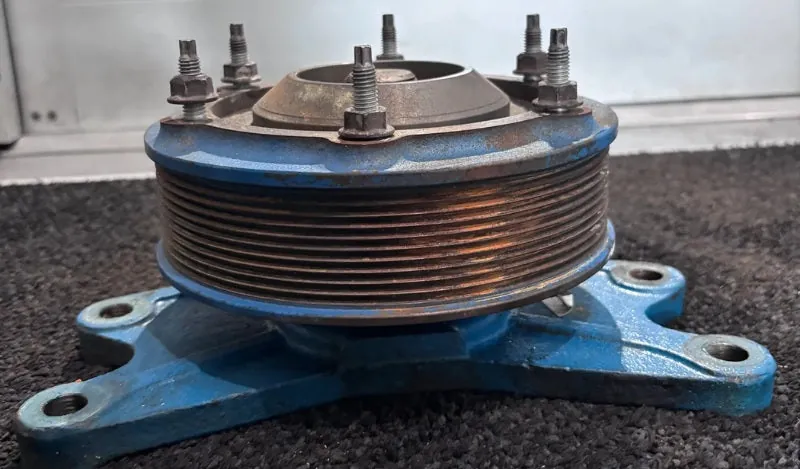
A clutch acts as a mechanical bridge between the engine and the gearbox. It disconnects engine power from the wheels, allowing you to shift gears or stop without stalling the motor. When you press the pedal, the pressure plate pulls away from the friction disc, severing the link. Releasing the pedal forces them back together, transferring torque to the transmission.
Most drivers ignore the clutch until it slips or sticks. A common mistake is treating the pedal like an on-off switch during acceleration. This habit causes premature wear on the friction material, which is costly to replace due to the labor required to access the transmission. Instead, aim for a smooth, progressive release once you find the bite point.
If you smell a faint, burning odor after pulling away on a hill, you’re likely riding the clutch too long. If the engine revs climb without a corresponding increase in speed, the friction disc is worn thin. In that case, replace the entire assembly immediately to avoid damaging the flywheel.
How to replace a clutch
- Disconnect the battery and jack the car up on secure stands.
- Remove the wheels and the driveshafts or axles.
- Unbolt the gearbox and lower it away from the engine.
- Remove the old clutch disc, pressure plate and release bearing.
- Fit the new clutch kit and tighten every bolt to the torque the kit lists.
- Refit the gearbox, reconnect everything, and lower the car.
- Bleed the clutch hydraulic line if you opened it.
The one judgement call that separates a good job from a bad one is alignment: if the clutch disc isn’t centred on the flywheel, the gearbox won’t slide back on and you’ll have to start over.
Clutch parts and costs at a glance
| Situation | What to use | How long | What to watch for |
|---|---|---|---|
| Standard car clutch kit | Disc, pressure plate, release bearing | 4-6 hours labour | Correct kit for your engine |
| Heavy-duty or towing clutch | Reinforced pressure plate | 5-7 hours labour | Pedal may feel heavier |
| Self-adjusting cable clutch | New cable with adjuster | 1-2 hours | Free play set to spec |
| Hydraulic clutch bleed | Fresh brake fluid | 30-60 minutes | No air in the line |
| Flywheel resurface or replace | Machined or new flywheel | Adds 1-2 hours | Must meet run-out spec |
Signs your clutch is wearing out

A slipping clutch means engine revs rise without the car speeding up. Test this in third gear at low speed on a flat road.
If the engine races but the car barely pulls, the friction material is gone. A juddering pull-away often points to oil on the clutch disc or a warped flywheel.
That vibration happens because the contaminated surface can’t grip evenly. A pedal that sticks to the floor usually means a failed clutch cable or a leak in the hydraulic system.
Check the fluid reservoir near the firewall first. If it’s empty, you have a hydraulic leak rather than a worn disc.
A burning smell after hard use means the disc is overheating. Drivers often mistake this for brake dust after a steep descent.
Clutch burn smells sharper and lingers inside the cabin. If you notice any of these, get it checked before the car won’t move at all.
Rules and safety
Clutch replacement isn’t regulated like brakes or emissions, but the work must be done safely. The car must sit on proper jack stands—never on a jack alone—and the battery must be disconnected before you work near the starter motor. A floor jack can fail under the weight of a transmission, leading to a crushed limb or a punctured oil pan.
If the job requires a transmission jack, a torque wrench, or lifting the gearbox out, and you lack these tools, take the car to a qualified mechanic. A mistake here can leave the car undrivable or cause injury if it falls. If you’re working on a front-wheel-drive vehicle, you must also drain the transaxle fluid first to prevent a hazardous spill during removal.
If the clutch pedal feels spongy or refuses to return after installation, don’t force it. This indicates trapped air in the hydraulic line, which requires a full bleed before you attempt to start the engine.
Keeping a clutch working
A clutch lasts as long as your driving lets it. Highway miles are easy on it; stop-and-go traffic, towing, and resting your foot on the pedal wear it faster. There’s no set mileage at which every clutch must be replaced — some last well over 100,000 miles, others fail far sooner.
The sign it’s due is slipping, judder, or a pedal that no longer feels right. If you accelerate in a high gear and the engine revs climb without a corresponding increase in speed, your friction disc is already compromised. Don’t wait for a total failure, as a glazed or burnt disc can score the flywheel, doubling your repair bill.
Avoid riding the pedal, and don’t use the clutch to hold the car on a hill; use the brake or the handbrake instead. If you must hold the car stationary, shift into neutral and release the pedal entirely. This simple habit prevents the throw-out bearing from spinning needlessly, which saves both the bearing and the pressure plate fingers from premature heat damage.
When a clutch job is the wrong choice

If the clutch is fine but the gearbox crunches into gear, the problem is likely worn synchronizers, not the clutch itself. Replacing the clutch won’t fix this mechanical failure. You can diagnose this by shifting into gear while the engine is off; if it slides in smoothly, the issue is internal transmission wear, not the clutch assembly.
If the pedal feels soft but there’s no external fluid leak, the master or slave cylinder seals have likely failed. Replacing the entire clutch when only the hydraulic system needs a rebuild is a costly mistake that ignores the root cause of the pressure loss.
On a car with high mileage and a rusty subframe, the labor cost of a clutch job can approach the total value of the vehicle. If a mechanic notes structural corrosion during the inspection, stop the repair. The cost of fixing the subframe often exceeds the car’s remaining market value.
Frequently asked questions
How long does a clutch last?
It depends on how you drive and what you carry. Many clutches last well over 100,000 miles, but towing or heavy city traffic can cut that short. Watch for slipping or a burning smell as the warning signs.
Can I drive with a slipping clutch?
No. A slipping clutch will get worse quickly and can leave you stranded, and it can also damage the flywheel. Get it replaced as soon as you can.
Is it safe to replace a clutch myself?
Only if you have jack stands, a torque wrench, and experience working under a car. If you do not, use a qualified mechanic.
What happens if I ride the clutch pedal?
The disc slips constantly and wears out far faster than normal. Keep your foot off the pedal unless you’re shifting.
How much does a clutch replacement cost?
The price varies by car and labour rates where you live. Parts and labour represent a significant investment; ask a local shop for a quote.
Why does my clutch pedal stick to the floor?
It usually means a broken clutch cable or a leak in the hydraulic system. Check for fluid under the car and have it inspected.
Conclusion
Clutches wear at different rates depending on your car, your load, and how you drive — your own pedal feel and any slipping are the best indicators of when it’s time for a new one.
