
Electronic circuit breakers monitor current with sensors and automatically cut power when a fault occurs. They function by using a microcontroller to compare real-time data against safety thresholds. If the current exceeds these limits, the controller activates a solenoid to open the contacts, stopping the flow of electricity to protect wiring and connected devices.
How electronic circuit breaker components work
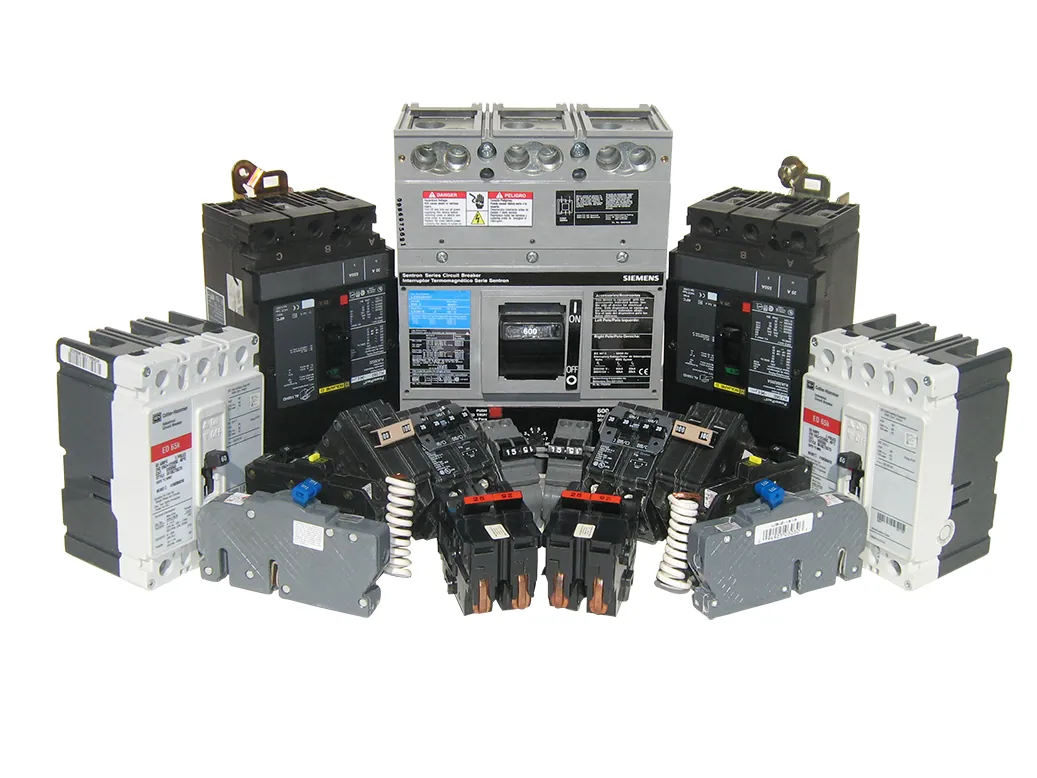
You can identify the health of your system by watching how these parts behave during normal use. If you notice strange sounds or physical damage, it often points to a failure in one of these specific areas. Refer to your device documentation for the exact location of these parts, as they vary by manufacturer and model.
| Part or input | What it does | What you notice when it goes wrong |
|---|---|---|
| Current sensor | Measures flow intensity | Incorrect readings or nuisance tripping |
| Microcontroller | Processes safety logic | Total failure to trip or reset |
| Solenoid | Opens physical contacts | Mechanical buzzing or failure to click |
| Metal contacts | Conducts electricity | Visible sparking or burnt markings |
| Reset switch | Manually restores power | Loose feel or failure to stay on |
If the breaker hums continuously while the system is idle, have a licensed electrician inspect the unit for replacement. A persistent buzz indicates the internal spring has lost its tension, which prevents the breaker from snapping open during a true surge.
Many users mistake nuisance tripping for a faulty sensor when the real culprit is oxidation on the metal contacts. If you see black pitting on the contact surfaces, the breaker must be replaced.
Apply this rule: if the device trips under load but resets easily, the sensor is likely calibrated correctly. If the device refuses to reset even when the circuit is cold, the microcontroller has likely suffered a thermal failure. In that case, don’t attempt a repair; replace the unit entirely to ensure your safety.
Steps for electrical power interruption
The sequence of events happens in milliseconds to ensure your home remains safe during a surge or short circuit. This speed is critical to preventing heat buildup in your walls.
- The current sensor measures the flow of electricity through the main line, checking for any spikes that exceed the breaker’s rated capacity in amperes.
- The internal microcontroller receives this data and compares it against the safety threshold, which is typically set at 125% of the rated load for continuous circuits.
- If the current stays above the limit for the programmed duration, the microcontroller sends a signal to the solenoid to initiate the disconnection process.
- The solenoid coil energizes, creating a magnetic force that pulls the mechanical latch, allowing the spring-loaded contacts to snap open almost instantly.
- The physical separation of the contacts creates an air gap that stops the electrical arc, effectively cutting off power to the downstream circuit.
- Once the fault is cleared, you must manually reset the switch, which forces the contacts back together and reconnects the circuit for normal operation.
Why circuit timing matters during faults
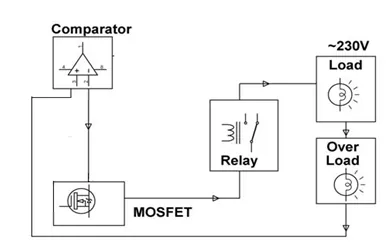
The primary reason for using electronic controls instead of older thermal designs is the precision of the trip time. Because electronic breakers use digital processing, they can distinguish between a harmless momentary surge and a dangerous short circuit. A motor starting up often creates a brief current spike that a standard thermal breaker might mistake for a fault, causing a nuisance trip. The electronic version ignores these harmless blips while reacting instantly to real electrical hazards.
Failure to trip during a true short circuit causes rapid heating in the copper wires behind your walls. This heat can melt insulation and lead to electrical fires, which is why the National Electrical Code sets strict standards for how quickly these devices must respond. If the electronic logic fails, the mechanical override is often the only thing left to protect the circuit.
If your breaker trips frequently, it usually means the total load on the circuit is too high for the wire gauge installed. You must identify if the trip happens during a specific appliance startup or if it’s random. If the trip is constant, you have a hard short circuit that requires a professional to locate.
Controlling your circuit protection
You have control over how your system handles loads, but the internal mechanisms are sealed for your safety. Never attempt to modify the sensitivity or trip settings of an electronic breaker.
What you can control
- The total wattage of appliances plugged into a single circuit.
- Keeping the breaker panel area clean, dry, and free of debris.
- Regularly testing the breaker using the physical test button provided.
- Ensuring the wire connections at the terminal lugs are tight.
What is fixed by design
- The factory-set trip curve that defines when the breaker reacts.
- The internal software logic that manages the sensor data.
- The physical gap distance between the internal power contacts.
If you suspect the internal logic is faulty, you must contact a licensed electrician to inspect the panel. A technician has the tools to verify if the breaker is failing or if there’s a deeper issue with your home wiring.
Habits for reliable power management
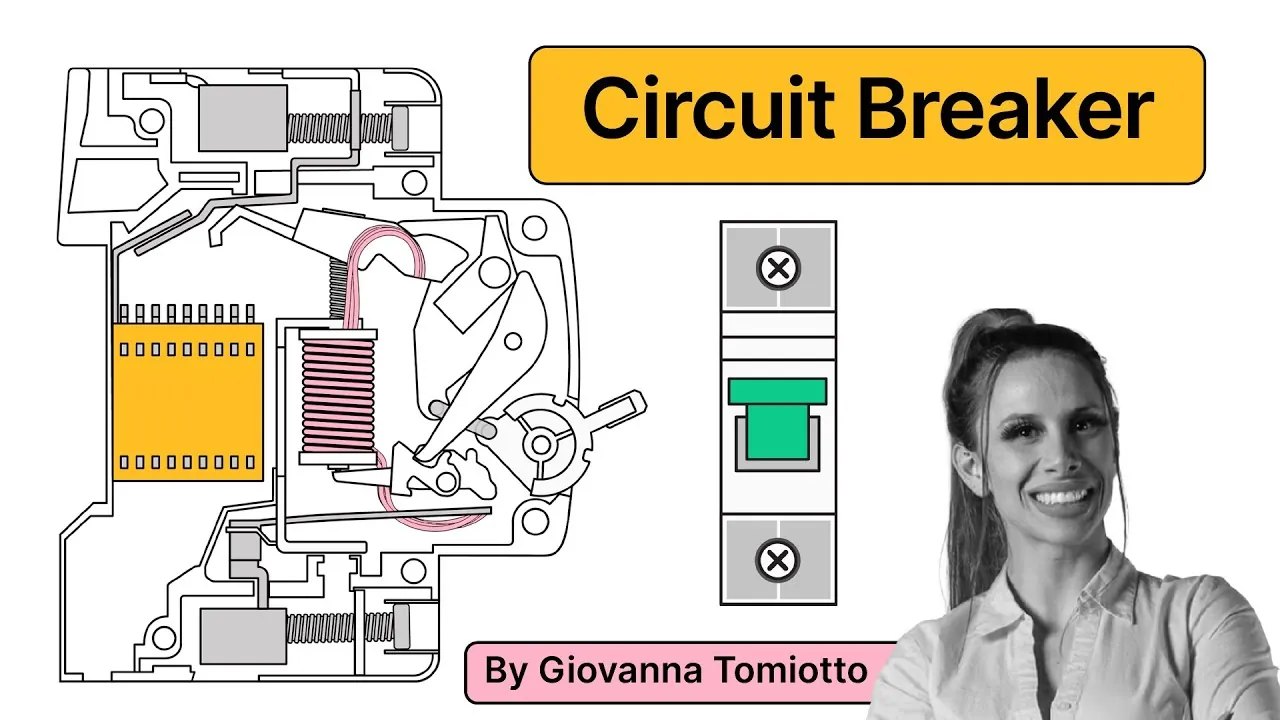
Maintaining your electrical panel ensures that your breakers remain responsive over their entire service life. You should make it a habit to check your panel every six months for signs of heat, such as discolored plastic or a smell of burning. If you find any, have a professional evaluate it immediately.
Avoid overloading circuits by calculating the total amperage of devices on one line. Most standard household circuits are rated for 15 or 20 amperes; if your total load exceeds this, the breaker will trip to prevent fire. To calculate your load, consult a professional technician to assess the system. If the result exceeds 80 percent of the circuit’s rated amperage, you’re pushing the system too hard.
If you find yourself resetting the breaker more than once a month, you likely need a new circuit installed for your high-power appliances. Always keep the area around your panel clear to allow for proper airflow. This prevents heat buildup, which can degrade the sensitive electronic components inside the breaker housing over time. If your panel feels warm to the touch, don’t wait for a trip; call an electrician to inspect the main lugs for loose connections.
Frequently asked questions
How long does an electronic circuit breaker last?
Most electronic circuit breakers are designed to last for a long period under normal residential conditions. You can check the specific expected lifespan in the manufacturer’s documentation provided with your electrical panel. Factors like high humidity and extreme temperature fluctuations can shorten this duration by causing premature corrosion of the internal sensors.
Is it safe to reset a breaker that tripped?
It’s safe to reset a breaker once, provided you have unplugged or turned off the devices that were running at the time. If the breaker trips again immediately after you reset it, you must stop trying to power it on. A recurring trip indicates a persistent short circuit that requires a licensed electrician to diagnose.
Does it matter if I use a different brand?
It matters because you must only use breakers that are tested and listed for your specific electrical panel model. You can find a list of compatible devices on the label inside the door of your panel. Using a breaker from a different manufacturer voids your warranty and creates a significant fire safety risk.
Why does my breaker buzz?
A buzzing sound usually means the internal contacts are loose or the solenoid is struggling to maintain its position. While a faint hum is sometimes normal, a loud or vibrating sound suggests the mechanical parts are failing. You should have a qualified professional inspect the unit to see if it needs a replacement.
Can I upgrade to an electronic breaker?
You can upgrade if your existing electrical panel supports the specific module you want to install. You must check the panel’s compatibility guide to ensure the busbar and the breaker interface match exactly. This work involves direct contact with live components, so it must be performed by a licensed electrician to remain code-compliant.
How do I know if the breaker is bad?
You know the breaker is bad if it fails to stay in the “on” position even when the circuit load is low. Before assuming the breaker is broken, verify that the circuit wiring itself isn’t damaged by checking for burnt outlets or frayed cords. If the wiring is perfect and the breaker still trips, the internal sensor is likely faulty.
Conclusion
Choosing the right protection for your home doesn’t have to be complicated. If you’re unsure about your current setup, it’s a good idea to consult a licensed electrician who can inspect your panel. They’ll help you ensure everything is running safely so you won’t have to worry about unexpected power issues.
