
A basic home espresso setup can cost as little as $150 for a simple pump machine, though serious hobbyists often spend between $800 and $2,500 for professional-grade gear. Because the cost of an espresso machine depends on the build quality, pressure stability, and manual features, you should focus on your daily volume rather than just the price tag.
These numbers change based on your preferred milk-steaming capability, the heating element technology, and whether you want a built-in grinder.
Choosing the right machine for your home
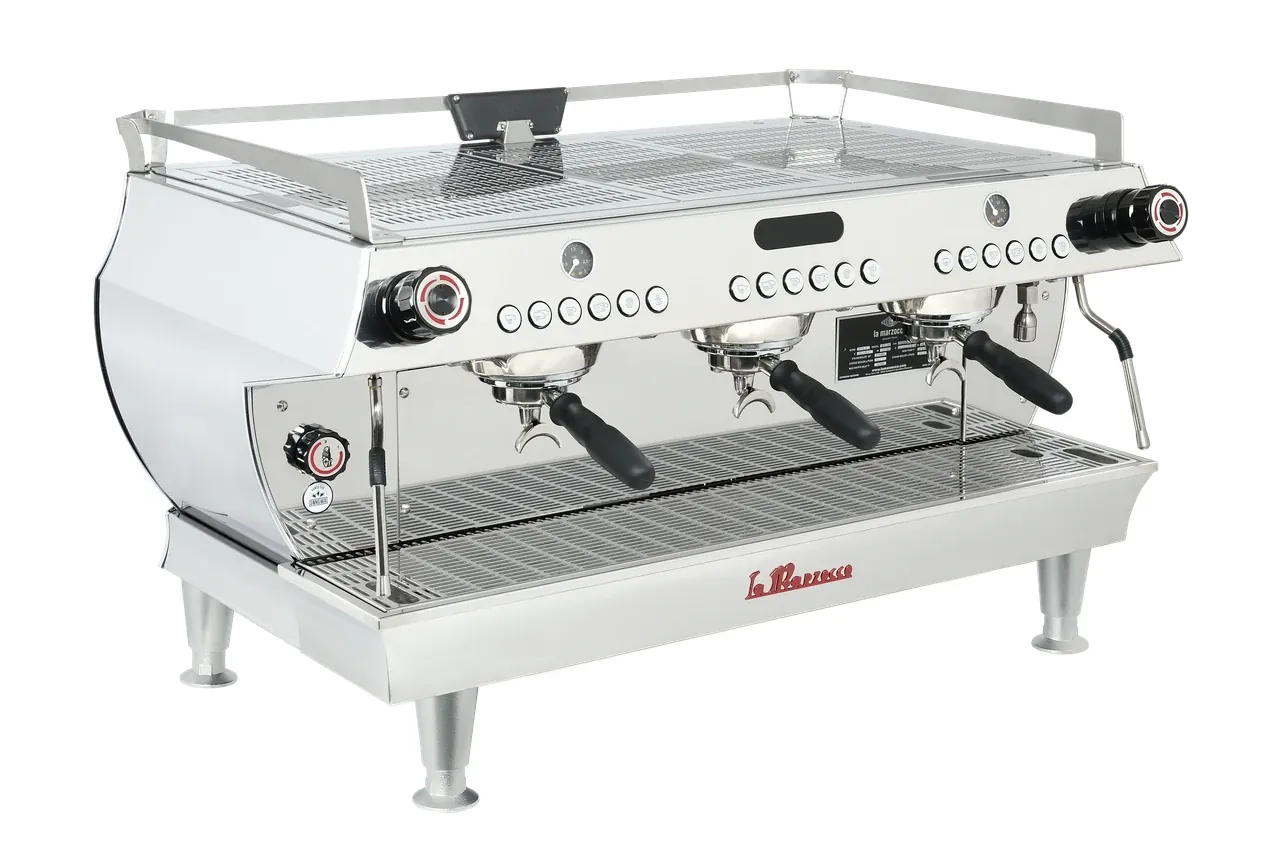
Most buyers who search for this information fall into one of three groups. The first group wants a quick, automated coffee to save money on daily cafe visits. They usually have a budget under $300 and value speed above all else.
The second group sees espresso as a hobby. They want to learn about grind size, tamping pressure, and extraction times. They typically look at machines in the $600 to $1,500 range. The third group is the prosumer. They demand commercial-grade parts and temperature stability, often spending upwards of $2,000.
This page serves the first and second groups best. It assumes you’re looking for a machine that can produce a consistent double shot at home. If you’re looking for a commercial setup for a cafe, you need a different guide that covers high-volume electrical requirements and health department regulations.
We assume you’re using a standard household electrical outlet. If you have a specific budget in mind, use the price ranges here as a guide for what features you can reasonably expect. Don’t pay for advanced features like dual boilers if you only drink one espresso a day.
Factors that change the price
The primary factor moving the price is the boiler system. Entry-level machines use a thermoblock, which heats water quickly but struggles with temperature stability. Mid-range machines use a single boiler, while high-end models use dual boilers that allow you to brew espresso and steam milk simultaneously. You can identify the system by checking the manufacturer’s technical specifications page.
Material quality also shifts the price significantly. Plastic housings are cheaper to produce but less durable than stainless steel or brass. A machine with a heavy, chrome-plated brass portafilter will hold heat better than a lightweight aluminum one. If the machine feels hollow or shifts on the counter when you lock in the portafilter, the manufacturer likely saved costs on the chassis.
Pressure stability is another critical cost driver. Cheap machines often use vibrating pumps that can be loud and inconsistent. More expensive models include a pressure gauge or an over-pressure valve that keeps the water flow steady at the ideal 9 bars. This is the difference between a bitter cup and a balanced one.
Finally, the grinder is a hidden cost. Many people make the mistake of buying an expensive espresso machine and a cheap blade grinder. You can’t pull a good shot with uneven grounds, regardless of the machine’s price. If you buy a machine without an integrated grinder, you must budget an extra $200 to $500 for a dedicated burr grinder.
How to use your espresso machine
- Place the machine on a flat, stable surface near a grounded outlet.
- Fill the reservoir with filtered water to the maximum line.
- Turn the machine on and wait for the “ready” light or temperature indicator.
- Grind 18 grams of fresh coffee beans into your portafilter basket.
- Level the grounds and tamp them down with 30 pounds of pressure.
- Lock the portafilter into the group head and start the pump.
- Aim for a yield of 36 grams of liquid in 25 to 30 seconds.
- Stop the pump when the stream turns from a dark brown to a pale yellow.
The judgment call that separates a professional result from a poor one is the “dialing in” process. If your shot runs too fast, your grind is too coarse; if it drips slowly or not at all, your grind is too fine. You must adjust the grind size in small increments until you hit the target time. The limit here is your own palate, as coffee freshness varies by roast date.
How Much an Espresso Machine Costs by Type
| Machine Type | Typical Price | Best For | What to Watch For |
|---|---|---|---|
| Entry-level pump | $150 – $300 | Beginners | Plastic parts |
| Mid-range single boiler | $500 – $900 | Enthusiasts | Heat-up time |
| Heat exchanger | $1,200 – $1,800 | Frequent users | Scaling buildup |
| Dual boiler | $2,000+ | Serious hobbyists | Electrical load |
| Super-automatic | $800 – $2,500 | Convenience | Cleaning complexity |
The jump from a single boiler to a heat exchanger changes how you make milk drinks. A single boiler forces you to brew espresso first, then wait for the water to reach steam temperature. That pause takes thirty to sixty seconds. Your shot sits cooling in the cup while you wait.
A heat exchanger runs both tasks at once by passing brew water through a tube inside the steam boiler. If you drink straight espresso all day, that extra engineering buys you nothing. You’re paying for a second heating path you never use.
Dual boilers above two thousand dollars often require a twenty-amp circuit. Standard kitchen outlets in most US homes deliver fifteen amps. Plugging one into a shared outlet trips the breaker when both elements fire together. Check your panel before you buy.
Super-automatic machines hide their real cost behind the purchase price. The brew group inside needs weekly removal and rinsing under running water. Skip this for a month and coffee oils harden into a resin that jams the mechanism.
Repairing that jam requires a technician. The service call alone often costs half what a new entry-level pump machine would. People who hate daily maintenance should stick to a mid-range single boiler instead.
Entry-level pumps under three hundred dollars almost always use thermoblocks rather than true boilers. These aluminum blocks heat water on demand but struggle with temperature stability. That inconsistency shows up as sour notes in lighter roasts.
Quality differences in espresso machines
Preparation and workflow
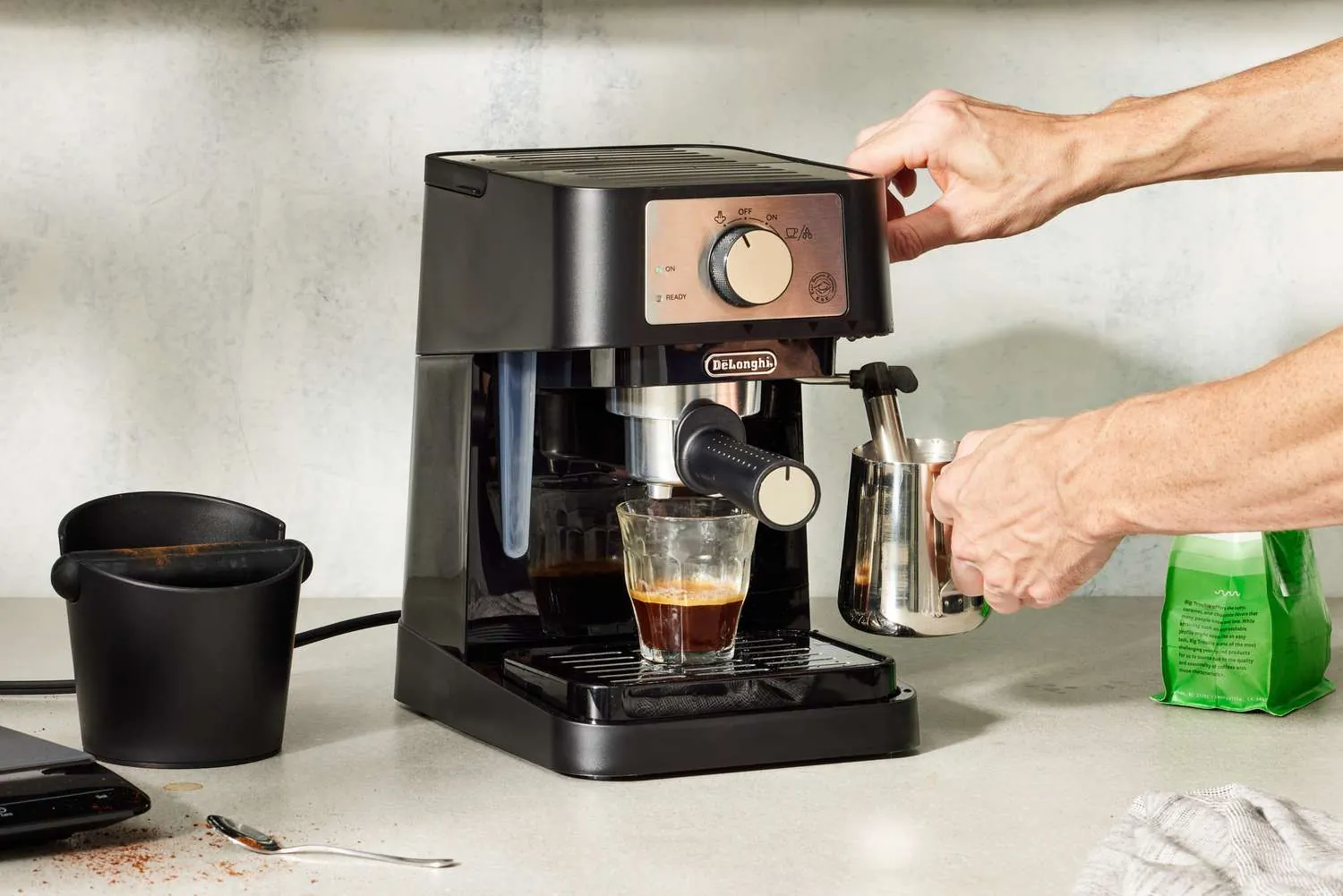
Experienced users prioritize the quality of the portafilter and the group head. They know that a standard 58mm commercial-sized portafilter allows for more accessories and better heat retention. Beginners often overlook the importance of the machine’s weight; a heavier machine is usually more stable during the locking process. Always check if the machine uses a pressurized basket, which creates fake crema, or a non-pressurized one that requires a real skill set to master.
Internal components and maintenance
High-end machines use copper or stainless steel boilers that resist corrosion. Beginners often ignore the descaling requirement, which is a mistake that ruins internal sensors. You should check the National Sanitation Foundation guidelines on water quality and machine cleanliness to ensure your equipment stays safe. If you see white mineral buildup on your steam wand, your water is too hard and will eventually clog the internal valves.
Common problems and solutions
| What you notice | What it usually means | What to do first | How to stop it |
|---|---|---|---|
| Water leaks from top | Worn group gasket | Replace the rubber seal | Clean the group head |
| Sour, thin coffee | Under-extraction | Grind beans finer | Check your tamp |
| Bitter, burnt taste | Over-extraction | Grind beans coarser | Lower temperature |
| No steam pressure | Scale buildup | Run descaling cycle | Use filtered water |
| Machine won’t turn on | Blown fuse or breaker | Check wall outlet | Use a surge protector |
Regulatory rules and safety
All electrical kitchen appliances must comply with safety standards set by the Consumer Product Safety Commission to prevent fire and shock hazards.
Look for a UL or ETL mark on the bottom of the unit. That specific stamp means an independent lab tested the exact model you’re holding.
A generic CE mark doesn’t guarantee compliance with US wiring codes. Buying a cheaper import without that US testing mark risks voiding your renters insurance if a fire starts.
If you’re in a rental property or a dorm, check your lease agreement as some landlords ban high-wattage appliances.
Most standard dorm circuits cap out at 15 amps across the entire room. A 1450-watt machine draws about 12 amps alone, leaving almost nothing for lights or a laptop.
Running both at once trips the breaker repeatedly. This damages the building wiring over time and gives your landlord grounds to evict you.
Never attempt to open the machine housing to fix a heating element or pump. These components contain capacitors that can hold a lethal electrical charge even when the machine is unplugged.
The main capacitor in a typical pump-driven unit stores enough energy to stop a human heart.
Bypassing that safety step during a DIY repair is how people get hurt. The plastic casing is also your only defense against water reaching live wires inside.
If your machine stops heating, take it to a certified service technician. Ask them upfront whether they carry parts for your specific brand before you pay any diagnostic fee.
Understanding the real cost
The upfront price of the machine is only the beginning. You must account for the cost of fresh beans, which can range from $15 to $25 per 12-ounce bag.
A high-end machine also requires regular maintenance, including water filters and cleaning tablets, costing about $50 to $100 per year.
People often skip the descaling cycle because it takes forty-five minutes they don’t have. Hard water leaves calcium deposits inside the thermoblock that eventually restrict flow.
When that happens, the pump strains until it burns out entirely. A replacement pump plus labor typically costs more than the original savings on a cheaper model.
You can save money by buying a reliable mid-range machine and spending more on a high-quality grinder. The grinder determines particle consistency, which matters more than pressure.
If you choose a super-automatic machine, remember that these have more moving parts that can break, leading to higher repair costs over the machine’s lifespan.
Brew groups with internal motors fail most often when oily dark roasts build up residue. Lighter roasts leave less oil but require a finer grind setting to extract properly.
Use this rule: if you drink three or more cups daily, buy a semi-automatic. If you want one button in the morning, accept the service contract as part of the real price.
Keeping your machine in top shape
Daily maintenance is the secret to a long-lasting machine. After every use, purge the steam wand and wipe it clean with a damp cloth to prevent milk from hardening. Backflush the group head with a cleaning tablet once a week to remove old coffee oils.
If your machine has a water filter, replace it every 2 to 3 months, or whenever the indicator light turns on. A machine that isn’t cleaned regularly will develop a rancid taste that no amount of expensive coffee can hide.
Most people stop there and wonder why their shots still taste flat. The missing step is descaling, which removes mineral buildup inside the boiler. How often you do this depends entirely on your local water hardness.
If you live in an area with hard water, descale every two months. Use test strips from any hardware store to find out where you stand. Soft water lets you stretch that interval to six months without risking damage.
Never use vinegar as a shortcut for commercial descaling solution. Vinegar attacks rubber gaskets and leaves a smell that lingers for weeks. That mistake costs more in replacement parts than the proper powder ever would.
Pay attention to your shower screen too. Coffee grounds get trapped behind the metal mesh over time. Remove it with a screwdriver every month and soak it in warm water with detergent.
A clogged screen forces water through one tiny channel instead of spreading it evenly. That uneven flow ruins extraction no matter how perfectly you grind or tamp your beans.
Remove the portafilter from the group head when the machine sits idle so the rubber gasket can decompress and last longer.
When to avoid home machines
If you only drink espresso once a month, a home machine is the wrong choice. The cost of maintenance and the time spent learning the craft will outweigh the benefits.
In this case, a high-quality manual pour-over or a French press is a better investment. You get excellent coffee without the upkeep that idle espresso machines demand.
Machines left unused for weeks develop stale water in their internal boilers. That stagnant water degrades the rubber gaskets faster than daily use ever would.
Replacing those gaskets means opening the casing and ordering specific parts. It turns a simple morning routine into an afternoon repair project.
Additionally, if you lack the counter space for both a machine and a high-quality grinder, avoid buying a standalone espresso maker. They must work as a pair.
Trying to use a cheap blade grinder for espresso will only lead to frustration and wasted coffee beans. Blade grinders chop rather than crush the beans.
Espresso requires particles uniform enough to create resistance against nine bars of pressure. Uneven grounds cause water to channel through weak spots in the puck.
The result is a sour, watery shot no matter how expensive your machine happens to be. A decent burr grinder often costs more than the espresso machine itself.
Budget for both before you commit to either one. If the combined footprint crowds your sink or stove, rethink the setup entirely.
People who move frequently should also hesitate before buying heavy semi-automatic machines. Hauling thirty pounds of brass boiler up apartment stairs risks internal damage.
Vibrations during transit loosen fittings that are difficult to tighten without proper tools. In these cases, a capable manual lever machine travels much safer.
Frequently asked questions
Can I fix a leaking espresso machine myself?
You can only replace the external gaskets or seals yourself if the manual provides instructions for it. Any leak coming from inside the housing indicates a broken valve or hose, which requires a professional technician to prevent electrical shock or water damage to the internal electronics.
How long does an espresso machine last?
A well-maintained machine typically lasts 5 to 10 years depending on the quality of the components. You can extend this lifespan by using soft, filtered water to prevent scale buildup and performing regular backflushing as specified in your machine’s user manual.
Is it safe to buy a used espresso machine?
It’s safe if you can verify the machine has been descaled and the internal seals were replaced recently. You should ask the seller for a video of the machine pulling a shot and steaming milk to ensure the pump and boiler are fully functional before you pay.
What happens if I use tap water?
Using hard tap water causes mineral deposits to build up in the boiler and pipes, which eventually blocks water flow. This buildup permanently damages heating elements and sensors, leading to expensive repairs that often cost more than the value of an entry-level machine.
Does it matter if the machine is plastic or metal?
It matters because metal housings provide better temperature stability and durability over time. Plastic machines are prone to cracking under high pressure and heat, which can lead to leaks and a shorter total lifespan compared to stainless steel or brass models.
How much coffee do I need for a double shot?
You need 18 to 20 grams of finely ground coffee for a standard double shot. This amount assumes you’re using a double-basket portafilter; if your basket is smaller, you must adjust the dose to ensure the grounds aren’t touching the shower screen.
Conclusion
Start by setting your budget based on your daily coffee needs and available counter space. A consistent result requires a high-quality burr grinder, so ensure you have enough funds to buy one alongside your machine. If the machine begins to make loud grinding noises or fails to produce pressure, stop using it immediately and consult a professional technician to avoid dangerous electrical faults.
Related guides