
To fix a hotpoint washer not draining, you must first clear the debris filter located behind the small panel at the bottom front of the machine. This is the most common cause of water remaining in the drum, as small items like coins or lint often block the pump’s exit. If the machine still doesn’t empty after cleaning the filter, the drain hose or the pump itself may be obstructed or faulty.
Why your Hotpoint washer isn’t draining
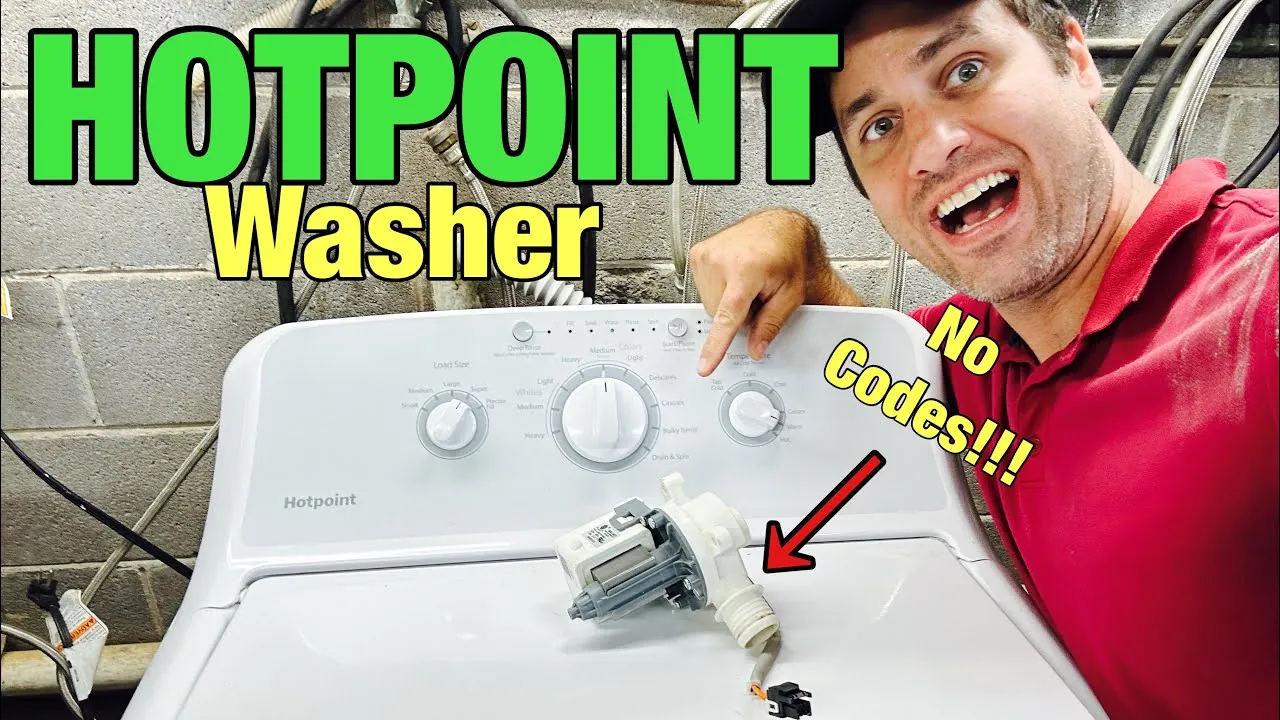
Most drainage issues stem from physical blockages that prevent water from exiting the drum. When the pump can’t push water out, it stays in the bottom of the tub, often triggering an error code on the control panel.
Another frequent cause is a kinked or clogged drain hose. If the hose that connects your washer to the wall pipe is bent, water can’t flow freely. This often happens if the machine has been pushed too close to the wall, crushing the tube. Additionally, if the hose is inserted too far into the standpipe, it can create a siphon effect or become blocked by debris from your home’s plumbing system.
Finally, the drain pump may have reached the end of its life. Like any mechanical part, the pump can wear out or suffer from a burnt-out motor. If you hear a loud humming or grinding noise when the machine should be draining but the water level doesn’t drop, the pump impeller is likely jammed or broken.
Clear the external debris filter
The debris filter is your first line of defense against drainage problems. Before you begin, place a shallow tray and a towel on the floor to catch the water that will pour out when you open the panel.
- Open the small access door on the bottom front of your washer.
- Slowly unscrew the circular filter cap counter-clockwise.
- Allow the water to drain into your tray until it stops flowing.
- Remove the filter completely and pull out any hair, coins, or lint caught inside the housing.
- Rinse the filter under a tap to remove slime or buildup.
- Replace the filter, tightening it firmly to prevent leaks, and close the access door.
If you find a buildup of black, slimy residue, this indicates a mold colony that requires a hot water cycle with vinegar to clear the internal pump lines. If the filter is stuck, don’t force it with heavy tools, as the plastic threads can crack easily. Use a rubber grip pad to increase your torque without damaging the housing.
This process is for the owner, but if the pump housing itself is damaged or the internal seal is leaking, you should contact a professional technician. A steady drip from the filter area after you have tightened it suggests a compromised O-ring, which costs less to replace than a flooded floor.
Check the drain hose and standpipe
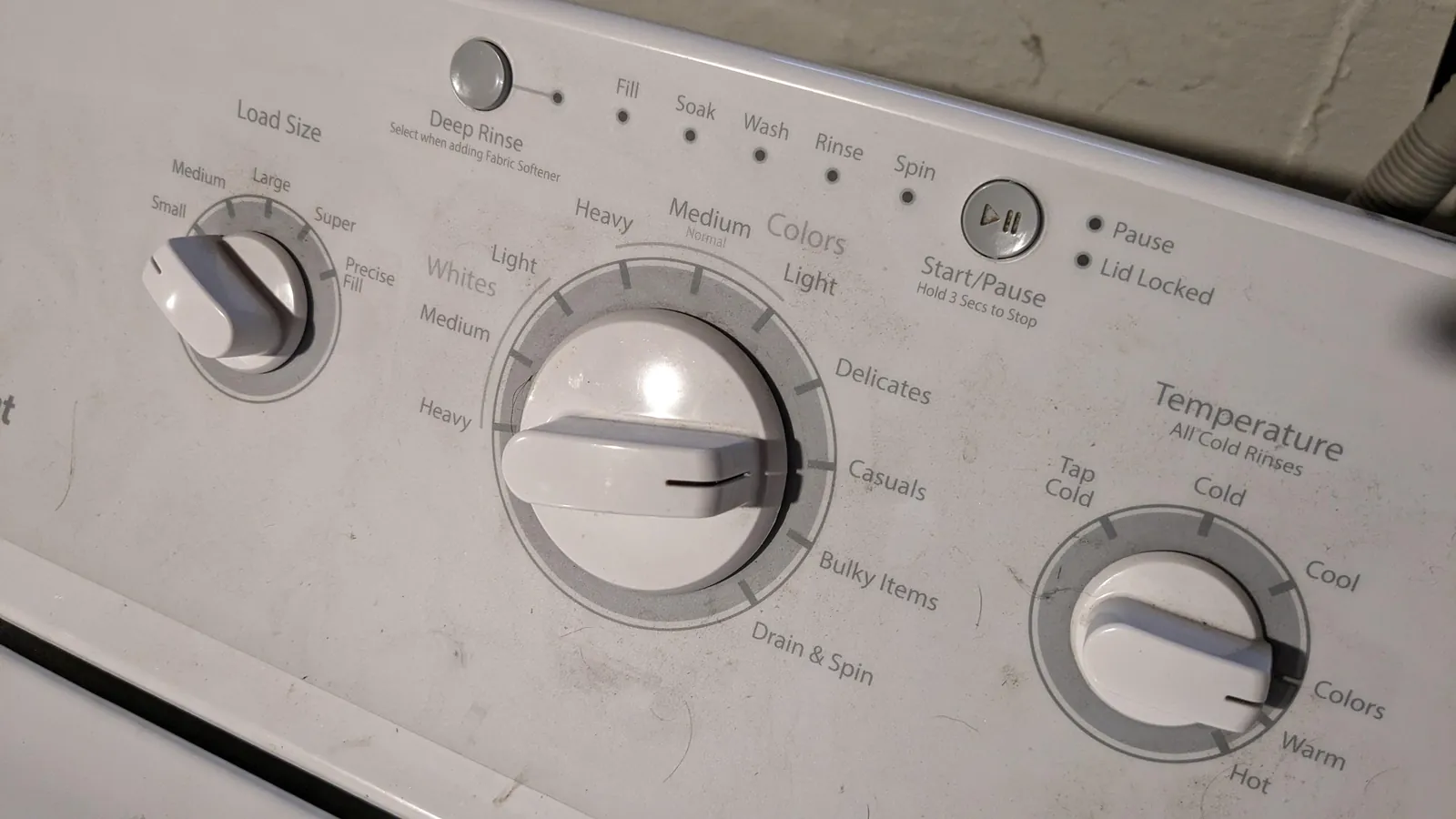
A blocked or incorrectly positioned hose often mimics a broken pump. If your washer’s drain hose isn’t installed at the correct height, the machine will struggle to keep water inside during the wash cycle or fail to empty it during the spin cycle.
Ensure the drain hose is inserted into the standpipe with an air gap around the hose to prevent siphoning. If it’s inserted too deeply, the washer may siphon water back into the drum. Ensure the hose has a clear path to the drain without any sharp bends or kinks.
You can detach the hose from the wall pipe and blow through it to check for blockages. If you feel strong resistance, use a plumbing snake or a long, flexible brush to clear the obstruction.
If the house drainage pipe is clogged, the water will back up into the washer hose regardless of how well the machine is working. If you notice water backing up into your sink or other appliances when the washer tries to drain, the issue is likely within your home’s plumbing rather than the washer itself. In this case, you should call a plumber to clear the main line.
Inspect the drain pump impeller
If you have cleared the filter and confirmed the hose is free, the pump impeller is the next area to check. The impeller is the small fan-like blade inside the filter housing that pushes water out.
Use a flashlight to look into the filter cavity where you removed the debris filter. You should see the impeller blades at the back of the hole. Try to turn the blades with your finger or a dull plastic tool. If the blades feel stuck or don’t spin freely, something is wedged behind them. If you can see an object, use needle-nose pliers to gently remove it.
Most impellers should rotate with slight resistance due to the internal magnets. If the blades spin perfectly smooth like a ceiling fan, the magnetic coupling has failed and the pump is dead.
Be aware that this area can contain sharp fragments of broken glass or metal. Always wear cut-resistant gloves when reaching into the housing. If the impeller is loose on its shaft or the plastic blades are broken, the pump must be replaced.
Because this requires removing the front or bottom panels of the machine, it’s best handled by a qualified service technician. A capacitor inside the motor can hold a lethal charge even after the machine is unplugged, so internal work is strictly for professionals. Never attempt to bypass the housing or touch the motor terminals unless you have verified the discharge of all electrical components with a multimeter.
Avoiding common drainage mistakes
Forcing the filter cap with pliers or heavy tools often snaps the plastic threads, turning a simple cleaning task into a permanent leak. If the cap resists, soak a rag in white vinegar and wrap it around the seal for ten minutes to dissolve mineral buildup before trying again by hand.
Ignoring error codes is a common mistake that masks deeper mechanical failures. If the light persists after clearing the drain, the pump impeller may be obstructed by debris you can’t see.
Overloading the washer with heavy items creates a dense mass of lint that clogs the filter and strains the pump motor. Limit your loads to three-quarters capacity to ensure water flows freely.
Using too much detergent creates excess suds that coat the water level sensor in a film. This causes the machine to misread the depth, leading to premature drainage errors. If you see suds during the rinse, run an extra cycle with no soap.
Preventing future drainage issues
| If you’re doing this | Do this instead | Why |
|---|---|---|
| Washing items with loose coins | Empty all pockets before loading | Coins block the pump impeller |
| Pushing the washer against the wall | Leave 2 inches of space | Prevents hose kinks and bends |
| Using standard powder detergent | Use HE (High Efficiency) soap | Reduces excess suds and residue |
| Never cleaning the filter | Clean the filter every 3 months | Removes debris before it causes a clog |
Most homeowners ignore the drain pump filter until the machine stops mid-cycle. If your washer displays an “OE” or “E2” error code, the filter is likely already impacted by lint or hair. You must clear it manually to restore flow.
Check the drain hose height as well. If the hose isn’t installed at the manufacturer-specified height, the pump may struggle to move water effectively or the machine may siphon. A hose that’s too low causes a siphon effect, while one that’s too high forces the motor to burn out prematurely.
If you notice standing water in the drum after a cycle, inspect the hose connection for a tight 90-degree bend. Straighten any sharp kinks immediately to prevent backpressure. If the machine vibrates excessively during the spin cycle, use a level to ensure the feet are locked firmly against the floor. A tilted machine puts uneven strain on the pump housing.
Frequently asked questions
How often should I clean my washer filter?
You should clean your washer filter based on your frequency of use to prevent debris buildup, though you should always consult your owner’s manual for specific guidance. If you wash heavy items like rugs or pet blankets often, you might need to check it more frequently. Keeping this area clear ensures the pump doesn’t have to work harder than necessary, which extends the life of the motor. A quick check after a cycle where you notice slow draining can save you from a major blockage later.
Can a clogged drain hose cause an error code?
Yes, a clogged drain hose will cause the machine to display an error code because the water level sensor detects that water is still present after the drain phase. The washer expects a certain amount of water to leave the drum within a set time frame. When the hose is blocked, the water stays put, the timer runs out, and the washer stops to prevent a flood.
How long does it take for a professional to replace a pump?
A professional technician usually replaces a drain pump in about 45 to 60 minutes, assuming they have the correct part on hand. The time varies based on the specific model of your Hotpoint washer and how easily the technician can access the pump compartment. If the technician needs to order a specific part from the manufacturer, it may take several days to complete the repair.
Is it safe to use a drain cleaner in the washer?
No, you should never pour chemical drain cleaners into your washing machine. These harsh chemicals are designed for metal or PVC pipes and can damage the rubber seals, plastic components, and internal hoses of your appliance. If your drain is slow, the blockage is usually physical, such as a coin or a clump of lint, which chemicals can’t dissolve.
What happens if I ignore a slow-draining washer?
Ignoring a slow-draining washer will eventually lead to a complete pump failure or a flood in your laundry room. When the pump struggles against a clog, the motor heats up and can burn out. Additionally, water left standing in the drum for long periods promotes mold and mildew growth, which can cause unpleasant odors in your clothing and inside the machine itself.
How do I know if the pump is broken?
You know the pump is broken if you hear a loud, abnormal grinding or buzzing noise while the washer should be draining, yet the water level doesn’t drop. If you have already verified that the filter is clear and the hose isn’t kinked, the internal motor is likely failing. At this point, the pump can’t create the force needed to move the water, and it needs to be replaced.
Conclusion
If the water still won’t flow out, it’s time to check your home’s plumbing for a clog further down the line. Don’t hesitate to reach out to a local professional if you’re feeling unsure about the repair. They’ll help you get your laundry routine back on track in no time.
