
Dealing with a stubborn plumbing clog is a common household frustration, often leading homeowners to compare an electric vs manual drain snake to determine which tool is best for the job. If you’re wondering about the financial investment, a manual hand-crank snake typically costs between $15 and $60, while an entry-level electric drain auger usually ranges from $100 to $450 depending on the motor strength and cable length. Choosing the right device depends heavily on the severity of the obstruction and the complexity of your home’s piping system.
Key Takeaways
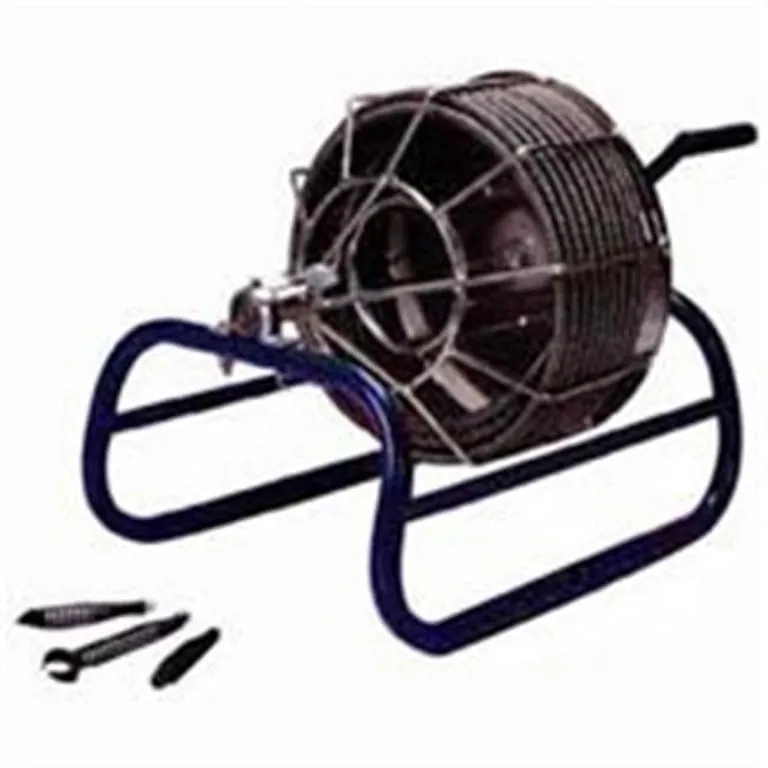
- Manual snakes are ideal for small, localized clogs in bathroom sinks or tubs.
- Electric snakes provide necessary torque for deep, stubborn blockages in main lines.
- Always inspect your pipes for damage before using motorized equipment to avoid punctures.
- Safety gear, including gloves and eye protection, is mandatory when operating spinning cables.
- Regular maintenance cleaning prevents the need for heavy-duty power tools in the future.
Understanding Your Plumbing Obstruction
Before selecting a tool, you must identify the nature of the blockage. A minor sink clog caused by hair or soap scum often responds well to a manual tool. However, if your toilets are backing up or you hear gurgling sounds from multiple fixtures, you’re likely dealing with a main line issue.
These deeper clogs often require the power of an electric motor to break through compacted debris, tree roots, or foreign objects that a human hand simply can’t dislodge with a manual crank.
Common Clog Locations
- Kitchen sinks (grease and food particles)
- Bathroom lavatories (hair and toothpaste)
- Shower drains (soap and hair clumps)
- Main sewer lines (tree roots and waste)
Why Choose a Manual Snake?
The primary advantage of a manual snake is the tactile feedback it provides. Because you’re physically turning the handle, you can feel when the cable hits a blockage or gets snagged on a pipe fitting. This sensitivity makes manual models safer for older, delicate pipes, such as thin-walled PVC or aged metal plumbing that might be prone to cracking under the force of a high-torque electric motor. They’re compact, easy to store, and require zero batteries or power outlets.
| Feature | Manual Drain Snake | Electric Drain Snake |
|---|---|---|
| Primary Use | Minor, shallow clogs | Deep, stubborn blockages |
| Operation | Hand-cranked rotation | Motor-driven rotation |
| Skill Level | Beginner-friendly | Requires mechanical caution |
| Risk to Pipes | Very Low | Moderate to High |
| Storage Needs | Minimal cabinet space | Dedicated tool storage |
Benefits of Electric Augers
An electric drain auger takes the physical labor out of clearing a pipe. These machines use a powerful motor to spin the cable at high speeds, which is essential for “drilling” through dense obstructions like solidified grease or intrusive tree roots.
The mechanical advantage allows the tool to maintain consistent pressure against the clog, which is often the key to clearing a line that has resisted repeated manual attempts. Many professional-grade models also offer auto-feed features, which help extend and retract the cable with minimal effort.
What Are the Safety Risks?
Operating any plumbing tool, especially an electric one, carries inherent risks. A spinning metal cable can whip around if it hits a hard obstruction, potentially causing injury to the user or damaging the surrounding area.
Furthermore, improper use of a high-speed snake can actually shred the interior walls of your pipes, turning a simple clog into a costly plumbing replacement. Always follow the guidelines provided by the Consumer Product Safety Commission regarding the prevention of injuries while using household power tools.
Warning: Always wear heavy-duty work gloves and safety goggles when operating a snake to protect yourself from flying debris and the sharp edges of the metal cable.
Choosing the Right Cable Length
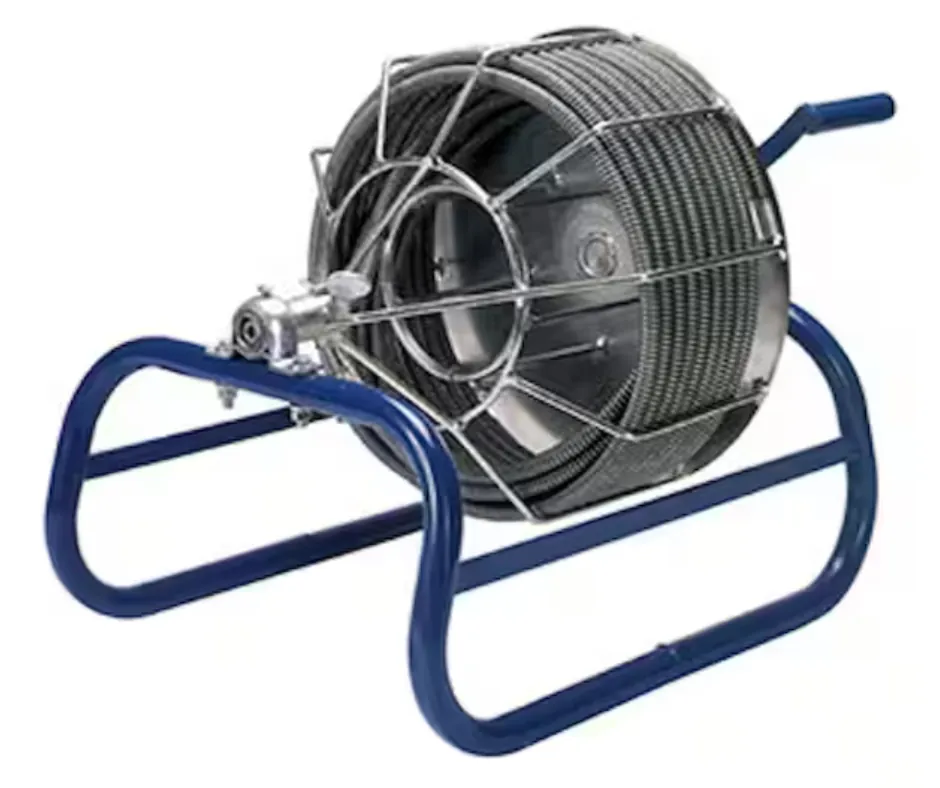
The length of the cable is just as important as the power source. For a standard bathroom sink, a 15-to-25-foot cable is usually sufficient to reach the P-trap and the immediate pipe run. However, if the clog is located further down the line, perhaps near the sewer main, you’ll need a 50-to-100-foot cable.
Using an electric snake with a cable that’s too short will result in failure, while using one that’s far too long can make the equipment unnecessarily difficult to manage.
Maintenance and Storage Tips
Proper care extends the life of your equipment. After every use, you must clean the cable thoroughly with a degreaser and dry it completely to prevent rust. Once dry, applying a light coating of machine oil keeps the metal flexible and prevents corrosion.
If you own an electric model, periodically check the motor housing for debris and ensure the power cord is free of frays or exposed wires. Storing your tools in a cool, dry place ensures they’re ready for the next emergency.
Can You Rent Instead?
For most homeowners, buying a professional-grade electric drain snake is a poor investment because these tools are needed so infrequently. Many local equipment rental centers offer high-end machines by the day. Renting allows you to access industrial-strength equipment—often far superior to what you could buy in a hardware store—for a fraction of the cost. This is the most cost-effective route for clearing a main sewer line, which is a job that typically only happens once every few years.
Comparing Popular Brands
When shopping for these tools, you’ll encounter several reliable manufacturers known for their durability and engineering. For manual tools, look for brands like General Pipe Cleaners or Cobra. For electric options, Ridgid and Milwaukee are industry standards that offer consistent performance and excellent warranty support. Choosing a reputable brand ensures that you can find replacement parts like replacement cables or specific heads if they wear out or snap during a difficult job.
Pro Tip: If you choose an electric model, start with the lowest speed setting to clear the clog gradually, increasing speed only if the obstruction doesn’t yield.
Troubleshooting Common Snake Issues
If your snake stops advancing, don’t force it. Pushing too hard when the cable is stuck can cause the cable to kink inside the pipe, making it nearly impossible to remove without professional intervention. Instead, pull the cable back a few inches, rotate it in the opposite direction, and try to feed it forward again. If the cable is still stuck, check the P-trap, as this is the most common location for sharp bends where cables frequently snag.
When to Call a Pro
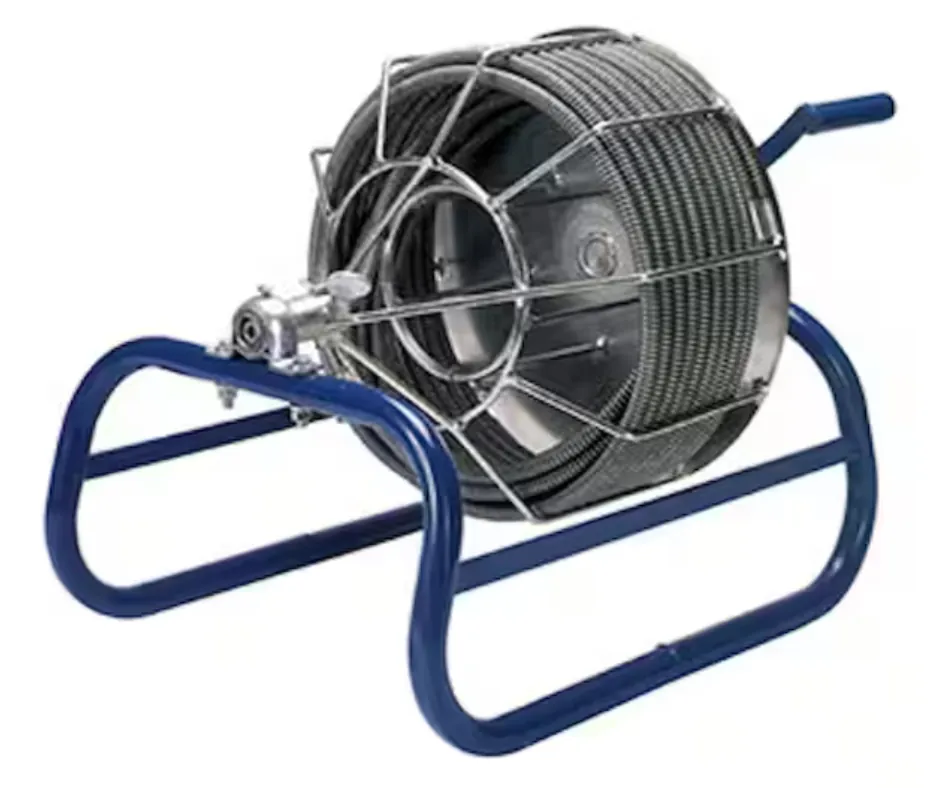
There are specific scenarios where you should put down the snake and call a licensed plumber. If you have attempted to clear a clog three separate times with no success, further attempts might damage your plumbing system.
Additionally, if you suspect your pipes have collapsed, are made of old clay, or if you’re dealing with a sewage backup that involves hazardous waste, don’t attempt the repair yourself. Professional plumbers have cameras to inspect the internal state of the pipes, which prevents unnecessary damage.
Related guides
- 7 Best Drain Cleaner for Dishwasher Picks to Clear Clogs in 2026
- 10 Best Drain Cleaner for Toilet Paper Picks to Clear Clogs in 2026
- 10 Best Liquid Drain Cleaner for Shower Picks to Clear Clogs in 2026
Frequently Asked Questions
Is an electric snake too strong for older pipes?
Yes, it can be. Older pipes made of thin metal or aging plastic can easily crack or puncture under the high torque of an electric motor. If your home was built more than 40 years ago, it’s generally safer to start with a manual snake or hire a professional who can use a sewer camera to verify the integrity of your pipes before applying mechanical force.
How do I know if a clog is deep?
A clog is likely deep if multiple fixtures in your house, such as a toilet and a sink, are draining slowly at the same time. If only one sink is affected, the clog is usually trapped in the P-trap or the immediate drain line. If the water is backing up into a basement floor drain or a toilet, the obstruction is almost certainly in the main line.
Can I use a snake on a toilet?
You can, but you should use a specialized “closet auger” rather than a standard drain snake. Standard snakes have long, thin cables that can scratch the porcelain bowl of a toilet, causing permanent damage. A closet auger is designed with a protective sleeve and a specific head that safely navigates the trapway of a toilet without marring the finish or damaging the internal porcelain lining.
Do I need special training to use an electric snake?
While you don’t need formal certification, you do need to understand the mechanics of the tool. You must know how to keep the cable taut to prevent it from kinking and how to manage the motor’s torque. Watching a manufacturer’s instructional video for your specific model is highly recommended, as it will cover the specific safety features and operation steps unique to that device.
How often should I snake my drains?
Most experts recommend a preventative cleaning once every 18 to 24 months. If you have trees with invasive roots near your sewer line, you might need professional maintenance more frequently. For standard household drains, keeping hair catchers in your sinks and showers and avoiding pouring grease down the kitchen drain is usually more effective at preventing clogs than routine snaking, which can cause wear on your pipe joints.
Conclusion
If you have determined that your clog is minor and localized, pick up a manual hand-crank snake from your local hardware store to resolve the issue quickly and safely. If the water levels in your home remain high or multiple fixtures are affected, contact a licensed plumbing professional immediately to avoid expensive water damage to your foundation or flooring.